Table of Contents >> Show >> Hide
- The quick answer
- What is a boil, exactly?
- Why diabetes can make boils more likely
- 1) High blood sugar can blunt immune responses
- 2) Skin changes: dryness, cracking, and a weaker barrier
- 3) Reduced circulation can slow healing
- 4) Neuropathy can make small injuries easy to miss
- 5) Staph can live on skinand recurrence is a real thing
- 6) “Side quests” that raise risk: friction, sweating, weight, and skin folds
- Does a boil mean my diabetes is out of control?
- Diabetic boils vs. look-alikes (because skin loves plot twists)
- What to do at home (and what not to do)
- When to call a clinician (especially if you have diabetes)
- How boils are treated in a clinic
- Prevention: the “diabetic boils” game plan
- FAQ: fast answers to common questions
- Conclusion
- Experiences People Share About Diabetic Boils (The “I Thought It Was Nothing” Chronicles)
If you have diabetes and you’ve ever found a painful, angry bump on your skin that looks like it’s auditioning for a volcano documentary, you’re not alone. Boils can show up in anyonebut diabetes can make them more likely, more stubborn, and more “why now?!” than usual. Let’s break down what’s actually happening (without turning this into a medical textbook that puts you to sleep).
The quick answer
Diabetes doesn’t directly “cause” boils the way a splinter causes a swear word. Boils are typically caused by bacteria (most often Staphylococcus aureus, aka “staph”) getting into a hair follicle or tiny break in the skin and setting up a pus-filled party.
What diabetes can do is create the kind of environment bacteria love: higher glucose levels, drier or more fragile skin, slower healing, and immune defenses that don’t respond as quickly. So the better phrasing is: diabetes increases your risk of boils and other skin infectionsespecially if blood sugar is often running high.
What is a boil, exactly?
A boil (also called a furuncle) is a deep skin infection that usually starts in a hair follicle or oil gland. It becomes a tender red lump that can grow, throb, and eventually fill with pus. If multiple boils connect under the skin, that cluster is called a carbuncle. Many people also use “boil” to describe a skin abscessa pocket of pus under the skin.
Common places boils like to appear
- Back of the neck
- Armpits
- Buttocks
- Inner thighs / groin
- Waistline (hello, friction)
- Anywhere skin rubs, sweats, or gets irritated
What it can look and feel like
- A red, swollen bump that’s painful to touch
- A warm, firm lump that gets bigger over days
- A yellow/white “head” as pus builds
- Drainage (sometimes sudden, sometimes… dramatic)
- Occasionally fever or feeling run-down if the infection is more serious
Why diabetes can make boils more likely
Think of your skin as a security system and your immune system as the guards. Diabetes can mess with bothespecially when glucose levels are frequently elevated.
1) High blood sugar can blunt immune responses
When blood sugar is high, certain immune cells don’t work as effectively. That means bacteria have an easier time getting established, and infections can be harder to clear quickly. It’s not that your immune system “does nothing”it’s more like it’s trying to fight while wearing mittens.
2) Skin changes: dryness, cracking, and a weaker barrier
Diabetes is associated with dry skin for many people. Dry skin can crack, and those tiny cracks can become doors for bacteria. Even small shaving nicks or friction spots can turn into “open invites” if skin isn’t healing well.
3) Reduced circulation can slow healing
Good blood flow brings oxygen, nutrients, and infection-fighting cells. Diabetes can contribute to circulation issues over time, especially in the lower legs and feetmaking minor skin problems more likely to snowball.
4) Neuropathy can make small injuries easy to miss
If you have decreased sensation, you might not notice a small cut, a rubbed spot, or an ingrown hair until it’s already irritatedor infected. You can’t treat what you don’t feel.
5) Staph can live on skinand recurrence is a real thing
Staph bacteria can hang out harmlessly on skin or in the nose. Sometimes they slip into a follicle or broken skin and cause an infection. Recurrent boils may involve repeated exposure, household spread, or bacterial colonization that needs a targeted plan with a clinician.
6) “Side quests” that raise risk: friction, sweating, weight, and skin folds
Boils love friction and moisture. If you have skin folds, tight clothing, heavy sweating, or frequent rubbing (thighs, waistband, under-bra areas), follicles can get irritated and more vulnerablediabetes or not. But with diabetes in the mix, the odds can tilt further.
Does a boil mean my diabetes is out of control?
Not automatically. Anyone can get a boil after an ingrown hair, shaving, a small cut, or just bad luck.
But if you’re getting boils repeatedlyor they’re slow to healit’s worth treating it as a useful clue. For many people, frequent skin infections show up alongside higher glucose levels. In real life, it often becomes a two-part project: treat the infection and tighten up glucose management (with your healthcare team’s help).
Diabetic boils vs. look-alikes (because skin loves plot twists)
Folliculitis
This is a more superficial infection of hair folliclesoften multiple small red bumps or pustules. It can burn or itch and may resemble acne. Folliculitis can sometimes progress into a deeper boil.
Hidradenitis suppurativa (HS)
HS can look like recurring “boils” in armpits, groin, buttocks, or under the breastsbut it’s not the same as a simple infection. HS tends to be recurrent, painful, and can form tunnels under the skin or leave scars. If you’re getting repeated lumps in the same areas, ask a dermatologist whether HS could be part of the picture.
Inflamed cyst
A cyst can swell and get tender and may even drain, but it’s not always infected at first. If it becomes infected, it may need medical treatment.
Insect bites or allergic bumps
These can be red and swollen, but boils usually become increasingly painful, warm, and “full,” often with pus formation.
What to do at home (and what not to do)
Do: warm compresses
A warm, moist compress can encourage drainage and ease pain. Use a clean washcloth soaked in warm (not scalding) water for about 10–15 minutes, several times a day. If you’re thinking “I’ll just do it once,” your boil is thinking “cute.”
Do: keep it clean and covered
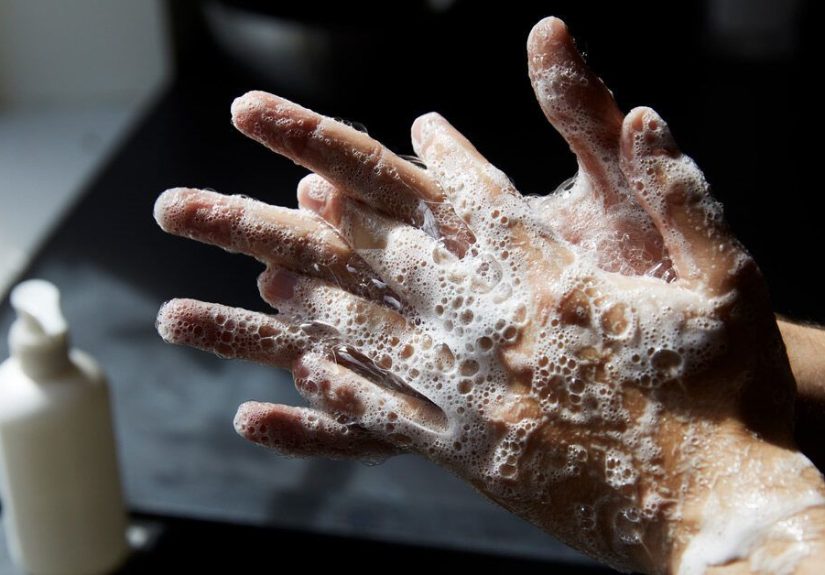
Wash gently with soap and water, pat dry, and cover with a clean bandage if it’s draining. Change dressings regularly. Always wash your hands after touching the area.
Do not: squeeze, pop, or “DIY surgery”
Squeezing can push bacteria deeper, spread infection, and increase scarring. Also, your bathroom is not an operating room, no matter how confident you feel after watching a few videos.
Do: protect others (and your future self)
- Don’t share towels, razors, or clothing that touched the boil.
- Wash bedding, towels, and clothes in hot water if there’s drainage.
- Wipe down high-touch surfaces if multiple people in the home are affected.
When to call a clinician (especially if you have diabetes)
If you have diabetes, it’s smart to have a lower threshold for getting help. Call your healthcare provider if:
- The boil is large, extremely painful, or rapidly growing.
- You have fever, chills, or feel generally ill.
- It’s on your face, near your eye, spine, or in the genital area.
- You see spreading redness, red streaks, or increasing warmth around it.
- You have multiple boils, frequent recurrences, or a history of MRSA.
- It isn’t improving after about a week of warm compresses.
- You have foot sores, leg wounds, or reduced sensation (neuropathy).
Getting seen early can prevent complications and reduce the chance that a small problem becomes a big one.
How boils are treated in a clinic
Incision and drainage (I&D): the main event for abscesses
For many larger boils/abscesses, the key treatment is incision and drainagea clinician numbs the area and makes a small opening to drain pus. It sounds intense, but it often brings rapid relief. Sometimes the area is packed with gauze to help it continue draining and healing.
Culture: figuring out the “who” behind the infection
If a boil is severe, recurrent, or doesn’t respond as expected, a clinician may take a sample of drainage to identify the bacteria and guide antibiotic choices.
Antibiotics: sometimes, not always
Antibiotics may be prescribed when there are signs of spreading infection, multiple lesions, fever, certain high-risk situations, or if the clinician suspects drug-resistant bacteria (like MRSA). Many uncomplicated abscesses still rely primarily on drainage, with antibiotics as an add-on when appropriate.
Recurrent boils: your clinician may discuss prevention strategies
If boils keep coming back, clinicians sometimes consider steps like evaluating household transmission, reviewing hygiene routines, and (in select cases) using decolonization approaches. This is individualizedso it’s best handled with your healthcare provider.
Prevention: the “diabetic boils” game plan
The goal isn’t to live in a bubble. It’s to reduce the chance that normal skin bacteria become an unwanted tenant.
1) Keep glucose as well-managed as you can
This is the boring advice that works. Better glucose management supports immune function, improves healing, and reduces skin dryness for many people. If boils are recurring, discuss your readings and A1C goals with your clinician.
2) Treat skin like it’s valuable real estate (because it is)
- Moisturize dry skin to reduce cracking (avoid putting lotion between toes unless your clinician advises it).
- Gently clean sweaty areas and dry thoroughly after showers.
- Use a clean razor and shave carefullyor switch to less irritating hair removal methods if shaving triggers bumps.
3) Reduce friction and trapped moisture
- Choose breathable fabrics (cotton blends, moisture-wicking materials).
- Change out of sweaty clothes quickly.
- Consider anti-chafing products in high-friction areas (thighs, waistband) if you’re prone to irritation.
4) Handle small cuts like they matter (because they do)
Clean minor cuts promptly, cover them, and keep an eye on them. If you have reduced sensation in your feet, regular checks are a big deal.
5) Don’t share personal items
Towels, razors, and “borrowed” gym gear can spread staph. Your best friend might be great. Their bacteria? Less so.
FAQ: fast answers to common questions
Are boils a sign of type 2 diabetes?
Boils alone don’t diagnose diabetes. But frequent infections can be one clue among many. If you also have increased thirst, frequent urination, unexplained fatigue, or blurred vision, talk with a clinician about screening.
Can MRSA cause “diabetic boils”?
MRSA can cause boils/abscesses in anyone. If you’ve had MRSA before, have recurrent boils, or your infection is severe, clinicians may treat with MRSA in mind.
Can I put antibiotics ointment on a boil?
Topical ointments may help minor superficial issues, but deeper boils often need warm compresses and sometimes medical drainage. Avoid self-draining and get medical advice if it’s worsening.
How long should a boil take to heal?
Some boils drain and improve within a couple of weeks. If it’s not improving, keeps recurring, or you have diabetes, don’t “wait it out” indefinitelyget it checked.
Conclusion
So, does diabetes cause boils? Not directlybut it can make boils more likely and more complicated, especially when blood sugar is often high or healing is slower. The best approach is a two-lane road: treat the boil safely (warm compresses, avoid squeezing, seek care early when needed) and support your skin and immune system with good diabetes management and thoughtful skin care.
If you’re dealing with recurring boils, don’t chalk it up to “just bad skin luck.” It’s a solvable problemand your future self will thank you for tackling it before it becomes a recurring series.
Experiences People Share About Diabetic Boils (The “I Thought It Was Nothing” Chronicles)
People rarely plan to have an “experience” with a boil. It’s not like a weekend getaway: “Honey, pack your bagsour hair follicle is inflamed!” But when diabetes is in the mix, a lot of folks describe patterns that are surprisingly similar. Here are some common experiences people shareplus practical takeaways that can keep the situation from leveling up.
1) The waistband ambush
One of the most common stories starts with friction: a new belt, tight jeans, workout leggings, or a long day of sitting. Someone notices a tender bump near the waistline or on the inner thigh and assumes it’s an ingrown hair. A day later it’s bigger, hotter, and somehow more offended by life. The “aha” moment usually comes when they realize: friction + sweat + irritated follicle can be the perfect setup for a boilespecially when glucose is running high.
Takeaway: If friction is a trigger, breathable clothing and quick post-sweat cleanup can make a real difference. And if your blood sugar has been higher than usual, treat new bumps with more caution, not less.
2) The “I’ll just pop it” regret
Many people admit they tried to squeeze it. Not because they’re recklessbecause boils are annoying, painful, and they look like they’re one push away from resolution. Unfortunately, the aftermath often includes more swelling, more pain, and sometimes spreading redness. A few describe ending up at an urgent care after the area got worse, not better. It’s the classic plot twist: the “easy fix” becomes the “why is this happening?” sequel.
Takeaway: Warm compresses are boring, but they’re effective and safer. Let drainage happen naturallyor let a clinician do it properly if it’s large or worsening.
3) The recurring armpit mystery
Some people describe repeated “boils” in the armpits or groinalways in the same neighborhoods. They treat one, it fades, then another pops up like a rerun you didn’t ask for. After months (or years), someone finally hears about hidradenitis suppurativa and realizes those weren’t random infections at all. Others discover their recurrences were linked to shaving irritation, sweat, or skin-on-skin friction.
Takeaway: If lumps keep returning in the same areas, it’s worth a dermatologist visit. Recurrent doesn’t always mean “dirty” or “unlucky”sometimes it means “this has a name and a better plan.”
4) The “my sugar was high and my skin tattled” moment
A lot of people connect the dots in hindsight: the boil showed up after weeks of higher readings, stress, skipped sleep, or diet chaos. It becomes a “body alert system” they didn’t want but can learn from. Some people say that when they improved glucose controlplus consistent skin caretheir boil frequency dropped noticeably.
Takeaway: If boils are recurring, consider tracking them alongside glucose trends. It can provide helpful clues for you and your healthcare team.
5) The relief of getting it treated early
Finally, many people talk about how much better things went when they got help sooner. Drainage (when needed) brought quick pain relief, and a clear plan reduced anxiety. Instead of wondering whether it would explode at the worst possible time, they had instructions, follow-up, and peace of mind.
Takeaway: With diabetes, earlier care can be the difference between a minor interruption and a major ordeal. If you’re unsure, call. Getting reassurance is a valid medical outcome.
If you take nothing else from these shared experiences, take this: boils are common, treatable, and not a personal failure. But they’re also a sign your skin needs supportand if you have diabetes, you deserve a plan that protects you from repeat episodes.