Table of Contents >> Show >> Hide
- What Is Stikwood, Exactly?
- Why Wood Wall Coverings Are Having a Moment Again
- What Makes Stikwood Different From Other Wall Coverings?
- Where Stikwood Looks Best
- Where You Should Slow Down Before Installing It
- Installation Reality: Easy, But Not Brain-Off Easy
- The Design Strengths of Stikwood
- The Potential Drawbacks
- How to Make Stikwood Look Expensive
- Is Stikwood Still Worth It?
- Real-Life Experiences With Stikwood Wall Covering
- Conclusion
Some wall coverings whisper. Stikwood walks in wearing boots.
If you have ever stared at a blank wall and thought, “You know what this room needs? Less drywall and more personality,” you are not alone. The rise of wood paneling, textured finishes, and tactile surfaces says a lot about where home design is headed. People are tired of rooms that look builder-grade, overly polished, or as emotionally engaging as a tax form. They want warmth. They want character. They want a space that feels designed, not merely assembled.
That is exactly where Stikwood wall covering enters the chat. Known for its peel-and-stick real wood planks, Stikwood occupies an interesting middle ground between full carpentry project and instant decor shortcut. It is not wallpaper pretending to be wood. It is actual wood, cut thin, backed with adhesive, and intended to bring texture, grain, variation, and a little bit of rustic swagger to ordinary walls.
In this design sleuth deep dive, we are looking at what Stikwood is, why it caught on, where it works best, where it can go sideways, and whether it still deserves a spot in today’s homes. Spoiler: when used thoughtfully, it can make a room feel less like a blank box and more like a place with a pulse.
What Is Stikwood, Exactly?
At its core, Stikwood is a real wood wall covering made from thin planks with adhesive backing. The company positions it as a DIY-friendly way to create accent walls, feature walls, ceilings, backsplashes, and even certain architectural details without the mess and complexity of traditional millwork. That is a big part of the appeal: you get the visual richness of wood without needing to transform your house into a sawdust theme park.
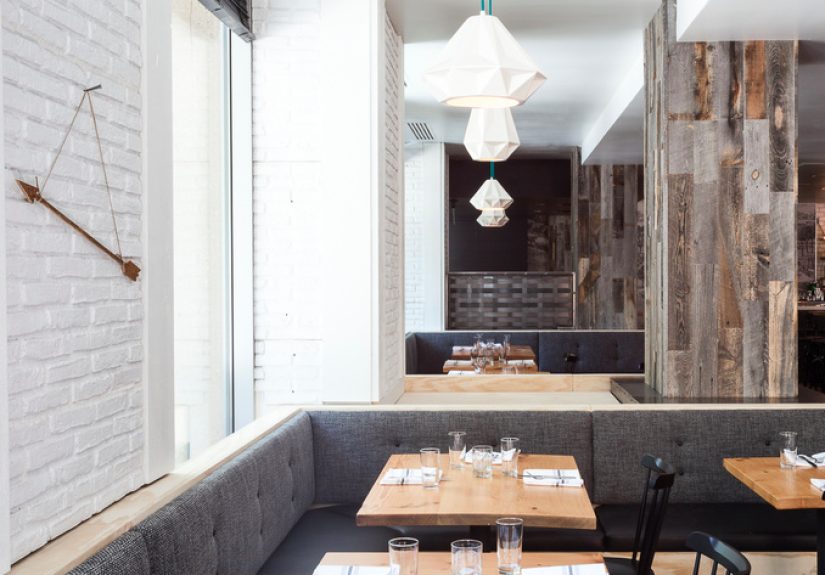
Unlike faux printed panels that can look convincing only from the other side of the room, Stikwood uses genuine wood. That matters. Real wood brings knots, nail marks, grain movement, color shifts, and subtle imperfections that are hard to fake well. Those “imperfections” are actually the charm. They keep the wall from looking flat or repetitive, and they help the finished result feel collected rather than copied.
Stikwood also leans heavily into the design values modern homeowners care about: responsibly sourced material, a made-in-the-USA story, and a product that is easier to install than a traditional reclaimed wood wall. In other words, it offers the romance of reclaimed wood without requiring you to salvage boards from a barn in the rain while questioning your life choices.
Why Wood Wall Coverings Are Having a Moment Again
Wood paneling has officially escaped its old reputation as the dark basement finish of decades past. Today’s wall paneling trend is warmer, cleaner, and more intentional. Designers increasingly use wood slats, stained planks, panel molding, and other tactile wall treatments to give rooms depth and architectural interest.
That shift makes Stikwood especially relevant. It fits neatly into the broader movement away from flat, featureless walls and toward surfaces with texture and soul. A good wood accent wall does more than add color. It changes how a room feels. It can anchor a bed, make a fireplace wall more dramatic, soften a modern space, or bring visual weight to a room full of sleek furniture.
And because so many homeowners want this look without hiring a carpenter, peel-and-stick wood planks have become an appealing shortcut. The product category scratches several itches at once: DIY satisfaction, visual impact, and a faster path to “Wait, did you renovate?” energy.
What Makes Stikwood Different From Other Wall Coverings?
1. It uses real wood, not a printed imitation
This is the biggest distinction. Faux panels can look fine online and then disappoint in person. Real wood has depth, edge detail, grain variation, and texture that helps a wall feel authentic. If you are after a design feature rather than a temporary visual trick, that matters a lot.
2. It is DIY-friendly
Stikwood is designed for homeowners who want a project, not a construction saga. The general installation process is straightforward: let the planks acclimate, prep the wall, establish a level reference line, apply the first rows carefully, stagger seams, cut end pieces to fit, and roll the surface with pressure so the adhesive bonds properly. That is still real work, but it is much more approachable than building a wood wall from scratch.
3. It offers a more architectural look than paint or wallpaper
Paint can change color. Wallpaper can add pattern. Stikwood wall planks add texture, shadow, rhythm, and materiality. That combination is why wood walls often feel more elevated than a standard painted accent wall. They catch light differently throughout the day, and they make even simple furniture look more intentional.
4. It can be used in more places than many people expect
Stikwood is not limited to the classic living-room feature wall. Depending on finish and conditions, it can be used on ceilings, as a backsplash, around certain fireplace applications, and in niche areas where a bit of texture goes a long way. That flexibility makes it a strong option for design-minded homeowners who want continuity across a space.
Where Stikwood Looks Best
Bedrooms
A Stikwood wall behind the bed acts like a giant built-in headboard. It instantly gives the room a focal point and can make a basic bed frame look far more expensive than it really is. Warm tones feel cozy and grounded, while weathered or gray finishes push the look more modern rustic.
Living rooms
This is probably the most obvious use, but for good reason. A wood feature wall can frame a sofa, highlight a media wall, or create contrast in rooms dominated by white paint, metal, and glass. If your living room feels slightly too polite, this is one way to give it an opinion.
Entryways and hallways
These smaller areas benefit from texture because they often lack furniture and architectural detail. A wood wall in an entry adds warmth immediately and helps the home feel styled from the moment someone walks in.
Breakfast nooks, bars, and built-ins
Stikwood also works well in small feature zones. Instead of covering every wall in a room, use it behind open shelving, around a breakfast bench, or to wrap a small recessed niche. These tighter applications often feel custom and polished without overpowering the room.
Ceilings
This is where things get fun. A wood ceiling can make a room feel more finished and memorable, especially in a bedroom, den, or covered interior transition space. It draws the eye upward and adds a cabin-lite mood without requiring you to start saying things like “the lodge aesthetic” every five minutes.
Where You Should Slow Down Before Installing It
Stikwood may be easy to love, but it is not magic. The success of the finished wall depends on planning, surface prep, and restraint.
Very textured or dusty walls
The product works best on painted, dry, dust-free surfaces. Standard texture may be fine, but unusually rough surfaces can require sanding and repainting before installation. Adhesive-backed wood is only as happy as the wall beneath it.
Freshly painted walls
If you just painted, do not rush. A wall that feels dry may not be fully cured. Give paint enough time to dry completely before applying the planks. Being impatient here is like putting on shoes before your socks are on. Technically possible? No. Emotionally upsetting? Also yes.
Outdoor applications
Stikwood is generally not recommended for outdoor use. This is a design product for interior spaces, not a heroic all-weather cladding system.
Rentals or temporary spaces
This is important: Stikwood is considered a permanent wall covering. Removing it can damage paint and drywall. So while peel-and-stick sounds commitment-light, this is not the same kind of removable product as renter-friendly wallpaper. If you move often or need reversibility, think hard before committing.
Installation Reality: Easy, But Not Brain-Off Easy
One reason Stikwood gets so much attention is that the installation process is simpler than traditional wood wall systems. But “DIY-friendly” does not mean “slap it up while answering texts.” The most successful installs happen when people respect the process.
The planks should acclimate in the room for a few days before installation. The wall should be dry, clean, and ready to bond. A level reference line matters. The first rows matter even more. Seams should be staggered so the pattern feels natural. And once the planks are applied, rolling them firmly helps activate the pressure-sensitive adhesive.
That is why the best Stikwood walls tend to look casual in a very intentional way. The finished effect may feel organic, but behind that relaxed look is careful planning. Good design loves a little mystery. Good installation loves a level.
The Design Strengths of Stikwood
- Texture without clutter: It adds interest even in rooms with minimal furniture.
- Warmth: Wood instantly softens cold palettes and hard surfaces.
- Versatility: It can work rustic, modern, industrial, Scandinavian, or transitional depending on finish and styling.
- Visual value: A single wall can make the whole room look more custom.
- Material authenticity: Real wood usually ages more gracefully than faux printed surfaces.
The Potential Drawbacks
- It is not truly removable: This is a commitment product.
- Prep matters: The wall condition can make or break the result.
- Overuse can feel heavy: Covering too many surfaces can make a room dark or visually busy.
- Trend sensitivity: A poorly chosen finish can date faster than a more timeless stain or neutral wood tone.
- It still requires tools and patience: Peel-and-stick does not mean zero measuring, cutting, or planning.
How to Make Stikwood Look Expensive
Choose the right wall
The best accent walls feel architectural, not random. Use Stikwood where it naturally anchors something: a bed, fireplace, built-in bench, dining nook, or media console.
Let it be the star
When the wall has strong texture, keep surrounding decor edited. Too many competing patterns can make the space feel noisy instead of layered.
Use lighting strategically
Wood surfaces come alive under good light. Sconces, directional lamps, and warm ambient lighting will emphasize the grain and variation in a way overhead lighting alone often cannot.
Pair it with contrast
Stikwood looks especially sharp against plaster, painted drywall, matte black metal, natural linen, boucle, or stone. The contrast helps the wood read as intentional and refined.
Avoid fake-rustic overload
If the wall is weathered wood, you do not also need a wagon wheel chandelier, six signs about coffee, and a decorative ladder that has never once assisted with an actual height-related task. One rustic note is style. Seven is a themed restaurant.
Is Stikwood Still Worth It?
Yes, if you want real texture, can commit to the look, and are willing to install it properly.
Stikwood remains compelling because it sits at the intersection of beauty and practicality. It gives homeowners access to a richly textured, high-impact wall treatment without requiring a full renovation. It also aligns with the broader shift toward interiors that feel warmer, more tactile, and less mass-produced.
The key is using it with intention. The best Stikwood installations do not scream, “Look what I bought.” They quietly suggest, “This room has substance.” In an era of flat finishes and quick visual hacks, that is a pretty appealing trick.
Real-Life Experiences With Stikwood Wall Covering
One of the most interesting things about Stikwood wall covering is how often people describe the transformation in emotional terms, not just visual ones. They do not simply say the wall looks better. They say the room feels warmer, calmer, richer, or more finished. That may sound dramatic for a bunch of wood planks with sticky backs, but in practice it makes sense. Walls take up a huge amount of visual real estate, and when you change one from flat drywall to textured wood, the entire mood shifts.
A common experience is surprise at how much depth the material adds in person. Online photos can make wood wall planks look like just another trendy surface treatment. But once installed, people often notice how the wall changes throughout the day. Morning light catches the grain one way, evening lamplight pulls out different tones, and even shadows from nearby furniture become part of the composition. It is one of those upgrades that photographs well but tends to look better in real life, which is not something the internet says often enough.
Another experience homeowners talk about is the strange satisfaction of the installation process itself. Not every DIY project is fun. Some are just expensive puzzles with emotional consequences. Stikwood seems to land in the more satisfying category, especially when the wall is well prepped and the layout is planned carefully. There is something rewarding about opening the boxes, sorting planks by tone and length, and watching a pattern emerge row by row. It feels a little like solving a design mystery and a little like adult arts and crafts, except sharper.
There is also the “I did one wall and now the rest of the room looks lazy” effect. This appears to be real. Once a Stikwood feature wall goes up, it often raises the design standard of everything around it. Suddenly, the lamp that seemed fine feels flimsy. The generic art starts apologizing. The old side table begins to look like it wandered in from another timeline. In that way, Stikwood can be both a hero and an instigator. It improves the room, then politely suggests you might want to step up the rest of your choices too.
Of course, not every experience is pure design bliss. Some people discover that wall prep matters more than expected. Others realize that rushing the first rows is a terrible idea. And nearly everyone learns that natural variation in the wood is either the best part or the moment they start rearranging planks on the floor like a home-improvement chess match. Still, those are the kinds of challenges that come with real materials, and for many homeowners, that is exactly the point. The finished wall does not feel generic because the process is not generic either.
In the end, the experience of living with Stikwood is less about novelty and more about atmosphere. The wall becomes background in the best possible way. It does not demand constant attention, but it keeps the room from feeling flat. It makes ordinary routines, like reading in bed or drinking coffee in the kitchen nook, feel a little more grounded and a little less like they are happening inside a cardboard box with Wi-Fi.
Conclusion
Stikwood wall covering succeeds because it taps into something many homes are missing: texture with authenticity. It offers the warmth and individuality of real wood in a format that is approachable for DIYers and impactful enough for design lovers. Used wisely, it can elevate a bedroom, sharpen a living room, warm up an entry, or turn a bland wall into the most memorable surface in the house. Used carelessly, it can feel heavy, trendy, or overly committed. But that is true of almost every bold design decision worth making.
If you are after a wall treatment that feels more substantial than paint and more believable than faux finishes, Stikwood is easy to understand. It is wood with personality, installation with limits, and design payoff that can be surprisingly big. In the great detective story of why some rooms sing and others sigh, this one leaves a pretty convincing clue: material matters.