Table of Contents >> Show >> Hide
- Why Do Salt Cravings Happen in the First Place?
- 1. Dehydration
- 2. Sodium or Electrolyte Loss After Sweating, Exercise, Vomiting, or Diarrhea
- 3. Stress and Emotional Eating
- 4. Lack of Sleep
- 5. PMS and Period-Related Hormonal Changes
- 6. Pregnancy
- 7. An Underlying Medical Condition or Medication That Affects Sodium Balance
- When Salt Cravings Are Probably More About Habits Than Hormones
- What to Do When You Are Craving Salt
- What Salt Cravings Can Feel Like in Real Life: Everyday Experiences and Patterns
- Conclusion
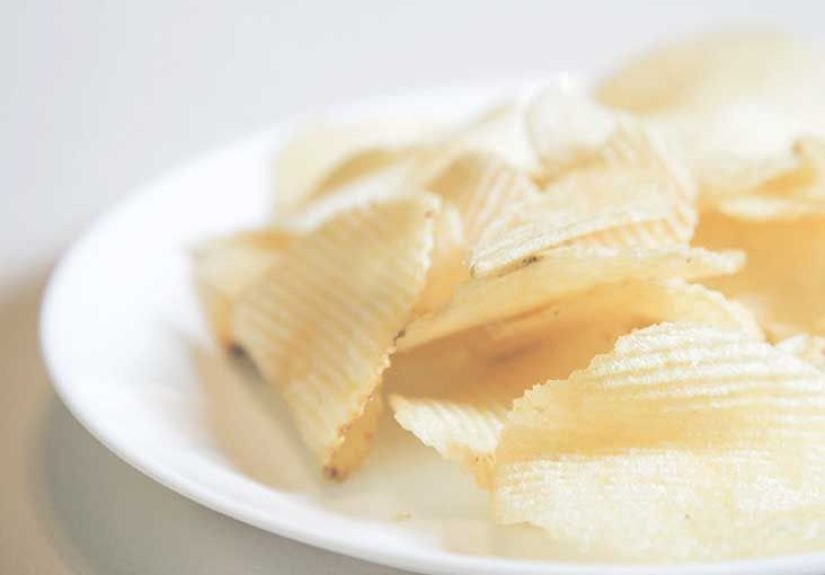
When you suddenly want fries, chips, pretzels, popcorn, ramen, or anything else that crunches, sparkles, and practically yells “sodium,” your body may be trying to tell you something. Or your brain may simply be staging a dramatic snack rebellion. Either way, salt cravings are common, and they are not always random.
Sometimes a craving for salty food is tied to everyday issues like stress, poor sleep, or sweating through a workout. Other times, it can show up around your period, during pregnancy, or as part of a medical problem that affects fluid and sodium balance. The key is to treat the craving like a clue, not a diagnosis. Your body is dropping hints, not writing a final exam answer.
Below are seven possible causes of craving salt, plus what the craving may feel like in real life, what to watch for, and when it is smart to talk to a healthcare professional.
Why Do Salt Cravings Happen in the First Place?
Salt, or sodium, helps your body manage fluid balance, blood pressure, nerve signaling, and muscle function. Because sodium plays such an important role, your appetite can shift when your body is low on fluids, losing electrolytes, or dealing with hormone changes. But biology is only part of the story. Salt cravings can also be shaped by habits, comfort eating, stress, convenience, and the fact that salty snacks are usually easier to grab than, say, a bowl of lentils with a side of self-control.
That is why a salty craving can come from a true physical need, an emotional trigger, a hormonal shift, or a mix of all three. Bodies love complexity. They really commit to the bit.
1. Dehydration
One of the simplest explanations for craving salt is dehydration. When you are not taking in enough fluids, your body can start sending stronger signals around thirst, fatigue, and the desire for foods that seem satisfying and replenishing. Dehydration does not always produce a classic “I need water right now” feeling. Sometimes it shows up more subtly, with dry mouth, darker urine, dizziness, sluggishness, or a general sense that your energy has wandered off without telling you.
Salt cravings may happen because dehydration and sodium balance are closely connected. If you are low on fluids, especially after sweating or being sick, salty foods can seem unusually appealing. Your brain is basically scanning the snack universe for something that feels restoring.
Common signs that dehydration may be part of the picture
Look for clues like thirst, dry mouth, tiredness, dizziness, and peeing less often than usual. If those symptoms are tagging along with a strong salt craving, your first move should not be a family-size bag of chips. It should be fluids.
2. Sodium or Electrolyte Loss After Sweating, Exercise, Vomiting, or Diarrhea
This cause is related to dehydration, but it deserves its own spotlight. If you have been sweating heavily, doing long or intense exercise, dealing with a stomach bug, or losing fluids through vomiting or diarrhea, your body may be losing both water and electrolytes. In some cases, sodium loss can become more noticeable, and your appetite may lean toward salty foods.
This is especially common after long runs, hard outdoor workouts, manual labor in hot weather, or illnesses that leave you wiped out and feeling like a raisin in gym clothes. In those moments, craving salty foods is less about “bad eating” and more about your body waving a tiny electrolyte flag.
That said, replacing losses does not have to mean eating a mountain of processed snacks. Fluids, balanced meals, soups, and appropriate oral rehydration options can be more helpful than just chasing salt with more salt.
3. Stress and Emotional Eating
Stress has a sneaky way of changing appetite. When you are overwhelmed, your body releases hormones that can increase the desire for comfort foods. And salty foods are often comfort foods with excellent marketing. They are crunchy, convenient, and emotionally available in a way that spreadsheets and school deadlines never are.
For some people, salt cravings during stress are less about sodium and more about emotional association. Maybe soup reminds you of feeling cared for. Maybe chips are your “I survived this day” trophy. Maybe fries are the edible version of a long sigh. Stress eating often pulls people toward foods that feel familiar, soothing, and easy.
How to tell if stress may be driving the craving
If the craving hits hardest after arguments, deadlines, bad news, boredom, or emotional overload, and it is less about physical hunger than comfort, stress may be a major part of the story.
4. Lack of Sleep
Sleep deprivation can make almost every food look more tempting, and salty foods are no exception. When you do not get enough rest, the hormones that influence hunger, fullness, mood, and impulse control can get thrown off. That can make you hungrier overall and more likely to reach for quick, satisfying foods that are high in salt, sugar, or fat.
There is also a simple practical reason: when you are exhausted, convenience wins. You are less likely to cook something balanced and more likely to eat whatever is easiest, fastest, and already whispering your name from a crinkly bag. Salt cravings linked to poor sleep may not mean you need more sodium. They may mean your brain is tired, your hunger cues are louder, and your willpower is using vacation time.
If your salt cravings show up most after short nights, all-nighters, newborn care, or several days of weak sleep, your body may be asking for rest as much as it is asking for crackers.
5. PMS and Period-Related Hormonal Changes
Many people notice stronger cravings for sweet or salty foods before their period. PMS can shift appetite, mood, energy, and fluid balance, which helps explain why chips, fries, pizza, and other salty comfort foods suddenly seem like spiritual guidance.
Hormonal changes before menstruation can affect hunger, serotonin activity, energy needs, and the appeal of certain foods. Some people also notice bloating and fluid shifts, which can make the whole salty-food situation extra confusing: you may crave it, eat it, and then feel puffier and more annoyed that your own snack betrayed you.
Salt cravings around your period are common, but if they are extreme, disruptive, or tied to severe mood symptoms, it is worth bringing up with a healthcare professional. Sometimes the issue is ordinary PMS, and sometimes there may be a stronger hormonal pattern worth discussing.
6. Pregnancy
Pregnancy is famous for changing appetite in weird and memorable ways. Food cravings are common, and while the exact reason is not fully understood, hormone changes are thought to play a role. For some pregnant people, salty foods rise to the top of the craving list, especially in early pregnancy.
This does not automatically mean something is wrong. Many pregnancy cravings are temporary and harmless when handled in moderation. Still, it is smart to pay attention to the bigger picture. If you are pregnant and craving salty foods constantly, it helps to think about your overall diet, hydration, blood pressure, and whether nausea or vomiting is affecting what you can keep down.
Pregnancy is not the time to panic over every pickle, but it is also not the time to assume your body wants unlimited chips and deserves a sodium parade. Moderation is the hero here.
7. An Underlying Medical Condition or Medication That Affects Sodium Balance
This is the most important cause to keep on your radar, especially if your salt craving is intense, persistent, or paired with other symptoms. Some medical conditions can cause the body to lose salt or disrupt fluid balance. One classic example is adrenal insufficiency, also called Addison’s disease, a rare condition in which the body does not make enough of certain hormones. Salt craving can be one of its early clues.
Other possibilities include medicines that make you lose water and salt, such as certain diuretics, and rare kidney disorders that waste sodium. If the craving is not just occasional but constant, and especially if it comes with dizziness, low blood pressure, weakness, nausea, vomiting, unexplained weight loss, muscle cramps, darkening of the skin, or feeling faint when standing up, that is not a “just ignore it” situation.
Persistent salt craving does not automatically mean you have a serious illness. But it does mean the craving deserves context. When your body keeps asking for salt over and over, it may be pointing to something beyond habit or snack enthusiasm.
When Salt Cravings Are Probably More About Habits Than Hormones
Not every salt craving is a medical mystery. Sometimes the cause is simply that salty foods are easy, heavily marketed, highly palatable, and everywhere. If you regularly eat ultra-processed foods, your taste preferences can start to drift toward stronger flavors. In plain English, your taste buds can get used to bold sodium hits and start expecting them like spoiled little food critics.
That is why someone can crave salt even when their body is not truly lacking sodium. The craving may be about routine, stress relief, convenience, boredom, or learned preference. A craving that shows up at the same time every afternoon, while binge-watching shows, or whenever you pass the vending machine may be more behavioral than biological.
What to Do When You Are Craving Salt
Start with the basics
Drink some water. Eat a balanced meal or snack with protein, fiber, and healthy fat. Check whether you are actually hungry, overtired, stressed, or recovering from sweating or illness.
Track the pattern
Notice when the craving shows up. Is it around your period? After hard workouts? Only after poor sleep? During stressful weeks? Patterns can tell you a lot.
Do not answer every craving with a sodium cannon
If you regularly respond with heavily processed snacks, you may end up eating more sodium than your body needs. It is often better to choose foods that also bring hydration and nutrition to the table, such as broth-based soups, yogurt with savory toppings, a balanced sandwich, eggs, beans, or a meal that includes fruits and vegetables instead of a snack ambush made entirely of pretzels.
Talk to a healthcare professional if the craving feels unusual
Especially important warning signs include persistent cravings, dizziness, fainting, vomiting, diarrhea, muscle weakness, unexplained weight loss, darkening of the skin, or symptoms that keep returning.
What Salt Cravings Can Feel Like in Real Life: Everyday Experiences and Patterns
Salt cravings rarely arrive with a neat label that says, “Hello, I am here because of mild dehydration and two consecutive nights of bad sleep.” Real life is messier than that. Most people experience salt cravings as a strange moment when normal food suddenly seems boring, but chips, fries, crackers, popcorn, or ramen sound like the answer to all earthly problems.
For one person, the craving may hit after a long afternoon outside in hot weather. They get home sweaty, tired, slightly headachy, and weirdly fixated on pretzels. Water helps, dinner helps more, and the craving fades once the body catches up. In that case, the salty-food obsession may have been less about junk food and more about fluid and electrolyte loss.
For someone else, the craving shows up after a rough week of stress. Maybe they are overwhelmed with school, work, family obligations, or plain old mental overload. Suddenly, the crunchy salty snack feels comforting, familiar, and easy. It is not that their body is short on sodium. It is that their brain wants relief, routine, and a fast reward. Stress can make salty foods feel emotionally louder than they really are.
Then there is the sleep-deprived version of the story, which is very popular and never fun. After two or three bad nights of sleep, some people notice that their appetite gets bigger, their patience gets smaller, and their standards for what counts as “a meal” fall straight through the floor. Salty convenience foods become more appealing because they are immediate. No chopping. No cooking. No decision-making. Just crunch now, think later.
Period-related cravings can feel different too. A person who normally has no strong feelings about fries may suddenly want every salty, cheesy, crispy thing in sight during the days before menstruation. The craving may come with bloating, fatigue, mood changes, and that special kind of irritation that makes the sound of another human chewing feel like a personal attack. In that context, the salt craving is part of a larger hormonal pattern, not a character flaw.
Pregnancy cravings often have their own personality. Some people describe them as oddly specific and surprisingly intense. A food that sounded completely average last week suddenly becomes the only thing that seems reasonable. Salty foods may move to the top of the list, particularly in early pregnancy, when hormones are shifting fast and appetite can feel unpredictable.
And then there is the experience that deserves more caution: the salt craving that does not go away. It keeps showing up, even when stress is low, sleep is decent, and hydration is fine. It may come with dizziness, weakness, nausea, weight loss, or feeling lightheaded when standing. That kind of craving feels different because it is not just a passing snack preference. It is persistent. It interrupts daily life. It feels less like “I want chips” and more like “Why does my body keep asking for salt all the time?” That is the moment when curiosity should become a medical conversation.
The biggest takeaway from these experiences is simple: context matters. A salt craving after a sweaty workout is not the same as a constant salt craving with faintness and fatigue. A craving during PMS is not the same as one that appears every day for months. Your body’s signals make more sense when you look at the full picture instead of judging the craving on its own.
Conclusion
Craving salt can happen for many reasons, from dehydration and heavy sweating to stress, poor sleep, PMS, pregnancy, or a medical condition that affects sodium balance. Most of the time, the craving is not an emergency. But it is worth paying attention to patterns, especially if the urge is intense, persistent, or comes with other symptoms.
Think of salt cravings as a useful nudge. Sometimes the answer is water, sleep, a balanced meal, or a calmer week. Sometimes it is a clue that your hormones are doing their monthly thing. And sometimes it is your body asking for a proper medical check-in. Either way, listening beats guessing, and that is usually a better strategy than letting a family-size chip bag become your primary healthcare advisor.