Table of Contents >> Show >> Hide
- Why Counterfeit Cards Against Humanity Is So Common
- The 60-Second Real vs Fake Checklist
- Before You Buy: Spot the Scammy Listing (And Save Yourself a Headache)
- Where Real Cards Against Humanity Is Typically Sold
- Unboxing Inspection: Packaging Clues That Scream “Fake”
- The Card Test: How Real vs Fake Feels in Your Hands
- Verification: Use the Official Code Check When You Can
- “Is This a Typo, or Is It Fake?” (A Surprisingly Common Question)
- Marketplace-Specific Tips (Amazon, eBay, Facebook Marketplace, Thrift Shops)
- If You Think You Bought a Fake: What to Do Next
- How to Avoid Counterfeit Games in the Future (Without Becoming a Paranoid Detective)
- FAQ: Quick Answers About Counterfeit Cards Against Humanity
- Real-World Experiences (Composite Stories) to Help You Spot a Fake Faster
- Wrap-Up: Trust the Pattern, Not a Single Clue
- SEO Tags
Cards Against Humanity is the kind of party game that turns a quiet living room into a laughing, snorting, “who invited you?” courtroom. Unfortunately, its popularity also makes it a magnet for counterfeiters. And fake sets aren’t just annoyingthey can be low-quality, missing cards, misprinted, or sold through sketchy listings that leave you with a thin stack of disappointment (and maybe a sticky box… don’t ask).
This guide walks you through how to spot counterfeit Cards Against Humanity using practical, real-world checks: where you bought it, what the packaging should look and feel like, how the cards handle, and how to verify certain products. You’ll get a fast “red flag” checklist, deeper inspection steps, and a calm plan for what to do if you already bought a fake.
Why Counterfeit Cards Against Humanity Is So Common
Counterfeiters love products that are: popular, easy to reproduce, and profitable. A deck of cards checks all three boxes. Printing card stock isn’t complicated for a bad actor, and online marketplaces can make it easy for fakes to blend in among legitimate listingsespecially when sellers use stock photos and “too good to be true” pricing.
The most frustrating part? A counterfeit set can look “fine” at first glanceuntil you shuffle it. Or until a card’s ink rubs off. Or until you realize the box feels like it was assembled during a bumpy bus ride.
The 60-Second Real vs Fake Checklist
If you want the quick version before you do anything else, run through these checks:
- Price: Was it dramatically cheaper than normal retail?
- Seller: Was it a third-party seller you’ve never heard of, or a random website with typos and weird policies?
- Packaging: Does the box print look soft, blurry, or oddly dark? Are there obvious misspellings?
- Cards: Do they feel unusually thin or overly slick? Do they clump when shuffled?
- Printing: Is the black ink more charcoal than black? Are edges fuzzy? Is text off-center?
- Consistency: Do the white cards vary in color (some bright white, some grayish) or thickness?
- Verification: Is there a verification sticker/code (when applicable) and does it work?
Before You Buy: Spot the Scammy Listing (And Save Yourself a Headache)
The easiest counterfeit to detect is the one you don’t buy. Before checkout, look for the “online scam” fingerprints that U.S. consumer agencies warn about: unusually low prices, lookalike websites, weird URLs, pressure timers, and sketchy payment methods.
Red flags that show up again and again
- “Too cheap” pricing: Deep discounts are a classic counterfeit signalespecially when the seller can’t explain why the price is so low.
- Odd seller behavior: A brand-new seller account, inconsistent store name, or vague “contact us” info.
- Website problems: Misspellings, broken pages, copy-pasted policies, and “support” emails that don’t match the domain.
- Fake reviews: A pile of generic reviews (“Great product!!!”) with no details, or review patterns that look automated.
- Risky payment requests: Pushy demands for wire transfer, gift cards, or “friends and family” payments.
Practical shopping safety tips from U.S. consumer orgs are boring in the best way: verify URLs, be cautious with social media ads, use secure checkout, and avoid risky payment methods. Boring is good. Boring protects your wallet.
Buy from reputable channels whenever possible
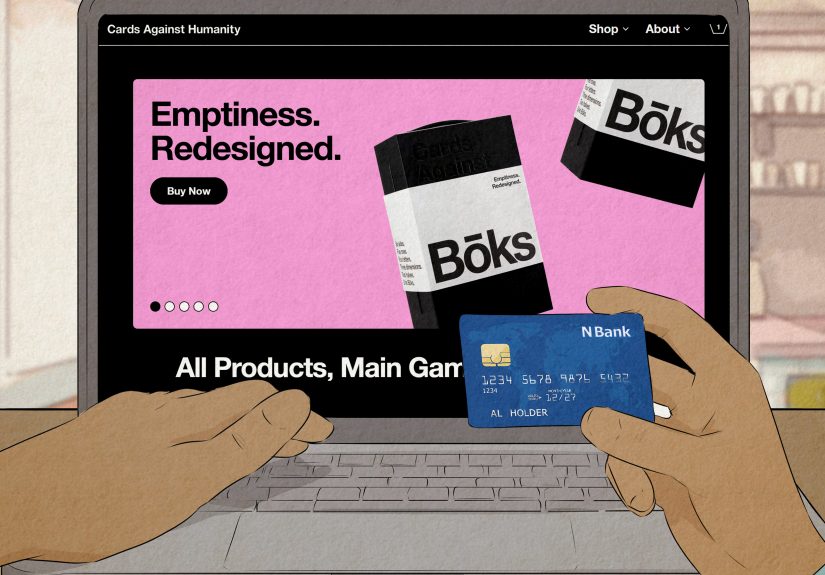
Cards Against Humanity is sold in many mainstream places, including the company’s own webstore and major retailers/marketplaces. When you stick to well-known retailers (and reputable sellers on big platforms), you reduce the risk of counterfeits dramatically.
Where Real Cards Against Humanity Is Typically Sold
The safest route is always the official store and known retailers. Cards Against Humanity publicly lists common online options and major retailers. If you’re shopping elsewhere, treat it like buying sushi from a gas station: technically possible, emotionally risky.
Safer buying options (lower counterfeit risk)
- The official Cards Against Humanity webstore
- Major retailers (big-box and reputable specialty stores)
- Well-known marketplaces when the seller is clearly reputable and return protection is strong
None of this means every third-party seller is a villain twirling a mustache over a laser printer. It just means you should assume extra risk when the supply chain is unclear.
Unboxing Inspection: Packaging Clues That Scream “Fake”
Counterfeits often fall apart under a close look. Start with the box, because fakes commonly cut corners here.
1) Print quality and alignment
Authentic sets tend to have crisp printingsharp edges on letters, consistent ink density, and clean alignment. Counterfeit boxes may have:
- Soft or blurry text (as if the printer needed glasses)
- Uneven black coloring or a “washed” look
- Off-center placement of logos or text
- Typos or odd punctuation
2) Box construction and finish
A real box generally feels sturdy and well-finished. A fake may feel thin, overly glossy, or poorly glued. Watch for corners that split easily, lids that don’t fit cleanly, or cardboard that feels like it’s auditioning for a cereal box role.
3) Barcode area and verification sticker (when applicable)
Cards Against Humanity has a verification page instructing customers to look for a “RealCodes.io” sticker near the barcode and enter the code to verify certain products. If your product has that sticker, use itthis is one of the strongest checks available.
Important nuance: not seeing a verification sticker does not automatically prove your set is fake (products, editions, and production runs can vary). Treat it as one data pointnot the whole verdict.
The Card Test: How Real vs Fake Feels in Your Hands
Counterfeit card stock and printing are where many fakes get exposed. You don’t need lab equipmentjust your senses and a little healthy suspicion.
1) Card stock thickness and stiffness
Authentic cards usually have a consistent thickness and stiffness throughout the deck. Counterfeits may be:
- Too thin: Flimsy, bendy, easy to crease
- Too stiff: Feels plasticky or oddly rigid, making shuffling awkward
- Inconsistent: Some cards thicker than others within the same deck
2) Surface finish (too slick, too chalky, or uneven)
Fakes may feel unusually slick (like laminated restaurant menus) or oddly dry/chalky. Uneven finish can also cause clumping when you shuffle.
3) Ink density and “true black”
On authentic black cards, the black background should look rich and consistent. On counterfeits, black may appear grayish, streaky, or patchy. Also inspect the white text: it should be crisp, not fuzzy or bleeding.
4) Text alignment and spacing
Community discussions about counterfeit CAH frequently mention subtle layout differences: text that sits too high/low, inconsistent spacing, or printing that looks “almost right” but not quite. If you can compare with a known authentic deck, do ittiny alignment differences become obvious fast.
5) Edge cut and corners
Look at the corners and edges of the cards. Counterfeits may have rougher cuts, inconsistent rounding, or edges that fray quickly.
Verification: Use the Official Code Check When You Can
If your Cards Against Humanity product includes the RealCodes sticker near the barcode, verify it on the official verification page. A valid code that verifies correctly is a strong indicator you have a legitimate product.
What if there’s no code sticker?
Don’t panic. Older sets, certain items, or different production runs may not show the same verification method. In that case, rely on:
- Where you purchased it (official store / major retailer vs unknown seller)
- Print quality and card feel
- Consistency across the deck (color, thickness, alignment)
- Return/refund protections from the marketplace
“Is This a Typo, or Is It Fake?” (A Surprisingly Common Question)
Here’s the tricky truth: a typo alone doesn’t automatically mean counterfeit. Legitimate products can have printing errorsespecially across large production volumes. Counterfeiters also make mistakes, but they’re not the only ones capable of an occasional oops.
Instead of using typos as your only clue, treat them like smokenot fire. Combine multiple signals: purchase source + packaging quality + card stock/finish + print sharpness + verification (if available).
Marketplace-Specific Tips (Amazon, eBay, Facebook Marketplace, Thrift Shops)
Amazon
Big marketplaces can be convenient, but the safest approach is still to buy from clearly reputable sellers and keep receipts. If anything looks offpackaging quality, card feel, missing componentsuse the return window immediately. Amazon also describes its anti-counterfeit efforts (like its Counterfeit Crimes Unit), but your best protection as a buyer is still vigilance and strong return policies.
eBay and resale platforms
Resale platforms can be great for discontinued packs, but they’re higher-risk for counterfeits. Look for sellers who show real photos of the exact item (not stock images), accept returns, and can explain where they sourced it.
Facebook Marketplace / local pickups
Local deals are where “too good to be true” thrives. If you can inspect before paying, do it: check print clarity, feel the cards, and look for obvious packaging issues.
Thrift shops and charity finds
These can be legitimate castoffsor they can be where counterfeits go to retire. If you buy used, assume you’ll need to do a thorough inspection at home and accept that returns may be impossible.
If You Think You Bought a Fake: What to Do Next
You’ve got two goals: (1) get your money back, and (2) help stop the counterfeit supply chain from hitting the next buyer.
Step-by-step action plan
- Document everything: Take photos of the box, barcode area, any verification sticker, and clear close-ups of printing problems.
- Compare quickly: If you have access to a known authentic deck, compare card thickness, black ink density, and text alignment.
- Attempt verification (if applicable): Use the official code verification process when a RealCodes sticker exists.
- Request a refund: Use the marketplace/retailer return process. Be factual: “print quality and card stock inconsistent; suspect counterfeit.”
- Report the seller/listing: Use platform reporting tools so the listing can be investigated or removed.
- Escalate if needed: If the seller refuses and the platform doesn’t help, consider a payment dispute with your card issuer.
You can also report scams and suspicious shopping experiences to appropriate consumer channels. U.S. consumer agencies encourage reporting to help identify patterns and stop repeat offenders.
How to Avoid Counterfeit Games in the Future (Without Becoming a Paranoid Detective)
You don’t need a magnifying glass and a corkboard full of string. You just need habits:
- Buy from reputable sources (official store and major retailers when possible).
- Be skeptical of extreme discounts on popular products.
- Check URLs and site quality before entering payment details.
- Use secure payment methods that offer buyer protection.
- Read reviews intelligently (look for detailed, specific buyer photos and consistent feedback patterns).
- Open and inspect immediately so you don’t miss return windows.
FAQ: Quick Answers About Counterfeit Cards Against Humanity
Is “Sold as New” always safe?
Safer, not perfect. “New” can still be counterfeit if the supply chain is unclear. Your best defense is buying from reputable sellers and inspecting immediately.
Do all authentic products have a RealCodes sticker?
Some products include a RealCodes.io sticker near the barcode and can be verified via the official verification page. But absence of a sticker isn’t a guaranteed “fake” verdictuse multiple checks.
Can a fake deck have the correct cards inside?
Yes. Counterfeiters often copy card text. The giveaway is frequently the materials and print quality: card stock, ink density, alignment, and finish.
What’s the #1 sign of a counterfeit set?
The strongest single clue is usually a combination: suspiciously low price + unclear seller + low-quality printing/card stock. One clue is a hint; three clues is a pattern.
Real-World Experiences (Composite Stories) to Help You Spot a Fake Faster
The following experiences are composites based on common buyer scenarios and the kinds of patterns people report when they run into counterfeit party games. Think of them as “what it tends to look like in the wild,” so you can recognize the vibe before it recognizes your credit card.
Experience #1: “It Was Half PriceHow Lucky Am I?”
A buyer sees a listing for a “brand new” Cards Against Humanity set at a deep discount. The photos look fine, the description is short, and the seller’s name is a string of letters that sounds like a Wi-Fi password. The deck arrives fast, but the box black looks slightly fadedmore “charcoal hoodie” than “deep black.” The cards shuffle strangely: they either clump like damp napkins or slide like they’re coated in invisible cooking spray. The buyer shrugs… until the ink starts to look fuzzy and the white cards vary in shade. The lesson: the deal was the warning label.
Experience #2: “It’s a Gift, So I Feel Bad Questioning It”
Someone receives the game as a gift from a well-meaning friend who grabbed it from an unfamiliar website after seeing a social media ad. The packaging looks nearly identical to what you’d expect, but up close the text edges aren’t crisp. The lid doesn’t fit quite right. The cards feel unusually thin, and after one game night, corners start to look rough. The buyer feels awkward raising the issueuntil they realize this is exactly how counterfeiters win: by making you feel rude for noticing. The lesson: checking authenticity isn’t ungrateful; it’s practical.
Experience #3: “The Listing Said ‘Official’… But the Product Didn’t”
A buyer orders from a large marketplace and assumes the word “official” in the title means something. The set arrives in shrink wrap, but the shrink wrap looks overly tight and cheap, like it was sealed in someone’s garage. When opened, the black cards look slightly uneven in tone. The text alignment is just a hair off compared to a friend’s known real set not dramatically wrong, just enough to make your brain itch. The buyer initiates a return right away and reports the listing. The lesson: on marketplaces, words don’t verify productsinspection does.
Experience #4: “The Thrift Store Treasure”
A thrift shop find is either a triumph or a trap. The buyer finds a box that looks legit and pays a few bucks. At home, they notice the box print is a little soft and the black background isn’t as rich as expected. The cards feel oddly stiff, like they’re fighting the concept of being shuffled. There’s no obvious way to confirm where it came from, and returns aren’t possible. The buyer keeps it as a “beater deck” but decides future purchases will come from reputable channels. The lesson: used finds can be fun, but they’re the highest-risk categoryassume you’ll need to do extra checks.
Across these scenarios, the pattern is consistent: counterfeits often reveal themselves through quality more than content. People usually notice weird shuffling, inconsistent card feel, fuzzy printing, or box construction issues long before they notice a specific “wrong” card. If you remember one thing, remember this: a real Cards Against Humanity set is designed to insult your friends, not your senses.
Wrap-Up: Trust the Pattern, Not a Single Clue
Spotting a counterfeit Cards Against Humanity set is less about finding one magic “gotcha” and more about building a case from multiple clues: purchase source, price, packaging quality, card stock consistency, print sharpness, and verification when available. When several red flags stack up, trust the patternand use refunds and reporting tools to protect yourself and other buyers.