Table of Contents >> Show >> Hide
- What Is a Cortisol Urine Test?
- Purpose of a Cortisol Urine Test
- Types of Cortisol Urine Tests
- How to Prepare for the Test
- How the 24-Hour Collection Works
- How Results Are Interpreted
- What Can Affect Cortisol Urine Test Results?
- Cortisol Urine Test vs. Blood and Saliva Tests
- What Happens After an Abnormal Result?
- Common Questions About the Cortisol Urine Test
- Real-World Experiences: What People Often Notice During a Cortisol Urine Test
- Final Takeaway
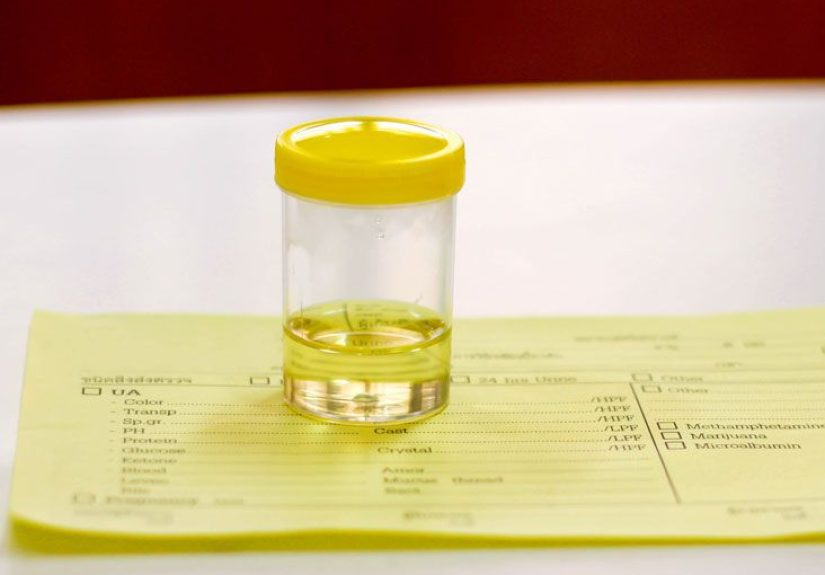
Nobody wakes up and says, “You know what would make today special? Carrying a giant urine container around for 24 hours.” And yet, the cortisol urine test is one of the most useful tools doctors have when they need a bigger-picture view of how your body is making cortisol.
Cortisol is the hormone your body releases to help manage stress, blood pressure, metabolism, inflammation, and your sleep-wake rhythm. It is made by the adrenal glands, which sit on top of your kidneys like two tiny managers who never really clock out. Because cortisol levels rise and fall throughout the day, a single blood sample can sometimes miss the full story. That is where a 24-hour urine cortisol test, also called a urinary free cortisol test, becomes especially helpful.
This article explains what the test is, why doctors order it, the main types of urine cortisol testing, how results are interpreted, and what the experience is really like for people who go through it. If you have been told to do one, consider this your no-panic, no-jargon guide.
What Is a Cortisol Urine Test?
A cortisol urine test measures the amount of free cortisol that leaves your body in urine, usually over a full 24-hour period. “Free” cortisol matters because it is the unbound, biologically active form of the hormone. In practical terms, the test helps estimate how much cortisol your body has been producing across an entire day instead of during one short snapshot in time.
This makes the test especially useful when doctors suspect high cortisol levels, such as in Cushing syndrome. Cortisol normally follows a daily rhythm, with higher levels in the morning and lower levels later at night. A 24-hour collection smooths out those ups and downs and gives a more complete view of total cortisol output.
Purpose of a Cortisol Urine Test
The most common purpose of a cortisol urine test is to help look for hypercortisolism, meaning the body is making too much cortisol. Doctors may order it if someone has symptoms such as:
- Unexpected weight gain, especially around the abdomen and upper back
- A rounded face
- Purple stretch marks
- Easy bruising
- Muscle weakness
- High blood pressure or high blood sugar that is hard to explain
- Irregular periods or excess facial hair in women
- Mood changes, poor sleep, or unusual fatigue
Doctors may also use urine cortisol testing to:
- Follow up on an abnormal blood or saliva cortisol test
- Help confirm suspected Cushing syndrome
- Monitor some patients after treatment for cortisol excess
- Evaluate unusual cortisol metabolism in more specialized cases
One important caveat: a urine cortisol test is generally far more useful for high cortisol than for low cortisol. If a doctor is worried about adrenal insufficiency or Addison’s disease, blood testing and ACTH stimulation testing are usually more informative than a urine cortisol result.
Types of Cortisol Urine Tests
1. 24-Hour Urinary Free Cortisol (UFC)
This is the classic and most commonly ordered version. You collect all urine produced over a 24-hour period, and the lab measures how much free cortisol is present. If someone says “cortisol urine test,” this is usually what they mean.
It is widely used as an initial screening test for suspected Cushing syndrome. Because the test depends on a full 24-hour collection, accuracy can drop if samples are missed, spilled, or collected for the wrong amount of time.
2. 24-Hour Urine Cortisol With Creatinine
Some labs measure cortisol along with creatinine, a normal waste product. Why add creatinine? Because it helps the lab judge whether the sample looks complete and reasonably concentrated. In plain English, it is a built-in reality check. If cortisol is measured without context, the result can be harder to trust.
3. Urine Cortisol/Cortisone Testing
More specialized labs may measure both cortisol and cortisone in urine. This is not the everyday screening test most people get, but it can help in selected endocrine cases, including unusual cortisol metabolism or rare enzyme-related disorders. It may also be used in specialized workups when clinicians want more detail than a basic urinary free cortisol result can provide.
4. Random Urine Cortisol
A random urine cortisol sample is much less useful than a properly collected 24-hour sample. Since cortisol changes throughout the day, a one-off urine result can be misleading. That is why most endocrinologists prefer a complete 24-hour urine collection when evaluating cortisol excess.
How to Prepare for the Test
Preparation is not terribly complicated, but it does matter. Your clinician may ask you to avoid vigorous exercise the day before the test. You may also be told to discuss or temporarily stop certain medicines that can affect results. These can include:
- Estrogen-containing medications
- Synthetic glucocorticoids such as hydrocortisone, prednisone, or prednisolone
- Some anti-seizure medications
- Androgens
Do not stop prescription medicines on your own. That is a fast lane to confusion and bad results. Always follow your clinician’s instructions, since the goal is not just to finish the test but to make the result meaningful.
How the 24-Hour Collection Works
The collection process sounds intimidating, but it is mostly a scheduling exercise with a large container. Here is the usual routine:
- Choose a start time, often in the morning.
- Urinate once at the start time and discard that first sample.
- After that, collect all urine for the next 24 hours.
- At the exact end time the next day, collect one final sample and add it to the container.
- Keep the container refrigerated or otherwise stored as instructed by the lab.
- Return it promptly.
If you forget one bathroom trip, the collection may be incomplete and the result may become less reliable. That is the annoying part. The test is simple, but it rewards precision. Endocrinology has a way of turning “just pee in a container” into a test of personal logistics.
How Results Are Interpreted
This is the part everyone cares about. The short version is that normal ranges vary by laboratory, testing method, age, sex, and sometimes pregnancy status. So there is no single magic number that fits everyone.
In general:
| Result Pattern | What It May Suggest | What Usually Happens Next |
|---|---|---|
| Within the lab’s reference range | Excess cortisol is less likely, though not always ruled out if symptoms are strong | Doctor may repeat testing or use saliva or dexamethasone testing if suspicion remains high |
| Mildly elevated | Possible cortisol excess, incomplete collection issues, medication effect, stress-related elevation, depression, alcohol-related effect, or pregnancy-related change | Repeat testing and compare with other cortisol tests |
| Clearly elevated | Raises concern for Cushing syndrome or another cause of cortisol excess | Further endocrine workup, often including ACTH, dexamethasone suppression testing, late-night salivary cortisol, and sometimes imaging |
| Low or low-normal | Usually not the best standalone clue for adrenal insufficiency | Doctor may order morning blood cortisol and ACTH stimulation testing instead |
Some laboratories note that many patients with confirmed Cushing syndrome have urinary free cortisol results well above the normal range, sometimes greater than 100 micrograms in 24 hours, but there is still no single cutoff that safely diagnoses everyone. That is why doctors do not make major decisions from one number alone.
Another wrinkle: cortisol production can vary from day to day. So if your symptoms strongly suggest cortisol excess, your doctor may repeat the 24-hour urine test more than once. This is not your doctor being indecisive. It is your doctor respecting biology, which is often less tidy than a spreadsheet.
What Can Affect Cortisol Urine Test Results?
Several factors can push results up or down or make them harder to interpret:
- Incomplete urine collection: The biggest problem and the most common reason a result is less useful.
- Collection longer than 24 hours: This can falsely raise the value.
- Medications: Estrogens, glucocorticoids, anti-seizure drugs, and some hormone-related medicines can interfere.
- Vigorous exercise: May temporarily affect cortisol output.
- Acute stress, illness, hospitalization, or surgery: Can raise cortisol and muddy the picture.
- Depression and heavy alcohol use: May create a “pseudo-Cushing” pattern in some people.
- Pregnancy: Urinary cortisol can be higher than usual.
This is exactly why endocrine testing often feels like detective work. The lab result matters, but the context matters just as much.
Cortisol Urine Test vs. Blood and Saliva Tests
Doctors do not choose among cortisol tests at random. Each has a job.
Urine cortisol test
Best for estimating total free cortisol production across a full day. Useful for screening for Cushing syndrome.
Blood cortisol test
Useful when timing matters, such as checking morning cortisol. Often used in workups for adrenal insufficiency.
Late-night salivary cortisol
Helpful because cortisol should be low late at night. If it is not, that can point toward abnormal cortisol regulation.
Dexamethasone suppression test
This test checks whether cortisol production can be appropriately suppressed. It is another common tool when doctors suspect cortisol excess.
In real-life practice, endocrinologists often combine these tests instead of relying on only one. When the body’s hormone system gets weird, a second angle is usually a smart move.
What Happens After an Abnormal Result?
If your cortisol urine test results come back abnormal, the next step is usually not immediate treatment. First comes confirmation and clarification.
Your doctor may order:
- A repeat 24-hour urine free cortisol test
- Late-night salivary cortisol
- A low-dose dexamethasone suppression test
- Blood ACTH testing
- Imaging such as a pituitary MRI or adrenal CT scan, but usually only after biochemical testing supports the diagnosis
This sequence matters. Imaging without good hormone evidence can lead to confusing incidental findings. Bodies love random harmless nodules. Endocrine workups are careful precisely because they try to avoid chasing the wrong thing.
Common Questions About the Cortisol Urine Test
Is the test painful?
No. The test involves normal urination only. The hardest part is staying organized for 24 hours.
Can I work or go to school during the test?
Usually yes, but it is easier on a less chaotic day. If you are constantly away from a private bathroom, planning ahead helps a lot.
Can one abnormal result diagnose Cushing syndrome?
Usually no. Doctors often confirm with repeat testing or another type of cortisol test.
What if I miss one sample?
Tell the lab or your doctor. An incomplete collection can make the result unreliable, and repeating the test may be better than guessing.
Real-World Experiences: What People Often Notice During a Cortisol Urine Test
While each person’s medical story is different, many people describe the 24-hour urine cortisol test in surprisingly similar ways. First comes confusion. Someone hears “urine hormone test” and imagines a quick trip to the lab, not a full-day commitment involving a giant collection jug and a sudden need for scheduling discipline. Then comes the second realization: this test is simple, but it is not casual.
Many patients say the biggest challenge is not the collection itself but building an entire day around it. They pick a day when they will be home, or at least when their routine is predictable. Parents often choose a weekend. Office workers try for a work-from-home day. Students may time it around a lighter schedule. The test quickly becomes a logistical puzzle: where do I store the container, how do I remember every trip to the bathroom, and how do I explain to my household that the mysterious jug in the fridge is definitely not lemonade?
People also talk about the emotional side. Some are doing the test after months of unexplained symptoms like weight gain, acne, high blood pressure, fatigue, or mood shifts. For them, the urine collection can feel oddly hopeful. It is not glamorous, but it feels like progress. It is evidence that someone is finally taking their symptoms seriously. Others feel anxious because they are worried about what the result could mean. A test for possible Cushing syndrome sounds intimidating, even before anyone explains the endocrine fine print.
Another common experience is the temptation to treat the process casually. People think, “I’ll definitely remember every sample.” Then real life happens. A rushed morning, a phone call, a kid needing help, an errand that takes longer than expected. That is why many patients say the smartest move is to act like the collection is an event. They set phone alarms, write notes, keep the container in a visible place, and even tell family members, “Please do not move this important science project.”
After the test, many people expect the results to deliver instant clarity. Sometimes they do. But often the result is just one piece of the puzzle. That can be frustrating. A mildly abnormal value may lead to more testing rather than a clean answer. Still, people who go through a cortisol workup often say that understanding the process helps. Once they know that hormone testing is about patterns, timing, and confirmation, the extra steps feel less like backtracking and more like good medicine.
In other words, the experience of a cortisol urine test is usually equal parts inconvenience, curiosity, and relief. Inconvenience because carrying around a collection container is, objectively, not anyone’s best day. Curiosity because people finally get a closer look at what their hormones may be doing. Relief because even when the test raises new questions, it moves the conversation forward. And in medicine, forward counts.
Final Takeaway
The cortisol urine test is a valuable tool for measuring urinary free cortisol over a full day, especially when doctors are checking for Cushing syndrome or another cause of high cortisol levels. Its biggest strength is that it captures total daily cortisol output rather than one moment in time. Its biggest weakness is that it depends on careful collection and smart interpretation.
If your doctor orders a 24-hour urine cortisol test, the best thing you can do is follow the instructions closely and tell your care team about medications, missed samples, recent illness, pregnancy, or anything else that could affect the result. One number rarely tells the whole story, but a well-done test can be a very strong clue.
And yes, it is a little awkward. But so are many worthwhile things in medicine. Fortunately, this one usually lasts only 24 hours.