Table of Contents >> Show >> Hide
- What Is Congenital Hip Dislocation?
- What Causes Congenital Hip Dislocation?
- Symptoms of Congenital Hip Dislocation
- How Doctors Diagnose Congenital Hip Dislocation
- Why Early Diagnosis Matters
- Common Myths About Congenital Hip Dislocation
- Experiences Families Often Have With Congenital Hip Dislocation
- Final Thoughts
- SEO Tags
Some medical conditions arrive with a dramatic name, and congenital hip dislocation definitely understood the assignment. It sounds like something that should come with flashing lights and a movie trailer voice-over. In real life, though, it is usually quieter than that. A baby may look perfectly comfortable, feed normally, nap like a tiny champion, and still have a hip joint that is developing in an unstable way.
Today, many doctors prefer the term developmental dysplasia of the hip (DDH) instead of the older phrase congenital hip dislocation. Why the updated wording? Because the condition exists on a spectrum. Some babies have a shallow hip socket. Some have a hip that slips in and out. Others have a true dislocation, where the ball of the hip joint is not sitting correctly in the socket. The newer term captures that whole range better.
For parents, the important takeaway is simple: this is a real, recognizable orthopedic condition, it can sometimes be subtle early on, and early diagnosis matters. The sooner it is identified, the better the chance the hip can develop normally. So let’s break down what congenital hip dislocation really is, what causes it, what symptoms to watch for, and how doctors diagnose it without turning the whole process into a medical mystery novel.
What Is Congenital Hip Dislocation?
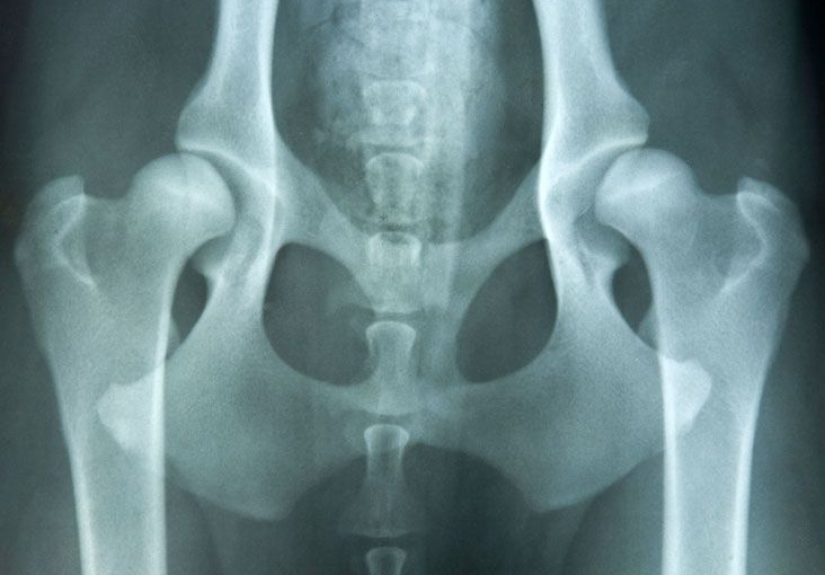
The hip is a classic ball-and-socket joint. The “ball” is the top of the femur, or thigh bone, and the “socket” is part of the pelvis called the acetabulum. In a healthy hip, the ball fits snugly inside the socket and moves smoothly.
In congenital hip dislocation, or DDH, that fit is off. The socket may be too shallow, the ligaments may be loose, or the ball may slide partly or completely out of place. That instability can affect one hip or both, although one side is often more noticeably involved.
This is not always a dramatic, obvious injury. In fact, it is usually not an injury at all. It is a developmental problem in how the hip joint forms before birth and during early infancy. That is why a baby can seem completely fine while the hip is quietly misbehaving behind the scenes.
Another important point for SEO and plain-English clarity: people often search for congenital hip dislocation, hip dysplasia in babies, dislocated hip at birth, or developmental dysplasia of the hip. These terms overlap, but medically, DDH is the broader and more current label.
What Causes Congenital Hip Dislocation?
There is no single cause that explains every case. Instead, congenital hip dislocation usually develops from a mix of inherited tendencies and mechanical factors that affect the baby’s position and hip stability.
1. Family history and genetics
If a parent or sibling had hip dysplasia, a baby’s risk goes up. That does not mean every child in the family will have it, but it does mean pediatricians pay closer attention. Genes can influence ligament laxity, joint shape, and how the hip develops during pregnancy and infancy.
2. Breech position
Breech presentation is one of the best-known risk factors. When a baby is positioned bottom-first instead of head-first late in pregnancy, extra pressure can be placed on the hips. That altered position can affect how the ball and socket line up. In other words, womb real estate matters, and breech babies sometimes get the less luxurious seating arrangement.
3. Limited room in the uterus
First pregnancies may carry a slightly higher risk because the uterus and abdominal wall may be tighter, leaving less room for free movement. Conditions that reduce fetal mobility can also play a role. The hip likes space to move and center itself; cramped conditions can make that harder.
4. Female sex
Girls are affected more often than boys. One explanation is that maternal hormones may increase ligament looseness in some babies, making the hip less stable. That does not mean boys are off the hook, only that girls appear to have higher odds overall.
5. Swaddling and postnatal positioning
After birth, tight swaddling that forces a baby’s legs straight down and together may increase hip stress. Hip-healthy positioning allows the hips and knees to bend naturally and spread apart. Think “room to froggy,” not “tiny burrito with locked knees.” That distinction matters more than it sounds.
6. Associated musculoskeletal conditions
Some babies with other positioning-related conditions, such as clubfoot or torticollis, may also have a higher chance of hip dysplasia. That is one reason pediatricians often take a whole-body view instead of treating one finding in isolation.
Symptoms of Congenital Hip Dislocation
Here is where things get tricky: many babies with hip dysplasia do not seem uncomfortable. In infancy, the condition is often painless. That is why routine newborn and well-child exams are so important. Parents are not expected to diagnose this with superhero powers and a diaper change alone.
Symptoms in newborns and young infants
Early signs may include:
- One leg that seems shorter than the other
- One hip that does not open outward as far during diaper changes
- Uneven thigh or buttock skin folds
- A noticeable “clunk” or shift when the hip moves
- A hip that seems unstable during a doctor’s exam
Not every uneven skin fold means hip dysplasia. Babies are wonderfully squishy and rarely symmetrical in a way that would satisfy a geometry teacher. Still, when asymmetry appears along with limited motion or risk factors, it deserves attention.
Symptoms in older babies and toddlers
If the condition is missed early, signs may show up later when the child starts standing or walking. These can include:
- A limp or waddling gait
- Delayed or awkward walking
- A hip that seems stiff
- One leg turning outward more than the other
- Visible leg-length difference
Sometimes the child does not complain at all. The first clue is simply that their walking pattern looks a little off. Parents often describe it as “something just seems uneven,” which is vague, yes, but also surprisingly accurate.
Symptoms in adolescents and later childhood
When mild dysplasia goes undiagnosed, symptoms may not show up until later. Older children and teens may report hip, groin, or even knee pain, especially with activity. Some notice clicking, catching, limping, or fatigue after walking and sports. A condition that was silent in infancy can become much louder once the hip is asked to do years of work.
How Doctors Diagnose Congenital Hip Dislocation
Diagnosis combines a physical exam, a review of risk factors, and imaging when needed. It is not based on one random sign or one suspicious diaper moment. Doctors look at the whole picture.
Physical examination
Newborns are screened shortly after birth, and pediatricians continue checking the hips at routine well-child visits. During the exam, the doctor gently moves the hips to see whether the ball is stable in the socket.
Two classic exam maneuvers are the Barlow and Ortolani tests. These are not magic tricks, even though the names sound like they belong on a law firm sign or a detective show. They are specific maneuvers used to detect whether a hip can slip out of place or be guided back into position.
- Barlow test: checks whether the hip can be gently pushed out of the socket
- Ortolani test: checks whether a displaced hip can be felt moving back into place
As babies get older, those maneuvers become less useful because muscles tighten and the hip may no longer move in that same obvious way. At that stage, limited hip abduction, stiffness, limb-length difference, or gait changes may become more important clues.
Medical history and risk assessment
Doctors also ask about breech presentation, family history, first pregnancy, and related musculoskeletal issues. A baby with a normal-looking exam but strong risk factors may still need imaging. That is because not every case announces itself clearly on day one.
Ultrasound
For young infants, ultrasound is the preferred imaging test because much of the hip is still cartilage and does not show up well on X-rays. Ultrasound lets doctors see whether the femoral head is centered and how well the socket is forming.
In babies with risk factors but a normal exam, doctors may order a screening ultrasound several weeks after birth rather than immediately. That timing helps avoid overcalling mild newborn laxity that can settle on its own during the first weeks of life.
X-rays
Once the baby is older and more bone has developed, X-rays become more useful. Generally, this is after about four to six months of age, when the structures are easier to visualize on standard imaging. In older infants, toddlers, and children, X-rays often become the go-to diagnostic tool.
Referral to a specialist
If the exam is abnormal, the hip feels unstable, or imaging shows dysplasia, the child is usually referred to a pediatric orthopedic specialist. That specialist confirms the diagnosis, classifies the severity, and decides what follow-up or treatment is needed.
Diagnosis, then, is not one single moment. It is more like a sequence: risk factors, repeated exams, imaging at the right age, and expert review when something seems off.
Why Early Diagnosis Matters
When congenital hip dislocation is found early, the hip has a better chance to develop normally. That is the big headline. A stable ball-and-socket fit helps the socket deepen and shape itself the way it should. A hip that stays out of position can remain shallow, unstable, and more likely to cause problems later.
If diagnosis is delayed, the child may still do well, but management often becomes more complicated. Older children may need more involved interventions, and untreated dysplasia can increase the risk of pain, limping, and early arthritis later in life.
That is why screening matters even when a baby looks comfortable. Comfort is lovely. Comfort is not the same thing as normal hip anatomy.
Common Myths About Congenital Hip Dislocation
“My baby is not crying, so the hips must be fine.”
Not necessarily. Hip dysplasia is often painless in infancy.
“Uneven leg folds automatically mean hip dysplasia.”
Nope. Skin folds alone are not diagnostic. They can be a clue, but they are only part of the picture.
“If the newborn exam was normal, we are done forever.”
Also no. Some cases become more obvious later, which is why pediatricians keep checking during well visits.
“Only babies with a fully dislocated hip have a problem.”
Not true. A shallow socket or unstable hip can still matter, even if the ball is not completely dislocated.
Experiences Families Often Have With Congenital Hip Dislocation
For many families, the experience of congenital hip dislocation starts with surprise. Not panic, exactly, but surprise in the very specific form of, “Wait, what do you mean the hip might not be sitting right?” Most parents have heard of jaundice, colic, diaper rash, and the mysterious way socks vanish in the laundry. Hip dysplasia is often not on the early-parenthood bingo card.
One common experience is that the baby seems totally content. Feeding is fine. Sleep is as fine as newborn sleep ever gets, which is to say “chaotic but technically happening.” Then, during a routine exam, the pediatrician notices hip instability or reduced motion and recommends an ultrasound. That can feel strange because there may have been no obvious warning signs at home.
Another common family story involves diaper changes. A parent may notice that one leg does not open quite as far as the other, or that one thigh fold looks different. Sometimes a grandparent points it out. Sometimes a parent has a hunch but is not sure whether they are observing medicine or just overthinking at 2 a.m. In many cases, those observations turn out to be helpful pieces of the puzzle.
Families of breech babies often have a slightly different path. Even when the physical exam seems normal, they may be told their baby should still have follow-up imaging because breech position raises the risk. This can be reassuring and unnerving at the same time. Reassuring because someone is watching carefully. Unnerving because it means “everything looked okay” is not always the end of the story.
If a diagnosis is confirmed, parents often describe the next phase as a crash course in pediatric orthopedics. Suddenly there are new words to learn, new appointments to keep, and a lot of attention paid to how the hips sit during everyday care. Even before treatment decisions are discussed, families usually want answers to the same practical questions: Will my baby be in pain? Did I cause this? Will this affect walking? Is this fixable? Those are deeply human questions, and they deserve calm, clear answers.
One especially important emotional experience is guilt. Many parents wonder whether they swaddled too tightly, carried the baby the wrong way, or missed a sign. In most cases, congenital hip dislocation is not the result of a parent making some catastrophic mistake. It is a developmental condition with known risk factors, and the purpose of diagnosis is not blame. It is support, monitoring, and timely care.
In older babies and toddlers, families may describe the experience differently. They may say the child walked with a wobble, seemed to have one leg turn out, or developed a painless limp that just looked unusual. These late clues can be subtle enough that parents first hear, “Let’s keep an eye on it,” before imaging finally provides a clearer answer.
What many families share, no matter when the diagnosis happens, is relief once they understand what is going on. A label can be scary, but uncertainty is often scarier. When parents know what DDH is, what signs matter, and how doctors confirm it, the condition becomes less mysterious and more manageable. And in medicine, that shift from confusion to clarity is a pretty big deal.
Final Thoughts
Congenital hip dislocation, now more commonly called developmental dysplasia of the hip, is a condition in which the hip joint does not form or stay aligned normally. The causes are usually multifactorial, with family history, breech position, sex, uterine crowding, and early positioning all playing possible roles. Symptoms can be subtle in infancy and may not cause pain at first, which is why routine physical exams and age-appropriate imaging are so important.
For parents and caregivers, the smartest move is not to panic and not to ignore concerns. If a pediatrician spots instability, limited hip motion, or notable risk factors, follow-up matters. Early diagnosis gives the developing hip its best chance to grow into the stable, hardworking joint it was meant to be. And that is good news, because hips already do enough heavy lifting without needing extra drama from day one.