Table of Contents >> Show >> Hide
- The Detail That Got Everyone Talking
- Why Beth and Rip Were Always the Smart Bet
- What the Spinoff Means for the Franchise
- Texas Changes the Whole Game
- Who Is Coming Along for the Ride?
- Why Hauser’s Comment Was Better Than a Standard Promo Line
- What Fans Should Watch for Next
- The Fan Experience: Why This Story Hits Harder Than a Typical TV Update
- Conclusion
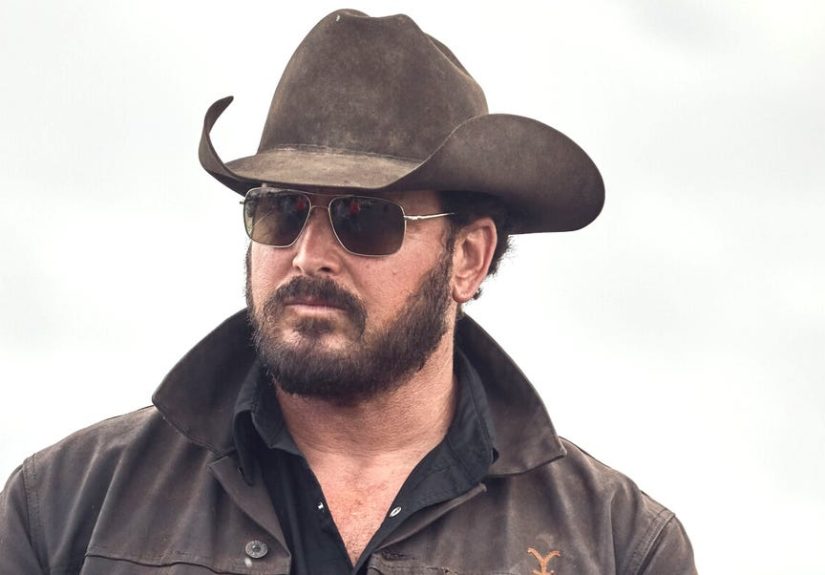
If there is one thing the Yellowstone universe does well, it is making drama feel like a full-time ranch job. Apparently, that rule now applies to the off-screen rollout too. The big twist around Cole Hauser’s next chapter as Rip Wheeler is not just that he is returning. Fans already suspected that part. The real eyebrow-raiser is the detail Hauser dropped when questions started swirling about the spinoff’s identity: the rumored title was not the real title. That tiny clarification instantly turned a standard franchise update into a full-blown fan detective mission.
And honestly, it was a pretty delicious twist. For months, viewers, trade reporters, and entertainment sites were all circling the same assumption about a Beth-and-Rip continuation. Then Hauser stepped in and essentially said, “Hold your horses.” Suddenly, the project looked less like a simple extension of Yellowstone and more like a carefully managed next era for two of the franchise’s most popular characters. In the end, the title story took another turn, but Hauser’s comment did exactly what a good teaser should do: it made people lean in closer.
That is why this “surprising new detail” matters more than it may seem at first glance. It was not just about what the show might be called. It was about tone, branding, audience expectation, and the bigger question hanging over the entire franchise: is this a true spinoff, or is it basically Yellowstone with a new ZIP code, a fresh rival, and the same gloriously combustible couple at the center?
The Detail That Got Everyone Talking
The headline-grabbing moment came when Cole Hauser pushed back on the rumored name Dutton Ranch. That alone was enough to set off a new wave of speculation, because by that point the title had already been floating around industry coverage and fan chatter. So when Hauser publicly rejected it, the implication was clear: either the project had evolved, or the franchise was being intentionally cagey about what it wanted the next chapter to feel like.
That is what made the reveal so interesting. Title disputes are not usually the sexiest part of television development. No one gathers around a campfire and says, “Tell me more about corporate naming strategy.” But in this case, the title question became a story because it touched the identity of the series itself. If the show was called Dutton Ranch, that suggested legacy, land, and a continued connection to the old world. If it was called something else, fans could reasonably assume a bigger tonal shiftmaybe a harder pivot into Texas, maybe a more intimate story about Beth and Rip building a life outside the original ranch’s shadow.
Then came the funny part: the franchise eventually rolled forward with Dutton Ranch as the official title anyway. So yes, the “surprising new detail” now reads like a two-step plot twist. First, Hauser said the name was wrong. Later, the marketplace got a version of the very title he had waved off. Whether that was a real change, a working-title shuffle, or simply a case of the studio keeping the branding fluid until the right moment, it created exactly the kind of buzz modern franchises crave.
In other words, before Beth could insult anybody and before Rip could glare at anybody, the spinoff already had a storyline: what, exactly, was this new show trying to be?
Why Beth and Rip Were Always the Smart Bet
Let’s be real: if any pair from Yellowstone was going to ride into a follow-up series, Beth Dutton and Rip Wheeler were the obvious choice. They are romantic, terrifying, loyal, chaotic, and weirdly sweet in a way that only makes sense in the rugged moral weather system Taylor Sheridan built. Beth can turn a room into a war zone with one sentence. Rip can make silence feel like a threat. Together, they are the franchise’s emotional flamethrower.
Their appeal has always come from contrast. Beth is all sharp corners, strategy, and emotional shrapnel. Rip is controlled force, the kind of guy who looks like he could calm a horse or bury a secret with equal efficiency. Viewers did not just watch them because they were dramatic. They watched because the relationship felt earned. Beneath the violence, vendettas, and whiskey-soaked monologues, there was something dependable there. In the wild ecosystem of Yellowstone, Beth and Rip were somehow both the most unstable couple and the most solid one. Quite an achievement, really.
So when talk of a spinoff gained traction, fans were not asking whether Beth and Rip could carry a show. They were asking how soon. The original series spent years building their chemistry, trauma, loyalty, and shared history. A continuation built around them is not some random franchise cash grab stapled together in a panic. It is a logical business move and a logical storytelling move. These characters already come with audience investment, built-in tension, and enough emotional baggage to fill a freight train.
Hauser’s title tease only added fuel to that interest because it suggested the creative team understood something important: Beth and Rip cannot simply be repackaged. Their next chapter has to feel intentional. It has to honor the old show without becoming a dusty rerun in nicer boots.
What the Spinoff Means for the Franchise
On paper, the new series sounds like exactly the kind of sequel-franchise move executives love: familiar stars, familiar tone, new terrain, new enemies. But for the Yellowstone brand, it also solves a bigger challenge. The original flagship may have ended, but the appetite for this world clearly did not. Audiences did not just show up for the ranch itself. They showed up for power struggles, family mythology, land politics, frontier-style capitalism, and characters who behave like they are one bad morning away from starting a minor civil war.
A Beth-and-Rip continuation keeps that energy alive while freeing the franchise from the original ranch’s central burden. That matters. The old show revolved around defending a specific piece of land and a family legacy tied to it. Once that story reached its endpoint, the universe needed a new engine. Moving Beth and Rip into a new setting gives the franchise more than scenery. It gives it oxygen.
The shift also helps reframe the series from inheritance drama to survival drama. Beth and Rip are no longer just defending what John Dutton built. They are trying to build something of their own. That is a much more flexible long-term premise. It allows the series to stay emotionally connected to Yellowstone while avoiding the trap of endlessly re-litigating the same family conflicts. In plain English: it lets the franchise keep the steak without reheating the potatoes for the ninth time.
This is where Hauser’s reveal becomes especially useful as a storytelling clue. By resisting the early title talk, he hinted that the series should not be reduced to a label too quickly. The audience may see Beth and Rip and assume the show will feel exactly like old-school Yellowstone. But every official detail that followed pointed to something a little different: a harsher, more isolated chapter in a new environment, with a rival ranch, tougher realities, and a couple trying to turn scorched-earth chemistry into an actual future.
Texas Changes the Whole Game
One of the most important details about the new show is the setting. Moving the story toward Texas is not just a postcard change. It changes the mood, the power structure, and the visual identity of the franchise. Montana in Yellowstone felt like mythology in landscape formwide, cold, majestic, and constantly under threat. Texas brings a different cultural charge. It is still ranch country, but it carries a different swagger, a different business rhythm, and a different social texture.
That matters because Beth and Rip are characters who thrive on friction. Put them in a place where they are not the natural center of power, and suddenly the story gets more interesting. In Montana, viewers understood the rules, the grudges, and the hierarchy. In Texas, Beth and Rip may still be dangerous, but they are not necessarily in control. That creates fresh dramatic pressure without requiring the characters to become strangers to themselves.
The Texas backdrop also lets the show lean into a classic Western idea: reinvention at a cost. Beth and Rip are not moving into a peaceful retirement fantasy where they sip coffee on a porch and discuss tasteful curtain fabrics. That would last approximately eleven minutes before somebody got threatened. Instead, the move appears designed to test whether these two can create stability without losing the fierce identity that made them compelling in the first place.
And that is exactly the kind of question a sequel should ask. Not “Can these characters still do the old tricks?” but “What happens when the old tricks are no longer enough?”
Who Is Coming Along for the Ride?
Another reason the spinoff has generated such strong curiosity is that it is not just Beth and Rip in a vacuum. Carter remains a crucial piece of the equation, which gives the series a built-in emotional stake beyond land battles and rivalries. If Yellowstone often used family as a battlefield, this new chapter has the chance to show family as a construction projectmessy, fragile, improvised, and one bad decision away from collapse. So, basically, still very on-brand.
That Carter element matters because it shifts Beth and Rip from surviving for each other to building for someone else too. It creates room for growth without softening them into blandness. Beth is never going to transform into a scrapbook-loving lifestyle influencer, and Rip is not about to become a TED Talk on emotional vulnerability. But their relationship to Carter can deepen the story in a way that feels organic rather than sentimental.
The expanded cast also signals ambition. Bringing in heavyweight talent around the central duo suggests the series is being positioned as a major event within the franchise, not a sidecar project. That supports the theory many fans already hold: this is less a small spinoff and more a continuation with a slightly different saddle.
Why Hauser’s Comment Was Better Than a Standard Promo Line
Celebrity interviews are usually built from polished talking points, half-reveals, and vague promises about how “fans are going to love what’s coming.” Hauser’s comment worked because it felt unexpectedly specific. By rejecting the rumored title, he gave the audience something concrete to chew on. It was not a giant spoiler, but it was not empty fluff either. It felt like a real detail, and that made people pay attention.
It also helped frame Hauser as more than a cast member simply showing up to promote a product. He sounded invested in protecting the identity of the project. For a fandom that watches these shows with near-sports-level intensity, that kind of detail matters. Fans want to believe the people making the series care about the difference between a lazy extension and a worthy continuation.
Ironically, the later official use of Dutton Ranch did not erase that impact. It actually made the whole rollout more memorable. Fans got confusion, correction, mystery, and eventual confirmation. In a crowded TV market, that kind of evolving narrative can be more effective than one flat announcement. The project did not just arrive. It arrived with its own mini-legend.
What Fans Should Watch for Next
The biggest question is not whether Beth and Rip can still command attention. Of course they can. The more interesting question is whether the new series can strike the same balance that made them work before: emotional sincerity wrapped in barbed wire. If the show leans too heavily on nostalgia, it risks feeling like a tribute act. If it swings too far into reinvention, it risks losing the DNA fans actually came for.
The sweet spot is clear. Keep the danger. Keep the chemistry. Keep the crackling dialogue and the sense that every handshake could become a feud. But add enough new context to make Beth and Rip feel like people moving forward rather than characters trapped in a franchise museum.
That is why Hauser’s early reveal still matters in hindsight. It prepared fans to think of this series as something more nuanced than a simple label. Whether the title changed, reverted, or was misunderstood along the way, the larger message was the same: this next chapter was being shaped carefully. And in a television universe built on loyalty, bloodlines, and battles over identity, that kind of care is not a minor production detail. It is the whole game.
The Fan Experience: Why This Story Hits Harder Than a Typical TV Update
For longtime viewers, the excitement around Cole Hauser’s spinoff detail is not just about industry news. It is about emotional continuity. Fans spent years watching Beth and Rip survive the kind of romantic obstacles that would make most couples quietly decide to start over with different hobbies and less homicide-adjacent stress. They were not a neat love story. They were a bruised, stubborn, oddly poetic one. So when Hauser opened the door to a new chapter, people did not hear “more content.” They heard “the story is not over.”
That feeling matters because Yellowstone was never only about plot. Yes, the show delivered betrayals, murders, land wars, and enough family dysfunction to keep several therapists employed for life. But it also created a ritual experience for viewers. Sunday nights became appointment television. Fans debated who was right, who was reckless, who deserved revenge, and whether Beth’s next verbal takedown should come with a fire extinguisher. Watching the show became a social habit. It gave audiences a shared language.
That is exactly why the spinoff detail landed with such force. In franchise terms, a title update is small. In fan terms, it is personal. It signals whether the new series understands what people loved about the old one. A title can sound corporate, emotional, epic, intimate, or generic. Fans know that. They listen for clues in the smallest remarks because they are trying to predict whether the next chapter will protect the original feeling.
There is also something deeply satisfying about seeing Beth and Rip move from survival mode into legacy mode. On the flagship series, they were often fighting for space inside someone else’s empire. In the new show, the promise is different. The question is no longer just whether they can hold the line. It is whether they can build something that is truly theirs. That shift mirrors what many viewers want from a sequel. Not repetition. Progress with scars still visible.
And then there is the simple pleasure of anticipation. Following a show like this is half story, half speculation. Fans read teaser headlines, examine cast additions, decode trailer imagery, and argue over whether a working title means anything or everything. It is part entertainment, part sport, part group project conducted by people who definitely have strong opinions about ranch governance. Hauser’s comment fed that experience beautifully because it gave fans a mystery without shutting down their enthusiasm.
In the end, that may be the real reason this detail resonated. It reminded audiences that the Yellowstone universe still knows how to create tension before the opening credits even roll. For viewers, that feels familiar in the best way. The land may change. The title may wobble. The enemies may be new. But the electricity is still there. And if the upcoming series can capture that same sense of danger, loyalty, and emotional heat, then Beth and Rip will not just be returning. They will be proving that some television couples do not fade out. They reload.
Conclusion
Cole Hauser’s surprising new Yellowstone spinoff detail did more than stir up title chatter. It gave fans a first glimpse at how carefully this next chapter was being positioned. The confusion over Dutton Ranch turned out to be more than trivia. It became a symbol of transition: from flagship hit to next-generation continuation, from Montana legacy to Texas survival, and from family inheritance to Beth-and-Rip self-definition.
For fans, that is encouraging news. It suggests the franchise understands the assignment. People are not showing up just to revisit old branding. They are showing up for characters they still care about, in a story that feels like it has somewhere new to go. If the final series delivers on that promise, Hauser’s little title bombshell may end up looking like the perfect opening move.