Table of Contents >> Show >> Hide
- What Makes a Peach Cobbler “Classic”?
- Classic Peach Cobbler Recipe
- Best Peaches for Peach Cobbler
- Why This Recipe Works So Well
- Tips for a Perfect Classic Peach Cobbler
- Common Mistakes to Avoid
- How to Serve Peach Cobbler
- How to Store and Reheat It
- A Few Sweet Experiences With Classic Peach Cobbler
- Conclusion
There are desserts that politely end a meal, and then there is peach cobbler, which bursts through the kitchen door wearing summer perfume and demanding a scoop of vanilla ice cream. A classic peach cobbler recipe is one of those old-school American desserts that feels both humble and heroic. It is simple enough for a weeknight, charming enough for a cookout, and comforting enough to make people hover near the baking dish with a spoon and suspiciously innocent expressions.
This version keeps the soul of a traditional peach cobbler while making the process clear, practical, and thoroughly worth turning on the oven for. The filling is juicy, bright, and not cloyingly sweet. The topping is golden, tender, and biscuit-like, with just enough crispness around the edges to make you “accidentally” scrape the corners first. If you have ever wanted a dessert that tastes like sunshine, nostalgia, and excellent decision-making, this is it.
What Makes a Peach Cobbler “Classic”?
A classic peach cobbler usually comes down to two essentials: sweet peaches and a rustic baked topping. Unlike a pie, a cobbler is not fussy. There is no bottom crust to roll, no pastry drama, and no need to pretend you enjoy crimping edges after a long day. Instead, the fruit goes into the baking dish first, and the topping is spooned, dropped, or spread over the top before baking.
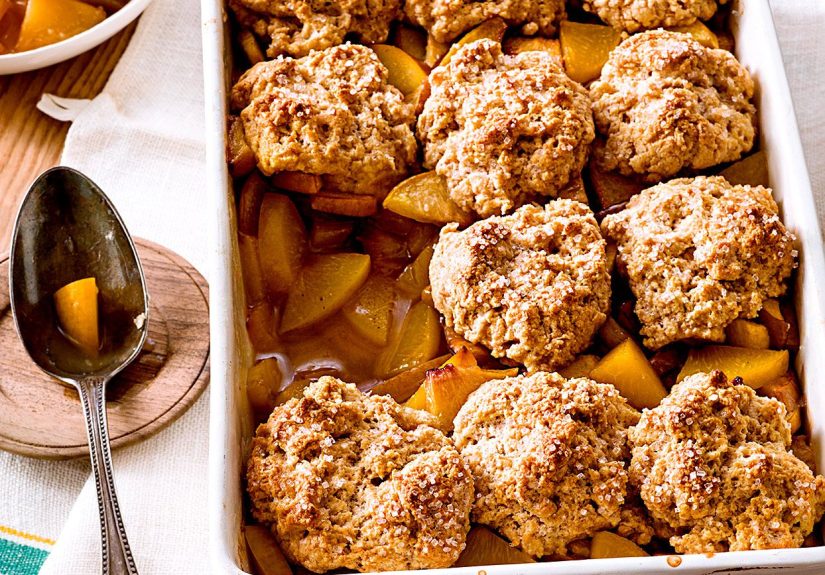
There are a few classic styles in the cobbler universe. Some versions use a cake-like batter that rises around the fruit as it bakes. Others lean into a biscuit topping that sits on top of the peaches in rustic mounds. Both are beloved, but for this article, we are going with the biscuit-style version because it gives you the best contrast: soft, syrupy peaches underneath and a tender, buttery top with a beautifully craggy finish.
The result is not overly polished, and that is exactly the point. A cobbler should look homemade. It should smell like butter and fruit and cinnamon. It should bubble at the edges like it has exciting news to share. And most importantly, it should taste like peaches are having the best day of their lives.
Classic Peach Cobbler Recipe
Prep time: 20 minutes
Bake time: 45 to 50 minutes
Total time: About 1 hour 10 minutes
Yield: 8 servings
Ingredients for the Peach Filling
- 6 to 8 ripe peaches, peeled, pitted, and sliced (about 6 cups)
- 3/4 cup granulated sugar
- 2 tablespoons cornstarch
- 1 tablespoon fresh lemon juice
- 1 teaspoon vanilla extract
- 1/2 teaspoon ground cinnamon
- 1/8 teaspoon ground nutmeg
- 1/4 teaspoon kosher salt
- 1 tablespoon unsalted butter, cut into small pieces
Ingredients for the Cobbler Topping
- 1 1/4 cups all-purpose flour
- 1/4 cup granulated sugar
- 1 1/2 teaspoons baking powder
- 1/4 teaspoon kosher salt
- 6 tablespoons cold unsalted butter, cut into small cubes
- 1/2 cup buttermilk
- 1 teaspoon vanilla extract
- 1 tablespoon coarse sugar, optional, for topping
How to Make It
- Preheat the oven. Set your oven to 375°F. Lightly butter a 9-by-13-inch baking dish or a similar 2 1/2- to 3-quart baking dish.
- Prepare the peaches. In a large bowl, combine the sliced peaches, granulated sugar, cornstarch, lemon juice, vanilla extract, cinnamon, nutmeg, and salt. Toss everything gently until the peaches are well coated. Transfer the mixture to the prepared baking dish and dot the top with the tablespoon of butter.
- Make the topping. In a medium bowl, whisk together the flour, sugar, baking powder, and salt. Add the cold butter and cut it into the flour mixture with a pastry cutter, fork, or your fingertips until the mixture looks like coarse crumbs with some pea-sized bits of butter still visible. Stir together the buttermilk and vanilla, then pour it into the dry ingredients. Mix just until combined. The dough should look shaggy. If it looks perfectly smooth, you have gone too far and your cobbler topping may retaliate by becoming dense.
- Top the cobbler. Drop spoonfuls of the dough over the peach filling. Do not worry about covering every inch. Those little gaps are where the peach filling can bubble up and become irresistible. Sprinkle the coarse sugar on top if using.
- Bake. Bake for 45 to 50 minutes, or until the topping is golden brown and the peach juices are bubbling around the edges. If the top starts browning too quickly, loosely tent it with foil during the last 10 minutes.
- Cool slightly before serving. Let the cobbler rest for about 15 minutes. This helps the filling settle a bit, and it also keeps you from burning the roof of your mouth in a heroic but unnecessary act of dessert impatience.
Best Peaches for Peach Cobbler
The best peaches for a classic peach cobbler recipe are ripe, fragrant peaches that still have a little firmness. If they are rock-hard, the flavor will be underwhelming. If they are so soft they collapse under a stern glance, they may dissolve too much during baking. You want that sweet middle ground where the fruit is juicy and flavorful but still holds its shape.
Yellow peaches are often the top choice because they bring a deeper peach flavor and a little natural tang. Freestone peaches are especially convenient since the pit comes out easily, which means less wrestling and more baking. If fresh peaches are out of season, frozen peaches can absolutely work. Just thaw and drain them first so your filling does not turn into peach soup with a biscuit hat. Canned peaches also work in a pinch, though the best results usually come from canned peaches packed in juice rather than heavy syrup.
If you are peeling fresh peaches, a quick blanch makes the job easier. Drop them into boiling water for about 30 seconds, transfer them to ice water, and the skins should slip off with minimal fuss. It is oddly satisfying and makes you feel more competent than you may have felt five minutes earlier.
Why This Recipe Works So Well
This cobbler succeeds because every ingredient has a job. The peaches provide the body and natural sweetness. Lemon juice brightens the flavor so the dessert tastes fruity instead of flat. Cornstarch thickens the juices just enough to create a glossy filling instead of a watery puddle. The butter in the topping creates tenderness, while baking powder gives the biscuit layer lift. Buttermilk adds a subtle tang that keeps the topping from tasting one-note.
In other words, this recipe is not complicated. It is just smart. And smart desserts are my favorite kind, right after desserts that come with ice cream.
Tips for a Perfect Classic Peach Cobbler
1. Taste the fruit before you sweeten it
Peaches can vary wildly. Some are candy-sweet. Others need a little help. If your peaches are very sweet, you can reduce the sugar slightly. If they are a bit tart, keep the amount as written. The fruit should taste lively, not bland and not sugary enough to make your fillings taste like peach jam in disguise.
2. Do not overwork the topping
Mix the dough just until it comes together. Overmixing develops too much gluten and makes the topping tough. This is dessert, not a personality test. Gentle handling wins.
3. Let the filling bubble
If the cobbler comes out before the fruit juices are actively bubbling, the thickener may not be fully activated. That means a looser filling. Golden topping plus bubbling fruit is the finish line.
4. Use the right baking dish
A shallow-ish baking dish helps the fruit cook evenly and lets the topping brown nicely. If the dish is too deep, the fruit can take longer to cook and the topping may finish before the filling does.
5. Rest before serving
Warm is wonderful. Lava-hot is less wonderful. Letting the cobbler rest for 10 to 15 minutes improves texture and saves everyone from the dangerous optimism of taking a giant first bite too soon.
Common Mistakes to Avoid
- Using underripe peaches: The flavor just will not be there, and no amount of cinnamon can fake peach greatness.
- Skipping the thickener: Peaches release a lot of juice. Without cornstarch or flour, your filling can become overly runny.
- Making the topping too thin: Cobbler topping should be rustic and substantial, not poured on like pancake batter in this version.
- Overbaking: You want the topping golden, not dry. Check at the 45-minute mark and go from there.
- Serving it straight from the oven: Technically possible, emotionally understandable, but texturally not ideal.
How to Serve Peach Cobbler
The gold standard is serving peach cobbler warm with vanilla ice cream. The cold cream melts into the warm fruit and turns the whole thing into a dessert event. Fresh whipped cream also works beautifully if you want something a little lighter. For brunch, yes, brunch, a spoonful of cobbler with a dollop of lightly sweetened Greek yogurt is a move I fully support.
Peach cobbler is also excellent with a pinch of flaky salt on top, especially if you like that sweet-salty balance. It sounds fancy, but really it just means you know what you are doing.
How to Store and Reheat It
Store leftover cobbler covered in the refrigerator for up to 4 days. To reheat, place it in a 350°F oven until warmed through, about 15 minutes for a larger portion or less for individual servings. The microwave works too, but the oven is better if you want to revive some of the topping’s texture.
If you want to make it ahead, prepare the filling and topping separately. Refrigerate both, then assemble and bake when ready. This keeps the topping from getting soggy while it waits around wondering why no one has put it in the oven yet.
A Few Sweet Experiences With Classic Peach Cobbler
The funny thing about a classic peach cobbler recipe is that people rarely talk about it like a recipe. They talk about it like a memory. Ask someone about peach cobbler and you usually do not get a technical answer. You get a story. Maybe it is about a grandmother who never measured vanilla, or an aunt who served cobbler in a faded casserole dish that somehow made it taste better. Maybe it is about a summer cookout where the cobbler came out after the burgers, after the watermelon, after everyone said they were too full, and yet somehow every single person found room for dessert. Fascinating. Miraculous. Deeply suspicious.
One of the best things about making peach cobbler is how low-stress it feels compared with pie. A pie can make you feel like you are taking a final exam in butter management. Cobbler feels more like a good friend saying, “Relax, just slice the peaches and we will figure it out.” The first time I made it for a group, I was convinced people would politely say it was nice and then go back to talking. Instead, the room went oddly quiet in the way only good food can cause. Then came the usual compliments, followed by the even more flattering behavior of people helping themselves to second servings before the first round of dishes was cleared.
Another unforgettable peach cobbler moment happened with peaches that were a little too ripe to sit on the counter another day. They were on the edge of becoming a fruit bowl regret. Cobbler rescued them beautifully. That is one reason this dessert remains such a classic: it is generous. It welcomes peaches at their peak and peaches that need a little assistance. It makes the kitchen smell like butter, sugar, and late summer. It forgives imperfections. If your topping is uneven, charming. If a little juice bubbles over the side, rustic. If you eat it standing in the kitchen with a spoon while waiting for guests, entirely understandable.
I have also learned that peach cobbler has a funny social power. Bring it to a potluck and people who have never met will start discussing the cobblers of their childhoods like they are comparing regional dialects. Some grew up with a biscuit topping. Some swear by a batter-style version. Some insist on nutmeg, others on cinnamon, and a few very confident people will say the fruit should never be peeled. Suddenly dessert becomes a cultural exchange program. Everyone has an opinion, and somehow everyone is right in their own kitchen.
That is why this dessert lasts. It is not trendy. It does not need a dramatic garnish or a torch or a deconstructed anything. It is fruit, butter, flour, sugar, and heat doing what they have always done when treated properly: becoming greater than the sum of their parts. A great peach cobbler feels cozy without being heavy, nostalgic without being outdated, and special without being complicated. It is the kind of dessert that can close out a holiday table or save an ordinary Tuesday.
And maybe that is the real charm of a classic peach cobbler recipe. It is not just about making dessert. It is about making the room feel softer, the table feel fuller, and the day feel slightly more complete. Also, it is about making sure there is enough vanilla ice cream in the freezer, because showing up with warm peach cobbler and no ice cream is the sort of plot twist nobody deserves.
Conclusion
A classic peach cobbler recipe earns its place in every home baker’s lineup because it is easy, flexible, and outrageously satisfying. With ripe peaches, a balanced filling, and a buttery biscuit topping, this dessert delivers everything people love about summer baking in one bubbling dish. Make it once, and it is likely to become your go-to whenever peaches are in season, guests are on the way, or you simply need dessert to improve your mood with immediate effect.