Table of Contents >> Show >> Hide
- What Cimzia is and who this guide is for
- Best Cimzia injection sites: where to inject
- Where not to inject Cimzia
- How to rotate Cimzia injection sites
- Step-by-step Cimzia injection technique
- Step 1: Take the syringe out and let it reach room temperature
- Step 2: Check the syringe
- Step 3: Gather supplies and wash your hands
- Step 4: Choose the site
- Step 5: Clean the skin
- Step 6: Hold the syringe correctly
- Step 7: Pinch the skin and insert at about 45 degrees
- Step 8: Inject slowly and fully
- Step 9: Remove the needle and protect the site
- Step 10: Dispose of the syringe safely
- How to make Cimzia injections easier and less stingy
- Common mistakes to avoid
- When to call your healthcare professional
- Real-world experiences with Cimzia injection sites and self-injection
- Conclusion
- SEO Tags
If you are starting Cimzia, there is a decent chance your first question is not “How does certolizumab pegol work on tumor necrosis factor?” It is usually something much more immediate: Where exactly do I stick this thing, and how do I not mess it up? Fair question. Needles tend to make even very brave adults suddenly become philosophers.
Cimzia is a biologic medicine given by subcutaneous injection, which means it goes into the fatty tissue just under the skin, not deep into muscle. That detail matters, because choosing the right injection site and using the right technique can make the process smoother, safer, and far less dramatic than your imagination may suggest. The good news is that Cimzia self-injection is designed to be manageable at home after training from a healthcare professional.
This guide breaks down the best Cimzia injection sites, where not to inject, how to rotate sites, what the injection steps look like, and how to make the experience more comfortable. It also covers practical, real-world experiences people often have when they start self-injecting. This is an educational guide, not a substitute for your own clinician’s instructions or the official Instructions for Use that come with your medication.
What Cimzia is and who this guide is for
Cimzia is the brand name for certolizumab pegol, a TNF blocker used in the United States for conditions such as Crohn’s disease, rheumatoid arthritis, polyarticular juvenile idiopathic arthritis in certain patients age 2 and older, psoriatic arthritis, ankylosing spondylitis, non-radiographic axial spondyloarthritis, and plaque psoriasis. In many cases, patients use the prefilled syringe at home after proper training.
This article focuses on Cimzia prefilled syringe injection sites and techniques. If your clinician is administering a different form or a dose that is not intended for self-injection, follow that plan instead. In other words, this is a home-injection guide, not a “freestyle medicine experiment” guide.
Best Cimzia injection sites: where to inject
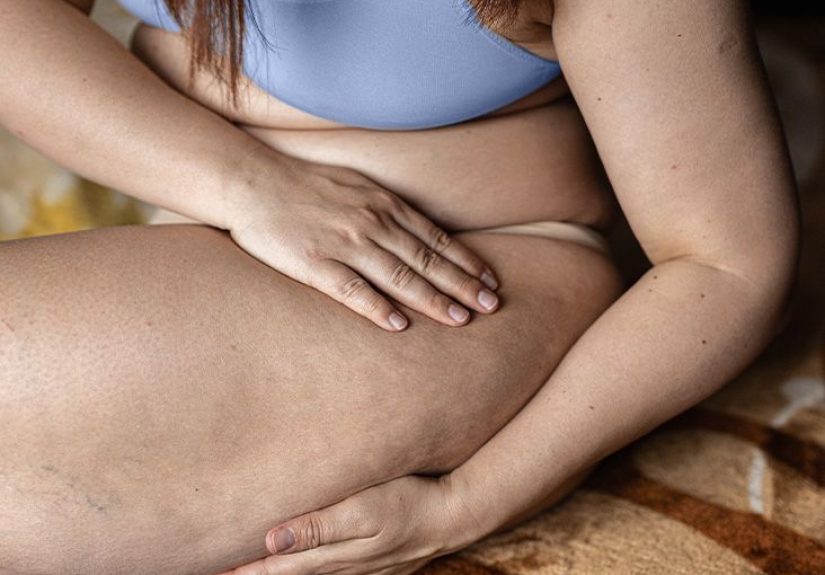
The recommended Cimzia injection sites are the abdomen and the upper thighs. These areas are preferred because they usually have enough fatty tissue for a proper subcutaneous injection and are easy to reach when you are injecting yourself.
1. Abdomen
The abdomen is one of the most common and convenient Cimzia injection sites. Many people like it because they can clearly see the area and control the angle of the syringe more easily. The key rule is to stay away from the belly button. Do not inject within about 2 inches of your navel.
Think of your abdomen as prime injection real estate, but your belly button is the no-parking zone. It does not get invited to this event.
2. Upper thighs
The upper thighs are the other standard injection site for Cimzia. This area can feel easier for people who prefer to sit down during the injection or who find the thigh less intimidating than the stomach. The front or upper portion of the thigh is usually the most accessible.
For some people, the thigh feels more stable. For others, it is more sensitive. There is no universal winner. The “best” site is usually the one that gives you a clean, comfortable injection and is easy to rotate with other sites over time.
Where not to inject Cimzia
Knowing where not to inject is just as important as knowing where to inject. You should avoid areas where the skin is:
- Tender
- Bruised
- Red
- Hard
- Scarred
- Marked by stretch marks
Do not inject into a spot that is irritated, healing, inflamed, or simply looks suspicious. If a site seems like it has been through enough already, believe it and move on. Also avoid repeating injections in the exact same spot, because that increases irritation and makes site reactions more likely.
How to rotate Cimzia injection sites
Site rotation is one of the simplest ways to reduce skin irritation and make long-term treatment easier. With Cimzia, each new injection should be given at least 1 inch away from the site you used before. If you need two injections for a 400 mg dose, they should be given in separate sites, not doubled up in the exact same location.
A smart rotation routine might look like this:
- Right abdomen
- Left abdomen
- Right upper thigh
- Left upper thigh
Some people find it helpful to keep a small note on their phone or calendar showing the last injection site used. That may sound slightly over-organized, but it works. Your skin will appreciate the administrative effort.
Step-by-step Cimzia injection technique
Once you know the right Cimzia injection sites, technique becomes the next big piece. Here is the process in plain English.
Step 1: Take the syringe out and let it reach room temperature
Cimzia is typically stored in the refrigerator. Before injecting, let the prefilled syringe come to room temperature according to the product instructions. Do not microwave it, boil it, put it on a heating pad, or invent any other dramatic warming method. Medicine likes patience, not improvisation.
Step 2: Check the syringe
Look at the medication before you inject it. The liquid should appear clear to slightly opalescent, colorless to yellow, and free from particles. Do not use the syringe if the solution looks cloudy, discolored, or contains visible particles. Also check the expiration date and packaging seals.
Step 3: Gather supplies and wash your hands
Set up on a clean, flat surface. You will typically need the Cimzia prefilled syringe, an alcohol swab, and a dry cotton ball or gauze pad. Wash your hands with soap and warm water and dry them well before starting.
Step 4: Choose the site
Select either the abdomen or upper thigh. Make sure you are using a new site, at least 1 inch from the previous one. If you are injecting into the abdomen, stay 2 inches away from the navel. If you need two injections, choose two different sites.
Step 5: Clean the skin
Clean the injection site with an alcohol swab and let it dry completely. Do not touch the cleaned area again before injecting. This is one of those small steps that people rush, then regret.
Step 6: Hold the syringe correctly
Hold the syringe with the needle pointing up when removing the cap. You may see air bubbles in the syringe. With Cimzia, there is no need to remove them before the injection. Remove the needle cover carefully without touching the needle or letting it touch any surface.
Step 7: Pinch the skin and insert at about 45 degrees
Gently pinch a fold of cleaned skin. Then insert the needle with a quick, dart-like motion at about a 45-degree angle. That angle matters for the Cimzia prefilled syringe technique because it helps place the medication into the subcutaneous tissue rather than too shallow or too deep.
Step 8: Inject slowly and fully
After inserting the needle, release the pinched skin while keeping the syringe stable. Slowly push the plunger all the way down until the syringe is empty. Do not rush this part. A steady push is usually more comfortable than a frantic one.
Step 9: Remove the needle and protect the site
Pull the needle out while keeping it at the same angle it went in. Place a dry cotton ball or gauze pad over the site for several seconds. If there is a tiny bit of bleeding, that can be normal. Use a small bandage if needed.
One important note: Do not rub the injection site. Rubbing can irritate the skin and make stinging worse.
Step 10: Dispose of the syringe safely
Do not recap the needle. Place the used syringe immediately into an FDA-cleared sharps disposal container. If you do not have one, use a heavy-duty plastic household container that meets local safety guidance. Do not toss loose needles into the trash or recycling.
How to make Cimzia injections easier and less stingy
Even when you use the right Cimzia injection site, comfort still matters. Here are some practical ways to make the process easier:
Let the medication warm up
Cold medication can sting more. Letting Cimzia reach room temperature first can make the injection more comfortable.
Relax your muscles
Tension makes everything feel worse. Sitting down, taking a slow breath, or playing music in the background can help. Yes, apparently your thigh appreciates a calmer soundtrack.
Consider icing beforehand
Some patients find that a brief ice pack on the skin before the injection helps reduce discomfort. Keep it short and avoid putting ice directly on bare skin. Ask your healthcare professional whether this is a good option for you.
Rotate consistently
Switching between the abdomen and thighs, and not overusing one area, can lower the chance of repeated irritation.
Avoid rubbing afterward
Pressure with gauze is better than rubbing. Rubbing may increase burning or redness.
Common mistakes to avoid
- Injecting too close to the belly button
- Reusing the same spot repeatedly
- Injecting into bruised, scarred, or irritated skin
- Using the medication when it looks cloudy or has particles
- Rushing before the alcohol dries
- Touching the needle or letting it touch a surface
- Rubbing the site after injection
- Throwing the used syringe into regular trash without a sharps container
When to call your healthcare professional
Call your healthcare team if you are unsure how to inject, keep getting significant skin reactions, or notice symptoms that seem out of the ordinary. Mild redness or a small amount of bleeding can happen, but increasing swelling, warmth, pus, severe pain, or a reaction that does not improve deserves medical attention.
Also contact your clinician right away if you develop signs of infection such as fever, chills, cough, open sores, painful urination, or feeling unusually ill. Cimzia affects the immune system, so infection warnings are taken seriously.
Real-world experiences with Cimzia injection sites and self-injection
When people talk about Cimzia injection sites and techniques, the conversation usually starts with anatomy and ends with confidence. The first few injections are often the hardest emotionally, not mechanically. Many patients say the anticipation is worse than the injection itself. Once they have done it a few times, the routine becomes less intimidating and much more automatic.
A common experience is discovering that one site simply feels better than another. Some people prefer the abdomen because they can see exactly what they are doing and can pinch the skin more easily. Others prefer the upper thigh because it feels more stable and less mentally stressful. There is nothing unusual about having a favorite. Bodies are not factory settings; they are more like software with preferences.
Another frequent observation is that the injection is more uncomfortable when the medication is still cold. People often describe a colder injection as sharper or stingier, while a room-temperature syringe feels smoother. That is why experienced patients often build a routine around timing: take the syringe out, let it sit as directed, gather supplies, wash hands, then inject once everything is ready.
Site rotation also becomes more important over time than many people expect. At first, it is easy to think, “This spot worked once, so I will just keep using it forever.” Your skin, however, may object. People who rotate between the abdomen and thighs often report less irritation and fewer annoying repeat reactions. Keeping a quick note of the last site used can save a surprising amount of guesswork on injection day.
Many patients also mention that a tiny drop of blood or a mild red mark can happen even when the injection is done correctly. That can look dramatic in the moment, especially if you already dislike needles, but it is not automatically a sign that anything went wrong. What matters more is whether the reaction stays mild and fades rather than worsening.
There is also a learning curve around pressure versus rubbing. New injectors sometimes want to rub the site right away, almost by instinct, like you might rub a bumped elbow. With Cimzia, gentle pressure with gauze is usually the better move. People often find that rubbing only makes the spot feel more irritated afterward.
For patients who feel anxious, the most helpful “technique” is sometimes not physical at all. It is ritual. Same chair, same clean setup, same order of steps, same calm pace. That predictable routine can reduce stress and make the injection feel more manageable. Some ask a partner or family member to sit nearby during the first few attempts, even if they do the injection themselves. That kind of support can make a big difference.
In the long run, the experience many people describe is not that Cimzia injections become fun. Let us not get carried away. It is that they become familiar. And familiar is powerful. Once you know your best Cimzia injection sites, your preferred rotation pattern, and the exact sequence that works for you, the whole process starts feeling less like a medical event and more like a practiced skill.
Conclusion
The best Cimzia injection sites are the abdomen and upper thighs, with careful rotation between sites and a strict policy of avoiding irritated, bruised, scarred, or tender skin. If you use the Cimzia prefilled syringe at home, the technique matters: let it come to room temperature, inspect the solution, clean the site, pinch the skin, insert the needle at about 45 degrees, inject slowly, avoid rubbing afterward, and dispose of the syringe safely in a sharps container.
If you are new to Cimzia self-injection, do not judge yourself by the first attempt. Like most practical health skills, it gets easier with repetition, good instruction, and a routine you trust. And once you find the right injection sites and technique, the process usually becomes far more manageable than it seemed on day one.