Table of Contents >> Show >> Hide
- Why a Toy House Belongs in a Kid’s Room (and Not Just the Playroom)
- What Makes Brinca Dada Toy Houses Different
- Designing the “Toy House Zone” Like a Pro (Without Becoming a Pro)
- Storage That Supports Play (Instead of Ending It)
- Safety First: The Not-Fun Part That Makes the Fun Possible
- Styling Tips: Let the Toy House Look Intentional (Even If Life Isn’t)
- How Kids Actually Use Toy Houses (So You Can Design for Reality)
- Choosing Accessories That Make the House Come Alive
- When a Toy House Is Worth the Space
- Experience Section: What It Feels Like Living with a Modern Toy House (About )
- Conclusion
There are two kinds of kids’ rooms: the ones that look like an interior design showroom, and the ones that look like a toy store
got hit by a small, adorable tornado. Most real homes live somewhere in betweenand that’s exactly where a beautifully made toy
house can do its best work.
Brinca Dada’s modern dollhouses (often called “toy houses” because they’re basically architecture you can play with) sit right at
the intersection of play, design, and actually getting your child to use the room.
They’re the kind of pieces that make adults say, “Wait… that’s a toy?” and make kids say, “This is the penthouse. No parents allowed.”
Why a Toy House Belongs in a Kid’s Room (and Not Just the Playroom)
A great toy house is a “third place” for kids: not bed, not desksomething that invites storytelling, problem-solving, and long stretches
of focused play. When children build narratives (“You be the neighbor, I’m the dentist, the dog is running for mayor”), they practice social
skills and emotional expression in a low-stakes way. Pretend play also tends to scale as kids grow: toddlers copy real-life routines, preschoolers
invent scenarios, and older kids build worlds with rules, roles, and plot twists worthy of streaming TV.
The best part? A toy house can be a design anchor in the roomlike a functional sculpture that also happens to host daily drama in miniature.
Instead of fighting the fact that toys exist, you’re giving them a dedicated “home base” that looks intentional.
What Makes Brinca Dada Toy Houses Different
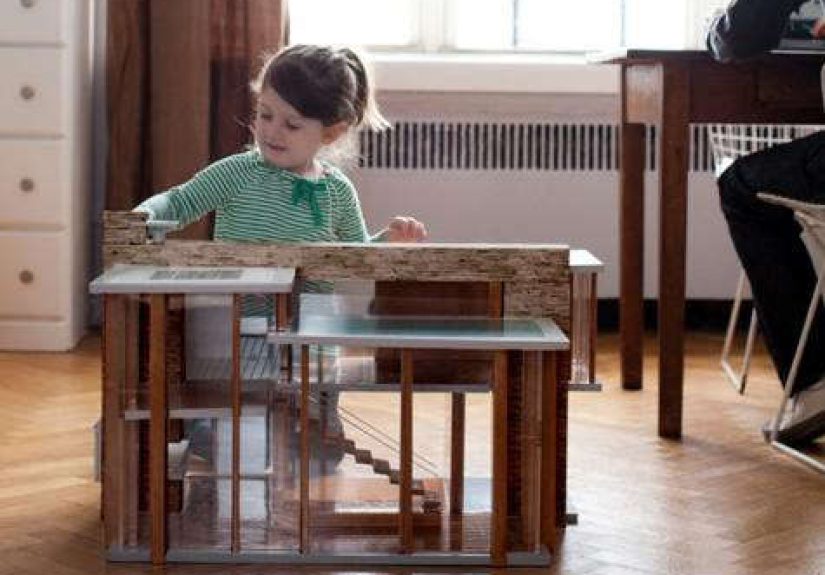
Brinca Dada became known for dollhouses that borrow from modernist architectureclean lines, big windows, thoughtful detailsshrunk down to kid scale.
Several write-ups describe features that sound like they belong in a high-end listing: glass corners, hardwood-like floors,
stone-style fireplaces, and recessed LED lighting powered by roof-mounted solar panels. Some descriptions also note
wood-and-acrylic construction and non-toxic, lead-free finishes.
In other words: these aren’t “plunk it down and hope for the best” plastic boxes. They’re built to be played withwhile still looking like something
you’d happily keep in a shared living space when the kid’s room inevitably becomes a “multi-use lifestyle zone” (also known as: your home).
A quick note on models and specs
Depending on the model and where it’s listed, you’ll see different details like size and scale (for example, the Emerson House has been described in more
than one scale across different sources). The takeaway is practical: measure your intended spot, and think about what your child will do around it:
sit, stand, kneel, or build a whole neighborhood around it with blocks.
Designing the “Toy House Zone” Like a Pro (Without Becoming a Pro)
A toy house works best when it has a clear zonelike a stage. If it floats in the middle of clutter, kids can’t access it comfortably, and adults will treat it
like a fragile museum piece (which ruins the point).
Step 1: Pick the right footprint
Choose a spot where a child can approach from at least two sides. That’s not just a design preferenceit makes play more collaborative. If siblings or friends can
play without elbowing each other into next week, you win.
Step 2: Add a “landing pad”
Put the toy house on a low table, sturdy bench, or directly on the floor depending on your child’s age. A flat woven rug under the zone can define the area and
reduce the “everything is everywhere” spread. Bonus: it also softens the sound of tiny furniture being dramatically rearranged for the tenth time.
Step 3: Build in a clean-up rhythm
The easiest way to keep toy-house play from turning into toy-house chaos is to give the accessories a dedicated system:
- One bin for furniture (chairs, tiny tables, miniature lamps)
- One bin for people/figures (the residents and their endless visitors)
- One shallow tray for “small scene pieces” (pets, plants, pretend food, tiny books)
Open cubbies and bins tend to be the most kid-friendly because they’re visible, reachable, and fast. If the system is too complicated, your child will ignore it
with impressive consistency.
Storage That Supports Play (Instead of Ending It)
A common organizing mistake is to store everything so perfectly that kids stop playingbecause getting toys out feels like applying for a permit.
The best kid room storage is easy, obvious, and forgiving:
Go low and open
Low shelves and open baskets help kids grab what they want and put it away without adult intervention. That independence matters because play often happens in
small bursts: 10 minutes before dinner, 20 minutes while you take a call, 45 minutes when they’re “supposed to be” getting dressed.
Label like you mean it
Labels (words or pictures) reduce decision fatigue for everyone. They also make cleanup less emotional: instead of “put it away,” you’re saying “the tiny bed lives
in the furniture bin.” The toy isn’t being taken away; it’s going home. That framing works on adults, too.
Rotate accessories, not the house
If the toy house is a centerpiece, keep it stable and rotate the small accessories in and out. A small “in play” basket keeps the zone fresh while the rest stays
stored. Kids often play longer when there are fewer choices at oncelike a great restaurant menu, not a 40-page novel of options.
Safety First: The Not-Fun Part That Makes the Fun Possible
Kids’ rooms are where climbing, reaching, and “I can totally do that” confidence peaks. Make the room safer so you can relax while your child plays.
Anchor tall furniture (seriously)
Dressers, bookshelves, and TVs can tip over quicklyoften when kids climb to reach something tempting. Anchor tall or heavy furniture to the wall, keep heavier
items on lower shelves, and avoid storing “treasures” (toys, remotes, snacks, anything magical) up high where kids are motivated to climb.
Watch the small parts situation
Toy houses often involve miniature accessories that can become choking hazards for toddlers. Follow age labels, keep small parts away from children who still mouth
objects, and regularly scan the floor for tiny pieces that “mysteriously” escaped. A kid’s room should be a creative zonenot a scavenger hunt for hazards.
Choose a stable setup
If your toy house sits on furniture, make sure the base is sturdy and doesn’t wobble. When kids are deep in pretend play, they lean. A lot. Like, “I’m building a
new city” leaning. Plan for it.
Styling Tips: Let the Toy House Look Intentional (Even If Life Isn’t)
The magic of a modern dollhouse is that it can elevate the room without turning it into an adult museum. Here’s how to style it so it feels cohesive:
Match materials, not themes
Instead of forcing a “princess” or “superhero” theme, echo materials: light wood, white, soft neutrals, or a couple of bold primary accents. Brinca Dada’s modern
look plays nicely with Scandinavian-style storage, mid-century-inspired pieces, and simple wall art.
Use the house as a color anchor
Pick two or three accent colors from the toy house’s furniture or details and repeat them lightlyone pillow, one print, one bin. That’s how the room feels
designed without feeling staged.
Create a “mini gallery” shelf nearby
A small picture ledge can hold a few children’s books that match the vibe (architecture picture books, storybooks, or anything with cozy scenes). This reinforces
the toy house as part of a bigger storytelling ecosystem.
How Kids Actually Use Toy Houses (So You Can Design for Reality)
Adults often imagine dollhouse play as calm and quiet. Sometimes it is. Other times it’s a full production with voice acting, sudden weather events, and one
character who is definitely a dinosaur doctor.
Designing around toy-house play means expecting:
- Long setup time (arranging furniture is half the fun)
- Story spikes (fast bursts of intense imaginative play)
- Accessory drift (tiny things travelaccept it and plan for retrieval)
If you give kids a comfortable place to sit or kneel, plus storage that’s easy to use, you’ll see more independent play. And if you’re lucky, you’ll get the
rarest parenting prize of all: a quiet room and a child who’s deeply engaged.
Choosing Accessories That Make the House Come Alive
A toy house becomes irresistible when it has just enough “real world” detail to spark stories. Brinca Dada has been described alongside miniature furniture sets
with modern stylingthink sofas, bookcases, bathtubs, and other tiny elements that mirror real interiors. The trick is moderation: too many pieces can overwhelm,
while a curated set invites deeper play.
Starter accessory set (simple, high replay)
- A small family of figures (3–5 characters)
- One “daily life” kit: bed + table + a couple chairs
- One “story fuel” kit: pet + vehicle + one funny wildcard (a tiny plant, a hat, a tiny suitcase)
Kids don’t need a hundred itemsthey need a few that can become anything. A tiny stool can be a throne, a rocket seat, or a mountain in a pinch. Children are
efficient storytellers.
When a Toy House Is Worth the Space
Toy houses take up room, so it’s fair to ask: will it get used, or will it become “that beautiful thing we dust”? A Brinca Dada-style toy house tends to be a
strong choice when:
- Your child enjoys pretend play, role play, or storytelling with figures
- You want a toy that looks good in a bedroom, not just a playroom
- You’re trying to reduce “toy sprawl” by giving play a focal point
- You’d rather invest in fewer, higher-quality toys that grow with your child
It’s less ideal if your child only wants high-energy movement play (jumping, running, throwingfuture Olympian energy). In that case, a climbing structure or
active-play setup might be a better investment. But for kids who love scenes, stories, and “tiny world” building, a modern toy house can become the heart of the room.
Experience Section: What It Feels Like Living with a Modern Toy House (About )
The surprising thing about adding a modern toy house to a child’s room is how quickly it changes the tone of the space. Not in an “I installed a chandelier”
waymore in a “the room now has a narrative engine” way. Parents often expect the toy house to be a cute object that occasionally gets used. What tends to happen,
though, is that it becomes a daily checkpoint: kids pass it, touch it, adjust it, andwithout any formal announcementadd a new chapter to whatever story is currently
unfolding inside.
One day it’s domestic calm: breakfast at the miniature table, everyone politely seated, the tiny dog behaving like an angel. The next day it’s high drama: a storm
has “hit” the house (translation: your child waved a blanket like thunder), the living room has become an emergency shelter, and the residents are evacuating in a toy
car that absolutely does not fit the scale but is emotionally correct. That’s the point. The toy house is a stable stage, and your child supplies the plot.
The most practical “experience lesson” is that toy houses teach you what kind of organizer your child is. Some kids are meticulous set designers: they align chairs,
build symmetrical rooms, and become tiny interior architects. Others are joyful chaos artists: furniture gets rearranged mid-scene, figures travel from bedroom to kitchen
to rooftop in 12 seconds, and the storyline is essentially a superhero movie directed by a squirrel. Neither is wrongboth are a window into how your child thinks.
If you lean into that, the room starts to support their personality instead of trying to train it out of them.
Another unexpected perk: toy-house play often becomes a social bridge. When a friend visits, a dollhouse is an instant collaboration tool because it provides a shared
“world” without requiring rules, screens, or adult setup. Two kids can negotiate roles, invent a story, and learn how to compromise when both insist on being the mayor
(there can, in fact, be two mayors if you are four years old and democracy is flexible). For siblings, it can reduce friction because the play space is defined; each
child can “own” a side or a room, and the house itself becomes the mediator.
From the grown-up perspective, the nicest shift is when the toy house stops feeling like clutter and starts feeling like decor with purpose. You may still step on a tiny
chair occasionallylife is lifebut the room feels more cohesive because the biggest play object has a clear home. And once you add a simple storage routine (a small bin,
a tray, a quick reset), the toy house becomes one of those rare items that is both delightful and sustainable. It’s not a miracle. But it is a very charming little
gateway to more focused playand a room that looks like it belongs to a kid and a household that doesn’t want to live inside a plastic rainbow forever.
Conclusion
A children’s room doesn’t have to choose between “fun” and “nice-looking.” Brinca Dada’s toy houses show how a single, well-designed centerpiece can elevate a space,
encourage deeper imaginative play, and make organizing easier because everything finally has a logical focal point.
If you treat the toy house like a real zoneaccessible, comfortable, and paired with simple storageyou’ll get more independent play and less daily mess creep. Add
safety basics (anchored furniture, smart small-parts habits), and you’ve built a room that supports your child’s creativity without stressing you out.