Table of Contents >> Show >> Hide
- What chemotherapy actually does inside the body
- Why chemotherapy side effects happen
- How chemotherapy affects different body systems
- Blood and immune system: where fatigue, bruising, and infection risk begin
- Mouth, stomach, and intestines: the digestive system takes a hit
- Hair, skin, and nails: visible changes can feel personal
- Nerves and brain: numbness, tingling, and “chemo brain” are real
- Fertility, hormones, and sexual health: an often under-discussed effect
- Major organs and long-term effects: less common, but important
- Even after the infusion: how the body clears chemotherapy
- Can chemotherapy side effects be managed?
- What chemotherapy often feels like in real life: experiences patients commonly describe
- Conclusion
Chemotherapy has a reputation, and let’s be honest, it earned one. It is one of the most powerful tools in modern cancer care, but it does not arrive quietly, sip tea, and leave without touching the furniture. Chemotherapy works by attacking fast-growing cancer cells, yet some healthy cells grow quickly, too. That is why treatment can affect hair, blood counts, digestion, nerves, fertility, and energy levels all at once. In other words, chemo is not “just” a cancer treatment. It is a whole-body event.
That sounds scary, but it is only half the story. The other half is that many side effects can be prevented, reduced, or treated. Some are temporary. Some fade slowly. A few can last longer and need monitoring. The real key is understanding what chemotherapy does inside the body, what symptoms to expect, and when to tell your care team that something feels off. Early reporting matters more than heroic silence.
What chemotherapy actually does inside the body
Chemotherapy uses drugs designed to kill cancer cells or stop them from dividing. Because cancer cells tend to grow and multiply quickly, they are a natural target. The catch is that chemotherapy cannot always perfectly tell the difference between a dangerous fast-growing cell and a healthy fast-growing one. So while it is busy doing its main job, it can also injure normal cells in the bone marrow, hair follicles, mouth, digestive tract, skin, and reproductive tissues.
This explains why chemotherapy side effects are so varied. One person may mostly struggle with nausea and taste changes. Another may feel crushing fatigue or develop numb fingers and toes. A third may breeze through with surprisingly mild symptoms. The exact effect depends on the drugs used, the dose, the schedule, the cancer being treated, whether chemotherapy is combined with other treatments, and the patient’s overall health before treatment starts.
It also helps to know that chemotherapy is not one single medicine. It is a category. Different drugs behave differently, which is why one regimen may cause hair loss while another may be more likely to affect nerves, blood counts, or the digestive system. That is also why no two chemo stories sound exactly alike.
Why chemotherapy side effects happen
The simplest explanation is collateral damage. Healthy tissues that renew themselves quickly are more vulnerable because chemotherapy targets the process of rapid cell growth and division. Bone marrow is constantly making new blood cells. The lining of the mouth and intestines renews itself often. Hair follicles are busy growers. Reproductive tissues are sensitive. So when chemotherapy interrupts those normal cycles, the body feels it.
That said, healthy cells usually recover better than cancer cells do. This is one reason chemotherapy is often given in cycles instead of nonstop. Those breaks are not random calendar decorations. They give normal tissues a chance to heal between treatments.
How chemotherapy affects different body systems
Blood and immune system: where fatigue, bruising, and infection risk begin
One of chemotherapy’s biggest effects happens in the bone marrow, where blood cells are made. When bone marrow slows down, red blood cells can drop, white blood cells can fall, and platelets can dip. That combination helps explain several of chemo’s most common side effects.
Low red blood cells can lead to anemia, which often feels like deep fatigue, weakness, shortness of breath, or that strange sensation of being tired in your bones. This is not regular “I stayed up too late” tiredness. It can feel like your body switched to low-power mode without asking permission.
Low white blood cells, especially neutrophils, raise the risk of infection. This is one of the most important chemotherapy effects to respect. A mild fever during treatment is not something to casually debate with your thermometer like it is a weather forecast. It can be urgent. People on chemotherapy are often told to wash hands carefully, avoid sick contacts, follow food safety advice, and report signs of infection right away.
Low platelets can make bruising and bleeding more likely. That may show up as nosebleeds, bleeding gums, easy bruising, or heavier bleeding from minor cuts. These changes do not happen to everyone, but when they do, they can affect daily routines in very practical ways.
Mouth, stomach, and intestines: the digestive system takes a hit
The digestive tract contains rapidly dividing cells, so it is especially vulnerable during chemotherapy. This is why nausea, vomiting, loss of appetite, constipation, diarrhea, dry mouth, mouth sores, swallowing discomfort, and taste changes are so common.
Nausea is one of the side effects people fear most, but modern care has improved a lot. Anti-nausea medications are often given before symptoms even start, and many patients do much better than they expect. Still, some people feel queasy right after treatment, while others get delayed nausea a day or two later. Vomiting can lead to dehydration and electrolyte problems, which is why care teams take it seriously.
Mouth sores can turn eating into a miserable chore. Foods that were once harmless suddenly feel like sandpaper with a grudge. If the mouth and throat lining becomes irritated, swallowing can hurt, appetite can drop, and nutrition can suffer. Taste changes can add insult to injury. Some people say food tastes metallic, overly sweet, strangely bitter, or like absolutely nothing worth chewing.
Constipation and diarrhea may sound like opposite problems, because they are, but chemotherapy somehow finds room for both. Constipation may be linked to the drugs themselves or to medicines used for pain and nausea. Diarrhea can happen when chemotherapy irritates the intestinal lining. Either way, fluid balance matters, and nutrition often needs to be adjusted with small meals, bland foods, extra protein, and careful hydration.
Hair, skin, and nails: visible changes can feel personal
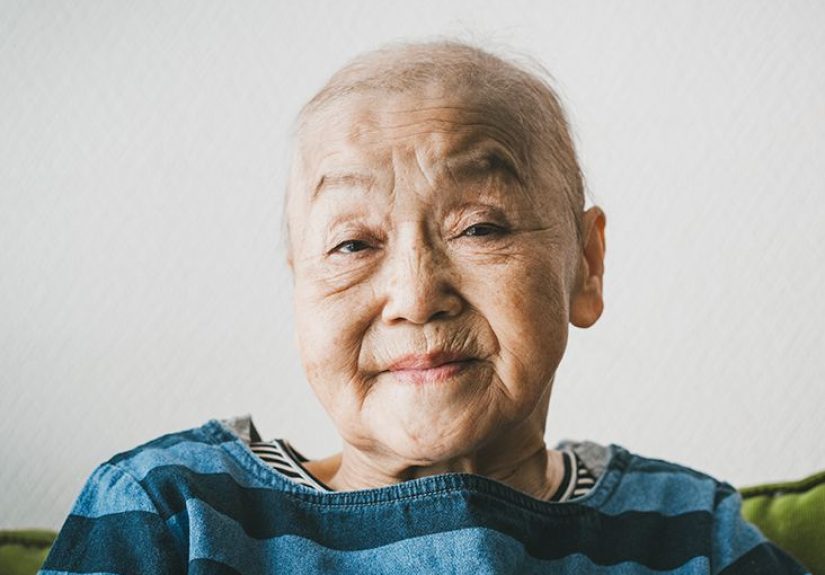
Hair loss is one of the most well-known effects of chemotherapy, and for many people it is emotionally tougher than they expected. It is not just about appearance. Hair loss can make treatment feel publicly visible, even when a person would rather keep their medical life private. Depending on the regimen, hair may thin gradually or fall out more dramatically. It can affect the scalp, eyebrows, eyelashes, and body hair.
Skin and nails can change, too. Skin may become dry, itchy, more sensitive, or darker in certain areas. Nails may turn brittle, ridged, or discolored. These changes are usually not the headline side effect, but they can be annoying, uncomfortable, and surprisingly upsetting. When your body looks unfamiliar, that can affect mood as much as any lab result.
Nerves and brain: numbness, tingling, and “chemo brain” are real
Some chemotherapy drugs can affect the nervous system. Peripheral neuropathy is one of the best-known examples. It often causes tingling, burning, numbness, pain, or weakness in the hands and feet. For some people, it is mild and temporary. For others, it affects walking, buttoning clothes, writing, sleep, or daily safety. Certain chemotherapy drugs, including platinum drugs and taxanes, are especially known for this issue.
Then there is “chemo brain,” the unofficial term for changes in memory, focus, processing speed, and concentration during or after treatment. Patients may describe it as mental fog, trouble finding words, forgetting why they walked into a room, or struggling to multitask. It can be caused by chemotherapy itself, but also by other cancer treatments, poor sleep, stress, pain, anemia, or medications used during care. The nickname sounds casual. The experience often does not.
Fertility, hormones, and sexual health: an often under-discussed effect
Chemotherapy can affect fertility in both men and women. In some people the effect is temporary; in others it can be long-lasting or permanent. Age, the specific drugs used, dose, and whether treatment involves other therapies all matter. That is why fertility conversations should happen before treatment starts whenever possible, not halfway through when everyone is already overwhelmed and living on appointment reminders.
Chemo can also affect libido, sexual function, hormone levels, body image, and intimacy. Fatigue, nausea, pain, menopause-like symptoms, erectile problems, vaginal dryness, or just the emotional weight of treatment can change how a person feels in their body. These effects are common, but many patients are hesitant to bring them up. They should not be. Sexual health is health, full stop.
Major organs and long-term effects: less common, but important
Some chemotherapy drugs can affect organs such as the heart, kidneys, bladder, lungs, and nervous system. These effects are not universal, and many patients will never experience them, but they are important because they can influence treatment choices and follow-up care. Oncologists often monitor blood work, symptoms, and organ function before, during, and after treatment for exactly this reason.
There can also be late effects, meaning side effects that begin months or years after treatment ends. These may include ongoing neuropathy, fertility problems, memory changes, organ damage, or, more rarely, a second cancer. This does not mean chemotherapy is unsafe across the board. It means good cancer care includes survivorship care, not just the final infusion and a cheerful wave goodbye.
Even after the infusion: how the body clears chemotherapy
Chemotherapy does not vanish the second the appointment ends. For a short time afterward, treatment waste can leave the body through urine, stool, blood, vomit, sweat, saliva, semen, and vaginal fluids. Patients are often given specific instructions about bathroom hygiene, laundry, gloves, and household safety for the first few days after treatment. It is not glamorous, but it is practical and important.
Can chemotherapy side effects be managed?
Very often, yes. This is the part that deserves more attention than it usually gets. Modern oncology is not just about giving chemotherapy and hoping for the best. Supportive care is built into treatment. That may include anti-nausea medicines, growth factor support for low white blood cells, nutrition counseling, hydration, pain control, mouth rinses, dose adjustments, treatment delays, physical therapy, sleep support, and mental health care.
Patients also help their own outcomes when they report symptoms early. A little numbness in the fingertips can become a bigger nerve problem if ignored. Mild dehydration can snowball into weakness and dizziness. A low-grade fever can become an emergency. The smartest chemo move is rarely “tough it out.” It is “tell the team.”
Simple habits can matter, too: eating small, frequent meals when appetite is low, drinking enough fluids, practicing infection precautions, protecting hands and feet if neuropathy starts, resting without becoming totally inactive, and asking for help before problems become unmanageable. There is no medal for silently suffering through side effects that can be treated.
What chemotherapy often feels like in real life: experiences patients commonly describe
Beyond the biology and the lab values, chemotherapy changes the rhythm of everyday life. Many people say treatment creates a new calendar, one divided into “chemo day,” “recovery day,” “the day food tastes weird,” and “the one day I finally felt normal enough to answer messages.” Life does not stop, exactly, but it starts moving around treatment in a very specific orbit.
Fatigue is one of the experiences people talk about most. Not because it is dramatic, but because it is relentless. Patients often describe it as an all-over heaviness, the kind that makes a shower feel like an athletic event and grocery shopping feel wildly ambitious. Sometimes friends and family mean well but do not fully understand the difference between being sleepy and being treatment-tired. That gap can feel lonely.
Food becomes strangely emotional during chemotherapy. A favorite meal can suddenly smell awful. Water may taste metallic. Crackers become a personality trait. Some people eat in tiny, strategic bursts because a full plate feels impossible. Others find themselves frustrated because they want to nourish their body but their mouth, stomach, and appetite are all staging a protest at the same time. When eating gets complicated, so can social life, because so much normal connection happens around meals.
There is also the mental side. People may feel forgetful, foggy, or less sharp than usual, and that can be unsettling, especially for those who are used to being highly organized or mentally quick. A person may lose their train of thought in the middle of a sentence and then laugh about it, but that laugh often comes with real frustration. Anxiety can creep in, too. Every ache may feel suspicious. Every symptom may raise the question: Is this normal, or is this something I need to report today?
Body image can shift in ways that catch people off guard. Hair loss, skin changes, weight changes, scars, and fatigue can make someone feel unlike themselves. Even when loved ones are supportive, the person in treatment may still grieve the body they had before cancer entered the chat uninvited. That reaction is common and valid. It is not vanity. It is identity.
And yet, many people also describe surprising forms of resilience during chemotherapy. They develop routines. They learn which foods work, which blankets to bring, which day is best for a walk, which symptoms need a call, and which ones settle down by evening. They get better at accepting help. They become more precise about energy, attention, and boundaries. In a strange way, treatment often teaches patients to listen to their bodies more honestly than they ever had before. Chemotherapy can be brutal, but it can also reveal how adaptable human beings really are.
Conclusion
Chemotherapy affects the body because it targets fast-growing cancer cells and, along the way, can also injure fast-growing healthy cells. That is why it can influence blood counts, immunity, digestion, hair, skin, nerves, fertility, mood, and sometimes major organs. The side effects can be temporary, delayed, mild, severe, manageable, or occasionally long-lasting. In short, chemotherapy is powerful medicine with wide-ranging effects, not a one-lane treatment.
But the most important takeaway is this: side effects are not just something to endure. They are something to track, report, and manage. The better patients understand how chemotherapy affects the body, the faster they can recognize problems and get support. Cancer treatment may be hard, but going through it informed is better than going through it blindsided.