Table of Contents >> Show >> Hide
- Quick Answer: What Makes Cauliflower “Healthy”?
- Cauliflower Nutrition Facts (What You Actually Get)
- Health Benefits of Cauliflower (What the Evidence Suggests)
- 1) Weight Management: Full Plate, Fewer Calories
- 2) Gut Health: Fiber That Your Microbiome Actually Notices
- 3) Immune Support and Skin Health: Thanks, Vitamin C
- 4) Heart Health: Fiber + Potassium + “Less of the Bad Stuff”
- 5) Blood Sugar-Friendly: Low Carb, But Still a Real Food
- 6) Bone and Blood Health: Vitamin K Has a Role
- 7) Brain and Liver Support: A Nod to Choline
- 8) Cancer Prevention: Promising Biology, Mixed Human Evidence
- How to Eat More Cauliflower Without Feeling Like You’re Punishing Yourself
- Downsides and Cautions (Because Every Food Has a Plot Twist)
- So… Is Cauliflower Good for You?
- Cauliflower Experiences: 7 Real-Life Lessons (The Extra )
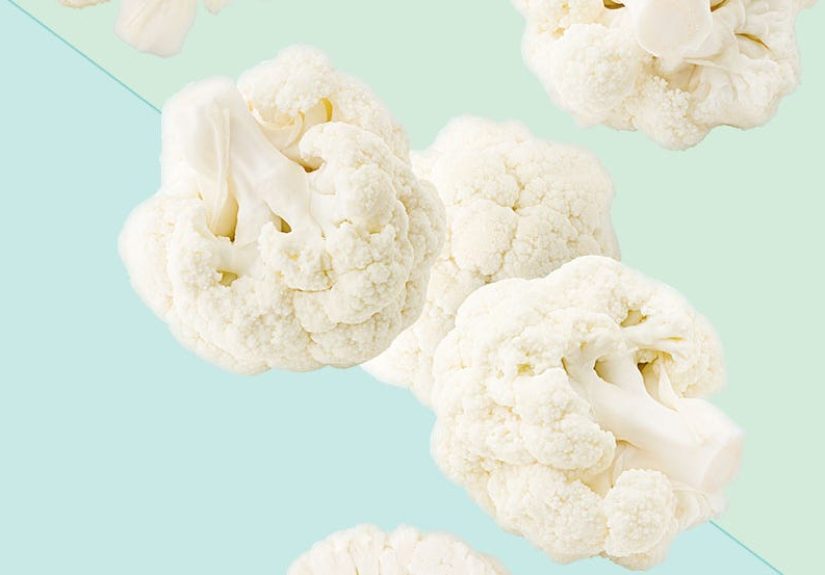
Cauliflower is the quiet kid in the produce aisle. It’s pale, it’s humble, and it looks like it’s trying not to make eye contact. And thenplot twistit shows up as pizza crust, rice, “wings,” and the suspiciously convincing stand-in for mashed potatoes. Beige? Yes. Boring? Not even close. source: Mayo Clinic Health System; Cleveland Clinic
So, is cauliflower good for you? For most people, absolutely. It’s low in calories, surprisingly nutrient-dense, and loaded with compounds you’ll never casually name at a dinner party (glucosinolates, anyone?) that researchers study for their potential health perks. The real magic, though, is practical: cauliflower makes it easier to eat more vegetablesbecause it’s willing to cosplay as your comfort food. source: USDA FoodData Central; Harvard Nutrition Source; NCI
Quick Answer: What Makes Cauliflower “Healthy”?
- Low calorie, high volume: helps you feel full without blowing up your day’s energy intake. source: USDA FoodData Central; Mayo Clinic Health System
- Fiber + water: supports digestion and satiety. source: Mayo Clinic fiber resources; Harvard Health
- Vitamin C and friends: supports immune function and collagen formation, plus a mix of B vitamins and vitamin K. source: NIH ODS Vitamin C; Cleveland Clinic; Mayo Clinic Health System
- Cruciferous compounds: contains glucosinolates that can break down into bioactive compounds studied for cell-protective effects. source: Harvard Nutrition Source; NCI
- Easy swaps: can replace refined carbs (rice, flour-based crusts) when that fits your goals. source: Mayo Clinic resources
Cauliflower Nutrition Facts (What You Actually Get)
Nutrition varies by size, freshness, and whether you’re eating it raw or cooked. But the big picture is consistent: cauliflower is mostly water, low in fat, and provides fiber and micronutrients for relatively few calories. source: USDA FoodData Central
Nutrition Snapshot (Approx. 1 cup chopped raw cauliflower)
| Nutrient | About how much | Why it matters (in plain English) |
|---|---|---|
| Calories | ~25–30 | Low energy density = more plate space for fewer calories. source: USDA FoodData Central; Mayo Clinic Health System |
| Carbs | ~5 g | Lower-carb veggie option; useful if you’re managing carbs. source: Mayo Clinic Health System |
| Fiber | ~2 g | Supports regularity and helps you feel satisfied. source: Harvard Health; Mayo Clinic fiber resources |
| Protein | ~2 g | Not a “protein food,” but more than many veggies. source: USDA FoodData Central |
| Vitamin C | Meaningful amount | Supports immune function and collagen formation; also an antioxidant. source: NIH ODS Vitamin C |
| Vitamin K | Moderate amount | Important for normal blood clotting and bone health. source: MedlinePlus Vitamin K |
| Folate (Vitamin B9) | Moderate amount | Supports cell growth; especially important during pregnancy. source: Cleveland Clinic; Mayo Clinic Health System |
| Choline | Small-to-moderate amount | Supports brain/nervous system and cell membranes. source: NIH ODS Choline |
| Potassium | Some | Helps balance sodium and supports healthy blood pressure. source: American Heart Association |
If you’re thinking, “That doesn’t look like a multivitamin,” you’re right. Cauliflower isn’t a single-nutrient superhero; it’s a team player. It helps you stack up more vegetables, more fiber, and more micronutrients across the day. source: Harvard Healthy Eating Plate
What About Those “Cruciferous” Compounds?
Cauliflower belongs to the cruciferous vegetable family (think broccoli, cabbage, Brussels sprouts). These veggies contain glucosinolates, sulfur-containing compounds that contribute to their distinct aroma and flavor. When chopped or chewed, glucosinolates can break down into compounds such as isothiocyanates and indoleswhich researchers study for potential protective effects in the body. source: Harvard Nutrition Source; NCI
Translation: cauliflower has plant chemistry that’s interesting to scientists, but it’s not a magic shield. The best health “hack” is still the boring one: eat a variety of plants, often. source: NCI; Harvard Healthy Eating Plate
Health Benefits of Cauliflower (What the Evidence Suggests)
1) Weight Management: Full Plate, Fewer Calories
Cauliflower’s combination of water + fiber gives it volume. That means it can make meals feel bigger and more satisfying without adding many calories. Swapping cauliflower for more calorie-dense options (like part of your mashed potatoes, rice, or a creamy base) can be a practical strategyespecially if you’re aiming for a calorie deficit without feeling like you’re “dieting.” source: Mayo Clinic Health System; Harvard Health
Real-life example: Mix half cauliflower mash with half potatoes. You keep the comfort-food vibe, lower the calorie and carb load, and still get something that tastes like it belongs at dinner. source: Mayo Clinic resources
2) Gut Health: Fiber That Your Microbiome Actually Notices
Fiber is one of the most under-consumed nutrients in typical diets, and it matters for digestion, regularity, and overall metabolic health. Cauliflower contributes a modest amount of fiber per serving, and it’s easy to eat more than one serving because it’s so versatile. source: Harvard Health; Mayo Clinic fiber resources
Bonus: when you roast cauliflower until it’s caramelized and slightly crispy, you’re more likely to eat it again tomorrow. Consistency beats perfection.
3) Immune Support and Skin Health: Thanks, Vitamin C
Vitamin C supports immune function and plays a role in collagen formation (a key structural protein for skin, blood vessels, and connective tissue). Cauliflower isn’t the only sourcebell peppers and citrus get a lot of the spotlightbut it’s a solid contributor, especially if you eat it regularly. source: NIH ODS Vitamin C
Practical tip: pair cauliflower with other vitamin C-rich foods (like lemon juice, parsley, or peppers) for a “nutrient layering” effect that’s easy and tasty.
4) Heart Health: Fiber + Potassium + “Less of the Bad Stuff”
Heart health is rarely about a single food. Cauliflower helps in a few indirect but meaningful ways:
- Fiber supports healthy cholesterol and overall cardiometabolic health patterns. source: Harvard Health; AHA journals
- Potassium helps counterbalance sodium and supports healthy blood pressure. source: American Heart Association
- Smart swaps: using cauliflower in place of refined grains or heavy sides can reduce overall calories and refined carbs. source: Mayo Clinic resources
If your meals look like “protein + cauliflower + colorful veggies + a healthy fat,” you’re basically building a heart-friendly plate without needing a nutrition PhD. source: Harvard Healthy Eating Plate
5) Blood Sugar-Friendly: Low Carb, But Still a Real Food
Cauliflower is relatively low in carbohydrates compared with grains and starchy sides, and it contains fiber, which can help blunt blood sugar spikes. That can make it a helpful choice for people who are trying to manage blood sugarespecially when it replaces refined carbs. source: Mayo Clinic Health System; Harvard Health
Important nuance: “Low-carb” doesn’t automatically mean “healthy for everyone.” The best approach depends on your overall diet, preferences, and medical needs.
6) Bone and Blood Health: Vitamin K Has a Role
Cauliflower contains vitamin K, which supports normal blood clotting and bone health. This is usually a good thingunless you’re on certain blood-thinning medications where consistent vitamin K intake matters. source: MedlinePlus Vitamin K
7) Brain and Liver Support: A Nod to Choline
Choline is a nutrient your body uses for cell membranes and nervous system function. Your liver can make some choline, but diet still matters. Cauliflower contributes choline in a modest amountone more reason it’s a “nutrient helper” in an overall balanced diet. source: NIH ODS Choline
8) Cancer Prevention: Promising Biology, Mixed Human Evidence
Cruciferous vegetables are heavily studied because glucosinolates can break down into bioactive compounds in the body. Some observational studies suggest associations between higher cruciferous intake and lower risk of certain cancers, but results are not consistent across all cancer types and study designs. Major expert summaries emphasize that evidence is still evolving. source: NCI fact sheet; Harvard Health
The most honest takeaway: cauliflower is a smart choice as part of a plant-forward diet pattern, but it’s not a “cancer-proofing” ingredient you can sprinkle on a burger and call it science.
How to Eat More Cauliflower Without Feeling Like You’re Punishing Yourself
Choose Your Cooking Style
- Roasted: the “I didn’t know cauliflower could taste like this” method. Toss with olive oil, salt, pepper; roast until browned.
- Steamed: gentle cooking that keeps texture tender and works for mash or purées.
- Sautéed or stir-fried: quick, good with garlic, ginger, and a protein.
- Raw: crunchy for dipsgreat if you like a fresh bite.
Easy, Actually-Works Swaps
- Cauliflower rice in bowls, stir-fries, or as a half-and-half mix with regular rice.
- Cauliflower mash as a lighter side dish (or blended with potatoes for maximum comfort).
- Buffalo-style cauliflower for a “wing-ish” snack that still counts as vegetables.
- Soups: blend roasted cauliflower into broth for a creamy texture without heavy cream.
Pro tip: season cauliflower like you mean it. Cauliflower is a sponge for flavor. If it tastes bland, it’s not the cauliflowerit’s the situation you put it in.
Downsides and Cautions (Because Every Food Has a Plot Twist)
Gas, Bloating, and the “Why Is My Stomach Singing?” Moment
Cruciferous vegetables can cause gas for some people because certain carbohydrates are fermented by gut bacteria. If you have IBS or are sensitive to FODMAPs, cauliflower can be a trigger food. source: Cleveland Clinic IBS diet; Mayo Clinic FODMAP resources
What helps: start with smaller portions, try cooked instead of raw, and see what your body tolerates. If symptoms are significant, a registered dietitian can help you troubleshoot. source: Cleveland Clinic IBS diet
Warfarin (Blood Thinners) and Vitamin K Consistency
If you take warfarin, vitamin K intake can affect how the medication works. You don’t necessarily need to avoid vitamin K foodsbut you typically need to keep your intake consistent and follow your clinician’s guidance. source: MedlinePlus Vitamin K; UI Health Care warfarin guide
Thyroid Concerns and “Goitrogens”
You may hear that cruciferous veggies contain compounds that can interfere with thyroid function. For most people eating normal portions as part of a varied diet, this isn’t a problem. If you have a thyroid condition, talk with your clinician if you’re concernedespecially about very large intakes or supplements. source: general clinical guidance; no single cauliflower-specific authority
Allergies (Rare, But Possible)
True cauliflower allergy is uncommon, but any food can cause reactions in sensitive individuals. If you notice hives, swelling, or breathing trouble after eating cauliflower, seek medical care.
So… Is Cauliflower Good for You?
For most people, cauliflower is an easy “yes.” It’s low in calories, offers fiber and key vitamins, and fits into many eating stylesMediterranean, plant-forward, low-carb, gluten-free, and everything in between. The biggest benefit may be the simplest: cauliflower makes vegetables easier to eat more often. And that’s a health win you can actually maintain. source: Mayo Clinic Health System; Cleveland Clinic; Harvard Healthy Eating Plate
Medical note: This article is for general education and isn’t personal medical advice. If you have IBS, take anticoagulants, or have a specific medical condition, check with a clinician or registered dietitian for individualized guidance.
Cauliflower Experiences: 7 Real-Life Lessons (The Extra )
Let’s talk about the part no nutrition label can capture: the human experience of trying to be healthier while still wanting dinner to feel like dinner. Cauliflower has become a modern food symbol for that exact strugglelike the vegetable version of wearing sweatpants to a nice restaurant and calling it “athleisure.”
1) The first time you try cauliflower rice, you will have feelings. Some people taste “light and fluffy.” Others taste “polite chopped vegetable.” The trick is not to treat it like plain white rice. Give it a job: stir-fry it with soy sauce and garlic, fold it into a burrito bowl with salsa and beans, or mix it half-and-half with regular rice so your brain gets comfort while your plate gets more volume. Suddenly it’s not a sad substituteit’s a smart sidekick.
2) Cauliflower mash teaches humility. If you expect it to be identical to buttery mashed potatoes, you’ll be disappointed. If you expect it to be a creamy, savory veggie purée that happens to be lower in calories, you’ll be impressed. The winning move is to roast or steam cauliflower until very tender, blend it well, and season like you’re auditioning for a cooking show: salt, pepper, garlic, maybe a little Parmesan or Greek yogurt. It becomes something you actually want again.
3) Roasting is basically cauliflower’s glow-up montage. Raw cauliflower is crunchy and mild. Roasted cauliflower is nutty, browned, and borderline addictive. This is why “eat more vegetables” advice fails until you learn heat + seasoning + texture. When you roast cauliflower, you’re not just cookingyou’re negotiating peace between health goals and taste buds.
4) Buffalo cauliflower is the social butterfly. Bring it to a gathering and watch what happens: the person who “doesn’t like vegetables” tries one, then tries three more, then asks for the recipe. It’s not that cauliflower became a wing. It’s that you gave it bold flavor and a fun format. That’s the secret behind most sustainable healthy eating.
5) Your gut may file a complaint. This is the awkward part. Some people can eat a mountain of cauliflower and feel great. Others get bloating or extra gas, especially if they’re sensitive to FODMAPs or cruciferous veggies. If that’s you, it doesn’t mean cauliflower is “bad.” It means your portion size and preparation method matter. Many people do better with smaller servings, cooked cauliflower instead of raw, and gradual increases over time.
6) Cauliflower makes healthy eating feel less restrictive. The most powerful “benefit” isn’t a single vitaminit’s flexibility. If cauliflower helps you build a meal you enjoy (tacos with cauliflower, curry with cauliflower, a creamy soup with cauliflower), you’re more likely to stick with a plant-forward pattern long-term. That’s where the real health impact lives: in repetition.
7) The final lesson: cauliflower isn’t the heroyour habits are. Cauliflower is a tool. Use it when it helps you eat more vegetables, manage calories, or keep meals interesting. Skip it when it feels like a chore. A “healthy” food that you never eat doesn’t help anyone. A “pretty healthy” food you eat consistently? That’s how real change happens.