Table of Contents >> Show >> Hide
- What stress actually does to your body
- So, can stress lead to high blood pressure?
- How chronic stress may push blood pressure in the wrong direction
- Stress-related blood pressure spikes vs. true hypertension
- What counts as high blood pressure?
- How to tell whether stress may be affecting your blood pressure
- What to do if stress and blood pressure seem connected
- Can lowering stress lower blood pressure?
- When to talk to a doctor
- Real-life experiences: what this can look and feel like
- Final takeaway
Stress has a talent for showing up uninvited. It crashes your inbox, steals your sleep, makes your shoulders feel like concrete, and sometimes sends your heart into a full drum solo. So it makes sense that many people ask the same uneasy question: can stress lead to high blood pressure?
The honest answer is yes, but not in the simple movie-plot way people often imagine. Stress can absolutely cause temporary spikes in blood pressure. Your body goes into “deal with this right now” mode, releases stress hormones, tightens blood vessels, and revs up your heart. That part is real. Where things get more nuanced is the long game. Researchers know chronic stress can be part of the picture, but it often works through a messy web of poor sleep, emotional strain, inactivity, comfort eating, extra alcohol, smoking, and a nervous system that never fully gets the memo that the danger has passed.
In other words, stress may not always be the lone villain twirling its mustache in the corner. Sometimes it is the ringleader. Sometimes it is the accomplice. Either way, it deserves attention.
What stress actually does to your body
When you feel stressed, your body does not politely sit down and journal about it. It activates the fight-or-flight response. Hormones such as adrenaline and cortisol rise. Your heart beats faster. Blood vessels narrow. Blood pressure can jump for a while. That response is useful if you are outrunning danger. It is less charming when the “danger” is a packed schedule, family conflict, money worries, nonstop notifications, or a boss who writes “quick question” at 4:57 p.m.
Short bursts of stress are part of being human. The bigger issue is chronic stress, the kind that lingers for days, weeks, or longer. Chronic stress can keep the body in a repeated state of high alert. Even if it does not directly cause hypertension in every person, it can create conditions that make healthy blood pressure much harder to maintain.
So, can stress lead to high blood pressure?
The short answer
Yes, stress can raise your blood pressure in the short term. Whether stress alone directly causes long-term hypertension is less clear. But chronic stress can still increase your chances of developing high blood pressure by influencing your body and your daily habits in ways that are not exactly heart-friendly.
Why the answer is complicated
Blood pressure is affected by many factors at once: genetics, age, body weight, activity level, sleep quality, sodium intake, alcohol use, smoking, certain health conditions, and even whether you tense up the second a cuff wraps around your arm. Stress interacts with all of that. It is part biology, part behavior, part life circumstance.
That is why two people can go through equally stressful seasons and end up with different blood pressure readings. One person may sleep fine, walk every day, and recover well. Another may be surviving on takeout, caffeine, doomscrolling, and four-and-a-half hours of sleep. Same stress, different blood pressure story.
How chronic stress may push blood pressure in the wrong direction
1. It keeps your stress response on repeat
If your body is repeatedly nudged into fight-or-flight mode, your heart and blood vessels never get much of a break. Over time, that repeated strain may contribute to cardiovascular wear and tear. Think of it as revving a car engine all day while insisting everything is “totally fine.” The engine would like a word.
2. It disrupts sleep
Poor sleep and blood pressure are close, annoying neighbors. Chronic stress can make it harder to fall asleep, harder to stay asleep, and easier to wake up already tense. When sleep quality drops, blood pressure control often gets worse too.
3. It changes how people cope
Stress can push people toward habits that feel good for five minutes and not-so-great for the cardiovascular system later. That can include overeating, eating more salty or ultra-processed foods, drinking more alcohol, smoking, skipping exercise, or staying glued to a chair all day. These coping patterns can raise blood pressure over time.
4. It may increase inflammation and strain on the heart
Researchers have also linked ongoing stress with inflammatory changes and other heart-health risks. Even when the pathway is indirect, the outcome matters: chronic stress can make the whole cardiovascular system less happy and less resilient.
5. It can overlap with bigger life burdens
Stress is not always about being “too busy.” It can come from caregiving, financial pressure, discrimination, trauma, unsafe environments, relationship conflict, grief, and job strain. These are not minor inconveniences. They are real burdens, and they can affect both mental and physical health in lasting ways.
Stress-related blood pressure spikes vs. true hypertension
This distinction matters. A stressful moment can make your blood pressure rise temporarily. That does not automatically mean you have chronic hypertension. High blood pressure is about readings that stay elevated over time, not just one dramatic Tuesday.
It is also possible to have white-coat hypertension, which happens when anxiety in a medical setting pushes your numbers higher than they usually are. That is one reason home blood pressure monitoring can be so helpful. It gives a clearer picture of what your blood pressure is doing in normal life, where no one is approaching you with a clipboard and fluorescent lighting.
What counts as high blood pressure?
In general, normal blood pressure is below 120/80 mm Hg. Blood pressure is considered high when it is consistently at or above 130/80 mm Hg. If readings climb above 180/120 mm Hg, that is a serious level that needs immediate medical attention, especially if you also feel unwell.
The important word here is consistently. Blood pressure changes throughout the day. It can rise with stress, exercise, pain, caffeine, or illness. A diagnosis should be based on patterns, not panic.
How to tell whether stress may be affecting your blood pressure
You usually cannot feel your blood pressure itself. Hypertension is often called a silent condition for a reason. But you may notice a pattern: stressful days, worse sleep, more tension, and higher readings at home or at the doctor’s office. That pattern is worth taking seriously.
Common clues that stress may be involved include:
- Higher readings during or after conflict, deadlines, or major life disruptions
- Blood pressure that is higher at the doctor’s office than at home
- Poor sleep, irritability, muscle tension, or racing thoughts alongside rising numbers
- A recent slide into less exercise, more takeout, more alcohol, or more smoking
None of those prove stress is the only cause. They do suggest stress deserves a seat at the table when you look at your blood pressure picture.
What to do if stress and blood pressure seem connected
Measure your blood pressure the right way
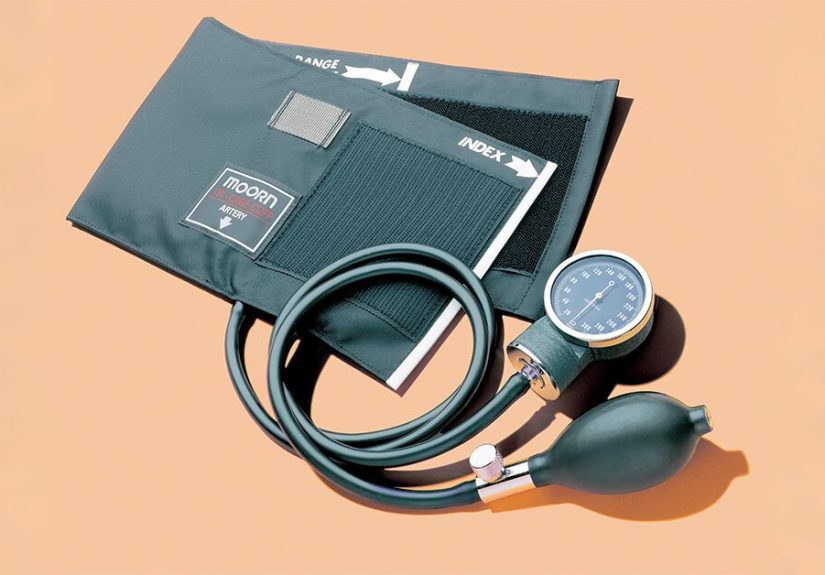
Before you do anything else, get better data. Use an automatic upper-arm cuff if possible. Sit quietly for a few minutes. Keep your back supported, feet flat on the floor, arm at chest level, and cuff on bare skin. Do not talk during the reading. Do not measure right after exercise, caffeine, smoking, or a fresh burst of outrage from social media.
Take readings at consistent times and track them for a week or two. Patterns tell the truth more clearly than one random reading taken while you are late for something.
Reduce the pressure on your nervous system
This does not mean “just relax,” which is terrible advice and somehow always sounds most insulting when you are stressed. It means creating repeatable habits that help your body shift out of high alert. Deep breathing, meditation, prayer, yoga, tai chi, time outside, therapy, journaling, and even ten quiet minutes without a screen can help lower stress load over time.
Move your body regularly
Exercise is one of the best two-for-one deals in health. It helps lower blood pressure and helps manage stress. Brisk walking, cycling, dancing, swimming, and other aerobic activity all count. You do not need to become a fitness influencer. You just need a routine your body recognizes as normal.
Take sleep more seriously than your group chat does
If stress is stealing your sleep, it may be pushing your blood pressure around too. Aim for a steady sleep schedule, reduce late-night screen time, limit alcohol close to bedtime, and create a wind-down routine that does not involve reading alarming news under a bright light.
Watch the sneaky coping habits
Stress can make people reach for salty comfort foods, extra drinks, cigarettes, or another day glued to the couch. No shame, just awareness. Small changes matter. More home-cooked meals, less sodium, less alcohol, and more movement can make a meaningful difference over time.
Ask for help sooner, not later
If your blood pressure is running high or stress feels unmanageable, talk with a healthcare professional. If anxiety, burnout, or depression is part of the picture, mental health support may help your overall health, not just your mood. Your brain and your blood vessels are on the same team, whether they always act like it or not.
Can lowering stress lower blood pressure?
Often, yes. Stress reduction is not a magic wand, but it can absolutely be part of a blood pressure plan. For some people, better stress management helps bring down mild elevations. For others, it improves sleep, decision-making, and consistency with medication, exercise, and food choices. Even when it is not the whole solution, it is usually a useful piece of the solution.
The key is consistency. One bubble bath after six months of chaos is lovely, but it is not a cardiovascular strategy. What tends to work better is a boringly reliable set of habits that makes your nervous system feel safer on a regular basis.
When to talk to a doctor
Make an appointment if your home readings are repeatedly high, if you have risk factors such as family history, diabetes, kidney disease, or obesity, or if stress is interfering with daily life. Seek urgent help right away for extremely high readings or if a high reading happens with symptoms such as chest pain, severe shortness of breath, fainting, sudden weakness, confusion, or major vision changes.
The good news is that hypertension is common, treatable, and very manageable when caught early. The less-good news is that it usually does not announce itself with fireworks. You have to check.
Real-life experiences: what this can look and feel like
For many people, the connection between stress and blood pressure does not arrive as a dramatic movie scene. It shows up quietly. A person might go through a rough work quarter, sleep badly for weeks, start relying on fast food and caffeine, and then get a surprisingly high reading at urgent care. At first, it seems random. Then they notice the pattern: the higher the stress, the less healthy everything else becomes.
Another common experience is the “I’m fine, just busy” phase. Someone may feel emotionally functional enough to keep going, but their body starts sending subtler messages. Their jaw stays tight. Their shoulders ache. They feel wired at night and groggy in the morning. Their patience gets shorter. Then a blood pressure machine reveals what their body has been trying to say with less polite language.
Caregivers often describe this especially well. A person caring for an aging parent, a sick partner, or a child with high needs may spend months in a constant state of alertness. They are not necessarily panicking every day. They are just never fully off duty. Meals happen whenever. Sleep becomes fragmented. Exercise turns into a fond memory. In that kind of prolonged strain, blood pressure can become one more thing that drifts upward while everyone is focused on immediate survival.
Work stress has its own flavor. Some people notice their numbers climb during performance reviews, layoffs, deadlines, or conflict-heavy jobs. Others discover they have white-coat hypertension because medical visits make them anxious, even though their readings at home are more normal. That experience can be strangely reassuring and frustrating at the same time. Reassuring because it is not always true hypertension. Frustrating because anxiety is still influencing the numbers.
Financial stress can also leave a clear mark. When someone is worried about rent, debt, job security, or basic stability, stress is not just mental background noise. It can affect food choices, sleep quality, medication adherence, and access to care. The body keeps the score in practical ways.
Some people also describe the opposite experience: they start managing stress and gradually see improvement. Not overnight, not magically, and not because they “thought positive thoughts” for three business days. More because they began walking daily, sleeping on a schedule, cutting back on alcohol, setting boundaries, or getting therapy. Their blood pressure did not improve because they became perfectly calm. It improved because their life became a little less punishing to their body.
That is what makes this topic important. Stress is not a personal failure. It is a biological and emotional load. When it becomes chronic, your body may respond in ways that deserve care rather than blame. If your blood pressure has been higher during stressful seasons, you are not imagining it. You are also not stuck with it. Patterns can change, and support can help.
Final takeaway
Can stress lead to high blood pressure? It can definitely raise blood pressure in the moment, and chronic stress may contribute to long-term hypertension directly or indirectly through sleep problems, unhealthy coping habits, inflammation, and repeated strain on the cardiovascular system. The relationship is real, even if it is not always simple.
The smartest move is not to argue with your cuff or blame your calendar and hope for the best. Check your numbers accurately. Look at patterns. Reduce stress where you can. Support your heart with better sleep, more movement, and healthier routines. And if your readings stay high, get medical guidance. Your mind and your blood pressure are more connected than they sometimes let on.
Note: This article is for educational purposes only and is not a substitute for medical advice, diagnosis, or treatment.