Table of Contents >> Show >> Hide
- The Short Answer: Yes, Fall Pruning Can Ruin Next Year’s Blooms
- Why Timing Matters So Much
- Which Hydrangeas Are Most at Risk from Fall Pruning?
- Which Hydrangeas Can Be Cut Back More Safely?
- How to Tell What Kind of Hydrangea You Have Before You Prune Anything
- The Best Pruning Schedule for Each Type
- Common Fall Pruning Mistakes That Cost Blooms
- What to Do If You Already Cut Your Hydrangeas Back in Fall
- Real-World Examples
- Should You Ever Prune Hydrangeas in Fall?
- Conclusion
- Gardener Experiences: What This Usually Looks Like in Real Life
- SEO Tags
Hydrangeas have a talent for making gardeners feel brilliant in July and personally betrayed in June. One year they explode with giant clouds of flowers. The next year they sit there like leafy interns, contributing enthusiasm but not much else. If you’ve ever stared at a hydrangea in spring and wondered whether your fall pruning spree was the botanical equivalent of deleting your own homework, the answer is: possibly, yes.
Whether cutting back hydrangeas in fall ruins next year’s blooms depends on one deceptively simple detail: what kind of hydrangea you have. Some types bloom on old wood, meaning the flower buds for next year form on stems produced the previous season. Cut those stems in fall, and you may be snipping off next year’s show before winter even arrives. Other types bloom on new wood, so they are much more forgiving. In other words, hydrangea pruning is not a haircut problem. It is a calendar problem.
The Short Answer: Yes, Fall Pruning Can Ruin Next Year’s Blooms
If your hydrangea blooms on old wood, cutting it back in fall can absolutely reduce or eliminate next year’s flowers. This is especially common with bigleaf hydrangea, oakleaf hydrangea, mountain hydrangea, and climbing hydrangea. These types set buds well before spring. By the time autumn rolls around, next season’s flower potential may already be sitting quietly on the stems you’re about to “tidy up.”
But if your plant is a panicle hydrangea or smooth hydrangea, fall pruning is less risky because those varieties bloom on new growth. Even then, many gardeners still prefer to wait until late winter or early spring. Why? Because dried flower heads look lovely in winter, the branch structure is easier to read before spring growth takes off, and delaying the cut avoids the temptation to overdo it while wearing a sweater and bad judgment.
Why Timing Matters So Much
Old Wood vs. New Wood
This is the big idea that saves blooms. Hydrangeas that flower on old wood create next year’s flower buds on stems that grew this year. Those buds usually form from late summer into fall and then sit through winter waiting for warm weather. If you prune those stems after the buds form, you remove the flowers before they ever get a chance to bloom.
Hydrangeas that flower on new wood form flower buds on fresh growth produced in the same year they bloom. That means you can cut them back during dormancy and they will still flower once new stems emerge. They are the easygoing hydrangeas of the group. They still appreciate thoughtful pruning, but they are not nearly as dramatic about it.
Winter Damage Can Add Insult to Injury
Fall pruning is not only about accidentally removing buds. In some climates, pruning too late can leave plants more vulnerable to winter dieback. Tender new growth may not harden off properly before freezing weather. Even if you leave some buds behind, winter injury or late spring frosts can damage them. That is one reason gardeners often think, “I didn’t prune much, so why didn’t it bloom?” Sometimes the pruning was only half the story; the weather finished the job.
Which Hydrangeas Are Most at Risk from Fall Pruning?
Bigleaf Hydrangea
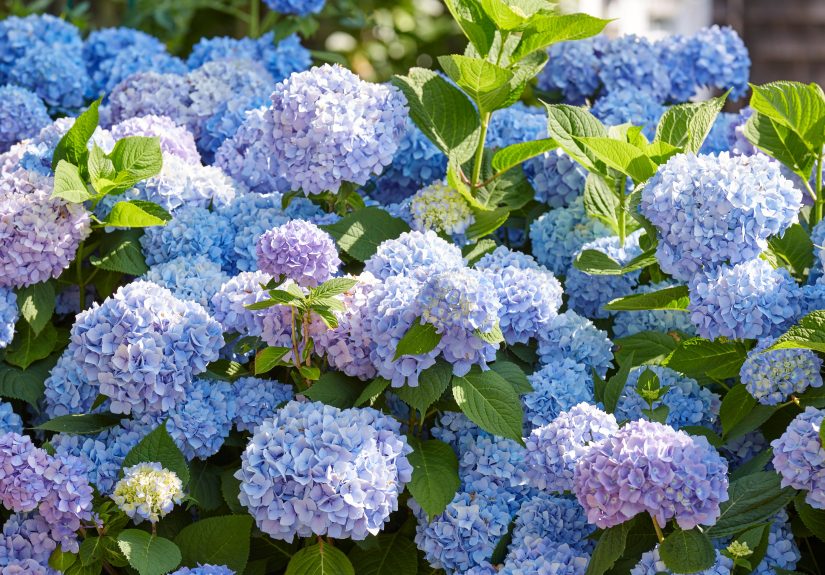
Bigleaf hydrangea (Hydrangea macrophylla) is the classic culprit in pruning disasters. This group includes mophead and lacecap hydrangeas, plus many beloved blue and pink varieties. Older cultivars bloom strictly on old wood, so cutting them back in fall can wipe out the next year’s display. If you have a traditional variety like a classic mophead, assume it is not thrilled about a fall haircut.
Some newer bigleaf hydrangeas, including reblooming types such as Endless Summer and similar series, can flower on both old and new wood. That gives them more flexibility, but not total immunity. If you prune heavily in fall, you may still lose the earliest and strongest flush of blooms that would have come from overwintered stems. Rebloomers are forgiving, not magical.
Oakleaf Hydrangea
Oakleaf hydrangea (Hydrangea quercifolia) is another old-wood bloomer. It is famous for cone-shaped flowers, bold foliage, and excellent fall color. It also generally needs less pruning than people think. If it outgrows its space, shape it right after flowering. If it is healthy and the size works, leave it alone. This is not a plant that benefits from routine fall downsizing just because the pruners are already out.
Mountain and Climbing Hydrangea
Mountain hydrangea (Hydrangea serrata) is closely related to bigleaf hydrangea and is usually pruned in much the same way. Climbing hydrangea blooms on old wood too and often needs little more than occasional cleanup and light shaping after flowering. When gardeners cut either one aggressively in fall, the result can be a lush plant with very few flowers the next season.
Which Hydrangeas Can Be Cut Back More Safely?
Panicle Hydrangea
Panicle hydrangea (Hydrangea paniculata) is the reliable overachiever. Varieties like Limelight, Little Lime, and Quick Fire bloom on new wood, so pruning them in dormancy is usually fine. You can cut them back to maintain shape, reduce height, or encourage sturdier stems. Even so, many gardeners prefer late winter or early spring rather than fall, because the dried blooms add winter interest and because it is easier to see what should stay and what should go.
Smooth Hydrangea
Smooth hydrangea (Hydrangea arborescens), including well-known types like Annabelle and Incrediball, also blooms on new wood. These can be cut back more heavily than old-wood types. In fact, some gardeners prune smooth hydrangeas fairly hard in late winter or early spring to encourage larger flowers. The tradeoff is that very hard pruning can sometimes lead to fewer but bigger blooms and stems that flop under the weight of those oversized flower heads. Hydrangeas, like people, perform best with boundaries.
How to Tell What Kind of Hydrangea You Have Before You Prune Anything
If you do not know which hydrangea is growing in your yard, pause before you cut. A few clues can help:
- Bigleaf hydrangea: broad, glossy leaves; blue, pink, purple, or mophead/lacecap blooms.
- Oakleaf hydrangea: leaves shaped like oak leaves; cone-shaped flowers; excellent fall color.
- Panicle hydrangea: cone-shaped blooms, often white aging to pink; usually more upright habit.
- Smooth hydrangea: rounded white or blush flower heads; native shrub with softer, more relaxed habit.
- Climbing hydrangea: a vine that clings to structures or trunks rather than forming a shrub.
If the plant tag is long gone and memory has left the building, the safest move is to skip major fall pruning. Wait until the plant begins to leaf out in spring, remove obvious dead wood, and observe how it grows and blooms for a season. Better one year of slightly shaggy charm than one year of zero flowers and deep regret.
The Best Pruning Schedule for Each Type
For Bigleaf, Oakleaf, Mountain, and Climbing Hydrangeas
- Prune only if needed.
- Do it right after flowering, not in fall, winter, or early spring.
- Remove dead, damaged, or weak stems once new growth appears in spring.
- Avoid cutting healthy stems back hard unless you are willing to sacrifice blooms.
For Panicle and Smooth Hydrangeas
- Major pruning is best in late winter or early spring.
- Cut to shape, reduce size, or encourage stronger growth.
- Avoid extreme shearing that creates awkward form or weak branching.
- Leave some framework on smooth hydrangeas if you want more support for large blooms.
For Reblooming Bigleaf Hydrangeas
- Treat them gently.
- Deadhead lightly if needed.
- Remove only dead wood in spring once buds begin to break.
- Do not assume “reblooming” means “prune whenever you feel inspired.”
Common Fall Pruning Mistakes That Cost Blooms
Mistake #1: Treating every hydrangea the same. Hydrangeas are not a single pruning category. Species matter.
Mistake #2: Cutting for neatness in October. A tidy shrub in fall can become a flowerless shrub in summer.
Mistake #3: Confusing deadheading with pruning. Snipping off spent blooms is not the same as cutting stems back by a foot or two.
Mistake #4: Shearing like a hedge. Hydrangeas are flowering shrubs, not boxwoods pretending to be cupcakes.
Mistake #5: Blaming fertilizer for a pruning problem. If buds were removed, extra feeding will not recreate flowers that were cut off months ago.
Mistake #6: Panicking in spring and cutting again. Sometimes stems look lifeless until growth begins. Wait before declaring them gone.
What to Do If You Already Cut Your Hydrangeas Back in Fall
First, do not punish the plant for your decision by pruning it again. Second, figure out which type you have. If it is a panicle or smooth hydrangea, you are probably fine. If it is an old-wood type, the plant itself will likely survive and leaf out normally, but flowering may be sparse or absent for the coming season.
Your best response is patience. Keep the hydrangea healthy with proper watering, mulch, and the right amount of light. Do not overfertilize in an effort to “make it bloom.” Focus on good care and correct pruning next year. Gardening has many lessons, but hydrangeas specialize in teaching them with floral consequences.
Real-World Examples
Example 1: A gardener cuts a blue mophead hydrangea down by half in October because the shrub looked floppy. The next summer, the plant leafs out beautifully but produces few or no flowers. Most likely explanation: next year’s buds were removed with the fall cut.
Example 2: A gardener prunes a Limelight panicle hydrangea in late February to control height. By midsummer, it flowers normally. That works because panicle hydrangeas bloom on new wood.
Example 3: A gardener lightly cleans up an Endless Summer hydrangea in spring, removing only stems that remain clearly dead after leaf-out. The plant still produces early flowers on overwintered wood and later flowers on new growth. That is the rebloomer sweet spot.
Should You Ever Prune Hydrangeas in Fall?
Sometimes, but selectively. If a branch is broken, diseased, or rubbing badly, removing it may be worthwhile. You can also deadhead certain hydrangeas carefully if you dislike spent blooms. But routine fall cutbacks are usually unnecessary for old-wood types and often unhelpful for hydrangeas in general.
If your goal is more flowers next year, your best strategy is not “prune harder.” It is “prune smarter.” Learn the species, respect the bloom cycle, and remember that hydrangeas are one of the few shrubs that can punish a well-intended cleanup with an entire season of silence.
Conclusion
So, can cutting back hydrangeas in fall ruin next year’s blooms? Absolutely, if you are growing a hydrangea that flowers on old wood. Bigleaf, oakleaf, mountain, and climbing hydrangeas are the most likely to lose their flower buds when pruned at the wrong time. Panicle and smooth hydrangeas are much more tolerant, but even those often look and perform better when major pruning waits until late winter or early spring.
The safest rule is simple: identify your hydrangea before you prune it. If you are not sure what you have, avoid heavy fall pruning. A slightly untidy hydrangea is still charming. A bloomless hydrangea is just a leafy reminder that confidence and correctness are not the same thing.
Gardener Experiences: What This Usually Looks Like in Real Life
One of the most common experiences gardeners report is the “mystery no-bloom year.” The plant looks healthy, the leaves are plentiful, and the shrub even grows taller than expected, yet there are little to no flowers. In many cases, this happens after a fall cleanup that seemed perfectly reasonable at the time. The gardener was not neglectful. In fact, the opposite was true. They were being attentive, organized, and proactive. Hydrangeas just happen to be the sort of plants that can turn good intentions into a floral plot twist.
Another common pattern shows up with bigleaf hydrangeas planted near front porches, walkways, or foundation beds. These shrubs get pruned in fall because they flop into paths or block windows. The shape improves instantly, which feels like success. Then the next summer arrives, and there is plenty of foliage but very few mopheads. That experience teaches a frustrating but valuable lesson: hydrangeas often store next season’s beauty in stems that do not look especially important in autumn. Gardeners cut for appearance in October and end up sacrificing performance in June.
Gardeners who grow panicle hydrangeas usually have a different experience. They often prune in late winter, cut confidently, and still get a great show. That reliability is one reason panicle types are so popular in landscapes where homeowners want drama without emotional paperwork. A panicle hydrangea usually forgives bold pruning, while an old-wood hydrangea keeps receipts.
There is also the reblooming hydrangea experience, which is a category all its own. Many gardeners buy a reblooming variety expecting total freedom. They hear that it blooms on both old and new wood and assume the plant will shrug off any pruning choice. Then they cut it back hard in fall and still get flowers the next year, but not the abundant early flush they expected. The plant blooms later and more modestly, which can be confusing. The lesson there is nuance: rebloomers are more flexible, but they still reward gentle handling.
Cold-climate gardeners often describe a double disappointment. They avoid pruning, do everything “right,” and still lose flowers after a harsh winter or late spring frost. That experience matters because it reminds us that pruning is only one piece of the bloom puzzle. On old-wood hydrangeas, flower buds have to survive not just your pruners but also the weather. This is why some gardeners leave dried flower heads on over winter, apply mulch around the base, or choose more cold-tolerant varieties after repeated setbacks.
Perhaps the most useful real-world takeaway is this: experienced gardeners become less eager to prune hydrangeas, not more. They learn to observe first, cut second, and cut lightly whenever the plant’s bloom habit is uncertain. They stop treating every unruly stem as a problem. They understand that with hydrangeas, restraint is often the difference between a leafy shrub and a spectacular one. It is not glamorous advice, but it works remarkably well.