Table of Contents >> Show >> Hide
- Table of Contents
- What Is Artemisinin (and How Is It Different From Artesunate)?
- Why Researchers Think Artemisinin Might Affect Cancer
- What Human Studies Say So Far
- Side Effects and Safety: What We Know (and What We Don’t)
- Drug Interactions: The Underestimated Plot Twist
- If You’re Considering Artemisinin: A Safer Decision Path
- FAQ
- Experiences: What People Commonly Run Into (About )
- Conclusion
Artemisinin has one of those “movie montage” origin stories: it comes from a plant (sweet wormwood), helped change malaria treatment, and now keeps popping up in cancer conversations. If you’ve seen claims like “this antimalarial kills cancer cells,” you’re not imagining thingsresearchers really have explored artemisinin and its relatives (especially artesunate) for possible anti-cancer effects.
But here’s the reality check (delivered with kindness and a tiny whistle): the strongest evidence so far is preclinicalmeaning lab dishes and animal models. Human research exists, but it’s limited, early-stage, and not a green light to self-treat cancer with supplements.
This article breaks down what artemisinin is, why scientists are interested, what clinical studies actually show, and what side effects and interactions deserve your full attention (not your “I’ll read that later” attention).
What Is Artemisinin (and How Is It Different From Artesunate)?
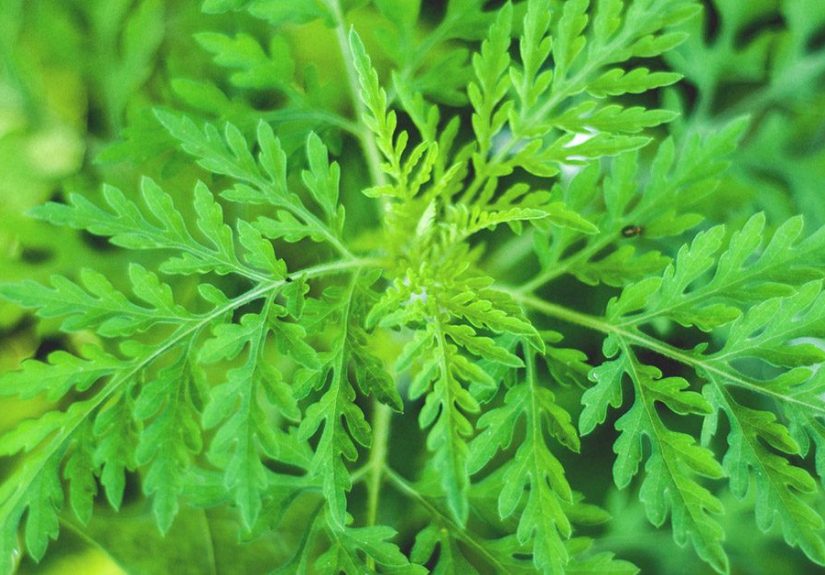
Artemisinin is a compound originally isolated from Artemisia annua (sweet wormwood). In modern medicine, its best-known role is in malaria therapy, often through related compounds called artemisinin derivatives.
Artesunate is one of the most studied derivatives because it’s easier to formulate (including injectable forms) and has been used globally in malaria care. When people talk about “artemisinin for cancer,” they may be referring to:
- Pure artemisinin (often sold as a dietary supplement in the U.S.)
- Artemisia annua extracts/tea (plant products with variable content)
- Artesunate (a pharmaceutical drug used for severe malaria; also researched in cancer trials)
- Dihydroartemisinin (an active metabolite and derivative used in some regions)
These are not interchangeable. Different forms have different absorption, dosing, quality control, and safety profiles. In cancer research, artesunate shows up frequently because it has clearer dosing and clinical-grade manufacturingtwo things supplements rarely guarantee.
Why Researchers Think Artemisinin Might Affect Cancer
Artemisinin didn’t become a cancer buzzword because someone sprinkled wormwood on a tumor and wished really hard. It became interesting because of mechanistic clues thaton paperlook like they could stress cancer cells more than normal cells.
The “iron + free radicals” theory (the main headline)
Artemisinin has a unique chemical feature (an endoperoxide bridge). In malaria, that structure can interact with iron-containing molecules and contribute to oxidative stress. Researchers have hypothesized that something similar might happen in cancer because many cancer cells have altered iron metabolism and may accumulate more iron than healthy cells.
In plain English: if a cancer cell is iron-hungry, artemisinin might exploit thatpotentially generating reactive oxygen species (ROS) or triggering cell stress pathways.
Other lab-observed effects (important, but still “lab”)
Across preclinical studies, artemisinin and derivatives have been associated with a variety of anti-cancer behaviors, such as:
- Cell-cycle arrest (slowing down cell division)
- Apoptosis (programmed cell death)
- Effects on angiogenesis (blood vessel formation that tumors use)
- Signaling pathway disruption (interfering with growth signals)
- Oxidative stress / mitochondrial pathways (cell “power plant” stress)
Why promising lab results don’t automatically translate to cancer treatment
This is the part that gets skipped on social mediaprobably because “complex and nuanced” doesn’t fit on a thumbnail.
Even if a compound kills cancer cells in a dish, real human bodies add complications:
- Concentration problem: the dose that affects cells in a lab may be hard to achieve safely in humans.
- Bioavailability: oral absorption can be unpredictable, especially for supplements and plant extracts.
- Tumor diversity: cancers are not one disease; what stresses one tumor subtype may do nothing to another.
- Drug interactions: cancer patients often take multiple medicationsand artemisinin-related products can alter drug metabolism.
So yes: the science is intriguing. But “intriguing” is not the same as “proven,” and your cells deserve the difference.
What Human Studies Say So Far
Human evidence is where things get honest, fast. There are clinical studiesbut they are generally small, early-phase, and focused on safety, dosing, feasibility, and biological signals (like tumor markers), not “miracle tumor melt.”
Example 1: A small colorectal cancer pilot study (oral artesunate before surgery)
One well-known randomized, double-blind, placebo-controlled pilot study looked at oral artesunate in people awaiting surgery for colorectal cancer. Participants received a short pre-operative course (commonly described as 200 mg daily for about two weeks), then researchers analyzed tumor tissue and markers.
What this kind of study can tell us:
- Whether the drug is feasible and tolerable in cancer patients
- Whether there are biological signals (changes in proliferation markers, apoptosis indicators, etc.)
What it cannot prove (because of size and design limitations):
- That artesunate is a stand-alone cancer treatment
- That it improves long-term survival across diverse patients
- That it’s safe to self-prescribe alongside chemotherapy
In other words: interesting signals, but not a clinical verdict.
Example 2: Phase I IV artesunate in advanced solid tumors
A phase I study evaluated intravenous artesunate in patients with advanced solid tumor malignancies. Phase I trials primarily aim to find safe dosing (maximum tolerated dose) and identify dose-limiting toxicities.
In this type of research, the headline is usually about tolerability rather than tumor shrinkage. Some participants may experience stable disease, but that’s not the same as a confirmed anti-cancer effectespecially in heavily pre-treated populations.
Where else is artesunate being studied?
Clinical trials evolve over time, but broadly, artesunate has been investigated or proposed in areas like:
- Pre-operative (neoadjuvant) settings where tissue can be studied after short exposure
- Combination strategies (because many repurposed agents are tested as add-ons)
- Pre-cancerous lesions (where local delivery is sometimes explored)
Bottom line: human research exists, but it’s not definitive. The most responsible interpretation is: artesunate is an active research topic, not an established cancer therapy.
Side Effects and Safety: What We Know (and What We Don’t)
Let’s talk safetybecause “natural” is not a synonym for “risk-free.” (Poison ivy is also natural. It does not care about your wellness goals.)
Commonly reported issues (especially with supplements/extracts)
Reports vary by product and dose, but side effects people may notice include:
- Dizziness
- Stomach upset (nausea, abdominal discomfortespecially at higher doses)
- Headache or general malaise
Hearing-related effects (yes, really)
Some research and case reports have raised concerns about hearing changes (including hearing problems and vertigo) in certain contextsparticularly when artesunate was used as an add-on in small safety-focused cancer studies. This doesn’t mean everyone gets it; it means it’s a signal worth respecting, especially if you already have hearing issues or are on other ototoxic medications.
Liver concerns: the hepatitis “don’t ignore this” moment
There has been a CDC-described case where hepatitis was temporally associated with an artemisinin-containing herbal supplement. One case doesn’t prove causation for everyonebut it’s enough to justify caution, especially for people with existing liver disease or those taking medications metabolized in the liver.
Separately, when artesunate is used as a drug (for severe malaria), medical references discuss liver enzyme elevations during treatmentoften complicated by the underlying illness. This reinforces a practical point for cancer patients: if you’re adding something new, labs matter.
Blood-related risks: hemolysis and anemia signals
In the pharmaceutical (severe malaria) setting, artesunate labeling includes warnings about post-treatment hemolysis (breakdown of red blood cells) and other serious reactions such as hypersensitivity. These are medical-level risksmeaning they belong in the “doctor-supervised” category, not the “I saw a thread about it” category.
Pregnancy and special populations
Clinical drug references for artesunate include cautions in pregnancy based on animal data, even while acknowledging lifesaving use in severe malaria. For cancer use, the risk-benefit landscape is completely differentso pregnancy is a strong reason to avoid self-directed artemisinin products unless a specialist explicitly recommends otherwise.
Safety takeaway: The most important risk isn’t just “a side effect.” It’s mixing artemisinin products with cancer meds without oversight, where interactions can quietly change drug levels.
Drug Interactions: The Underestimated Plot Twist
If artemisinin-related products were a movie character, drug interactions would be the surprise villain who shows up in the third act and ruins everyone’s plans.
Metabolism effects (enzymes matter)
Some clinical and laboratory discussions suggest artemisinin products may affect drug-metabolizing enzymes (notably certain CYP pathways). Even if the clinical impact varies, the risk is real enough that major cancer centers advise patients to tell their care team about supplements.
Interactions noted for artesunate (drug label context)
Pharmaceutical artesunate references include discussion of interactions involving metabolism pathways (including UGT-related interactions) and coadministration concerns with certain medications. This is one reason oncology teams tend to be cautious: cancer regimens often include drugs with narrow therapeutic windows, and small changes in metabolism can matter.
Practical interaction “hot zones” for cancer patients
Situations where adding artemisinin products can be especially risky include:
- Active chemotherapy (because dosing precision is critical)
- Targeted therapy (many are CYP/UGT sensitive)
- Immunotherapy + steroids (complex immune and metabolic dynamics)
- Anticoagulants (bleeding/clotting risk if drug levels shift)
- Anti-seizure meds (often strong enzyme inducers)
- HIV medications or other antiviral regimens
Interaction takeaway: Even if artemisinin itself seems “mild,” its ability to change metabolism can make other drugs feel not-so-mild.
If You’re Considering Artemisinin: A Safer Decision Path
If you’re here because you’re thinking about trying artemisinin for cancer, you deserve a plan that prioritizes safety and real evidencewithout judgment and without magical thinking.
Step 1: Decide what you actually want
- Are you looking for a curative therapy? (Artemisinin is not established for that.)
- Are you looking for adjunct support? (That requires interaction screening.)
- Are you looking for clinical trial options? (This is the most evidence-forward route.)
Step 2: Ask your oncology team these specific questions
- “Could this interact with my chemo/targeted therapy/immunotherapy?”
- “If I were to consider a trial, are there any studies near me involving artesunate or related agents?”
- “If I take any supplement, what labs should we monitor (CBC, liver enzymes, etc.) and how often?”
- “Are there safer evidence-based alternatives for what I’m trying to accomplish (sleep, appetite, anxiety)?”
Step 3: If you’re not in a trial, be realistic about supplements
Supplements vary. Potency varies. Label accuracy varies. Your cancer doesn’t care what the bottle promised.
If you and your clinician still decide an artemisinin product is appropriate, the safest version of reality includes:
- Documenting the exact product and dose
- Monitoring for symptoms (dizziness, hearing changes, dark urine, jaundice, unusual fatigue)
- Regular labs as recommended by your care team
- Stopping immediately and seeking care if serious symptoms appear
Important: Do not replace proven cancer treatment with artemisinin products. If a claim implies you can “skip chemo,” treat it like a phishing emailemotionally persuasive and medically dangerous.
FAQ
Is artemisinin proven to treat cancer?
No. The strongest evidence is preclinical. Human studies are limited, and artesunate/related compounds remain investigational for cancer.
Is artemisinin the same thing as Artemisia annua tea?
No. Tea and extracts can contain variable amounts of active compounds. Artemisinin is a specific compound; artesunate is a specific drug derivative. Different products, different reliability, different risk.
Can I take artemisinin during chemotherapy?
Don’t decide that alone. The biggest concern is drug interactions and overlapping toxicities. Always clear it with your oncology team.
What side effects should make me stop and call a clinician right away?
Symptoms like yellowing of the eyes/skin, dark urine, severe abdominal pain, unusual fatigue, shortness of breath, allergic reactions (hives, swelling, trouble breathing), significant dizziness/fainting, or new hearing problems should be treated as urgent warning signs.
Experiences: What People Commonly Run Into (About )
Note: The experiences below are drawn from common patterns clinicians report and what patients frequently describe in appointments and support communities. They are not a substitute for medical advice, and they are not proof of effectiveness.
1) The “I read it kills cancer cells” moment.
Many people discover artemisinin through an article, a podcast, or a viral post that highlights lab findings. The emotional logic is understandable: “If it kills cancer cells in studies, why isn’t everyone using it?” The answer is usually boring but important: lab studies are a starting line, not the finish line. People often feel frustratedespecially if they’ve been through multiple treatmentsand artemisinin can start to look like a “hidden” solution. In clinic, oncologists tend to reframe it as: “Interesting research, but not established care. Let’s talk evidence and safety.”
2) The supplement aisle reality check.
Some patients try to “play it safe” by using Artemisia tea or an over-the-counter artemisinin capsule. That’s when the next surprise shows up: inconsistent products. One bottle says “Artemisia,” another says “artemisinin,” another says “high potency extract,” and none of them come with the kind of dosing clarity you’d expect from a medication. This is where people often feel whiplashbecause the idea sounded scientific, but the purchasing process feels like buying mystery snacks at a gas station.
3) The side effects that don’t feel dramaticuntil they do.
People most often describe mild issues at first: light dizziness, a queasy stomach, fatigue that could be from… literally everything. The problem is that cancer patients already juggle symptoms from treatment, stress, and the disease itself. So artemisinin-related side effects can hide in plain sight. Occasionally, a patient reports something more specificlike new ringing in the ears or a change in hearingand that tends to trigger an immediate “stop and call the team” response, because it’s not worth gambling with potentially serious adverse effects.
4) The “should I take iron with it?” detour.
Because artemisinin research often mentions iron metabolism, some online advice encourages pairing it with iron supplements. Clinicians tend to shut that down quickly for many patients, especially those with certain cancers, liver concerns, or complex blood counts. Iron isn’t a harmless “booster”it can be risky and medically inappropriate depending on the person. This is a classic example of how a true mechanistic idea can turn into unsafe DIY experimentation.
5) The best-case experience: a supervised, evidence-forward approach.
The most productive stories usually involve patients who bring the topic to their oncologist early, ask about interactions, and explore legitimate clinical trials if available. Even when a trial isn’t an option, that conversation helps the care team understand what the patient is hoping for (control, hope, fewer side effects, something “extra”) and redirects those goals into safer, evidence-based support strategies.
Conclusion
Artemisinin and its derivativesespecially artesunateare genuinely interesting in cancer research because their biology suggests plausible anti-cancer mechanisms, and early human studies have explored safety and signals in specific settings. But today, the honest answer to “Can artemisinin treat cancer?” is:
Not as a proven therapy. It’s an investigational area with early clinical research, real side effect considerations, and meaningful interaction risksparticularly for anyone undergoing active cancer treatment.
If you’re curious, the safest path is to treat artemisinin as a clinical-trial conversation, not a self-directed cure. Your future self (and your liver enzymes) will thank you.