Table of Contents >> Show >> Hide
- Why body image can change so much after ostomy surgery
- The most common body image struggles with an ostomy pouch
- What makes body image worse
- What actually helps you feel better in your body
- Body image and intimacy with an ostomy
- How partners, family, and friends can help
- Rebuilding confidence takes practice, not perfection
- What to tell yourself on the hard days
- Conclusion
- Experiences related to body image issues when you have an ostomy pouch
An ostomy pouch can save your health, restore your freedom, and give your body a safer way to heal. It can also mess with your head a little. Or a lot. One day you are focused on surgery, recovery, and getting through the week. The next day you catch your reflection in the mirror, notice the outline under your shirt, and think, “Well, this is… new.” That reaction is more common than many people realize.
Body image issues when you have an ostomy pouch are not shallow, dramatic, or something you should simply “get over.” They are part of adjusting to a real physical change. An ostomy can affect the way you dress, the way you move, the way you think about dating, the way you show up at the beach, and even the way you feel in your own skin when no one else is around. The good news is that body image after ostomy surgery can improve. Not always overnight. Not with a magical pep talk. But with time, practical support, better pouch management, and a lot more self-respect than shame, many people begin to feel like themselves again.
This article takes an honest look at ostomy confidence, self-esteem, and emotional adjustment. We will cover why body image changes hit so hard, what daily triggers tend to make them worse, and what actually helps people build comfort, confidence, and a sense of normalcy again.
Why body image can change so much after ostomy surgery
Body image is not just about appearance. It is about identity. It is about whether your body feels familiar, dependable, attractive, and fully yours. An ostomy changes function and appearance at the same time, which is a double whammy. Your abdomen may look different. Your routine changes. Your clothes may fit differently. You may think about leakage, noise, odor, or the visibility of the pouch even when nobody else notices a thing.
That is why body image concerns after ostomy surgery often show up as more than “I do not like how I look.” They can sound like this instead:
- “I do not feel like myself anymore.”
- “I am worried people will notice.”
- “I do not know what to wear.”
- “I am afraid to date.”
- “I feel grateful to be alive, but I still hate this part.”
That last one is especially important. You can be thankful for surgery and still grieve what changed. Those two feelings can sit at the same table. They may not be best friends, but they absolutely coexist.
The most common body image struggles with an ostomy pouch
1. Feeling visible, even when you are not
Many people with an ostomy feel like the pouch is obvious to everyone. In reality, most modern ostomy systems are much more discreet than people fear. Still, anxiety can make the pouch feel like it has its own spotlight, backup dancers, and a microphone. You may assume others can see the outline, hear every rustle, or somehow sense your stress from across the room. That kind of hyper-awareness can make social situations exhausting.
2. Worrying about leaks, odor, or noise
Body image is deeply tied to confidence. If you are constantly worried about a pouch malfunction, it is hard to feel relaxed in your body. You may avoid fitted clothes, exercise classes, road trips, or sleepovers because your brain is running a full emergency drill at all times. Sometimes the issue is emotional. Sometimes it is practical. A poor pouch fit, irritated skin, or the wrong supplies can quietly chip away at confidence day after day.
3. Dressing like a stranger
Clothing can become an emotional battlefield after ostomy surgery. Some people start buying oversized items they do not even like just to hide the pouch. Others stop wearing favorite jeans, dresses, or swimwear because they feel exposed. Style, however, is not trivial. Clothing is one of the ways people reclaim identity. When you stop dressing like yourself, you may feel like you are disappearing in small daily ways.
4. Dating and intimacy anxiety
Whether you are single, partnered, young, older, or somewhere in the romantic wilderness we call “it is complicated,” an ostomy can affect how desirable you feel. Many people worry about when to tell a partner, how to explain the pouch, or whether physical closeness will feel awkward. Those concerns are real. They also do not mean love, affection, and intimacy are off the table. They just mean you may need time, communication, and a confidence-building strategy that is kinder than panic.
5. Feeling “medically different” all the time
An ostomy can make you feel like your body is no longer private. Supplies, skin checks, appliance changes, follow-up visits, and troubleshooting can keep you focused on your abdomen in a way that feels clinical instead of natural. It is hard to feel spontaneous when your body starts to feel like a project. Even a very well-managed ostomy can bring a level of body monitoring that takes emotional energy.
What makes body image worse
Body image struggles tend to grow in silence. They often get worse when people compare themselves to their pre-surgery body, avoid mirrors completely, isolate from others, or assume they have to figure everything out alone. Social media does not always help either. It is hard enough adjusting to a pouch without also being haunted by a thousand flat-ab influencers who apparently wake up looking like a luxury water ad.
Other things that can intensify body image issues include:
- skin irritation or poor pouch fit
- lack of education about pouching options
- fear after an early leak or embarrassing moment
- depression, anxiety, or unresolved medical trauma
- unsupportive comments from others
- pressure to “be positive” before you are ready
That last point matters. Forced positivity can feel like emotional spam. You do not need to adore every part of the experience to move forward. You just need room to be honest.
What actually helps you feel better in your body
Get the pouching system right
This is more important than many people think. A better fit can reduce leaks, skin problems, bulkiness, and anxiety. If your pouch constantly shifts, balloons, rubs, or makes you feel physically insecure, that is not a character flaw. That is a setup problem. Working with an ostomy nurse or WOC nurse can make a major difference. Sometimes confidence improves not because you suddenly became enlightened, but because your pouch finally stopped acting like a tiny plastic chaos goblin under your sweater.
Learn your body again
Body confidence after an ostomy often comes from familiarity. That means learning how your stoma behaves, when your pouch is fullest, which clothes feel supportive, and what routine helps you feel most prepared. The more predictable your system becomes, the less mental space fear gets to occupy.
Dress for comfort and identity
You do not need to dress to hide yourself. You need to dress to support yourself. Some people prefer high-waisted pants, wraps, layered tops, or underwear designed for ostomy support. Others wear exactly what they wore before surgery with only minor changes. The goal is not to follow a fashion rulebook. The goal is to feel secure, comfortable, and recognizable to yourself again.
Talk to other people with ostomies
Peer support helps because it replaces catastrophic guesses with lived reality. Someone who has actually gone swimming, gone on dates, returned to work, or worn a fitted dress with an ostomy can offer a level of reassurance that generic encouragement cannot. Support groups, advocacy communities, and online forums can remind you that you are not the only person having these thoughts at 2:14 a.m.
Use counseling when the emotional load is heavy
Therapy is not just for crisis. It can help with grief, body acceptance, social anxiety, relationship stress, and the identity shift that sometimes follows surgery. If your self-esteem has plummeted, if you avoid leaving the house, or if your body feels unfamiliar in a painful way, talking with a counselor can be part of healing, not a sign that you are failing.
Body image and intimacy with an ostomy
Let us say this clearly: having an ostomy does not erase your attractiveness, your sexuality, your tenderness, or your ability to be loved. It may, however, make you feel vulnerable. That is different.
When people worry about intimacy with an ostomy pouch, the fear is often less about the pouch itself and more about being seen. Seen as changed. Seen as fragile. Seen as undesirable. Those fears can be powerful, especially early after surgery. But confidence tends to grow when intimacy becomes something you approach on your own terms.
Practical steps can help. Many people feel more at ease by emptying the pouch beforehand, using a smaller pouch if appropriate, or wearing a wrap or close-fitting garment that makes the appliance feel more secure. Emotional steps matter too. Honest communication, slow pacing, and permission to pause can make a huge difference. You do not owe anyone a perfect performance of confidence. You do not have to “prove” you are okay. You get to be human.
How partners, family, and friends can help
If you love someone with an ostomy, your reaction matters more than you may realize. Support is not just saying, “I do not care.” It is showing that you are not scared of the topic, not disgusted by the pouch, and not rushing the person through their adjustment. Helpful support sounds like this:
- “You can talk to me about what feels hard.”
- “You do not have to pretend this is easy.”
- “Let me know what makes you feel more comfortable.”
- “You are still you.”
Unhelpful support sounds like this: “At least you are alive, so stop worrying about it.” True statement, terrible timing.
Rebuilding confidence takes practice, not perfection
Body acceptance with an ostomy rarely arrives in one cinematic moment. It usually shows up in smaller victories. The first time you wear real pants again. The first time you go out to dinner without checking your pouch every six minutes. The first time you laugh when your abdomen makes a weird noise instead of wanting to disappear into the floor. The first time you realize you went three whole hours without thinking about the pouch at all.
Progress may not be linear. A leak, a bad fitting day, a change in weight, or a random emotional slump can make confidence wobble. That does not mean you are back at the beginning. It means you are adjusting to a body that still deserves patience.
What to tell yourself on the hard days
On the hardest days, body image advice should be practical enough to use. Try replacing harsh internal commentary with something steadier:
- “This body has changed, but it is still mine.”
- “Feeling awkward today does not mean I will feel awkward forever.”
- “My pouch is a medical tool, not a measure of my worth.”
- “Comfort can come before confidence.”
- “I do not need to love every part of this to respect myself.”
That is not cheesy. That is maintenance. Your thoughts need better equipment too.
Conclusion
Body image issues when you have an ostomy pouch are deeply human. They touch identity, visibility, intimacy, routine, and self-esteem all at once. If you are struggling, you are not being vain. You are adjusting to a major change. The most helpful path forward usually combines practical care and emotional care: better pouch fit, better education, supportive clothing, peer connection, honest communication, and sometimes counseling.
An ostomy can change your body, but it does not cancel your style, your confidence, your relationships, your humor, or your future. The goal is not to become someone who never feels self-conscious again. The goal is to build a life in which self-consciousness stops being the loudest voice in the room. And yes, sometimes that starts with finding pants that cooperate.
Experiences related to body image issues when you have an ostomy pouch
The following composite experiences reflect common themes many ostomy patients describe. They are included to make the emotional side of this topic more relatable and more real.
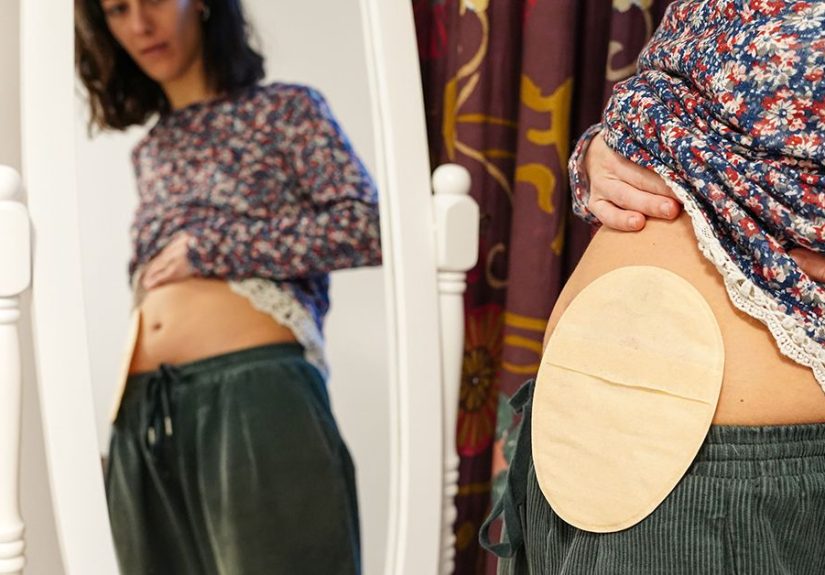
Experience one: the mirror stage. For many people, the first shock is private. It happens in the bathroom mirror. You know the pouch is there because of surgery, but knowledge and acceptance are not the same thing. A person may look down and think the pouch seems huge, obvious, and impossible to ignore. They may avoid fitted clothing, stop taking photos, and angle their body away from mirrors. What they often describe is not just dislike of the pouch, but a strange sense that their body no longer feels familiar. The recovery process can feel like getting reintroduced to yourself, except the new version did not bother to warn you first.
Experience two: the clothing crisis. A lot of emotional distress shows up in getting dressed. Something as simple as choosing a shirt for lunch can turn into a 30-minute debate about what might cling, bunch, or reveal the edge of the appliance. Some people buy clothes two sizes too big because they think hiding is the same thing as comfort. Later, after more trial and error, they often find a few outfits that make them feel both secure and attractive again. That moment matters. It is not just about fashion. It is about identity returning in practical form.
Experience three: the first social outing. Many ostomy patients remember the first dinner out, first date, first office day, or first long car ride after surgery. Even if nothing goes wrong, the fear can be loud. They may scan for restrooms, keep checking the pouch, or sit stiffly through an entire conversation. But after a few successful outings, something changes. The body starts to feel less like a public emergency and more like a body again. Confidence often grows through repetition, not inspiration.
Experience four: the intimacy pause. People in relationships often say the hardest part is not always physical closeness. It is anticipation. It is worrying about the look on a partner’s face, or wondering whether they are still attractive. Some patients describe planning every detail beforehand, from emptying the pouch to choosing clothing that feels more secure. What helps most is usually a patient partner, open communication, and permission to move slowly. The emotional turning point often comes when a person realizes they are still lovable without pretending to be unaffected.
Experience five: the confidence rebuild. Confidence after ostomy surgery rarely returns all at once. It is usually rebuilt through tiny victories: changing the pouch without panic, going to work, wearing jeans again, laughing off a weird noise, taking a walk, booking a trip, or talking honestly with another ostomate. Over time, many people say the pouch becomes less of a personal spotlight and more of a practical part of daily life. It may never become their favorite accessory, which is fair because almost nobody dreams of accessorizing with medical supplies. But it can become manageable, familiar, and less emotionally loaded than it once was.
That is the bigger truth behind ostomy body image: the struggle is real, but so is adaptation. A person may begin this journey feeling embarrassed, disconnected, or deeply self-conscious. Later, that same person may still have difficult days, but they also have tools, language, routines, support, and a stronger sense of self. In many cases, confidence does not come from pretending nothing changed. It comes from learning that life, beauty, and dignity did not end when the body changed shape.