Table of Contents >> Show >> Hide
- Why Blood Donation Matters More Than People Think
- Top Benefits of Donating Blood
- Common Side Effects of Donating Blood (and How to Handle Them)
- How Your Body Recovers After Donating Blood
- Eligibility Basics: Who Can Donate Blood?
- What to Expect During the Blood Donation Process
- Safety, Testing, and What Happens to Donated Blood
- Tips for a Great Donation Day (So You Don’t Hate It)
- Who Should Be Extra Cautious?
- Frequently Asked Questions
- Real-World Experiences: What Donating Blood Actually Feels Like (500+ Words)
- Conclusion
- SEO Tags
If you’ve ever wondered whether donating blood is a “big deal,” here’s the honest answer:
it’s a big deal for someone else… and a pretty manageable deal for you. One appointment can
support surgeries, cancer treatment, trauma care, and emergencies that don’t exactly RSVP
ahead of time. And yesthere are real, normal “after donating blood” side effects, too.
The good news? Most are mild, short-lived, and totally avoidable with a few smart moves.
This guide breaks down the biggest benefits of donating blood, the most common blood donation
side effects, and practical tips so your experience is smooth, safe, and maybe even a little
satisfying (in a “I just did something that matters” kind of way).
Why Blood Donation Matters More Than People Think
Blood isn’t something hospitals can manufacture in a lab at scale. It comes from peopleregular
people who took a small chunk out of their day to help a stranger. In the U.S., someone needs
blood about every two seconds, and blood products are used every day for a huge range of reasons,
from childbirth complications to chronic illness care. That constant need is why blood drives
don’t happen “just when there’s a crisis.” They happen because the demand never really stops.
Here’s the part that surprises many first-time donors: your single whole blood donation can be
separated into components (red cells, platelets, plasma), which can help more than one patient
depending on clinical needs. In other words, one donation can ripple outward further than you’d
expect from something that takes about the length of a long lunch break.
Where donated blood goes (real-life examples)
- Emergency care: car crashes, falls, natural disasters, severe bleeding.
- Surgeries: planned procedures still require backup blood supply.
- Cancer treatment: many patients need transfusions during chemo.
- Childbirth: postpartum hemorrhage can escalate quickly.
- Blood disorders: some conditions require repeated transfusions.
If you like tangible impact: blood donation is one of the clearest “this helps immediately”
actions you can take. No complicated equipment required. Just you, a comfy chair, and a snack
afterward that tastes 12% better because you earned it.
Top Benefits of Donating Blood
1) You help keep the community’s blood supply stable
Hospitals depend on a steady inventoryespecially for red blood cells, platelets, and plasma.
When donations drop (holidays, summer breaks, bad weather), shortages can show up fast. Regular
donors help smooth out those dips, making the whole system less fragile.
2) Your donation can potentially help multiple patients
Whole blood is often processed into components. Clinically, that matters because a trauma patient
might need red cells, while another patient needs platelets, and someone else needs plasma. When
your donation is split by component, it can support different types of treatment in different
people.
3) You get a mini health screening at the donation site
Most blood centers check key vitals before you donate. Typically, that includes your blood
pressure, pulse, and a hemoglobin screen (often a finger prick) to help confirm you’re not
donating while anemic. Think of it as a quick “systems check” before you proceed.
Is it the same as a full physical? Nope. But it can be a helpful early nudge if something looks
offlike a low hemoglobin value that might prompt you to follow up with a clinician.
4) You get the feel-good benefit (which is real, not cheesy)
Donating blood is one of those rare things that’s both simple and meaningful. You don’t have to
be an expert, wealthy, or wildly connected. You just show up. Many donors describe a lasting sense
of purposeespecially when donating becomes a routine rather than a one-time “someday” plan.
5) You might learn more about your blood type and donation options
Blood type matters for matching patients. Some types are in especially high demand at different
times. And beyond whole blood, there are specialized donation types (like platelets or “double red”
/ “power red” donations) that may be a better fit for certain donors and certain community needs.
If you’re the kind of person who likes optimizing (and who isn’t, at least a little?), blood centers
can help you choose a donation type that matches your blood type and eligibility.
Common Side Effects of Donating Blood (and How to Handle Them)
Let’s talk about the part everyone wonders but nobody wants to say out loud:
“Will I feel weird after donating blood?”
Sometimes, yes. Usually, it’s mild. Blood donation is considered safe for healthy people, and
sterile, single-use equipment is standard. But your body notices when you give about a pint of blood,
even if it’s a small fraction of your total blood volume. The key is knowing what’s normal, what helps,
and when to ask for medical advice.
Most common blood donation side effects
- Lightheadedness or dizziness: Often from a brief drop in blood pressure or anxiety.
- Fatigue or “I need a nap” feeling: Especially after whole blood or double red donations.
- Bruising or tenderness at the needle site: Usually mild and temporary.
- Nausea: Less common, often improves quickly with rest and fluids.
What to do if you feel dizzy
The boring-sounding advice is the best advice: stop, sit or lie down, and elevate your legs if you can.
Hydrate. Snack. Give your body a minute to recalibrate. Donation staff see this all the time and can help.
Most people feel better quickly.
Bruising: normal, annoying, and usually harmless
A small bruise can happen if a little blood leaks under the skin near the needle site. It may change color
over several days (your arm doing a tiny tie-dye project without asking permission). Cool compresses early
can help; gentle warmth later can be soothing. If swelling, severe pain, or symptoms worsen, that’s a reason
to check in with a healthcare professional.
Iron loss and low hemoglobin: the side effect that matters long-term
Donating blood reduces iron in your body because iron is used to make hemoglobin (the oxygen-carrying part
of red blood cells). For many people, this is not a problemyour body replenishes with time and a normal diet.
But frequent donors, people who already have low iron stores, and some teens and menstruating individuals may
be at higher risk for iron deficiency.
If you donate regularly, it’s smart to prioritize iron-rich foods (think lean meats, beans, leafy greens,
fortified cereals) and talk with a clinician if you’ve ever been told you’re low in iron or feel unusually tired.
Some people may benefit from an iron supplementbut that’s a “check with your healthcare provider” conversation,
not a “random internet dare.”
How Your Body Recovers After Donating Blood
Recovery is basically your body running a well-practiced refill routine. The fluid portion (plasma volume) is
typically replaced quicklyoften within about a dayespecially if you hydrate well. Red blood cells take longer,
commonly several weeks, which is why donation intervals exist.
Typical recovery timeline (general, not a promise)
- First 24 hours: Fluid volume rebounds; you may feel normal or mildly tired.
- Next few days: Most people have no lingering symptoms; bruising (if present) fades gradually.
- Next 4–6 weeks: Red blood cells are replenished; iron stores may take longer, depending on diet and baseline levels.
Practical takeaway: treat donation day like a “light activity” day. You don’t need to dramatically change your
lifejust don’t schedule a personal-record deadlift session or a marathon immediately afterward.
Eligibility Basics: Who Can Donate Blood?
Blood donor eligibility rules exist to protect both donors and recipients. Requirements vary slightly by state,
organization, and donation type, but the core standards are pretty consistent.
Common requirements (general guidelines)
- Age: Many places allow donation at 16 with parent/guardian consent (depending on state rules) and commonly at 17+ without consent.
- Weight: Often at least 110 pounds for whole blood donation.
- Health status: Feeling well on donation day (no fever, no active illness symptoms).
- Hemoglobin: A minimum hemoglobin level is typically required (often higher for “power red” donations).
How often can you donate?
Donation frequency depends on what you donate:
- Whole blood: Commonly every 56 days (about 8 weeks), up to about 6 times per year.
- Double red / power red: Often every 112 days (about 16 weeks), up to around 3 times per year.
- Platelets (apheresis): Can be more frequent (often weekly), with limits per year.
- Plasma (special programs): Frequency varies by organization and rules.
If you’re unsure, the easiest approach is to schedule with a reputable blood center and complete their eligibility
questionnaire. They’ll screen you privately, review travel/health/medication factors, and guide you to the best
donation type for your situation.
What to Expect During the Blood Donation Process
If movies taught us anything, it’s that blood donation involves dramatic lighting and someone yelling,
“We’re losing them!” In reality, it’s calm, organized, and honestly a little boring in the best way.
Step-by-step overview
- Registration: You show ID and check in.
- Screening: Private questions about health and travel, plus quick vitals and a hemoglobin check.
- Donation: The actual draw for whole blood is often around 10 minutes (your total visit is longer).
- Refreshments & recovery: You rest, snack, hydrate, and get aftercare instructions.
Tip that veteran donors swear by: don’t show up dehydrated and hungry. The “I skipped breakfast and only had coffee”
approach is a great way to meet dizziness up close. Water + a real meal = smoother donation.
Safety, Testing, and What Happens to Donated Blood
Donated blood is handled carefully. Donation centers use sterile, single-use collection supplies, and donated blood
is tested for multiple infectious disease markers as part of blood safety standards. That testing helps protect recipients
and maintain trust in the blood supply.
While blood donation is very safe for donors, it’s still a medical procedure. If you have questions about a condition,
medication, recent travel, tattoos, or anything else that might affect eligibility, ask the donation center directly.
They deal with “Can I donate if…?” questions all dayand they’d much rather answer now than defer you later.
Tips for a Great Donation Day (So You Don’t Hate It)
Before you donate
- Get a solid night’s sleep.
- Eat a balanced meal (include iron-rich foods when possible).
- Drink extra water in the hours leading up to your appointment.
- Wear sleeves that can roll up easily.
Right after donating
- Sit for a few minutes and enjoy the snack (yes, you earned it).
- Avoid heavy lifting or intense workouts for the rest of the day.
- Keep the bandage on as instructed and check the site for bleeding.
- If you feel lightheaded: sit/lie down, elevate your legs, and hydrate.
Over the next 24–48 hours
- Hydrate like it’s your new hobby.
- Choose iron-rich meals if you donate regularly.
- Listen to your bodyif you’re tired, rest.
Who Should Be Extra Cautious?
Blood donation isn’t “one-size-fits-all,” and that’s okay. You may be temporarily deferred if you’re sick, recently traveled,
have certain new tattoos/piercings, recently had a medical procedure, or if your hemoglobin is below the minimum.
Those rules aren’t punishmentsthey’re safety guardrails.
If you’ve ever had iron deficiency, fainting episodes, or a medical condition affecting blood volume or clotting,
it’s worth talking to a clinician and the donation center before donating. When in doubt, choose caution over bravado.
(This is one area where “toughing it out” is not a personality flex.)
Frequently Asked Questions
Does donating blood hurt?
Most people describe a quick pinch at the start, like a standard blood draw, and then minimal discomfort.
Anxiety can make it feel worse than it is, so slow breathing and looking away (proudly) can help.
How much blood do they take?
Whole blood donation is commonly about one pint (roughly 450–500 mL), which is a small fraction of the average adult’s
total blood volume.
Can donating blood lower your risk of heart disease?
You may see claims that donating blood improves heart health by reducing iron. The science is mixed, and reputable medical
guidance generally treats blood donation as a community benefit firstnot a guaranteed personal health strategy. If you’re
considering donation mainly for “health optimization,” it’s better to view potential donor health perks (like screenings and
iron awareness) as secondary bonuses rather than primary medical treatment.
What if I’m turned away for low hemoglobin?
It happens. A low hemoglobin screen can be a sign your iron stores need attention (or that you need more time since your last
donation). Focus on iron-rich foods and talk to a clinician if low levels persist. Being deferred isn’t a failureit’s your body
asking for maintenance.
Real-World Experiences: What Donating Blood Actually Feels Like (500+ Words)
The “First-Time Donor” Experience
The first time you donate, your brain may treat the event like you’re auditioning for a medical drama. You’ll notice every sound.
You’ll wonder if your elbow is supposed to feel like that. You’ll think, Is this chair too comfy? Why is it so comfy?
And then you’ll realize it’s… fine. The staff is calm, the process is structured, and most of the “scariness” is just anticipation.
A common first-timer moment: the finger-prick hemoglobin test. People fear it more than the actual needle, mostly because it’s quick
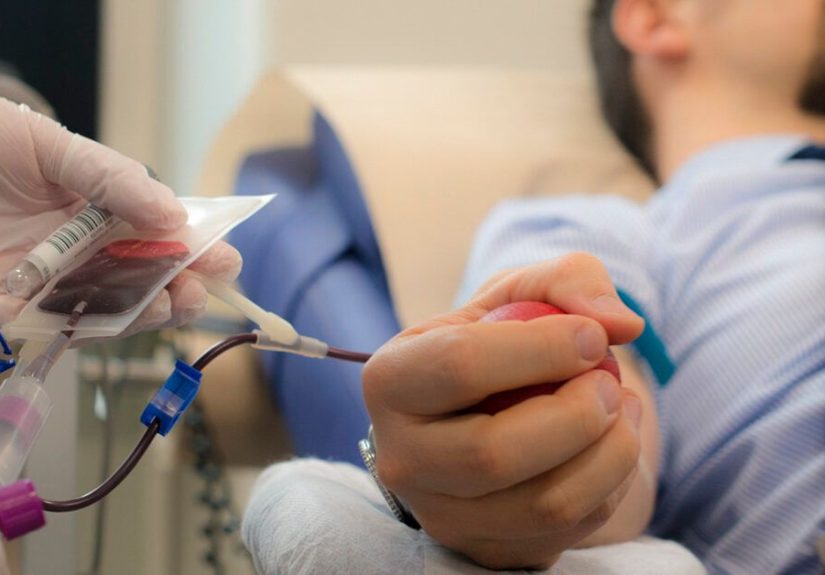
and unexpected. After that, it’s usually a short pinch and then a lot of waiting while you squeeze a stress ball and pretend you’re
not checking the clock every 90 seconds. (Pro tip: bring earbuds or chat with the staffboth make time move faster.)
When it’s over, many first-time donors feel a mild wave of pride that’s oddly energizing. Not “I just climbed Everest” energymore like
“I did something I’d been putting off, and it wasn’t a big deal.” That emotional boost is real. It’s also why so many people become repeat
donors: once the mystery is gone, the whole thing feels straightforward.
The “I Donate When I Remember” Experience
Some donors aren’t on a strict schedule. They donate when a blood drive pops up at work, when a friend asks, or when a community message
hits their feed. This group often describes blood donation as a “habit I wish I had sooner.” The experience tends to get easier with repetition:
you learn what meal works best beforehand, how much water you need, and what time of day you feel most stable.
A lot of casual donors learn the hard way that skipping food is a mistake. The story usually goes like this: “I was running late, so I donated
on an empty stomach… and then I met the floor.” The good news is that even when lightheadedness happens, staff know exactly what to do. The better
news is that most donors never repeat the “coffee-only breakfast” experiment again.
The “Regular Donor” Experience
Regular donors often talk about a quiet confidence that builds over time. They know their routine: hydrate the day before, eat a real meal, show up
in a short-sleeve shirt, and plan a lower-key evening afterward. Some donors treat it like a personal tradition: donate, grab a favorite snack, and
take a guilt-free nap. Others like the community vibe of blood drivessmall talk with volunteers, friendly staff, and the shared feeling that everyone
is doing something worthwhile.
Regular donors also become more aware of iron. They learn what “low hemoglobin” means in real life, and they start paying attention to energy levels,
diet, and recovery. Many describe this as a surprising benefit: donating blood nudges them to treat nutrition and rest more seriously. Not in an extreme
wayjust in a “my body has an accounting system, and iron is part of the budget” way.
The “Teen Donor / School Blood Drive” Experience
High school and college blood drives can feel like a mix of community service and social event. There’s often nervous laughter, a lot of friends showing
support, and the occasional person who suddenly realizes needles are not their love language. Teen donors who are eligible often say the most memorable part
isn’t the donation itselfit’s the feeling afterward: “I didn’t know I could do something that important this easily.”
For younger donors, the best experiences usually happen when they follow the basics: eat beforehand, hydrate, and don’t try to “act tough.” Donation day
is not the day to skip lunch to prove you’re unbothered. Your body is allowed to be practical.
Across all these experiences, one theme keeps repeating: the process is more normal than people expect, and the impact is bigger than it looks. If you’re
on the fence, the simplest next step is to learn your eligibility, pick a reputable blood center, and plan your donation like you’d plan anything else:
with food, water, and a little bit of common sense.