Table of Contents >> Show >> Hide
- What Is Belgian Unprimed Linen?
- Why Artists Love Belgian Unprimed Linen
- Belgian Unprimed Linen vs. Primed Linen vs. Cotton Canvas
- How to Prepare Belgian Unprimed Linen
- Choosing the Right Weave and Weight
- Best Uses for Belgian Unprimed Linen
- Common Mistakes to Avoid
- Is Belgian Unprimed Linen Worth It?
- Studio Experiences with Belgian Unprimed Linen
- Conclusion
Some painting surfaces whisper. Belgian unprimed linen clears its throat like a seasoned museum curator and says, “Please do not waste my potential on lazy prep.” That may sound dramatic, but artists have loved linen for centuries for good reason. It has a reputation for strength, a beautiful natural texture, and a refined surface that feels more intentional than ordinary canvas. If cotton is the dependable daily driver, Belgian unprimed linen is the tailored jacket hanging in the closet, waiting for a serious outing.
For painters who want maximum control, Belgian unprimed linen is especially appealing. It arrives without primer, without sizing, and without a pre-decided personality. You choose whether it becomes slick and smooth for detail, toothy and absorbent for expressive marks, or lightly sealed so the natural flax tone remains part of the final look. That freedom is the whole point. But freedom, as every artist eventually learns, also means responsibility. Raw linen is not a “rip open the package and go wild” surface for every medium, especially oils.
This guide explains what Belgian unprimed linen is, why artists pay more for it, how it compares with primed linen and cotton canvas, how to prepare it correctly, and what real studio experience with the material tends to feel like. Whether you are stretching your first roll or upgrading from student-grade canvas, this article will help you understand why this classic support still has a loyal following in modern studios.
What Is Belgian Unprimed Linen?
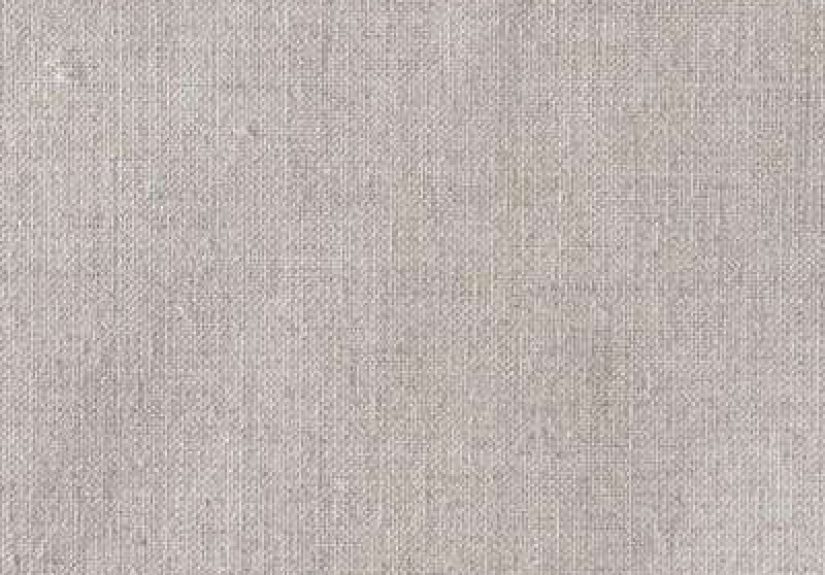
Belgian unprimed linen is artist canvas woven from flax fibers and sold in its raw state. “Belgian” matters because Belgium has a long-standing reputation in the art world for producing high-quality linen canvas, especially from flax associated with the region around the River Leie. “Unprimed” means the fabric has not been coated with gesso, oil primer, or another ground, and in many cases it has not even been sized. In plain English: it is raw, untreated painting fabric waiting for your decisions.
Why Belgian linen stands out
Linen made from flax has long been prized because the fibers are strong, durable, and capable of producing a refined weave. Many artist-supply brands describe Belgian linen as having long fibers, tight weave options, and better dimensional stability than cheaper alternatives. That combination gives painters a surface that can hold up beautifully over time when prepared correctly. It also gives the cloth a character that many artists describe as elegant, crisp, and quietly luxurious.
What “unprimed” really means
Unprimed does not mean unfinished in a bad way. It means unfinished on purpose. There is no factory-applied white barrier changing the color, absorbency, or tooth of the fabric. You get to decide the next step. You might apply a clear size and keep the raw flax color visible. You might add acrylic gesso for a universal surface. You might build an oil ground over a properly sealed linen if you want the classic feel many oil painters chase like it is the last croissant in Paris.
Why Artists Love Belgian Unprimed Linen
1. It offers exceptional control
A factory-primed canvas gives you convenience. Belgian unprimed linen gives you authorship. You can tune the surface to your method instead of adapting your method to whatever came out of the package. Want a smoother portrait surface? Apply controlled, sanded layers of ground. Want a more textured, lively support for broken brushwork? Preserve more of the weave. Want the warmth of raw flax peeking through thin passages? A clear size can make that possible.
2. It has a premium feel under the brush
Artists often describe linen as feeling more responsive and more “serious” than cotton. That sounds vague until you paint on it. The surface tends to feel firmer, less springy, and more deliberate. Brush drag can feel cleaner. Edges can look more confident. Even before paint enters the conversation, stretched linen often has a drum-like tension and visual refinement that makes the whole setup feel more professional.
3. It is valued for durability
Many art-material makers and canvas manufacturers position linen as a more durable, archival support than standard cotton. Linen’s strength, natural oils, and relatively stable fiber structure have helped build that reputation. That does not mean every piece of linen is immortal, of course. Poor stretching, sloppy sizing, or bad storage can humble any artist support. But when properly prepared, Belgian linen is widely considered a top-tier option for work meant to last.
4. The natural color is gorgeous
Unprimed Belgian linen usually has an ecru, flax, or grayish natural tone that many painters find irresistible. It can soften the starkness of a bright white ground and create a warmer visual starting point. Some artists love leaving parts of that tone visible in the final composition. It can make a painting feel grounded, atmospheric, and less like it started life under fluorescent lights in a craft aisle.
Belgian Unprimed Linen vs. Primed Linen vs. Cotton Canvas
| Surface | Main Advantage | Main Drawback | Best For |
|---|---|---|---|
| Belgian Unprimed Linen | Maximum control over prep, absorbency, and finish | Requires more time, knowledge, and labor | Professional painters, custom preparation, serious long-term work |
| Primed Linen | Premium linen feel with less setup | Less flexibility in final surface character | Painters who want quality without full prep work |
| Cotton Canvas | Affordable and easy to stretch | Usually less durable and less refined in feel | Practice, studies, student work, high-volume production |
If budget matters most, cotton is usually the practical choice. If convenience and quality need to shake hands, primed linen is a smart compromise. But if your priority is total control over the painting surface, Belgian unprimed linen is the material that keeps pulling artists back in.
How to Prepare Belgian Unprimed Linen
For oil painting
This is the most important rule in the room: do not paint oil directly onto raw, untreated linen. Oil can soak into unsealed natural fibers and contribute to long-term deterioration. For oil work, raw fabric should first be sealed or sized. Many contemporary manufacturers recommend a PVA size for this job. It creates a protective barrier, reduces absorbency, and keeps the fabric’s texture more intact than a heavy primer layer. Some artists still use traditional rabbit skin glue, but modern PVA sizing is often preferred because it is less reactive to humidity and more predictable in studio use.
After sizing, you have choices. You can leave the linen sealed but visually natural if that is the look you want. Some painters do exactly that. Or you can apply an oil ground for a classic oil-painting feel. You can also apply acrylic gesso as a universal ground, though the handling of oil paint on acrylic-primed fabric will usually feel more absorbent than on oil-ground linen.
For acrylic painting
Acrylic is more forgiving than oil on raw fabric, but unprimed linen still benefits from preparation. Acrylic paint can stain and sink into the cloth differently than expected if applied straight to untreated fabric. Many painters apply acrylic gesso to create a more stable, predictable surface, especially if they want consistent color, better brush glide, and less absorbency. If you prefer a staining approach or want the raw look involved in the finished work, test first before committing to a full painting.
For mixed media and drawing-based work
One of the joys of Belgian unprimed linen is that it is not only for traditional brush painting. Once prepared appropriately, it can be used with oil sticks, charcoal, pastel, acrylic layers, alkyds, and more. The exact prep should match the medium. That is the secret handshake. The better the support matches the medium, the fewer ugly surprises appear later.
Choosing the Right Weave and Weight
Not all Belgian unprimed linen looks or behaves the same. Some rolls are extra fine and ideal for portrait work or small detail. Others are medium texture and balanced for general painting. Still others are heavy, coarse, and dramatic, perfect for large expressive work where surface texture becomes part of the image.
Extra-fine weave
Great for portraits, realism, glazing, and fine edge control. If you like tiny brushes and obsessive detail, this is your lane.
Medium weave
The versatile middle ground. It suits landscapes, still life, figurative work, and most general studio painting.
Heavy or rough weave
Best for bold marks, large formats, and painters who want the fabric to remain visibly present. It can add energy and physicality to the finished piece.
Weight matters too. Heavier linens can feel sturdier and may block more light through the weave, which often signals tighter construction. Lighter linens can still be excellent, but they may require more careful handling, especially on large stretchers.
Best Uses for Belgian Unprimed Linen
- Custom oil painting surfaces with PVA size and oil ground
- Professional portrait, landscape, and figurative work
- Large paintings that need stronger fabric support
- Works where the natural flax color is part of the design
- Artists who want to stretch and prepare their own supports
- Collectors’ pieces or gallery work where surface quality matters
Common Mistakes to Avoid
Skipping the size for oil painting
This is the classic mistake. Raw linen plus oil paint equals regret. Size first.
Using too much ground too quickly
Heavy coats can fill the weave, create uneven surfaces, or dry poorly. Thin, controlled applications usually win.
Choosing texture without considering subject matter
A coarse linen may look romantic in theory, but if you paint tiny facial features, it can feel like trying to write a love letter on a waffle.
Underestimating stretching skill
High-quality linen deserves careful stretching. Uneven tension, weak bars, or rushed stapling can compromise the surface before the painting even begins.
Is Belgian Unprimed Linen Worth It?
For beginners who want fast results and minimal prep, maybe not. There is no shame in starting with decent cotton canvas or pre-primed linen. Art history will not send you a warning letter. But for painters who care about surface behavior, longevity, customization, and the feel of a truly premium support, Belgian unprimed linen is often worth every extra dollar and every extra hour.
It is especially worth it when the support is not just a backdrop but part of the painting language itself. Raw linen has color, tooth, tension, and personality. A good painter can use all of that. Belgian unprimed linen does not magically make anyone paint better, but it absolutely gives serious artists a better surface on which to make serious choices.
Studio Experiences with Belgian Unprimed Linen
The first experience many artists have with Belgian unprimed linen is simple: surprise. Even before it is stretched, it feels different from ordinary canvas. It has a denser hand, a cleaner drape, and a more tailored texture. When you unroll it in the studio, it does not scream for attention. It just sits there looking quietly expensive, like it knows exactly what it is. That first impression matters because it changes the way many painters approach the work. They slow down. They measure more carefully. They stop treating the support like an afterthought.
Stretching it is often the second memorable experience. Linen can feel less forgiving than cotton, especially for artists used to a stretch-and-staple rhythm that is a little casual. Belgian unprimed linen tends to ask for even tension and patience. Pull too aggressively and you feel the resistance. Work carefully, however, and the reward is a surface that feels crisp and professional. Many artists say this is the moment they realize the support is part of the craft, not just a place where the craft happens.
Then comes sizing or priming, and that is where the relationship becomes personal. Some painters fall in love with a clear size because it preserves the warm flax tone and lets the natural character of the linen remain visible. Others prefer the transformation that happens when a ground is brushed on: the surface becomes more unified, more receptive, and more tailored to a specific painting method. Watching Belgian unprimed linen change under the first coat is a strange little thrill. It is half chemistry, half ceremony.
Painting on it can feel wonderfully direct. On a properly prepared surface, brushwork often seems to land with more intention. Edges can stay crisp. Thin passages can glow. Broken color can skip across the weave in a way that looks lively rather than accidental. Artists who like surface nuance often notice that Belgian linen gives a painting a kind of quiet physical presence even before the image is fully resolved. In larger works especially, that presence can be a huge advantage.
Of course, not every experience is glamorous. Some artists discover that they over-primed the surface and killed the beautiful weave they paid for. Others realize they chose too rough a texture for detail work. Some leave too little drying time between preparation steps and end up frustrated. Belgian unprimed linen has a way of teaching lessons with perfect politeness and zero mercy. But that is also why experienced painters respect it. It rewards attention. It punishes shortcuts. In a strange way, that honesty is part of its appeal.
Over time, many artists come to see Belgian unprimed linen less as a luxury item and more as a studio partner. It encourages thoughtful setup, better preparation habits, and a stronger connection between medium and support. The experience is not only about the final painting. It is also about the process: stretching, sealing, grounding, toning, and then finally painting on a surface that feels chosen rather than generic. That is why Belgian unprimed linen keeps showing up in serious studios. It does not just hold paint. It shapes behavior, sharpens decisions, and makes the act of painting feel a little more intentional from the very start.
Conclusion
Belgian unprimed linen remains one of the most respected painting supports for artists who want complete control over their surface. Its strength, elegant texture, natural flax tone, and reputation for durability make it a favorite for oil painters, mixed-media artists, and anyone who values archival quality and studio craftsmanship. It does require more effort than a grab-and-go canvas, but that effort is exactly what many painters appreciate.
If you want a surface that lets you decide the absorbency, the tooth, the final tone, and the entire preparation process, Belgian unprimed linen is hard to beat. Treat it well, prep it intelligently, and it can become more than a surface. It becomes part of the artwork’s voice.