Table of Contents >> Show >> Hide
- ED basics: why blood flow matters so much
- Why beet juice is even in this conversation
- What the science says about beet juice and ED
- Potential benefits of beet juice for erectile dysfunction
- Limitations and what beet juice can’t do
- How to use beet juice safely for ED support
- Other lifestyle strategies that matter more than beet juice
- How beet juice might fit into a realistic ED plan
- Experiences and practical tips: what using beet juice for ED is really like
- Key takeaway
Erectile dysfunction (ED) is one of those topics most people would rather not bring up at dinner… or at all. But if you’re quietly Googling “beet juice for erectile dysfunction” at 2 a.m., you’re definitely not alone. With more people trying nutrition-based ways to support sexual health, beetroot juice has stepped into the spotlight as a colorful, earthy-tasting contender.
So is beet juice a secret weapon for better erections or just another wellness trend in a pretty shade of magenta? Let’s break down what the science really says, how beet juice might help with ED, how to use it safely, and what else you should be doing to support healthy sexual function.
ED basics: why blood flow matters so much
ED is the ongoing difficulty getting or keeping an erection firm enough for satisfying sex. It’s very common, and it becomes more likely with age, but it’s not an inevitable or “just in your head” issue. Many cases of ED are connected to blood vessel and heart health, hormone changes, nerve problems, medications, or stress and anxiety.
A key player in erections is a tiny molecule called nitric oxide (NO). It helps blood vessels in the penis relax and widen so more blood can flow in and stay there during arousal. This is also why ED is often linked with conditions like high blood pressure, diabetes, high cholesterol, smoking, and obesitythings that can damage blood vessels and limit blood flow.
Because nitric oxide and circulation are so important, anything that supports healthier blood vessels might indirectly support erectile function. That’s where beet juice enters the chat.
Why beet juice is even in this conversation
Beets are naturally rich in dietary nitrates. Your body can convert these nitrates into nitric oxide, the same molecule many prescription ED drugs ultimately work with (though in a very different, much more targeted way).
Research has shown that beetroot juice may:
- Increase nitric oxide levels shortly after drinking it
- Help some people lower systolic blood pressure (the top number)
- Improve certain measures of vascular (blood vessel) function in some groups with cardiovascular risk factors
Because high blood pressure and cardiovascular disease are major risk factors for ED, the thinking goes like this: if beet juice improves blood pressure and blood vessel health, it might indirectly help with erections too. That idea is what sparked interest in “beet juice for ED.”
What the science says about beet juice and ED
No direct “beet juice cures ED” evidence
Here’s the important reality check: there is no strong clinical trial evidence showing that beet juice by itself reliably treats erectile dysfunction.
Articles reviewing the topic note that beet juice hasn’t been thoroughly studied in large, high-quality trials specifically for ED. Instead, the potential benefits are mostly based on what we know about nitrates, nitric oxide, and cardiovascular health, plus some small or indirect studies.
That doesn’t mean beet juice is uselessit just means you shouldn’t expect it to perform like a prescription ED medication or replace medical evaluation and treatment.
What we do know: blood pressure and circulation
There’s significantly more research about beetroot juice and heart health. Studies and meta-analyses suggest that nitrate-rich beet juice can reduce resting blood pressure for some people, particularly in those with elevated blood pressure or certain cardiovascular risks.
Other research has found that beet juice can improve some markers of blood vessel function in certain groups, though results aren’t consistent across every study or population. Some trials show clear improvements; others show little or no effect.
Because ED is often an early warning sign of blood vessel problems and heart disease, that link between beet juice, blood pressure, and vascular health is what makes it interesting as a complementary strategynot a miracle cure.
Potential benefits of beet juice for erectile dysfunction
1. May support better blood flow
Beet juice’s nitrate content can temporarily boost nitric oxide levels, which helps relax and expand blood vessels. In theory, this may support blood flow throughout the bodyincluding to the penisand potentially improve erection quality in some men with circulation-related issues.
Think of beet juice as one more small helper on your “better circulation” team alongside exercise, a heart-healthy diet, and not smoking, rather than the star player calling all the shots.
2. Supports overall cardiovascular health
ED is strongly tied to heart health. Doctors often call ED an “early warning sign” for cardiovascular disease. Anything that nudges your blood vessels and blood pressure in a healthier direction could support sexual function over time.
Regularly including beets and other nitrate-rich vegetables in an overall balanced diet may be one piece of that bigger heart-health puzzle, which is why some people consider beet juice as part of a long-term lifestyle plan.
3. May boost energy and exercise performance
Some research suggests beetroot juice can help improve endurance and exercise capacity by making your muscles more efficient during activity.
Why does that matter for ED? Because regular physical activity is one of the most powerful lifestyle tools for improving erectile function, especially in men with obesity, metabolic syndrome, or cardiovascular risk factors. Better stamina means it’s easier to exercise, and better exercise means happier blood vesselsyour future self (and your bedroom life) may thank you.
Limitations and what beet juice can’t do
As exciting as “natural remedies” sound, beet juice has some very real limitations:
- It’s not a stand-alone ED treatment. It doesn’t replace medical evaluation, especially if ED comes on suddenly or is severe.
- It won’t fix nerve or hormone problems. Low testosterone, nerve damage from surgery or diabetes, and psychological causes (like performance anxiety or depression) need targeted treatment.
- It’s not a quick “take it once and you’re done” solution. Most studies on blood pressure and vascular function look at regular intake over days or weeks, not a single pre-date glass.
Bottom line: beet juice might help support some of the underlying systems that matter for ED, but it isn’t a medication and shouldn’t be promoted as a cure.
How to use beet juice safely for ED support
How much beet juice do people usually take?
There’s no official “ED dose” of beet juice, but research on blood pressure and exercise performance often uses around 2–8 ounces (about 60–240 mL) of beetroot juice daily or before activity.
If you’re new to beet juice, it’s smart to start with a smaller amountsay 2–4 ounces (60–120 mL) once a dayand see how your body responds before increasing.
Best ways to drink beet juice
- Go for 100% beet juice or blends where beet is the main ingredient, without tons of added sugar.
- Consider juicing at home if you have a juicer: 1–2 medium beets can make a small glass of juice.
- Add other veggies or fruit (like carrots, apples, or ginger) if the earthiness of beets is a bit much for your taste buds.
- Drink it earlier in the day if it gives you energy or affects your digestion.
Consistency matters more than timing. Some people take beet juice about 60–90 minutes before physical activity because nitric oxide levels often peak around then, but that’s more relevant for sports performance than romance per se.
Who should be careful with beet juice?
Beets are healthy for most people when used in moderation, but there are some important exceptions:
- People with low blood pressure or on blood pressure medications: Because beet juice can lower blood pressure in some people, it can occasionally cause dizziness or lightheadedness, especially when combined with medications.
- Anyone with a history of kidney stones or kidney disease: Beets are high in oxalates, which can increase the risk of certain kidney stones in susceptible people.
- People with gout or at high risk for it: Beets contain purines, which may not be ideal in large amounts for some individuals.
- Anyone taking ED medications with nitrates: If you use prescription nitrates for chest pain, your doctor will already be cautious about combining them with ED pills. While beet juice is a food, not a drug, you should still discuss any supplement-style use with your healthcare professional.
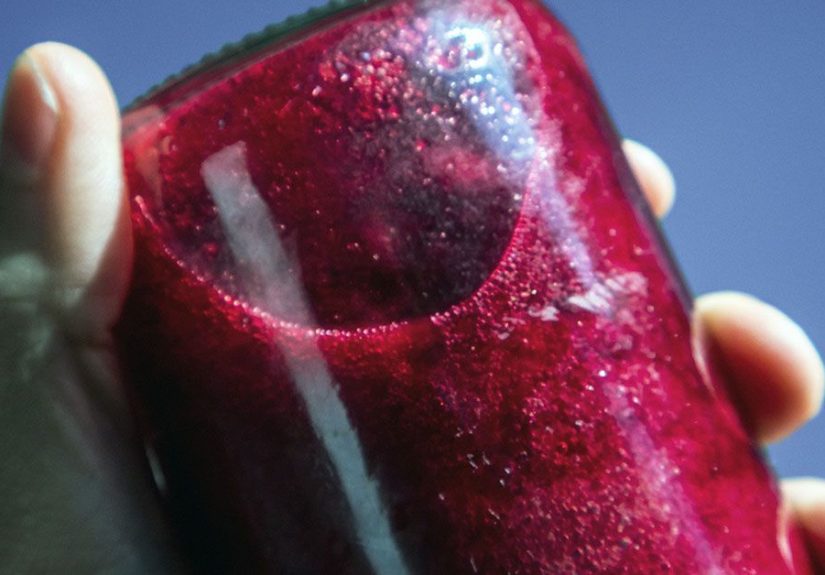
Also, don’t panic if your urine or stool turns pink or red after drinking beet juicethis harmless effect, called beeturia, can be surprising but is usually no cause for concern.
Other lifestyle strategies that matter more than beet juice
If you’re serious about managing ED, beet juice can be part of your planbut it shouldn’t be the main strategy. Research consistently shows that lifestyle changes can make a big difference in erectile function, especially for men with obesity or metabolic issues.
1. Move your body regularly
Moderate to vigorous exercise improves circulation, reduces stress, helps manage weight, and supports heart health. All of those feed into better erectile function. Aim for at least 150 minutes a week of moderate aerobic activity (like brisk walking or cycling) plus some strength training.
2. Eat a heart-healthy pattern
Think Mediterranean-style: lots of vegetables (including beets if you like them), fruits, whole grains, healthy fats (like olive oil and nuts), plus lean protein sources. This type of eating pattern is linked with better cardiovascular health and may reduce ED risk.
3. Don’t ignore stress, sleep, or mental health
Performance anxiety, depression, chronic stress, and sleep problems can all worsen ED. Counseling, stress management techniques, couples therapy, or treatment for anxiety or mood disorders may be just as important as any physical intervention.
4. Talk to a healthcare professional
Because ED can be an early warning sign for conditions like diabetes, high blood pressure, or heart disease, it’s important not to self-treat in silence. A clinician can help identify causes, check your heart health, review your medications, and discuss evidence-based treatmentsfrom lifestyle changes to medications, devices, and more.
How beet juice might fit into a realistic ED plan
If you and your clinician agree it’s safe for you, beet juice can be one of many tools in your sexual-health toolkit. Here’s a realistic way to think about it:
- Use beet juice as an occasional or regular drink to support overall cardiovascular health.
- Pair it with proven lifestyle strategies: better diet, exercise, not smoking, sleep, and stress management.
- Use it alongside, not instead of, medical treatments your doctor recommends.
- Check in with your healthcare professional if you notice new symptoms, changes in blood pressure, or side effects.
It’s totally okay to enjoy beet juice, hope it helps, and still rely on mainstream treatments and lifestyle changes as the core of your ED plan. You’re not “cheating” on natural health by taking a prescription if you need one.
Experiences and practical tips: what using beet juice for ED is really like
Beyond the science, there’s the very human question: what is it actually like to add beet juice into your life when you’re dealing with ED?
Many men who experiment with beet juice do it quietlyno one is exactly rushing to group chat with “Guys, I just bought a beet juice shot for my erection.” But their experiences tend to fall into a few common themes.
Getting past the “this tastes like dirt” phase
Beet juice has a strong, earthy flavor. Some people love it immediately; others feel like they’ve licked a garden shovel. A few tricks people use to make it more enjoyable:
- Half-and-half blends: Mix beet juice with carrot, orange, or apple juice for a sweeter, smoother taste.
- Ginger or lemon shots: A splash of lemon juice or a bit of fresh ginger can brighten the flavor and reduce that earthy note.
- Small, consistent servings: Instead of forcing down a big glass once a week, many men find that 2–4 ounces daily feels manageable and easier on digestion.
Once the taste becomes familiar, drinking beet juice often feels less like a punishment and more like a small daily ritualsomething you do for your heart, your energy, and yes, your bedroom confidence.
Adjusting expectations (and avoiding disappointment)
One of the most helpful mental shifts is treating beet juice as a supporting actor, not the main character. Men who feel most satisfied with adding beet juice to their routine usually:
- Pair it with exercise, especially brisk walking or cycling
- Work with a doctor to address blood pressure, cholesterol, or diabetes
- Consider counseling or honest conversations with their partner about sex and intimacy
Instead of watching for “instant bedroom magic,” they notice more gradual changes: better stamina during workouts, improved energy, or a general sense that their health is trending in a better direction. When erections do improve, it’s usually part of this bigger picture, not a single ingredient miracle.
Talking about ED and beet juice with a partner
It can feel awkward to bring up both ED and beet juice with a partner (“So, I’m dealing with ED and also my drink is bright purple now”). But couples who approach ED as a shared challenge, rather than a solo secret, often feel more connected and less stressed in the process.
You might say something like:
“I’ve been reading about how blood flow and heart health affect erections. I’m trying a few thingslike adding this beet juice to my routine and getting more exerciseand I’d love your support while I figure out what helps.”
This kind of honest, low-drama conversation can reduce performance pressure, which ironically is one of the big drivers of ED for many men in the first place.
When it’s time to get medical help (even if you love your beets)
Some people delay seeing a doctor because they hope food-based approaches will “fix it” on their own. But many men who eventually do see a clinician wish they had done it sooner. Understanding what’s behind your EDwhether it’s heart disease, hormones, medications, stress, or a mixcan actually be a relief. It turns a vague worry into a specific, treatable issue.
Beet juice can absolutely stay in your routine while you get that help. In fact, many cardiologists and urologists are happy when patients are interested in heart-healthy foods and lifestyle changes. Just make sure you’re combining those habits with appropriate testing and treatment, not using them as a reason to avoid care.
Making peace with “progress, not perfection”
For most men, ED improvement is not a straight line. Some days are better than others, and that’s normal. What matters is the overall direction: better heart health, more energy, more open communication, and less shame around a very common condition.
If beet juice becomes part of that storysomething that reminds you to take care of your body, eat more plants, and be proactive about your healththat’s a win, even if it’s not the whole solution. A colorful glass of beet juice won’t replace professional ED treatment, but it can sit right beside it as one more way you’re investing in your long-term well-being.
Key takeaway
Beet juice for erectile dysfunction is not a magic fix, but it can play a supporting role in a broader, science-informed approach. Its nitrate content may help blood pressure and blood vessel function for some people, which ties into better heart and sexual health. Just remember: the most powerful tools for ED are still lifestyle changes, medical care, and honest communicationnot one single superfood.