Table of Contents >> Show >> Hide
- Why This Banana Bread Recipe Works
- Ingredients
- Equipment
- Step-by-Step Instructions
- Optional: Streusel Topping for Bakery Energy
- Flavor Variations (Choose Your Adventure)
- Troubleshooting: Fix Common Banana Bread Problems
- Banana Bread Storage and Freezing
- Serving Ideas
- Conclusion
- Real-Kitchen Banana Bread Experiences (The Stuff You Only Learn After a Few Loaves)
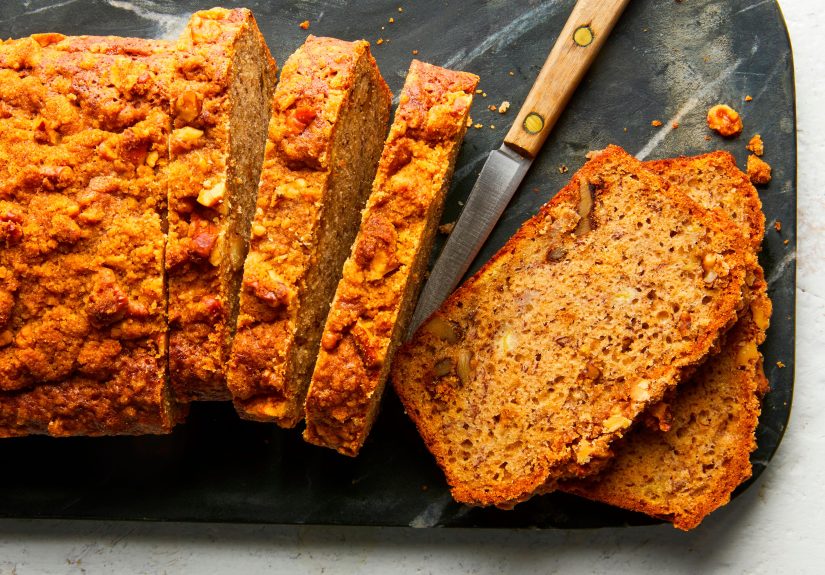
Banana bread is what happens when your fruit bowl throws a tiny, spotty tantrum and you decide to turn it into a warm, cinnamon-scented victory. It’s low-drama baking (no yeast, no kneading, no existential proofing), and the payoff is huge: a tender crumb, big banana flavor, and that “just one more slice” problem we all pretend we don’t have.
This guide gives you a classic banana bread recipe you can memorize, plus smart variations (chocolate chip! brown butter! “healthier-ish”!) and troubleshooting tips so your loaf comes out moistnot gummy, not dry, not mysteriously sunken like a sad trampoline.
Why This Banana Bread Recipe Works
A great loaf is basically a friendly negotiation between sweetness, moisture, and structure. Here’s what we’re optimizing:
- Very ripe bananas for flavor and natural sweetness (brown spots = good; black peels = even better).
- Brown sugar to help the crumb stay soft and cozy for days.
- Greek yogurt or sour cream for moisture + a little tang that keeps the sweetness from acting like it owns the place.
- Baking soda (plus a touch of baking powder) for lift in a batter that’s acidic and heavy with fruit.
- Gentle mixing so you get tender banana bread, not “banana-flavored workout protein brick.”
Ingredients
This makes 1 standard loaf (9×5-inch pan) or 1 slightly taller loaf in an 8.5×4.5-inch pan.
Base Batter
- 3 to 4 very ripe bananas, mashed (about 1 1/2 cups / 340g)
- 1/2 cup (113g) unsalted butter, melted and cooled slightly (or 1/3 cup neutral oil for extra moistness)
- 3/4 cup (150g) packed dark brown sugar (light brown works too)
- 1/4 cup (50g) granulated sugar (optional, but adds a cleaner sweetness)
- 2 large eggs, room temp if you remember
- 1/3 cup (80g) plain Greek yogurt or sour cream
- 2 tsp vanilla extract
Dry Ingredients
- 1 3/4 cups (220g) all-purpose flour
- 1 tsp baking soda
- 1/2 tsp baking powder (helps lift without tasting “chemically”)
- 1/2 tsp fine salt
- 1 to 1 1/2 tsp ground cinnamon (optional but highly recommended)
- Pinch of nutmeg (optional, for cozy “bakery air” vibes)
Mix-Ins (Pick One… or Don’t)
- 1/2 cup (60g) chopped walnuts or pecans (toast them for bigger flavor)
- 3/4 cup (130g) chocolate chips
- 1/2 cup shredded coconut
- 1/2 cup blueberries (toss in a spoonful of flour to reduce sinking)
Equipment
- 9×5-inch loaf pan (or 8.5×4.5-inch)
- Mixing bowls (2), whisk, spatula
- Parchment paper (optional but makes removal painless)
- Oven thermometer (optional but makes you feel powerful)
Step-by-Step Instructions
1) Prep the Pan and Oven
Preheat your oven to 350°F (175°C). Line the pan with parchment (leave a little overhang like handles) and lightly grease.
Pro tip: If you’re skipping parchment, grease the bottom and lower sides well. If your loaves tend to “climb then collapse,” try greasing the bottom onlybanana bread likes a little grip as it rises.
2) Mash the Bananas
In a large bowl, mash the bananas until mostly smooth. A few small lumps are finethose become little banana pockets, which is a good thing unless you’re anti-joy.
3) Mix the Wet Ingredients
Whisk in the melted butter, brown sugar (and granulated sugar if using), eggs, yogurt/sour cream, and vanilla until glossy and well combined.
4) Combine the Dry Ingredients Separately
In a second bowl, whisk together the flour, baking soda, baking powder, salt, cinnamon, and nutmeg (if using). This helps distribute leavening evenly so you don’t bite into a “baking soda hotspot.”
5) Fold It Together (Gently!)
Add the dry ingredients to the wet ingredients and fold with a spatula until you no longer see streaks of flour. Stop as soon as it comes togetherovermixing develops gluten, and gluten is great for chewy bread, not for tender banana bread.
6) Add Mix-Ins
Fold in nuts or chocolate chips if using. If you want a pretty top, save a small handful and sprinkle them over the batter right before baking.
7) Bake
Pour batter into the pan and smooth the top. Bake for 55–65 minutes (9×5-inch) or 60–75 minutes (smaller/taller pan).
- Start checking at 50 minutes.
- If the top is getting too dark, tent loosely with foil for the final 10–20 minutes.
- It’s done when a toothpick comes out with a few moist crumbs (not wet batter).
8) Cool (Yes, This Matters)
Cool in the pan for 10–15 minutes, then lift out and cool completely on a rack.
Banana bread finishes setting as it coolsslice too early and the center can seem gummy even when it’s fully baked.
Optional: Streusel Topping for Bakery Energy
Want that “I bought this from a fancy bakery” look? Add streusel.
Streusel
- 3 tbsp brown sugar
- 2 tbsp flour
- 2 tbsp cold butter, cubed
- Pinch cinnamon + pinch salt
- Optional: 2 tbsp chopped nuts
Mix until crumbly and sprinkle over batter before baking. Keep an eye on browning and tent with foil if needed.
Flavor Variations (Choose Your Adventure)
1) Chocolate Chip Banana Bread
Fold in 3/4 cup chocolate chips. For maximum “chocolate distribution fairness,” toss chips with 1 teaspoon flour before adding.
2) Banana Nut Bread (Classic)
Fold in 1/2 cup toasted walnuts or pecans. Toasting makes the nuts taste deeper and less “raw,” which is chef-speak for “worth the extra five minutes.”
3) Brown Butter Banana Bread (Extra-Grown-Up Flavor)
Brown your butter instead of melting it: cook over medium heat until it smells nutty and you see golden-brown flecks. Cool slightly, then use as directed.
This adds caramel-like depth without making the bread taste like dessert cosplay.
4) “Even More Banana” Flavor (Caramelized Banana Trick)
If you want banana flavor that announces itself before the loaf even leaves the oven, cook some of the bananas.
One approach: sauté sliced bananas briefly until they caramelize and reduce, then mash and add back into the batter. Less water + more concentrated flavor = big win.
5) Healthier-Style Banana Bread
For a lighter loaf that’s still satisfying:
- Swap 1/2 of the flour for whole wheat flour.
- Use oil instead of butter (keeps it moist), or keep butter and reduce sugar slightly.
- Use maple syrup or honey for part of the sugar (start by replacing 1/4 cup sugar with 1/4 cup syrup and reduce yogurt slightly if batter seems loose).
6) Gluten-Free Banana Bread (Pantry-Friendly)
Use a trusted 1:1 gluten-free flour blend or try a mix of oat flour and buckwheat flour for a hearty loaf. Add yogurt for moisture and consider chopped nuts for structure and texture.
Troubleshooting: Fix Common Banana Bread Problems
“Why is my banana bread gummy in the middle?”
- Underbaked: Ovens vary. Bake longer and tent with foil if browning too fast.
- Sliced too soon: Let it cool completely so the crumb sets.
- Too much banana: Measure mashed bananaaim for about 1 1/2 cups.
- Overmixed batter: Fold until just combined.
“Why did it sink?”
- Too much leavening or batter was overmixed (creates big bubbles that collapse).
- Oven door opened early or temperature runs low. Avoid peeking for the first 45–50 minutes.
- Overripe bananas are great, but excessive liquid can weigh down the loafespecially if bananas were frozen and very watery.
“Why is it dry?”
- Too much flour: Spoon and level flour, don’t scoop and pack.
- Overbaked: Pull it when a toothpick shows moist crumbs, not when it’s bone-dry.
- Not enough fat or dairy: Yogurt/sour cream helps a lot.
Banana Bread Storage and Freezing
Short-Term
Store cooled banana bread tightly wrapped at room temperature for 2–4 days. It often tastes even better the next day, when the moisture redistributes and flavors deepen.
Freezing
Wrap the whole loaf (or individual slices) in plastic wrap, then foil, and freeze for up to 2–3 months. Thaw overnight in the fridge or on the counter.
Slices toast beautifullybanana bread is basically one step away from being French toast’s chill cousin.
What to Do When You Don’t Have Ripe Bananas
If your bananas are still firm and yellow, you can speed-soften them by baking (in the peel) on a sheet pan at a low oven temperature until the skins darken and the fruit softens.
Let them cool, then scoop out and mash.
Using Frozen Bananas Without Making a Wet Loaf
Frozen bananas can release a surprising amount of liquid when thawed. If your thawed bananas look soupy, strain off some liquid, simmer it down until syrupy, and add it back.
You keep the flavor without drowning your batter.
Serving Ideas
- Warm slice + salted butter (classic for a reason)
- Peanut butter or almond butter for a protein-y snack
- Greek yogurt + berries for breakfast that feels suspiciously responsible
- Toasted slice + cinnamon honey (weekend energy)
Conclusion
A dependable banana bread recipe is basically a life skill: it rescues overripe bananas, makes your kitchen smell like comfort, and gives you a loaf that’s equally at home at breakfast, snack time, or midnight “just checking if it’s still good.”
Stick to ripe bananas, measure your flour carefully, mix gently, and let the loaf cool fully. From there, the variations are endlessand deliciously forgiving.
Real-Kitchen Banana Bread Experiences (The Stuff You Only Learn After a Few Loaves)
Here’s the funny truth: banana bread is “easy,” but the best banana bread is usually the result of a few totally normal kitchen momentslike realizing the bananas are basically wearing leopard print now, or discovering your oven runs hotter than it claims (rude, but common). Over time, home bakers tend to pick up a handful of small habits that make a big difference, and they’re worth stealing.
First, most people learn that banana ripeness is everything. When bananas are merely yellow, the bread can taste flatsweet, sure, but not deeply banana. Once bananas are heavily speckled (or the peel is nearly black), the flavor intensifies, the mash becomes more fragrant, and the loaf tastes more “banana bread” and less “sweet quick bread that once met a banana.” Some bakers even keep a “banana bag” in the freezer: peel, freeze, repeat. Then on baking day, the bananas thaw into a mash that’s ultra-soft and intensely flavored. The only catch is the extra liquid, which is why experienced bakers either measure the mash carefully or reduce the banana liquid into a syrupy concentrate before mixing.
Next comes the mixing lesson. Many first loaves are mixed like cake batterenthusiastically, maybe even heroically. The result can be tough or rubbery because flour + too much stirring = gluten development. After a few tries, bakers start folding the dry ingredients in gently and stopping the moment the flour disappears. It feels almost too soon, but it’s the difference between tender slices and a loaf that makes your jaw do cardio.
Another real-life discovery: banana bread is a “tomorrow” food. It’s great warm, but it’s often better the next day. Wrapped tightly overnight, the crumb relaxes, the moisture settles evenly, and the spices bloom. That’s why seasoned bakers bake in the evening when they want a knockout breakfast. They also learn a sneaky bonus: banana bread slices toast like a dream. A toasted slice with butter is basically comfort food with crisp edgeslike your loaf decided to put on a nice jacket.
Then there’s the pan and timing reality. One baker uses an 8.5×4.5-inch pan and gets a tall loaf that needs extra minutes. Another uses a 9×5-inch pan and wonders why the center isn’t set at the “official” time. The practical fix is checking early, tenting with foil if the top browns too fast, and trusting the doneness signs (toothpick with moist crumbs, springy top, no wet batter). And yescooling matters more than people want it to. Lots of “my banana bread is gummy” stories are really “my banana bread never got a chance to finish setting because it was sliced while still steaming.”
Finally, the fun part: banana bread becomes personal. Some households are Team Nuts (toasted walnuts forever). Others are Team Chocolate Chip (and they will fight politely about chip-to-batter ratio). Some bakers swear by yogurt or sour cream for moisture and tang. Others chase deeper flavor with brown butter or caramelized bananas. Over time, many people land on a “house loaf”the version friends request, the one that gets wrapped up as a gift, the one that disappears from the counter suspiciously fast. And that’s the best banana bread experience of all: a simple recipe that turns into a small tradition, one overripe banana at a time.