Table of Contents >> Show >> Hide
- The Quick Answer (Because We All Have Stuff to Do)
- What Exactly Is Edamame?
- So Then What Are Soybeans?
- Edamame vs. Soybeans: What’s the Real Difference?
- Nutrition: Is Edamame Healthier Than Soybeans?
- What About Soy “Estrogen”? Let’s Defuse the Internet Panic
- Heart Health, Fiber, and the “Soy Protein” Reputation
- Who Should Be Careful With Edamame or Soybeans?
- How to Buy and Cook Edamame Like You Mean It
- FAQ: The Questions People Actually Ask
- Bottom Line: So… Are They the Same Thing?
- of Real-World “Edamame vs. Soybean” Experiences (No Lab Coat Required)
If you’ve ever stared at a bag of frozen edamame and thought, “So… is this just soybeans wearing a green hoodie?”
you’re not alone. The short, satisfying answer is: yes, edamame and soybeans come from the same plant
but no, they aren’t used the same way (and they don’t taste the same on purpose).
In other words: edamame is soybeans’ younger, sweeter phasebefore life turns them into tofu, soy milk,
miso, tempeh, and a million other soy-based things you’ve probably eaten without realizing it.
Let’s break it down in plain English, with real nutrition context, practical examples, and just enough humor
to keep your snack bowl entertained.
The Quick Answer (Because We All Have Stuff to Do)
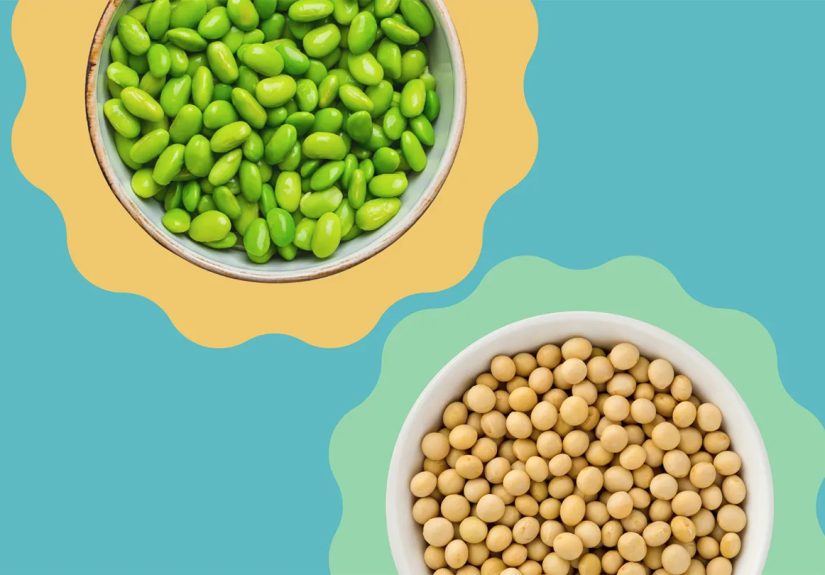
Edamame are immature soybeans. They’re harvested while still green and tender, usually eaten
steamed or boiled (often with salt), and commonly served in the pod or shelled.
Soybeans usually refers to the mature, dried beans harvested later, which are often
processed into foods like tofu, soy milk, soy flour, and soybean oilor cooked like other dried beans.
What Exactly Is Edamame?
Edamame is the Japanese name for young soybeans picked before they fully ripen. Picture a soybean plant
producing pods, and then imagine hitting “harvest” while the beans are still bright green, slightly sweet,
and pleasantly firm. That’s edamame.
Edamame’s greatest hits (how people actually eat it)
- In the pod: Steamed, salted, and eaten by popping the beans out with your teeth (the pod is usually not eaten).
- Shelled: Tossed into salads, grain bowls, stir-fries, ramen, and “I need protein but also vibes” lunches.
- Mashed or blended: Turned into dips, spreads, or a bright green twist on hummus.
Why edamame tastes different than “regular soybeans”
Because it’s harvested earlier, edamame tends to be milder, slightly sweet, and more “snackable.”
Mature soybeans are denser, starchier, and often more “bean-forward” (which is a polite way of saying:
they taste like a serious ingredient, not a happy-hour appetizer).
So Then What Are Soybeans?
Soybeans are the same species, typically left on the plant to mature. When fully mature, soybeans are often
dried and stored like other dry legumes. You can cook them (like you would cook dry beans), but in the U.S.,
a huge share of soybeans are used for making ingredients and foods rather than being eaten as whole beans.
Common ways soybeans show up in your life (even when they’re undercover)
- Tofu: Made from soy “milk” curds pressed into blocksbasically soybeans that went to architecture school.
- Soy milk: A beverage made by soaking and grinding soybeans, then filtering.
- Tempeh: Fermented soybeans pressed into a cake; earthy, hearty, and weirdly lovable once you learn it.
- Miso: Fermented soybean paste used for soups, marinades, and sauces.
- Soy sauce: A fermented condiment traditionally involving soy (and often wheat).
- Soy flour/protein ingredients: Used in many packaged foods for texture and protein.
- Soybean oil: A common cooking and processed-food oil.
Edamame vs. Soybeans: What’s the Real Difference?
The difference isn’t the plant. It’s the timing.
Think of it like this: edamame is a “fresh vegetable” moment, while mature soybeans are the “pantry staple”
moment that can be stored, shipped, processed, and transformed into a whole food universe.
Side-by-side, in normal human terms
- Harvest stage: Edamame is picked green; soybeans are picked mature and often dried.
- Texture: Edamame is tender and slightly firm; mature soybeans are denser and creamier when cooked.
- Flavor: Edamame is mild and lightly sweet; mature soybeans are deeper, nuttier, and more robust.
- How you buy them: Edamame is often frozen (pods or shelled); mature soybeans are often dried or found as soy foods.
- Typical use: Edamame is commonly eaten whole; mature soybeans often become tofu, soy milk, tempeh, etc.
Nutrition: Is Edamame Healthier Than Soybeans?
Here’s the honest answer: both are nutrient-dense, and both can fit into a healthy diet.
But because one is younger and one is mature (and because portions vary), the numbers can feel like they’re
auditioning for different roles.
In general, soy foods are known for being high in plant protein and offering a helpful mix of
fiber, unsaturated fats, and micronutrients. Edamame often feels “lighter” because it’s commonly
eaten as a vegetable-style snack, while mature soybeans can be more calorie-dense per serving when cooked,
since they contain more fat and protein (still mostly the good unsaturated kind).
Real-world serving examples
Nutrition varies by brand, preparation, and whether you’re eating pods or shelled beansbut typical values
look something like this:
-
1 cup shelled edamame: commonly reported around ~188 calories,
with roughly ~18 g protein and ~8 g fiber (depending on source and preparation). -
1 cup cooked mature soybeans: commonly reported around ~296 calories,
with roughly ~31 g protein and ~10 g fiber (again, depending on preparation).
Translation: if you’re choosing between them, you’re not choosing between “healthy” and “not healthy.”
You’re choosing between a snackable green bean and a more calorie- and protein-dense cooked legume.
What About Soy “Estrogen”? Let’s Defuse the Internet Panic
Soy contains compounds called isoflavones, which are often described as phytoestrogens
(plant compounds that can interact with estrogen receptors). That word has launched a thousand alarming headlines.
But the key detail gets lost: phytoestrogens are not the same as human estrogen, and their effects are
typically much weaker and can vary by tissue in the body.
Many reputable health organizations and large reviews have concluded that moderate soy food intake is safe for most people,
and some research suggests soy foods may be neutral or even beneficial in certain health contexts.
The bigger caution flag is often about high-dose supplements, because concentrated isoflavone supplements can deliver far more than food does.
Practical takeaway
- Whole soy foods (edamame, tofu, soy milk, tempeh, miso) are generally considered reasonable choices for most people.
- Supplements are a different category and deserve more caution and individualized advice.
- If you have a condition where diet is part of treatment, it’s smart to ask a clinician who knows your history.
Heart Health, Fiber, and the “Soy Protein” Reputation
Soy has a long-running reputation for heart health, largely because soy foods can replace higher saturated-fat animal foods,
and because soy protein has been studied for cholesterol effects. There’s also an FDA-authorized framework for a soy protein
heart-disease risk-reduction claim in the context of diets low in saturated fat and cholesterol.
If you’re not trying to memorize grams like you’re studying for a nutrition final, here’s the simple version:
soy foods can be a useful protein option, especially when they help you build meals that are high in fiber,
balanced in fats, and not overloaded with saturated fat.
Who Should Be Careful With Edamame or Soybeans?
For most people, edamame and soy foods are just… food. Delicious, versatile food. But there are a few situations where it’s wise to pay attention:
1) Soy allergy
Soy is a recognized common allergen. If you (or your child) have a soy allergy, you’ll want to avoid edamame and many soy-derived foods.
Because soy shows up in ingredients lists in sneaky ways, allergy management often means reading labels carefully.
2) Thyroid medication timing (not thyroid “panic”)
Soy foods don’t automatically equal thyroid problems, but some evidence and clinical guidance suggest that
soy ingredients can interfere with absorption of certain thyroid medications (like levothyroxine)
in some situations. This is often handled by timingtaking medication as directed and keeping
consistent spacing from certain foods. If you take thyroid meds, ask your clinician or pharmacist what timing is best for you.
3) Sensitive digestion
Like many legumes, edamame can cause gas or bloating for some peopleespecially if you’re not used to high-fiber foods.
Start with smaller portions, drink water, and let your gut adjust like it’s learning a new playlist.
How to Buy and Cook Edamame Like You Mean It
Edamame is one of the easiest “healthy snacks” to pull off with minimal effortan impressive achievement in a world where
snack marketing tries to convince you that neon cheese powder is a food group.
Buying tips
- Frozen is great: Most U.S. grocery stores carry frozen edamame in pods or shelled. Frozen locks in quality.
- Check sodium: Some products are pre-salted. If you’re watching sodium, choose unsalted and season yourself.
- Look for bright green: Dull color can mean older stock or freezer burn.
Cooking basics (pods or shelled)
- Boil: Drop into boiling water for a few minutes, drain, season.
- Steam: Steam until hot and tender-crisp.
- Microwave: Many frozen packages are microwave-friendly (check directions).
Flavor ideas beyond “salt and hope”
- Flaky salt + lemon zest
- Garlic + chili flakes
- Sesame oil + toasted sesame seeds
- Soy sauce (yes, soy on soythis is a safe space)
- Everything bagel seasoning (because it improves basically everything)
FAQ: The Questions People Actually Ask
Is edamame just green soybeans?
Yes. Edamame are soybeans harvested while green and immature. “Green soybeans” is basically the same idea, just less sushi-restaurant-coded.
Are edamame and soybeans the same thing nutritionally?
They’re similar in that both provide plant protein and fiber, but servings can differ because mature soybeans tend to be more calorie- and protein-dense.
Preparation and portion size matter a lot.
Is edamame a complete protein?
Soy is often described as a high-quality plant protein. In real-life eating, the best strategy is still variety:
combine different plant proteins across the day (beans, lentils, grains, nuts, seeds), and you’re in great shape.
Is edamame “processed” soy?
Noedamame is a whole food. Many soy foods are minimally processed (tofu, tempeh), while some are highly processed.
If you’re aiming for the healthiest pattern, lean toward whole and minimally processed soy foods more often.
Bottom Line: So… Are They the Same Thing?
Edamame and soybeans come from the same plant. Edamame is the green, immature version usually eaten as a snack or vegetable.
“Soybeans” often refers to the mature beans used for cooking or processing into foods like tofu, soy milk, tempeh, and miso.
If you love edamame, you’re already eating soybeansjust in their fun, tender era. And if you eat tofu, miso soup, or soy milk,
congratulations: you’re basically in the extended soybean cinematic universe.
of Real-World “Edamame vs. Soybean” Experiences (No Lab Coat Required)
Most people don’t meet edamame in a textbook. They meet it in a restaurant, usually while waiting for sushi, and usually while hungry enough
to consider ordering “whatever that green thing is.” The basket arrives warm and steamy, sprinkled with salt, and the table goes quiet
for a secondbecause everyone is trying to remember the correct technique. Do you eat the pod? Do you peel it? Do you politely pretend
you’ve done this before?
Then you see someone pop the whole pod near their mouth and squeeze the beans out with their teeth like it’s completely normal.
You try it. It works. Suddenly you feel like you’ve unlocked an adult skill, like parallel parking or understanding mortgage rates.
And that’s usually the moment the question hits: “Wait… isn’t this just soybeans?”
The confusion continues in the grocery store. In the freezer aisle, you find edamame in bags that look like they’re trying to be your gym buddy:
bold fonts, “PLANT PROTEIN!” vibes, and a photo of perfect green beans that have clearly never been jostled in a shopping cart.
Then you pass by tofu, soy milk, and tempeh and realize soybeans have more career options than most people you know.
It’s the same bean, different life choices.
Home cooking adds another layer of “are these the same thing?” experience. You steam edamame, sprinkle salt, and it’s an instant snack.
But you try cooking mature soybeans from dry, and suddenly you’re soaking overnight like you’re preparing for a wilderness expedition.
They’re delicious, but they’re not “five-minute appetizer” delicious. That’s when it clicks: edamame isn’t a different species
it’s soybeans at a different time, with a different job.
People also notice how edamame fits into routines. It becomes a go-to for “I need something crunchy-ish but not chips,” or
“I want protein but I don’t want to cook a whole meal.” Some toss shelled edamame into salads for a satisfying bite.
Others add it to fried rice, pasta salads, or grain bowls because it plays nicely with everythingkind of like the friend who can hang
with any group and somehow never causes drama.
And yes, the health conversations happen too. Someone will inevitably ask about “soy estrogen,” and the group chat will spiral.
But most real-life experience lands in a practical place: edamame is a tasty, convenient whole food; it feels good to eat;
and it’s one of the easiest ways to make a snack feel more substantial. That’s the everyday truth.
Not magic. Not scary. Just a very busy bean, caught in its freshest, greenest chapter.