Table of Contents >> Show >> Hide
- The End of the Midnight Elbow
- How the AI-Powered Snore Detector Actually Works
- Why Shaking the Pillow Can Work
- What This Tech Gets Right
- What This Tech Cannot Do
- When Snoring Is More Than a Joke
- How to Think About AI Sleep Tech Before You Buy In
- The Real Significance of This Pillow-Shaking Idea
- Experiences With AI-Powered Snore Detection: What It Feels Like in Real Life
- Conclusion
- SEO Tags
Snoring has inspired many things over the years: separate blankets, separate bedrooms, and the kind of side-eye that could peel paint. Now it has inspired something a lot more clever. An AI-powered snore detector can listen for the telltale sound of snoring, decide whether it is really a snore and not, say, a truck outside or a dramatic housecat, and then gently shake the pillow to encourage a position change. In other words, the pillow handles the intervention so your partner does not have to deploy the classic midnight elbow.
That idea may sound like a gadget dream cooked up at 2 a.m., but it sits at the intersection of two very real trends: smarter sleep technology and growing awareness that chronic snoring is not always harmless. Sometimes snoring is just noisy. Sometimes it is a clue that your airway is narrowing during sleep. And sometimes, if it comes with gasping, choking, pauses in breathing, or heavy daytime fatigue, it can point to obstructive sleep apnea.
This is what makes the topic so interesting. The new generation of sleep technology is not just tracking how badly you slept and judging you by sunrise. It is trying to do something in the moment. And that shift matters. A pillow that reacts to snoring is more than a novelty; it is part of a broader push toward sleep tech that detects a problem, responds quietly, and lets everyone stay asleep if possible.
The End of the Midnight Elbow
For years, anti-snoring solutions fell into two camps. The first camp was medical: CPAP machines, oral appliances, nasal treatments, positional therapy, and surgery in selected cases. The second camp was domestic improvisation: rolling your partner onto their side, adding extra pillows, issuing stern bedtime warnings, and pretending you are “totally fine” when you are actually one snore away from moving to the couch.
The appeal of an AI snore detector is obvious. It automates the nudge. Instead of relying on another human being to notice the sound, interpret it, wake up, and physically intervene, the device listens all night and reacts in real time. That is the dream, anyway: less snoring, less sleep disruption, and fewer relationship negotiations conducted in the dark.
The concept is not completely new. Earlier products tried to inflate pillows or raise the head of a bed when snoring was detected. What feels different now is the role of machine learning. Modern systems can be trained to recognize audio patterns with more nuance, which gives them a better shot at telling the difference between a real snore and all the other chaos of nighttime sound. Your bedroom, after all, is not a laboratory. It is a weird soundscape full of fans, coughs, traffic, pets, rain, and one floorboard that always sounds haunted.
How the AI-Powered Snore Detector Actually Works
Step 1: It listens for snoring, not just noise
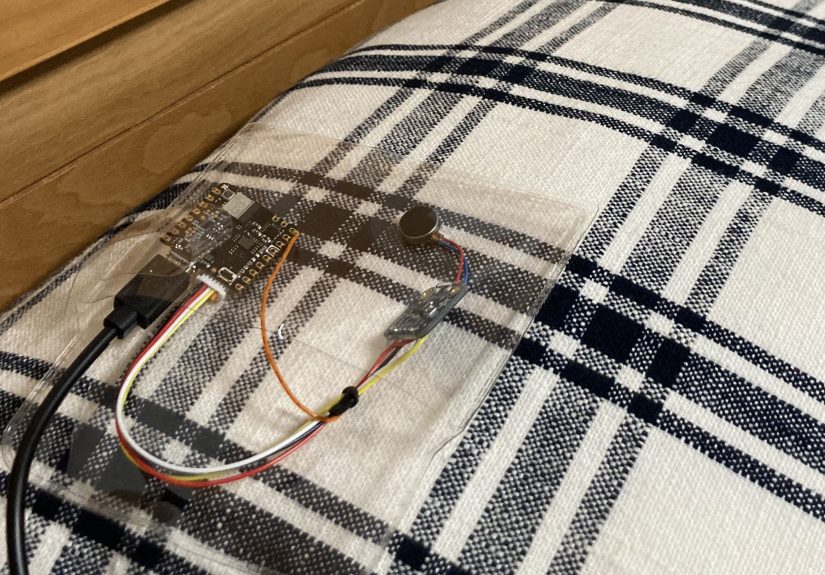
The project behind the headline “AI-Powered Snore Detector Shakes The Pillow So You Won’t” drew attention because it used a tiny machine-learning setup inside a practical sleep gadget. The system was built around an Arduino Nicla Voice board with a Syntiant NDP120 deep-learning processor and microphone. In plain English, that means the device can run a lightweight audio model directly on the hardware without needing a full-blown computer sitting on your nightstand like a very overqualified lamp.
To make that useful, the builder trained the model on a public snoring dataset that included both snores and non-snoring sounds. That matters more than it may seem. Good detection is not just about teaching a system what a snore sounds like. It is also about teaching the system what doesn’t count: thunder, sirens, background noise, and the assorted acoustic nonsense that happens after midnight.
Step 2: It decides when to intervene
Once the model identifies snoring repeatedly, the system does not blast an alarm or light up the room like a minor emergency. It triggers haptic feedback. In this case, a small vibrating motor embedded in or connected to the pillow gently shakes it. The goal is not to fully wake the sleeper. The goal is to create just enough movement to prompt a subtle position shift.
That gentle correction is the whole point. Loud alarms can wake the snorer, their partner, and possibly the dog next door. A vibration-based approach aims for a more civilized outcome: your body adjusts before your brain decides to file a complaint.
Step 3: It relies on position, not magic
Here is the part that keeps the whole idea grounded. These devices do not “cure” snoring. They usually try to reduce it by changing sleeping position. That strategy lines up with mainstream sleep guidance, because back sleeping can make the tongue and soft tissues fall backward and narrow the airway. Side sleeping or raising the head can help some people snore less. So the gadget is not inventing a brand-new treatment; it is automating a familiar one.
Why Shaking the Pillow Can Work
Snoring happens when air moves past relaxed tissues in a narrowed airway and makes them vibrate. That narrowing can be influenced by body position, nasal congestion, weight, alcohol, sedatives, anatomy, and muscle tone. The reason a pillow nudge makes sense is simple: if the person shifts just enough, the airway may open a bit more and the vibration may decrease.
It is the same logic behind advice to sleep on your side or elevate your head, except a smart device can apply it in the exact moment the snoring starts instead of depending on your good intentions at bedtime. And let us be honest, “I will definitely stay on my side all night” is one of sleep’s great lies, right up there with “I’ll just check one email before bed.”
That is also why the broader market has moved in a similar direction. Some smart beds and adjustable bases now detect snoring and lift the sleeper’s upper body automatically. Eight Sleep markets beds that gently elevate when snoring is detected. Tempur-Pedic’s smart bases do something similar, and Sleep Number offers anti-snore features on certain setups. In other words, the pillow-shaker is not a weird outlier. It is a smaller, scrappier version of a much larger idea: detect the noise, change the posture, avoid waking everyone up.
What This Tech Gets Right
First, it addresses the real human problem, not just the audio problem. Snoring affects more than the person making the noise. It can drain the sleep quality, mood, and patience of whoever is nearby. That means the best anti-snoring technology is not merely “accurate.” It also has to be quiet, gentle, and minimally disruptive.
Second, it works with the body instead of against it. A soft vibration or subtle elevation is more realistic than expecting people to sleep connected to complicated equipment they hate using. For mild positional snoring, nudging may be exactly the right level of intervention.
Third, it points to a future where sleep devices are proactive. Sleep tracking used to be a morning autopsy: here is how badly you slept, good luck with that. Newer tools try to intervene during the night. That is a much more compelling value proposition, especially for couples who are tired of negotiating peace treaties over snoring.
What This Tech Cannot Do
Now for the less glamorous part. An AI-powered anti-snore pillow is not a substitute for medical evaluation. If someone has loud chronic snoring plus gasping, choking, observed pauses in breathing, morning headaches, irritability, or significant daytime sleepiness, a gadget should not be the final answer. Those signs can point to obstructive sleep apnea, which deserves proper testing and treatment.
There is also the matter of accuracy. Bedrooms are messy environments. A model can be trained well and still be fooled by unusual sounds, a loud TV in the next room, or a snore that changes pitch. Then there is comfort. Anything placed inside a pillow has to stay unobtrusive, because the moment a sleep product becomes annoying, it starts losing the very war it was built to win.
And cost matters. A DIY project can be clever and relatively affordable if you already enjoy tinkering. A premium smart bed with snore detection and automatic elevation is a different financial conversation entirely. At that point, you are not buying a gadget. You are buying a very opinionated piece of furniture.
When Snoring Is More Than a Joke
Snoring jokes are everywhere because the sound is familiar, but persistent snoring is worth taking seriously. Not everyone who snores has sleep apnea. That said, loud regular snoring can be a warning sign, especially when it shows up with breathing pauses, gasping, or major daytime fatigue. Untreated sleep apnea is linked with broader health risks, including cardiovascular strain.
That is why the smartest response to snoring is not “buy one gadget and declare victory.” It is “figure out what kind of snoring you are dealing with.” If the issue is mild, positional, and tied to sleeping on the back, an intelligent nudge may help. If the issue is chronic and paired with other warning signs, a home sleep apnea test or formal sleep study may be more important than a fancy pillow doing its best impression of a diplomatic negotiator.
How to Think About AI Sleep Tech Before You Buy In
If you are considering a product in this category, ask four practical questions.
One: Does it simply track snoring, or does it respond to it? Tracking is useful, but response is what saves the non-snoring partner from becoming the household’s unpaid nighttime technician.
Two: How gentle is the intervention? A good anti-snore device should be subtle enough that you do not feel like your bed has developed its own attitude.
Three: Is the snoring likely positional? If your snoring gets worse on your back and improves on your side, positional tech has a stronger chance of helping.
Four: Are there symptoms that deserve medical follow-up? If yes, do not let a clever gadget delay a proper diagnosis.
The smartest buyers are the ones who see this tech as one tool in the sleep toolbox, not a miracle. Machine learning can identify patterns. Haptics can prompt a shift. Adjustable bases can raise your head. But if the real issue is sleep apnea, severe congestion, or another underlying condition, the pillow should not be carrying the entire case by itself.
The Real Significance of This Pillow-Shaking Idea
What makes this story so compelling is not just the gadget. It is the philosophy behind it. An AI snore detector is a small example of ambient health technology: devices that fade into the background, monitor a specific problem, and react in a low-friction way. That is likely where a lot of consumer sleep tech is heading.
And honestly, that makes sense. Sleep is one of the few parts of life where people do not want more friction, more screens, or more work. They want fewer interruptions. They want something that quietly helps and then gets out of the way. In that sense, the humble vibrating pillow may be onto something profound. It does not try to turn bedtime into a dashboard. It tries to preserve sleep with the smallest possible intervention.
Which is why the headline lands so well. The pillow shakes so you won’t. No lectures. No 2 a.m. elbow. No dramatic wake-up speech that starts with “You were snoring again” and ends with someone sleeping diagonally out of spite. Just a tiny, intelligent nudge in the dark.
Experiences With AI-Powered Snore Detection: What It Feels Like in Real Life
The lived experience of using snore-responsive technology is a lot less sci-fi than people expect. It usually starts with skepticism. One person thinks it sounds brilliant. The other thinks it sounds like a pillow with trust issues. Then night one arrives, and everyone lies there waiting for the gadget to do something dramatic. Usually, it does not. That is almost the point. The best systems are meant to be subtle enough that the sleeper barely notices them.
For the snorer, the first surprise is often the morning after. Instead of remembering a full wake-up, they remember sleeping “pretty normally,” then checking an app or hearing from their partner that the bed shifted, the pillow buzzed, or the snoring stopped sooner than usual. It is a strange kind of success because the intervention works best when it leaves almost no vivid memory behind. The body repositions. The airway gets a little more room. The room gets quieter. Everyone keeps sleeping.
For the partner, the experience can feel even more dramatic. The biggest change is not always the total elimination of snoring. It is the end of the decision fatigue. No more wondering, “Do I wake them now or wait another minute?” No more internal debates conducted while staring into darkness with the patience of a saint and the soul of a sleep-deprived goblin. When the technology works, it removes that burden. The machine becomes the gentle mediator.
There is also a weird psychological effect. Couples who deal with chronic snoring often build bedtime tension around it. One person dreads being blamed for a noise they do not control. The other dreads another broken night of sleep. A responsive pillow or smart bed can lower that emotional temperature. It turns the problem from a personal conflict into a technical one. That alone can make nights feel less loaded.
Of course, the experience is not universally magical. Some people notice the movement and wake up anyway. Some find the adjustment too subtle to help much. Others discover that their snoring is tied to congestion, alcohol, weight gain, or sleep apnea symptoms that need more than positional nudging. In those cases, the technology may still be useful, but it becomes more like a clue than a cure. It shows there is a pattern. It confirms the issue is real. It may even motivate the person to get evaluated.
For tech-minded users, there is a separate thrill in seeing machine learning applied to something so everyday and annoying. This is not AI writing poetry about your mattress. It is AI doing a humble but noble job: listening for the acoustic equivalent of a chainsaw and trying to stop it before it ruins two people’s next day. That practical usefulness is what makes the category interesting.
And then there is the funniest experience of all: the quiet morning when nobody brings up snoring because nobody had to. No midnight shove. No blanket tug. No grumpy breakfast debrief. Just coffee, relative peace, and a vague sense that the pillow may now be the most emotionally mature thing in the bedroom.
Conclusion
AI-powered snore detection is not just a clever headline. It is a smart twist on a very old problem. By combining audio recognition, real-time response, and gentle positional nudging, these devices try to reduce snoring without turning sleep into a full-contact sport. For mild positional snoring, that can be genuinely useful. For chronic loud snoring with warning signs, it can also serve as a reminder that bigger health questions may need answers.
Either way, the core idea is elegant: the best sleep technology is the kind that helps quietly. And if a pillow can do the nudging while the humans stay asleep, that is a rare piece of innovation worthy of a standing ovation or at least a grateful, uninterrupted night.