Table of Contents >> Show >> Hide
Giving your kids chores might feel like more work at first. (Because honestly, it is.) But there’s a big payoff: research suggests that children who regularly do age-appropriate chores tend to grow into more independent, confident, and capable adults. They learn responsibility, practical life skills, and that magical concept known as “pitching in without being asked.”
The trick is choosing chores that are realistic for your child’s age and stage, then gradually building responsibility over time. This guide walks you through age-appropriate chores from toddlerhood through late teens, plus practical tips and real-life examples to help those lists actually work in your home.
Why Chores Matter More Than a Perfectly Clean House
Chores aren’t just about getting the dishwasher emptied or the dog walked. They’re a low-stakes, everyday way for kids to practice important life skills:
- Responsibility: “This is my job, and people are counting on me.”
- Independence: Learning to do things for themselves instead of waiting for a parent to fix everything.
- Executive function skills: Planning, starting tasks, following directions, and seeing something through to the end.
- Self-esteem: Kids feel proud when they know they’re genuinely helpful, not just “in the way.”
- Family teamwork: Everyone contributes; the home is “ours,” not “mom’s to clean.”
Pediatric and child-development experts generally agree that kids can start helping with simple tasks by around age 2, and that chores can expand gradually as children grow stronger, safer, and more capable. The key is to treat chores as part of normal family life, not random punishments.
Ground Rules for Age-Appropriate Chores
1. Safety and supervision come first
A chore is only “age-appropriate” if a child can do it safely. For younger kids, that means no harsh chemicals, no sharp knives, no carrying heavy loads, and no operating appliances without close supervision. For older kids and teens, introduce risk graduallylike lawn mowing or stovetop cookingonly when they’ve shown good judgment and you’ve taught them how to do it safely.
2. Aim for progress, not perfection
A 4-year-old’s “made bed” is more like “blanket-ish.” That’s fine. The goal is learning the steps, not creating a hotel showcase. Praise effort and improvement (“You pulled the blanket up all by yourself!”) instead of redoing everything in front of them. If you quietly fix things later, do it without commentary.
3. Make chores predictable, not random
Routines help kids accept chores as just “what we do.” Instead of handing out surprise tasks like game-show challenges, tie chores to specific times:
- “After dinner, everyone clears the table.”
- “Saturday morning is laundry and room-tidy time.”
- “Before screens, the bedroom has to be picked up.”
4. Start small and build up
If your child has never had to help, don’t suddenly hand them a full-page checklist. Begin with one or two simple, clearly defined chores and allow time for those to become habit. Then layer in new responsibilities as they master the basics.
5. Consider rewards carefully
Some families use allowance for certain chores; others treat chores as non-negotiable family participation and separate them from money. Either way, gratitude and positive attention matter. Kids of all ages respond well when adults notice their effort: “I appreciate how you took out the trash without reminders.” That kind of feedback builds internal motivation over time.
Age-by-Age List of Chores for Kids 2 to 18
Every child is different, so think of this as a realistic starting point, not a rigid rulebook. If your 6-year-old loves vacuuming, great. If your 11-year-old is still figuring out laundry, also fine. Adjust based on your child’s development, personality, and abilities.
Ages 2–3: Tiny Helpers in Training
Toddlers love to copy adults and usually think chores are funbefore they realize they’re work. Take advantage of that enthusiastic stage with very simple, hands-on tasks.
- Pick up toys and put them in a bin or basket.
- Place books back on a low shelf or in a basket.
- Put dirty clothes in a hamper.
- Help make the bed (pulling up the blanket, arranging a pillow or stuffed animal).
- Wipe low surfaces with a damp cloth (no chemical cleaners).
- Carry plastic dishes or napkins to the table.
- Help feed pets with pre-portioned food under close supervision.
- Help move lightweight laundry from washer to dryer.
- Put trash in a small trash can.
At this age, you’re doing the chore with them, not turning them loose. Think “sidekick,” not “solo operator.”
Ages 4–5: Preschool Pros
Preschoolers are more coordinated and can follow two- or three-step directions. They’re ready for slightly more complex, routine tasksespecially ones they can see through from start to finish.
- All toddler chores, with less hands-on help.
- Set the table with unbreakable items (placemats, napkins, utensils).
- Clear their own dishes from the table to the counter or sink.
- Help put away groceries (non-breakable items on low shelves).
- Match socks from a clean laundry pile.
- Help sort laundry by person or by item (shirts, pants, etc.).
- Water plants using a small watering can.
- Dust low shelves and baseboards with a cloth or dusting mitt.
- Help wipe the table after meals.
Simple visual charts (with pictures rather than words) work especially well here. Many kids this age love checking off boxes or moving a magnet from “To Do” to “Done.”
Ages 6–8: Early Elementary Helpers
Kids in early elementary school can handle more responsibility and start doing parts of a task independently. They’re often proud of “big kid” chores, especially if adults respect their efforts and don’t nitpick.
- Continue all earlier chores with growing independence.
- Make their own bed daily with minimal help.
- Keep their bedroom picked up (floor clear, toys and clothes put away).
- Put away folded laundry in the correct drawers.
- Clear the table after meals for the whole family.
- Help load the dishwasher with non-sharp items.
- Wipe kitchen counters and table with a safe cleaner or soapy water.
- Sweep small areas or use a handheld vacuum.
- Help pack their own school lunch with options you provide.
- Help take out recycling or small trash bags.
- Assist with simple meal prep (rinsing produce, stirring, measuring ingredients).
This is a good age to introduce the idea of “family jobs” versus “personal jobs.” Personal jobs: their room, their backpack, their laundry. Family jobs: table setting, trash, helping with meals.
Ages 9–11: Upper Elementary Work Crew
Tweens in this range can manage multi-step chores and start to own ongoing responsibilities. They can also handle more complex tools and tasks with guidance and clear expectations.
- Maintain personal spaces: bedroom, desk, school gear.
- Do a full load of laundry from start to finish (with occasional reminders).
- Load and unload the dishwasher.
- Vacuum common areas and bedrooms.
- Sweep and mop hard floors.
- Take out household trash and recycling.
- Clean sinks and counters in the kitchen or bathroom using safe cleaners.
- Help prepare simple meals (pasta, tacos, scrambled eggs, salads) with supervision.
- Wash and dry basic dishes by hand.
- Help care for pets (feeding, brushing, cleaning small cages or litter boxes with supervision).
- Do light yard work (raking leaves, pulling obvious weeds, picking up sticks).
- Watch younger siblings for short periods while an adult is at home and available.
At this age, chore charts can look more like a weekly schedule: “You’re on trash and dishwasher this week; next week you swap with your sibling.” Rotating jobs helps prevent the classic “Why am I always the one who…?” argument.
Ages 12–14: Emerging Teens and Bigger Responsibilities
Middle schoolers are ready for real-life skill building. Their chores can shift from “helping” to “owning” certain areas or tasks. They can also start to participate in planning, not just execution (“What should we cook?” rather than just stirring the sauce).
- Be fully responsible for their own laundry, from hamper to folded and put away.
- Keep their bedroom and bathroom reasonably clean.
- Clean shared bathrooms (toilet, sink, mirror, tub or shower) with appropriate cleaners and safety measures.
- Plan and cook a simple family meal once or twice a month, with guidance.
- Do deeper kitchen cleaning (wipe fronts of cabinets, clean microwave, scrub stovetop).
- Mop floors and vacuum rugs without reminders.
- Do regular yard work (raking, weeding, sweeping patios or walkways).
- Take pets for walks and manage daily care, depending on the animal and environment.
- Babysit younger siblings for short periods, if mature and ready, following your rules.
- Help with household organization projects (sorting pantry items, decluttering common areas).
This is a great age to link chores to life skills you want them to have by high school: cooking basics, cleaning bathrooms, managing their own belongings, and understanding that everyone contributes to the household.
Ages 15–18: Nearly Adults (Even If They Still Lose Their Keys)
Older teens are on the on-ramp to adult life. Chores in this stage are less about “helping around the house” and more about making sure they can function independently when they leave home.
- Manage their own laundry entirelyincluding washing special items and bedding regularly.
- Keep their room and personal bathroom in “guest-ready” condition most of the time.
- Plan, shop for (with a budget), and cook full meals for the family occasionally.
- Do deeper house cleaning (fridge clean-out, oven cleaning with supervision, dusting blinds and baseboards).
- Take primary responsibility for pet care, if appropriate.
- Handle regular outdoor chores (mowing the lawn, shoveling snow, raking, basic garden maintenance) with safety training.
- Run simple errands (grocery top-ups, pharmacy runs) if driving or using public transport.
- Help manage household tasks like taking the car for a wash, bringing in packages, or handling trash/recycling schedules.
If you want a teen to respect chores, treat them like a young adult: involve them in decisions, be honest about the workload of running a household, and show appreciation when they step up without being asked.
Adapting Chores to Your Child, Not Just Their Age
Age ranges are guidelines, not a judgment. Some kids are ready for more responsibility earlier; others need extra support, repetition, or modifications because of neurodivergence, physical limitations, or mental health challenges.
- Break tasks into smaller steps: “Pick up all the Legos,” then “Now pick up the stuffed animals,” instead of “Clean your room.”
- Use visual supports: Picture lists, color-coded bins, or simple written checklists can make chores more manageable.
- Offer choices: “Would you rather clear the table or sweep under it?” Both help; they just get to pick their lane.
- Adjust expectations on tough days: When a child is sick, overwhelmed, or in a major transition, temporarily scale back without dropping the habit entirely.
The point isn’t to compare your kid to someone else’s; it’s to help your kid grow in the direction of more responsibility and independence, one age-appropriate chore at a time.
Real-Life Experiences: What Actually Works in Families
Lists are great. Real life is… messier. Here are some common patterns and “lessons learned” parents often share when they talk honestly about chores and kids from 2 to 18.
The Toddler Who “Helps” by Making Things Worse
Picture a 2-year-old helping with laundry: socks on the dog, shirts on the floor, one shoe in the washing machine. It’s tempting to decide, “Forget it, I’ll just do it myself.” But this is exactly how they learn. Parents who stick with it usually say the same thing: it feels slower at first, but by ages 4 or 5, the child can actually put dirty clothes in the hamper, move towels to the dryer, and help put simple items away.
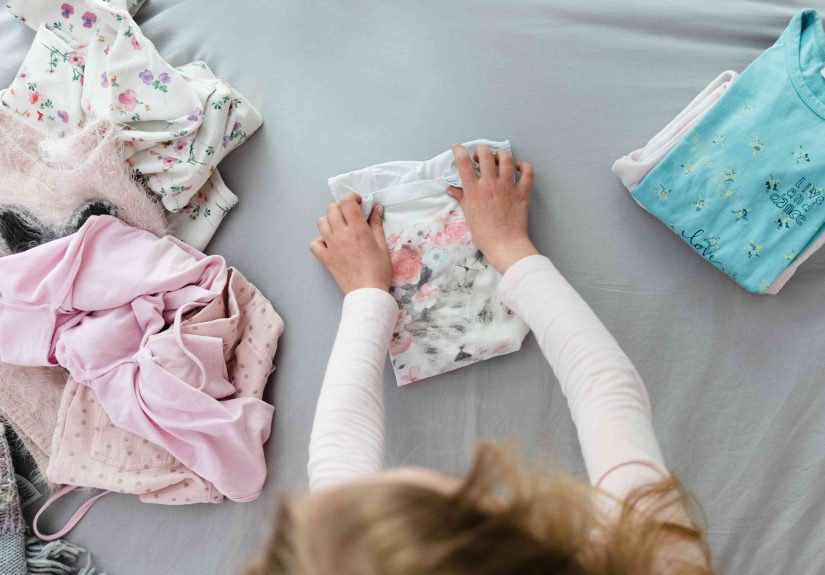
One smart strategy is to give toddlers their own “mini job” alongside your real one. While you fold clothes, they get to match socks or put washcloths in a basket. It taps into their love of imitation without expecting a picture-perfect result.
The Grade-Schooler Who Negotiates Like a Lawyer
Older kids are famously good at noticing fairness. If one child feels like they’ve been stuck with the worst chore (“Why am I always on trash duty?!”), they will absolutely bring it uploudly.
Families often find that rotating chore assignments weekly or monthly helps. For example, one week your 8-year-old is on dishwasher duty and your 10-year-old is on trash and recycling; the next week they switch. Writing this rotation down where everyone can see it reduces arguments and “selective memory.”
Another trick: invite kids to help design the system. Ask, “Here are the chores that need doing every day. How do you think we should divide them up so it feels fair?” When kids have some say in the rules, they’re more likely to follow themeven if the chores themselves aren’t thrilling.
The Tween Who Wants Money, Not Stickers
By ages 10–12, many kids are suddenly very motivated by money: saving for a game, clothes, or outings with friends. Parents often shift from simple praise or sticker charts to some form of allowance tied loosely (or partially) to chores.
One approach that works well is to separate “baseline” chores, which are expected as part of the family, from “extra” chores that can earn money. For example:
- Baseline: Keeping their room reasonably clean, helping with dishes, taking out their trash.
- Paid extras: Deep cleaning the fridge, organizing the garage, washing the car, or tackling a bigger yard project.
This balance keeps the message clear: “You’re part of this household, so you contribute no matter what,” while still giving tweens and teens a way to earn extra money by being helpful.
The Teen Who’s “Too Busy” for Chores
High school often comes with packed schedules: sports, homework, part-time jobs, social lives. It might feel easier to let chores slide for teens who are thriving elsewhere, but that can backfire when they move out and discover they don’t know how to cook a basic meal or run a washing machine.
What tends to work best is renegotiating chores, not removing them. Instead of daily vacuuming, a teen might:
- Be fully responsible for their own laundry and room.
- Cook dinner once a week on a night that fits their schedule.
- Handle a standing weekend task like mowing the lawn or deep-cleaning a shared bathroom.
Tying chores to their upcoming independence can also help. Conversations like, “When you’re living on your own, you’ll need to manage food, laundry, cleaning, and a budget. Let’s use these next few years to practice while there’s still a safety net,” frame chores as a form of training, not random punishment.
What Almost Every Parent Eventually Learns
Ask parents of grown kids, and many will tell you:
- Starting chores earlyeven if it’s messypays off later.
- Kids do better with clear expectations than with vague “help more around the house” speeches.
- Consistency matters more than any specific chore chart design.
- Gratitude and humor go a long way. (“This bathroom doesn’t smell like a locker room anymorethank you!”)
When you treat chores as a normal part of family life, not a punishment or a favor to you, kids slowly accept the idea that everyone contributes. The bonus: one day you realize you didn’t take out the trash, wash the towels, or empty the dishwasherand the house is still running. That’s not just a parenting win; it’s a life skill win for your kids.
Bringing It All Together
Age-appropriate chores for kids 2 to 18 aren’t about creating tiny housekeepers; they’re about raising capable humans. Start small when they’re little, build skills as they grow, and keep chores grounded in respect, patience, and teamwork. The lists in this guide give you a structurebut your family’s version will be unique, and that’s exactly how it should be.