Table of Contents >> Show >> Hide
- Why White and Gray Work So Beautifully in a Bathroom
- What Is Box Molding, and Why Does It Elevate the Bathroom?
- Best Places to Use Box Molding in a White and Gray Bathroom
- Choosing Materials for Bathroom Box Molding
- The Perfect White and Gray Color Palette
- Tile Ideas That Complete the Look
- Vanity, Countertop, and Hardware Choices
- Lighting: The Difference Between Dreamy and Dungeon
- Moisture Control: The Practical Side of Pretty
- Decor That Makes the Bathroom Feel Finished
- Common Mistakes to Avoid
- Design Example: A Dreamy White and Gray Bathroom Plan
- Extra Experience: Living With a White and Gray Bathroom With Box Molding
- Conclusion
A dreamy white and gray bathroom with box molding is the kind of space that whispers, “I have my life together,” even if there is a half-empty shampoo bottle hiding behind the curtain. It feels calm, polished, classic, and just fancy enough to make brushing your teeth feel like a tiny spa appointment. The magic comes from balance: crisp white surfaces, soft gray tones, elegant wall molding, practical materials, warm lighting, and a few thoughtful details that keep the room from looking like a hotel bathroom that has never met a human.
White and gray bathrooms have remained popular because they are flexible. They work in small powder rooms, family bathrooms, guest baths, and large primary suites. Add box molding, also called picture frame molding or applied wall molding, and the room immediately gains architectural character. Instead of plain walls, you get depth, shadow, rhythm, and that “custom home” feeling without necessarily rebuilding the entire house.
The best part? This bathroom style can be elegant without being stiff. It can lean modern, traditional, farmhouse, transitional, coastal, or Parisian-inspired depending on the tile, vanity, mirror, hardware, and lighting you choose. In other words, white and gray are not boring. They are the quiet main characters, and box molding is the plot twist.
Why White and Gray Work So Beautifully in a Bathroom
A bathroom is usually one of the smallest rooms in the home, but it carries a heavy workload. It needs to be bright enough for grooming, relaxing enough for bathing, durable enough to handle steam, and stylish enough that guests do not feel like they accidentally entered a storage closet. White and gray solve many of those design challenges at once.
White reflects light, helping a bathroom feel larger, cleaner, and more open. Gray adds softness and contrast, especially when pure white alone might feel too sharp. Together, they create a layered neutral palette that looks fresh in the morning and soothing at night. A white vanity against pale gray walls, gray marble-look tile beside white trim, or a warm gray floor under bright white box molding can create a room that feels calm without feeling flat.
The Secret Is Choosing the Right Gray
Not all gray paint colors behave politely. Some turn blue, some turn purple, and some look like wet cement after sunset. For a dreamy white and gray bathroom, choose a gray with a soft undertone. Warm grays, greiges, pale stone colors, and misty blue-grays tend to feel more inviting than cold industrial grays.
Before painting the whole room, test samples on more than one wall. Bathrooms often have mixed lighting: natural daylight, vanity bulbs, overhead lights, and shadows from mirrors or shower glass. A gray that looks perfect at noon may become gloomy at 9 p.m. Paint samples are cheaper than regret, and regret does not match your towels.
What Is Box Molding, and Why Does It Elevate the Bathroom?
Box molding is decorative trim installed on a wall in rectangular or square shapes. It is often used to mimic classic paneling, create visual structure, and add architectural detail. In bathrooms, box molding can be installed on the lower half of the wall like wainscoting, from floor to ceiling for a dramatic effect, or as an accent behind a vanity or freestanding tub.
The appeal is simple: it makes walls look intentional. A flat wall says, “I exist.” A wall with box molding says, “I was designed.” Even a modest bathroom can feel more finished when the wall planes have dimension. The thin trim casts subtle shadows, which is especially beautiful in a white and gray color scheme because the entire palette depends on texture and light rather than loud color.
Box Molding vs. Traditional Wainscoting
Traditional wainscoting usually covers the lower portion of a wall and may include panels, beadboard, raised panels, or board-and-batten details. Box molding is often more minimal because it uses applied trim to form frames directly on the wall. It can give a similar elegant effect while using fewer materials.
For a dreamy white and gray bathroom, box molding is a smart choice because it feels refined without being bulky. It works especially well in narrow bathrooms where thick wall paneling might steal precious inches. The look can be classic, but the clean geometry also pairs beautifully with modern mirrors, sleek faucets, and simple stone countertops.
Best Places to Use Box Molding in a White and Gray Bathroom
Box molding can transform several areas of the bathroom, but placement matters. Too much trim in a tiny room may feel busy. Too little may look like an afterthought. Aim for proportion, symmetry, and clean spacing.
Behind the Vanity
The vanity wall is one of the best places to add box molding because it naturally becomes the focal point. A framed molding design around the mirror can make even a simple vanity look custom. Pair it with a white quartz countertop, a gray vanity, polished nickel hardware, and a softly arched mirror for a look that feels timeless and graceful.
On the Lower Half of the Walls
Installing box molding below a chair rail or cap rail gives the bathroom a wainscoting-inspired look. This works beautifully when the lower wall is painted white and the upper wall is painted pale gray. The contrast is subtle, but it gives the room structure. It also creates a natural line that makes towel hooks, artwork, and mirrors feel more organized.
Around a Freestanding Tub
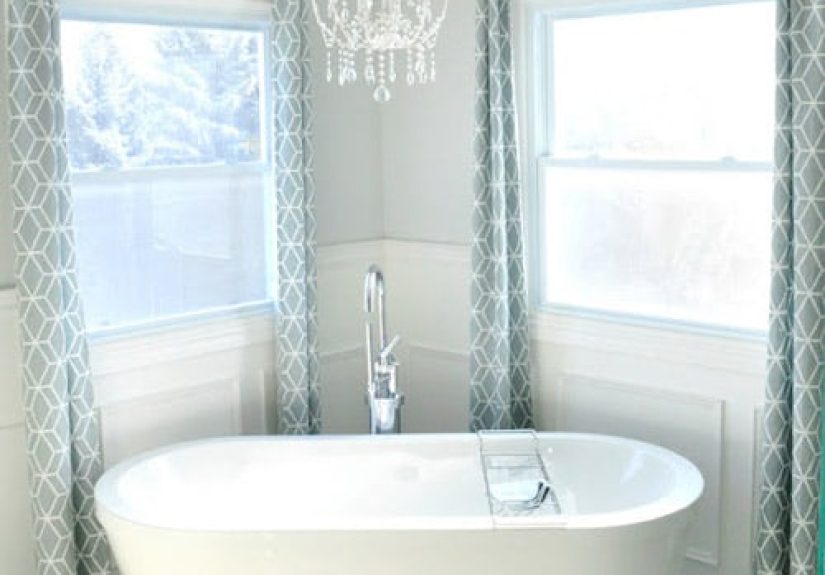
If you have a freestanding tub, box molding behind it can turn the bathing area into a feature wall. Add a soft gray wall color, white trim, and a simple chandelier or shaded sconce if appropriate for the space. The result feels elegant without screaming for attention. The tub gets to be the star, and the molding is its tasteful supporting actor.
In a Powder Room
A powder room is the perfect place to be a little more dramatic. Because there is usually no shower steam, you can sometimes take more decorative risks. Floor-to-ceiling box molding painted in a warm white or pale gray can make a small powder room feel jewel-box-like. Add a stone sink, framed mirror, and interesting lighting, and suddenly guests are complimenting the bathroom instead of just asking where it is.
Choosing Materials for Bathroom Box Molding
Bathrooms are not gentle environments. Steam, splashes, humidity, and cleaning products all test your materials. That means the trim you choose for box molding should be selected with moisture in mind.
PVC molding is a practical option for bathrooms because it resists moisture well. Primed solid wood can also work if properly sealed and painted, especially in powder rooms or well-ventilated bathrooms. MDF is common and budget-friendly, but it must be carefully sealed because water can cause swelling if edges are exposed. In high-splash areas, avoid installing vulnerable trim too close to tubs, shower openings, or wet floors unless the material is specifically suited for moisture.
Caulk is not glamorous, but it is the unsung hero of bathroom molding. Smooth caulk lines help prevent gaps, create a seamless painted finish, and keep moisture from sneaking behind trim. Think of caulk as the bathroom’s tiny bodyguard. Not exciting, but very important.
The Perfect White and Gray Color Palette
A dreamy bathroom palette should feel layered, not random. Instead of choosing “white” and “gray” in the broadest sense, build a palette with specific roles: one main white, one main gray, one accent tone, and one metal finish.
Classic Combination
Use soft white box molding, pale gray upper walls, gray-veined marble-look tile, and polished nickel fixtures. This palette feels bright, traditional, and elegant. It is ideal for homeowners who want the bathroom to feel timeless rather than trendy.
Modern Spa Combination
Try warm white walls, light greige box molding, matte gray floor tile, a floating white oak vanity, and brushed brass accents. This combination keeps the white and gray foundation but adds warmth through wood and metal. It feels relaxed, current, and spa-like without requiring a waterfall in the corner.
Soft Coastal Combination
Pair clean white trim with a misty blue-gray wall, white subway tile, pale gray grout, woven baskets, and chrome fixtures. This look feels airy and fresh, especially in bathrooms with natural light. It is coastal without covering the room in seashells, which is a kindness to everyone.
Tile Ideas That Complete the Look
Tile plays a major role in a white and gray bathroom because it adds durability, texture, and pattern. The right tile can support the box molding rather than compete with it.
Marble-Look Porcelain
Marble-look porcelain tile is popular because it gives the elegance of marble with easier maintenance. White tile with soft gray veining works beautifully on shower walls, bathroom floors, or a feature wall behind the tub. Large-format tiles can make the bathroom feel more seamless because there are fewer grout lines.
White Subway Tile
White subway tile is a classic for a reason. It is clean, versatile, and friendly to nearly every design style. To keep it interesting, consider a vertical stack, herringbone layout, handmade-look finish, or light gray grout. The goal is to add quiet movement, not visual chaos.
Soft Gray Floor Tile
A gray floor grounds the space and balances bright white walls. Choose a matte or honed-look finish for a softer feel. Patterned gray-and-white floor tile can also be beautiful, especially in a powder room or guest bath, but keep the wall molding simple so the room does not start arguing with itself.
Vanity, Countertop, and Hardware Choices
The vanity is where the white and gray bathroom becomes personal. A white vanity keeps the room bright and traditional. A gray vanity adds contrast and hides minor scuffs better than pure white. A white oak or natural wood vanity warms the palette and prevents the room from feeling too cool.
For countertops, white quartz with subtle gray veining is one of the easiest choices. It gives a clean, marble-inspired look while being practical for daily use. If you prefer natural stone, marble is beautiful but requires more care. Quartzite may offer a natural stone look with excellent durability, depending on the specific slab.
Hardware is the jewelry of the bathroom. Polished nickel feels classic, chrome feels clean, matte black feels graphic, and brushed brass adds warmth. In a dreamy white and gray bathroom, polished nickel and brass are especially charming because they soften the palette without overpowering it.
Lighting: The Difference Between Dreamy and Dungeon
White and gray bathrooms need good lighting. Without it, gray can look dull and white can look cold. Layered lighting is best: overhead lighting for general brightness, vanity lighting for grooming, and accent lighting if the room has architectural features worth highlighting.
Vanity sconces placed near eye level on both sides of the mirror are flattering because they reduce harsh shadows. If side sconces are not possible, a well-proportioned light bar above the mirror can still work. Choose warm white bulbs rather than icy blue-white ones. The goal is “fresh spa,” not “interrogation room with towels.”
Box molding benefits from light because shadows reveal the trim detail. A soft overhead fixture or wall sconces can bring out the dimension of the molding, especially when it is painted in satin or semi-gloss. Just make sure any fixture used near wet areas is rated appropriately for bathroom conditions.
Moisture Control: The Practical Side of Pretty
A bathroom can be gorgeous, but if moisture is ignored, the dream can turn into peeling paint, swollen trim, and mystery spots that nobody wants to discuss. Good ventilation is essential. Use an exhaust fan during showers and let the room dry afterward. If your bathroom has no window or poor airflow, upgrading the fan may be one of the smartest design decisions you make.
Paint also matters. Bathroom walls and trim should be finished with moisture-resistant paint. Satin, semi-gloss, or specialty bathroom paint can help surfaces stand up to humidity and cleaning. For a high-end look, many homeowners like the softness of matte bathroom-specific paints, but the key is choosing a product designed for high-humidity rooms.
After installation, keep an eye on caulk lines, grout, and trim seams. Small maintenance tasks prevent big problems. A dreamy bathroom should smell like clean towels and eucalyptus, not like a damp basement trying to write a memoir.
Decor That Makes the Bathroom Feel Finished
Once the major design elements are in place, decor brings the room to life. With a white and gray bathroom, texture is your best friend. Add plush towels, a woven hamper, a small wooden stool, a ceramic soap tray, and a simple vase with greenery. These small touches keep the neutral palette from feeling sterile.
Artwork can work beautifully above box molding, especially in a powder room or beside a tub. Choose soft landscapes, black-and-white photography, botanical prints, or abstract pieces with gray, cream, taupe, or muted blue tones. Keep frames simple so they complement the molding instead of competing with it.
Mirrors Matter More Than You Think
A mirror can change the entire personality of the bathroom. A rectangular mirror feels clean and tailored. An arched mirror softens the straight lines of box molding. A round mirror adds contrast and works especially well over a square vanity. For a dreamy look, choose a mirror with a slim metal frame, wood frame, or beveled edge.
Do Not Forget Storage
Beautiful bathrooms still need to store toothpaste, hair tools, extra toilet paper, and the mysterious collection of almost-empty skincare bottles we all pretend not to own. Use closed vanity storage for daily clutter and open shelves only for attractive items. White baskets, gray linen bins, and glass jars can keep the storage plan consistent with the design.
Common Mistakes to Avoid
The first mistake is choosing a gray that is too dark for the room. Unless the bathroom has excellent lighting, deep gray walls can shrink the space. If you want drama, use darker gray on the vanity or floor instead of every wall.
The second mistake is installing box molding without planning the layout. Random rectangles can look awkward fast. Measure carefully, keep spacing consistent, and align molding with major features like the vanity, mirror, window, or tub. Symmetry is not always required, but intention is.
The third mistake is using the wrong trim material near moisture. In a bathroom, beauty must shake hands with durability. Seal edges, use the right paint, ventilate well, and avoid placing delicate materials where water regularly splashes.
The fourth mistake is making the bathroom too cold. White and gray can become chilly if there is no warmth. Add wood, woven textures, warm lighting, brass, soft towels, or natural stone tones. Even one warm element can rescue the room from looking like a very clean refrigerator.
Design Example: A Dreamy White and Gray Bathroom Plan
Imagine a medium-size bathroom with pale gray upper walls and white box molding on the lower half. The molding runs around the room at about chair-rail height, with clean rectangular panels spaced evenly below. The vanity is soft gray with shaker doors, topped with white quartz that has gentle gray veining. Above it hangs an arched mirror in polished nickel, flanked by two simple shaded sconces.
The floor is matte light-gray porcelain tile in a large format, keeping the room calm and easy to clean. The shower has white subway tile installed vertically for a slightly modern twist, with pale gray grout that adds definition without shouting. Towels are white, the bath mat is textured ivory, and a small wood stool near the tub adds warmth.
The result is elegant but livable. It feels bright, soothing, and organized. It has enough detail to be memorable, but not so much that the room feels crowded. That is the sweet spot for a white and gray bathroom with box molding: polished, peaceful, and practical.
Extra Experience: Living With a White and Gray Bathroom With Box Molding
One of the best things about living with a white and gray bathroom with box molding is how calm it feels day after day. Some design choices are exciting for two weeks and then become visual background noise. This style tends to age gracefully because it is built on classic contrast, architectural detail, and a restrained palette. You are not relying on a wild trend to carry the room. You are relying on proportion, light, texture, and good materials.
In everyday use, the box molding makes the bathroom feel more cared for. Even when the counter has a hairbrush, a face wash bottle, and one rogue cotton swab sitting out, the walls still look polished. That architectural structure gives the room a sense of order. It is like the bathroom is wearing a blazer, even when life is wearing sweatpants.
White and gray also make cleaning routines more obvious in a good way. Dust on top of trim, water spots on tile, and toothpaste splashes near the sink are easier to notice before they become stubborn. This may sound like a downside, but it actually helps keep the room fresher. A quick weekly wipe-down of the molding ledges, vanity, mirror, and baseboards keeps the whole space looking crisp.
The one experience homeowners should prepare for is that white trim needs thoughtful maintenance. If the box molding is installed in a busy family bathroom, choose a washable paint finish. Satin or semi-gloss trim paint is easier to wipe than flat paint. Around the sink, keep a small microfiber cloth nearby. A thirty-second wipe after splash-heavy routines can save a lot of scrubbing later.
Lighting also changes how the room feels throughout the day. In natural morning light, a white and gray bathroom can feel bright and energizing. In the evening, warm bulbs and sconces soften the trim shadows and make the room feel cozy. If the bathroom feels too stark, switch the bulbs before repainting. Lighting is often the cheaper villain.
Another real-life lesson: bring in softness. White and gray are beautiful, but they benefit from touchable elements. Thick towels, a fabric Roman shade, a woven basket, a small rug, or a wood tray can make the bathroom feel lived-in rather than staged. The goal is not to create a museum for soap. The goal is to create a room that looks wonderful while still handling normal routines.
Box molding also encourages better decorating decisions. Because the walls already have detail, you do not need to overfill the room. One framed print, one vase, one beautiful mirror, and one well-chosen light fixture may be enough. This is helpful for anyone who tends to buy “just one more cute thing” until the bathroom looks like a gift shop with plumbing.
If you are planning this look from scratch, spend extra time on measurements. The most satisfying box molding installations have balanced spacing around outlets, mirrors, towel bars, and vanities. When panels line up thoughtfully, the room feels expensive. When they almost line up, your eye notices, even if your brain tries to be polite about it.
Finally, the biggest experience-based advantage is flexibility. You can update a white and gray bathroom easily over time. Swap chrome hardware for brass, change gray towels to sage green, add a warmer rug, or repaint the upper wall in a soft greige. The box molding will still work. The white and gray foundation gives you room to refresh the design without starting over, which is excellent news for your budget and your weekend plans.
Conclusion
A dreamy white and gray bathroom with box molding is more than a pretty design idea. It is a smart way to combine classic style, visual texture, and practical comfort. White keeps the space bright, gray adds softness, and box molding gives the walls depth and character. When paired with moisture-wise materials, good lighting, durable paint, elegant tile, and warm accessories, this bathroom style can feel both luxurious and livable.
The key is balance. Choose the right shade of gray, keep the trim crisp, add texture, plan the molding carefully, and respect the realities of bathroom humidity. Do that, and your bathroom can become the kind of serene, polished retreat that makes even a Monday morning feel slightly more civilized.