Table of Contents >> Show >> Hide
- Why the Area Behind Your Ears Can Smell “Cheesy”
- Quick Self-Check: Buildup or Something More?
- The Most Common Causes (and What to Do About Each)
- 1) Basic buildup: oil + sweat + dead skin
- 2) Seborrheic dermatitis (aka dandruff’s sneaky cousin)
- 3) Intertrigo: irritation in a skin fold
- 4) Contact dermatitis (irritation or allergy)
- 5) Earrings/piercings and “earring back gunk”
- 6) Psoriasis or eczema near the ear
- 7) Ear canal issues (less common, but important)
- The Step-by-Step Fix (Works for Most People)
- Step 1: Wash behind your ears on purpose (daily for a week)
- Step 2: Dry like you mean it
- Step 3: Gentle exfoliation 1–2 times per week
- Step 4: If flakes/greasy scale are involved, use an anti-dandruff shampoo as a wash
- Step 5: Moisturize and protect the fold
- Step 6: Clean the stuff that touches your ears
- Step 7: Check your hair products and routine
- If You Have Piercings: How to Beat “Earring Odor” Without Making Things Worse
- Targeted Fixes for Specific Situations
- What Not to Do (Because It Usually Backfires)
- When to See a Doctor (No Drama, Just Smart)
- A Simple 7-Day Reset Plan
- Real-Life Experiences and “Yep, That Happened” Moments (Extra Insights)
Let’s talk about the weirdest place your body can decide to “age” like a fine brie: the crease behind your ears.
If you’ve ever caught a whiff and thought, “Why do I smell like I stashed a snack in my hair?”you’re not alone.
The good news: this is usually fixable with boring (but effective) hygiene tweaks. The better news: you don’t need to
power-wash your head like a driveway.
This article is based on guidance from reputable U.S. medical and dermatology sources (think major clinics, dermatology associations,
and public health agencies). No links herejust the practical stuff you can actually use.
Why the Area Behind Your Ears Can Smell “Cheesy”
That “cheese smell” is usually a combo of oil (sebum), sweat, dead skin, and microbes
(bacteria and yeast) doing what microbes do: breaking things down into smelly byproducts.
Behind the ears is a perfect little hideout for buildup because:
- It’s a skin fold (warm + less airflow).
- It’s easy to miss when you wash your face/hair.
- Hair products (sprays, oils, dry shampoo) can collect there.
- Accessories (glasses arms, headphones, masks, hats) add friction and trap moisture.
- Skin conditions can create extra scaling, oiliness, or irritation.
The key is figuring out whether you’re dealing with simple buildupor a skin issue that needs a slightly different game plan.
Quick Self-Check: Buildup or Something More?
It’s probably just buildup if:
- The skin looks normal (no rash), but feels a little greasy or “gunky.”
- The smell improves after washing and drying well.
- You wear headphones/hat/glasses often or use hair products daily.
It might be a skin condition if you notice:
- Flakes or greasy scales (think dandruff, but relocated).
- Redness, itching, cracking, or burning.
- Moist, irritated skin in the crease (sometimes with a musty odor).
- Persistent odor even when you’re washing regularly.
It’s time to get checked urgently if you have:
- Spreading redness, warmth, swelling, significant pain.
- Pus, crusting, or oozing that doesn’t quit.
- Fever or you feel sick.
- A bump that looks like a boil or abscess.
The Most Common Causes (and What to Do About Each)
1) Basic buildup: oil + sweat + dead skin
This is the “I wash my face, I wash my hair… why is this one little fold going rogue?” situation.
The fix is consistency, not aggression.
2) Seborrheic dermatitis (aka dandruff’s sneaky cousin)
If you have dandruff, oily flakes, or redness around the scalp and ears, seborrheic dermatitis can show up behind the ears.
It often causes greasy scaling and irritation, and buildup can carry odor.
What helps: medicated anti-dandruff shampoos (used strategicallymore on that below), and gentle skincare habits.
3) Intertrigo: irritation in a skin fold
Intertrigo happens when skin rubs + moisture gets trapped. Add heat, sweat, and friction from glasses or masks,
and the crease behind your ear can become irritatedand sometimes develop a funky smell if infection joins the party.
4) Contact dermatitis (irritation or allergy)
Some people react to metals (especially nickel), hair products, fragrances, or even the rubbery parts of glasses.
That irritation can lead to itching, flaky patches, and sometimes odor from inflamed, broken-down skin.
5) Earrings/piercings and “earring back gunk”
Even if your piercing isn’t new, oils and dead skin can collect on the backs and posts. That mixture can smell…
memorable. Cleaning your ears but never cleaning your earrings is like washing your hands and then licking a subway pole.
You did something, but not the part that matters.
6) Psoriasis or eczema near the ear
Psoriasis can extend behind the ears and cause thicker scale. Eczema can make the area dry, itchy, and sensitive.
Both can create more buildup, more irritation, and more opportunities for odor.
7) Ear canal issues (less common, but important)
Sometimes what you think is “behind the ear smell” is actually coming from the ear canallike drainage with swimmer’s ear
or an infection. If you have ear pain, discharge, or hearing changes, don’t DIY your way into trouble.
The Step-by-Step Fix (Works for Most People)
Step 1: Wash behind your ears on purpose (daily for a week)
In the shower or at the sink, use a mild, fragrance-free cleanser. Use your fingertipsnot your nails.
If you’re prone to irritation, avoid harsh antibacterial soaps. Rinse well.
Pro tip: Treat behind the ears like part of your face, not part of your “I’ll-get-it-someday” zone.
Step 2: Dry like you mean it
Moisture is odor fuel. After washing, pat dry with a clean towel. If you’re sweaty, do a quick mid-day dry-off.
If you wear glasses, remove them briefly after drying so the arms aren’t trapping dampness.
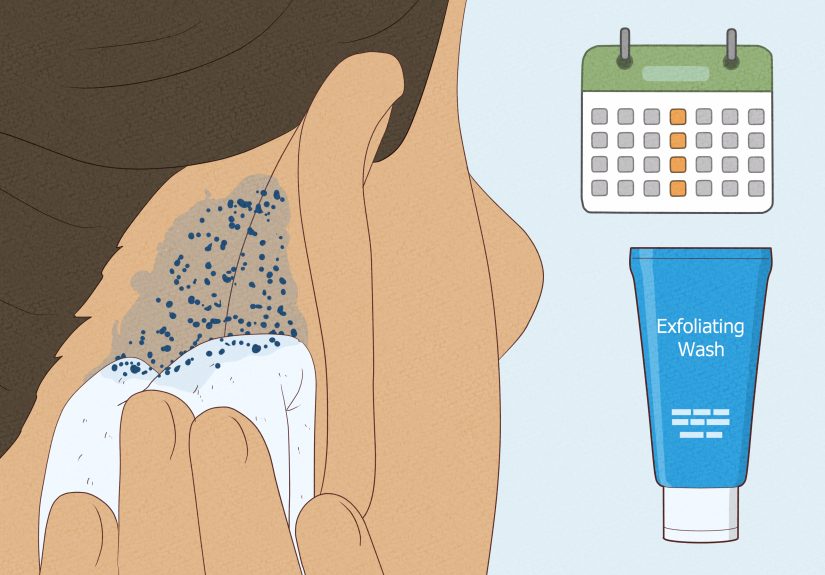
Step 3: Gentle exfoliation 1–2 times per week
If you get visible gunk or flakes, use a soft washcloth and gentle pressure. Think “polite scrub,” not “sanding a deck.”
Over-scrubbing can inflame skin and make odor worse long-term.
Step 4: If flakes/greasy scale are involved, use an anti-dandruff shampoo as a wash
If you suspect seborrheic dermatitis, an OTC dandruff shampoo can help because many contain antifungal or anti-inflammatory ingredients.
Common options include formulas with ingredients like ketoconazole, selenium sulfide, or zinc pyrithione.
How to use it behind the ears:
- Apply a small amount to the damp skin behind each ear.
- Let it sit for a short contact time (follow label directions as a general guide).
- Rinse thoroughly and pat dry.
- Start a few times per week, then adjust based on results and skin sensitivity.
If the area becomes dry or irritated, cut back and focus on moisturizing (next step).
Step 5: Moisturize and protect the fold
If your skin is dry, irritated, or itchy, a bland moisturizer (fragrance-free) can help repair the skin barrier.
For a fold that stays damp, a thin layer of a barrier product (like zinc oxide) can reduce friction and moisture.
Step 6: Clean the stuff that touches your ears
This is where people sabotage themselves without realizing it.
- Glasses: Wipe the arms daily; wash weekly with mild soap and water.
- Headphones/earbuds: Clean pads/tips regularly (follow the manufacturer’s directions).
- Hats/helmets: Wash often, especially if you sweat.
- Pillowcases: Swap 1–2 times weekly if you’re oily or using hair products at night.
Step 7: Check your hair products and routine
Heavy oils, pomades, and leave-in products can migrate into the ear crease. Try:
- Keeping products off the skin behind your ears (apply to hair lengths, not scalp/skin).
- Rinsing thoroughly around the hairline and ears.
- Not going to bed with wet hair (damp hair + warm skin fold = microbial vacation resort).
If You Have Piercings: How to Beat “Earring Odor” Without Making Things Worse
Daily basics
- Wash the skin around piercings gently with a mild cleanser and water.
- Rinse well and dry thoroughly.
Weekly (or as needed): clean the jewelry
Remove earrings if it’s safe for you to do so (new piercings need specific aftercarefollow professional guidance).
Clean the posts and backs gently. If you suspect metal sensitivity, consider switching to more skin-friendly options
(like nickel-free or certain hypoallergenic metals).
Targeted Fixes for Specific Situations
If it’s itchy and flaky (seb derm, eczema, psoriasis)
- Use gentle cleansers; avoid fragrance.
- Try anti-dandruff shampoo as a short-contact wash a few times weekly.
- Moisturize daily.
- If thick scale or stubborn irritation persists, a clinician can recommend appropriate medicated options.
If it’s moist, irritated, and smells musty (intertrigo or yeast involvement)
- Dry thoroughly after washing and sweating.
- Reduce friction from glasses or mask straps if possible.
- Use a barrier layer to protect the fold.
- If there’s worsening redness, pain, odor, or oozing, get evaluated for infection.
If it’s red and angry exactly where metal touches (possible nickel allergy)
- Switch to nickel-free/hypoallergenic jewelry or adjust accessories.
- Avoid fragranced hair and skincare products near the area.
- If symptoms persist, a dermatologist can help confirm triggers and guide treatment.
What Not to Do (Because It Usually Backfires)
- Don’t scrub until it hurts. Irritation can increase odor and flaking.
- Don’t drown it in strong fragrance. Covering smell isn’t the same as fixing it.
- Don’t put random objects in your ear canal. Especially cotton swabs.
- Don’t ignore signs of infection. Heat, swelling, pus, fever = time to get help.
When to See a Doctor (No Drama, Just Smart)
Make an appointment if you have persistent odor with rash, cracking, bleeding, oozing, or significant itching.
Seek urgent care if you have spreading redness, warmth, swelling, pus, fever, or severe pain.
If you have diabetes or a weakened immune system, it’s especially important to get skin infections checked early.
A Simple 7-Day Reset Plan
- Days 1–7: Wash behind ears daily + dry thoroughly.
- Days 1–7: Clean glasses/headphones and change pillowcase twice.
- Day 3: Add gentle washcloth exfoliation (if not irritated).
- Day 4–7: If flakes/greasy scale exist, use dandruff shampoo as a short-contact wash 2–3 times total.
- All week: Moisturize if dry; use barrier if fold stays damp.
Most “cheese smell behind ears” cases improve fast once you stop giving buildup a rent-free apartment.
Real-Life Experiences and “Yep, That Happened” Moments (Extra Insights)
If this issue feels oddly specific, it’s because it’s usually triggered by small habits you don’t noticeuntil your nose files a complaint.
Here are common experiences people report (and what they learned) that might sound familiar.
The Headphone Trap
A lot of people who wear over-ear headphones for school, gaming, or work notice the smell first on a sweaty day.
The ear pads press against the area, heat builds up, and sweat has nowhere to go. Then oil and dead skin join in,
and suddenly you’ve got a smell that feels like it belongs on a deli plate.
The “aha” moment usually comes when someone cleans their skin behind the ears daily… and the smell still returns.
The missing step? Cleaning the ear pads. Once they start wiping the headphone surfaces and letting them fully dry,
the odor drops dramatically. It’s not that the person is “dirty”it’s that the accessory is constantly re-seeding the area
with oils and microbes. A quick weekly clean (plus swapping pillowcases more often) often makes the biggest difference.
The Glasses Pressure Point
Another classic: the smell is strongest exactly where the arms of the glasses sit. People often describe slight tenderness,
a little redness, or a slick feeling behind the ear by the end of the day. The fold stays warm, friction increases,
and the skin gets irritatedespecially in hot weather or humid climates.
The fix that surprises people is how low-effort it can be: cleaning the glasses arms daily, drying behind the ears after washing,
and using a tiny amount of moisturizer or barrier protection. Some people also find that adjusting how tight their frames sit
(or switching to lighter frames) reduces friction. When irritation calms down, the smell often disappears with it.
The “Hair Product Migration” Mystery
Many folks swear they wash wellthen realize their hair products are basically sneaking behind their ears like tiny gremlins.
Leave-in conditioner, pomade, hair oil, styling cream, and even sunscreen can drift into that crease.
Over time, the area can feel waxy, and odor shows up even when the rest of the scalp smells fine.
The breakthrough is usually changing where products are applied: focusing them on mid-lengths and ends,
avoiding skin contact, and rinsing carefully around the hairline and ear area. Some people also report that sleeping
with damp hair makes everything worsewet hair sits against the skin fold, creating a moist environment for odor.
Once they start drying hair fully before bed, the “mystery smell” becomes much less mysterious.
The Flakes That Weren’t Just “Dry Skin”
People with dandruff often don’t realize it can extend behind the ears. They describe flaky skin that returns quickly,
sometimes with a slightly greasy texture and stubborn itch. They’ll moisturize like crazy, but the flakes keep coming back.
In these cases, using an anti-dandruff shampoo as a wash for the area (a couple times a week) can be a game changer
especially when paired with gentle cleansing and moisturizing on off-days.
One of the most common lessons: aggressive scrubbing makes it worse. Once people switch to gentle cleansing,
targeted medicated washing, and consistent drying, the area calms down and the smell fades.
The “Wait… It Was My Earrings?” Surprise
If someone wears studs 24/7, they may not think about the backs and posts at alluntil they remove earrings and notice buildup.
The smell can be strong because the metal parts trap oils and dead skin in a tiny hidden space. The experience is usually:
“I’m horrified,” followed by “How did I not know this?”
Once they start cleaning earrings regularly and washing the skin behind the ears daily, odor often stops returning.
If irritation is part of the pictureredness or itching around the jewelryswitching to nickel-free/hypoallergenic options
tends to help too.
Bottom line: most “cheese smell behind ears” stories end the same waysomeone fixes one tiny overlooked habit,
and suddenly they’re not worried their head smells like a snack tray anymore. Small changes, big payoff.