Table of Contents >> Show >> Hide
- Why People Care About “Bad Luck” Wedding Gifts
- 16 Wedding Gifts Some People Consider Bad Luck
- 1. Knives (Including Knife Sets)
- 2. Scissors (And Other “Cutting” Tools)
- 3. Shoes
- 4. Handkerchiefs
- 5. Pearls (Especially as Wedding-Day Jewelry)
- 6. Opals
- 7. Clocks
- 8. Watches
- 9. Perfume (Or Strong Fragrance Gifts)
- 10. Mirrors
- 11. Umbrellas
- 12. Gloves
- 13. Soap (And Some “Cleaning” Gifts)
- 14. An Empty Wallet or Purse
- 15. Peacock Feathers (Or Peacock-Feather Décor)
- 16. A Portrait of the Couple (Especially as a Surprise)
- How to Avoid a Wedding Gift Superstition Mistake (Without Making It Awkward)
- “Okay, Then What Should I Give?” Easy Good-Luck Alternatives
- Experiences People Share About “Bad Luck” Wedding Gifts (Real-Life, No Hexes Required)
- Conclusion
Weddings are basically a celebration of love… plus cake… plus that one relative who insists they “don’t dance” while
doing a surprising amount of dancing. And because weddings are huge, emotional, and (let’s be honest) expensive,
people love attaching little bits of folklore to themgood-luck rituals, don’t-jinx-it rules, and yes, the famous
“please don’t gift that” superstitions.
Are wedding gift superstitions scientifically proven? Nope. Are they still very real to the couple (or their parents,
or their grandma who has Opinions™)? Absolutely. If you want to be a considerate guest, it helps to know which wedding
gifts some people consider unluckyand what to do instead. This guide breaks down 16 “bad luck wedding gifts” you may
want to avoid, plus easy workarounds that keep your present thoughtful, practical, and drama-free.
Why People Care About “Bad Luck” Wedding Gifts
“Bad luck” wedding gifts are usually about symbolism. A gift can accidentally send the wrong message: “Here’s a knife,
may your marriage be… cut?” (That’s not the vibe.) These beliefs can come from family traditions, cultural customs,
old-world folklore, or just stories that have been repeated so many times they start to feel like rules.
The most important thing to remember: superstition is personal. One couple will happily register for steak knives,
while another couple (or their aunt) will react as if you arrived carrying a tiny thundercloud in a gift bag. When in
doubt, choose kindness over certaintybecause nothing says “congratulations” like a gift that doesn’t spark a debate
at the dessert table.
16 Wedding Gifts Some People Consider Bad Luck
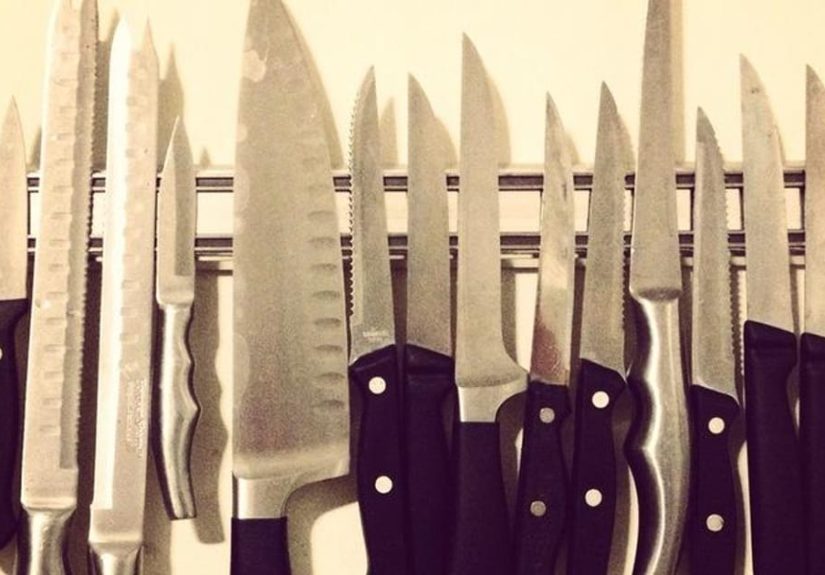
1. Knives (Including Knife Sets)
This is the heavyweight champ of wedding gift superstitions. In many traditions, giving a knife symbolizes “cutting”
the relationshipbetween you and the couple, or between the newlyweds themselves. The irony is that couples often
want good knives for their kitchen, which is why this superstition survives mostly as a polite “heads-up,” not a
strict ban.
Save it: If the couple registered for knives, that’s basically them saying, “We choose sharp objects
and happiness.” If you still want to respect tradition, tuck a penny or small coin into the box so the couple can
“buy” the knives from youturning the gift into a symbolic transaction instead of a relationship-slicing omen.
2. Scissors (And Other “Cutting” Tools)
Scissors get lumped into the same symbolism as knives: cutting ties, cutting bonds, cutting the romantic tension
(okay, that last one is a joke, but you get it). Sewing scissors, kitchen shears, craft cuttersif it snips, some
people side-eye it.
Save it: Use the same coin trick. Or swap your gift to a non-cutting kitchen upgrade: a quality
cutting board, cast-iron skillet, or an “experience” gift like a cooking class.
3. Shoes
Shoes are a classic “walk away” superstition: gifting shoes can imply the recipient will walk out of your lifeor, in
wedding terms, walk out of the marriage. Not exactly the blessing you want to accidentally whisper into the universe.
Save it: If you’re dead set on shoes (maybe the couple is outdoorsy and would love hiking boots), add a
playful note acknowledging the superstition and include a coin “to keep everyone walking toward good things.”
4. Handkerchiefs
Some superstitions are… aggressively literal. A handkerchief is associated with wiping tears, so gifting one can be
read as “May your marriage come with abundant crying.” Even if the couple loves vintage style, this one can feel like
a gloomy metaphor.
Save it: Choose cheerful textiles instead: embroidered napkins, a cozy throw blanket, or upgraded bath
towelsanything that says “comfort” without shouting “TEARS.”
5. Pearls (Especially as Wedding-Day Jewelry)
Pearls are beautifuland also famously linked to “tears” because of their shape and long-running folklore. Some
traditions warn brides not to wear pearls on the wedding day to avoid crying in marriage. As a gift, pearl jewelry can
be tricky if the couple is superstitious or if the pearl is presented as a “wedding luck” charm.
Save it: If pearls are meaningful (family heirloom vibes, classic style, anniversary tradition), present
them as “for later” rather than “wear these at the ceremony or else.” Or pair pearls with a bright, joyful note about
celebration and resilienceso the symbolism lands on love, not doom.
6. Opals
Opals have a long reputation in Western folklore as unlucky giftssometimes tied to jealousy or misfortune. In modern
life, opals are simply gorgeous stones, but if you’re shopping for a superstitious couple (or a superstitious parent),
they can raise eyebrows.
Save it: If the recipient loves opals, make it personal: “I picked this because it’s your favorite.”
Meaning beats myth. If you’re unsure, choose a safer gemstone or a non-jewelry keepsake.
7. Clocks
Clocks can signal “time running out” in a way that feels ominous, and in some cultures they’re associated with
funerals or farewells. Even if you mean “your love is timeless,” the wrong audience may hear “tick-tock.”
Save it: Gift “time” in a different form: a date-night fund, a streaming subscription, or a couples’
experience like a weekend getaway contribution.
8. Watches
Similar to clocks, a watch can be interpreted as counting down the relationshipor counting down someone’s luck. Some
traditions also frame watches as “measuring” the time you have left together. That’s a lot of emotional responsibility
for something that’s supposed to match a suit.
Save it: If the couple asked for one (or you know they’d love one), go for itjust present it as a
practical, celebratory gift rather than a symbolic “time” message.
9. Perfume (Or Strong Fragrance Gifts)
Perfume is romantic in theory, but superstitions in various cultures can link it to attracting outsiders, tempting
wandering attention, or generally stirring up “relationship interference.” Even without superstition, fragrance is
personalone person’s “fresh linen” is another person’s “why does my couch smell like a department store?”
Save it: Consider a gift card to a fragrance shop so the couple can choose together. Or go safer:
candles, coffee subscriptions, or luxury pantry items.
10. Mirrors
Mirrors have famously spooky baggage: broken mirrors, trapped souls, bad vibes, you name it. Some traditions suggest
mirrors can hold energy, reflect negativity, or invite unwanted symbolism into a new homeespecially if the mirror is
old or antique.
Save it: If you want to gift home décor, choose art prints, cozy lighting, or practical upgrades like
storage organizers. If the couple loves vintage, ask firstantiques are not a “surprise gift” category.
11. Umbrellas
Umbrellas can be linked to separation or estrangement in folklorelike the relationship gets “covered” or blocked, or
you metaphorically “close” the connection. Again: symbolism is doing a lot of work here.
Save it: If you’re gifting for practical reasons (rainy city, travel couple), include a note like:
“For staying dry on adventuresnever for keeping anyone apart.” Cheesy? Yes. Effective? Also yes.
12. Gloves
An old superstition says gifting gloves can lead to arguments or fights. It’s one of those medieval-flavored beliefs
that stuck around because it’s oddly specificand therefore memorable.
Save it: If gloves are part of a larger winter set (scarves, cozy socks, warm hats), they usually land
as “practical and sweet,” not “we predict conflict.” Context matters.
13. Soap (And Some “Cleaning” Gifts)
Soap can symbolize “washing away” the relationship or rinsing out affectionagain, literal symbolism strikes. Wedding
gifts that scream “here, clean your house” can also feel like accidental commentary, even if you mean it kindly.
Save it: If you want to give luxury soap, make it spa-like: high-end bath products paired with plush
towels and a candle. The message becomes “relax,” not “scrub.”
14. An Empty Wallet or Purse
Many traditions warn that gifting an empty wallet “invites” empty finances. It’s the kind of superstition that
survives because it’s easy to fixand honestly, it’s a charming one.
Save it: Put a coin or small bill inside. It turns the gift into a wish for abundance instead of a
prophecy of broke-ness.
15. Peacock Feathers (Or Peacock-Feather Décor)
Peacock feathers show up in folklore as unlucky inside the home, sometimes tied to the “evil eye.” Even if your décor
taste is “maximalist glam,” this one can make superstitious households quietly uncomfortable.
Save it: Choose another bold decorative moment: a colorful vase, a statement frame, or a striking
centerpiece that doesn’t come with supernatural side quests.
16. A Portrait of the Couple (Especially as a Surprise)
There’s an old superstition that receiving a portrait of yourself can signal betrayal or bad luck. In modern life,
portraits are usually sweetbut as a wedding gift, a surprise portrait can still be risky: it’s intensely personal,
style-dependent, and sometimes lands as “uncanny” if the likeness is off.
Save it: If you love the idea, make it collaborative. Gift a certificate for a session with an artist
the couple can choose, or commission something in a style you know they already adore.
How to Avoid a Wedding Gift Superstition Mistake (Without Making It Awkward)
- Start with the registry. If it’s on the list, that’s strong evidence the couple wants itmyth or no myth.
- Ask one person who knows. A sibling, best friend, or wedding party member can tell you what to avoid.
- Respect culture and family dynamics. You’re not just gifting the couple; sometimes you’re also gifting peace at future family dinners.
- When unsure, choose “neutral-good.” Think: experiences, upgraded basics, cash funds, or quality home staples.
“Okay, Then What Should I Give?” Easy Good-Luck Alternatives
If your goal is a wedding gift that feels thoughtful and safe across most traditions, here are options that rarely
trigger superstition alarms:
- Cash or a check (with a sincere note). Still one of the most flexible, appreciated gifts.
- Experience gifts: dinner certificates, museum memberships, cooking classes, or a weekend activity.
- Home upgrades: quality bedding, cookware that isn’t “cutty,” storage, or smart-home basics.
- Sentimental-but-practical: a custom recipe book, monogrammed linens, or a framed map of where they met.
Experiences People Share About “Bad Luck” Wedding Gifts (Real-Life, No Hexes Required)
Ask a group of wedding guests about superstition, and you’ll get three reactions: someone who laughs, someone who
believes, and someone’s grandma who believes enough for everyone. The funny part is how these beliefs show up in the
wildusually not as conflict, but as tiny moments of negotiation and charm.
One common story: the “penny rescue.” A couple opens a gorgeous knife block at their shower and immediately looks
thrilled… until an older relative quietly slides over and says, “Do you have a coin?” Nobody panics. Someone produces
a penny like a magician pulling a rabbit out of a hat. The couple “buys” the knives for one cent, everyone laughs,
and the knives go straight into the kitchenwhere they live a long, harmless life chopping onions instead of romance.
The superstition matters less than the feeling: family members want to protect the couple, even if protection looks
like pocket change and a wink.
Another frequent experience is the “gift with a disclaimer.” A friend gives a watch or clock because the couple loves
modern design. But instead of pretending symbolism doesn’t exist, the friend includes a note: “For your future
adventuresmay your time together always feel too short (in the good way).” That small framing turns a potentially
awkward superstition into a warm message. It also signals, “I thought about you,” which is the core of good gifting.
Pearls bring out the most interesting split opinions. Some families treat pearls as classic wedding tradition; others
avoid them like they’re tiny, perfectly round raindrops of doom. In real weddings, a compromise often happens: pearls
become an anniversary gift, a “something to wear later,” or a keepsake stored with love rather than worn on the day.
The couple still receives a meaningful heirloom, and the superstitious relative still feels like they helped keep the
marriage on the “no tears, please” track.
Then there are the home giftsmirrors, umbrellas, even soap. These tend to cause quiet edits rather than open drama.
If a couple receives a large mirror from a well-meaning guest, a superstitious parent might gently suggest placing it
somewhere “less intense,” like a hallway instead of directly facing the bed. It’s not about rejecting the gift; it’s
about placing it in a way that feels comfortable. The same goes for umbrellas: the couple may love the practicality
but still appreciate a playful note that keeps the symbolism positive.
The biggest lesson from real-world experiences is simple: most people aren’t trying to police gifts. They’re trying to
protect joy. If your gift shows thoughtfulnessand you avoid the most common “bad luck wedding gifts” when you know the
couple caresyour present will land exactly how you intended: as a vote of confidence in their future.
Conclusion
Wedding gift superstitions are less about rules and more about respect. Some couples love a little folklore, some
ignore it completely, and some live somewhere in the middlewhere a penny in a box can turn “bad luck” into a fun
family story. If you’re not sure what the couple believes, stick to the registry, ask someone close to them, or pick a
universally appreciated gift that supports their life together.
Because at the end of the day, the luckiest wedding gift isn’t a specific object. It’s the message behind it:
“I’m happy for you, I’m rooting for you, and I hope your future is full of good meals, good memories, and fewer
awkward conversations about knives.”