Table of Contents >> Show >> Hide
- Why “Killing” Keeps Showing Up in Titles
- The TV Titles That Made “Killing” Feel Like Prestige
- “The Killing” Before TV Got There
- When “Killing” Means History, Not a Whodunit
- Prestige Thrillers Where the Title Is the Warning Label
- Crime Stories That Use “Killing” Like a Punchlineor a Threat
- Documentaries and True-Life Dramas Using the Word Literally
- How to Watch “Killing” Titles Without Burning Out
- Experiences: Living With a “Killing” Queue (An Extra )
- Conclusion
Hollywood has a long-standing romance with provocative verbs, and “killing” is the one that walks into the room wearing a leather jacket and somehow gets everybody’s attention.
It’s blunt. It’s dramatic. It’s a promise of stakeseven when the story is more about obsession, grief, politics, or the slow-motion collapse of a relationship than it is about
any single act of violence.
This guide rounds up the most notable films and TV shows with killing in the titleacross noir, prestige TV, historical docudrama, indie drama, and dark comedyand
digs into why the word keeps showing up on posters, thumbnails, and “Continue Watching” rows like it owns the place.
Why “Killing” Keeps Showing Up in Titles
“Killing” does three jobs at once:
- It sets the temperature. Even before you press play, the title signals danger, intensity, and moral messiness.
- It sells a genrethen subverts it. Plenty of “killing” titles aren’t straight-up murder mysteries; some are psychological dramas, satires, or tragedies.
- It functions like shorthand. “The Killing” implies procedure. “The Killing of…” implies consequence. “Killing [Name]” implies motive, target, and tension.
In other words, “killing” is marketing with a heartbeat. Sometimes it’s literal. Sometimes it’s metaphorical. Sometimes it’s just there to make you raise an eyebrow and click.
The TV Titles That Made “Killing” Feel Like Prestige
Killing Eve
What it is: A sleek, funny, unnerving spy-thriller where the chase is the romance and the romance is… complicated.
The hook isn’t just “agent pursues assassin.” It’s the escalating fascination between Eve Polastri and Villanelle, a pairing that turns
cat-and-mouse into a psychological mirror.
Why it matters: Killing Eve helped popularize the idea that a thriller can be both stylish and emotionally warpedlike a high-end boutique that sells
knives in velvet cases. It’s also famous for tonal agility: one minute you’re laughing, the next you’re wondering why your hands are sweating.
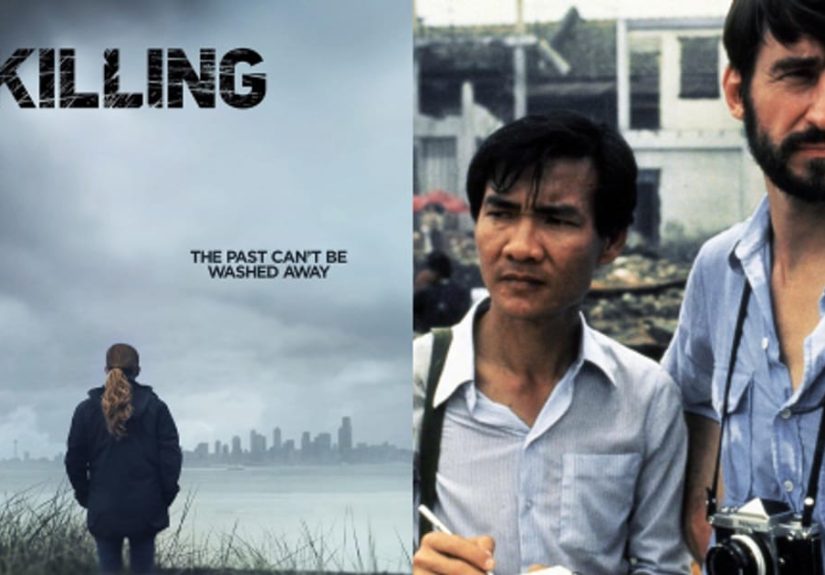
The Killing
What it is: A slow-burn American crime drama that braids investigation, family grief, and political pressure into one rainy, brooding atmosphere.
It’s the kind of show that makes Seattle look like it was built specifically for moral ambiguity and umbrellas.
Why it matters: The Killing became a benchmark for moody, serialized crime TVone that trusts silence, pacing, and character damage as much as clues.
It also lived an unusually dramatic real-world life for a show about death: cancelled, revived, then revived again.
“The Killing” Before TV Got There
The Killing (1956)
What it is: Stanley Kubrick’s lean, clever film noir about a racetrack heist that unravels like a perfectly planned spreadsheet meeting a human being.
Even if you don’t know noir, you know the vibe: desperation, bad timing, and the creeping suspicion that fate is laughing at you.
Why it matters: It’s a classic example of “killing” used as a broad label: not “a killing” as an event, but “the killing” as a worldcriminal, brittle, and doomed.
When “Killing” Means History, Not a Whodunit
The Killing Fields
What it is: A devastating drama tied to the Cambodian tragedy under the Khmer Rouge, seen through the experiences of journalists and the human bonds that survive
political terror.
Why it matters: The title isn’t a teaseit’s a warning. It signals that the story is about systems of violence and survival, not entertainment violence.
It’s also remembered for its awards legacy and the way it pushed mainstream audiences to confront history instead of escaping it.
Killing Lincoln
What it is: A National Geographic docudrama exploring the assassination of Abraham Lincoln and the surrounding historical context.
Why it matters: The “Killing [President]” formula turns a national trauma into a narrative enginepart history, part suspenseaimed at viewers who want the
facts but also want momentum.
Killing Kennedy
What it is: Another National Geographic docudrama, this time centered on the JFK assassination and the forces and people orbiting that event.
Why it matters: Few American historical events have generated more retellings. The title basically says: “You know what happened. You still can’t stop looking.”
Prestige Thrillers Where the Title Is the Warning Label
The Killing of a Sacred Deer
What it is: A cold, unnerving modern tragedy that plays like a moral riddle with teeth. It’s built on dread, consequence, and the kind of choices that don’t come
with “undo” buttons.
Why it matters: The title is deliberately ceremoniallike the story is performing a ritual rather than solving a puzzle. You don’t watch it to relax; you watch it
to feel your conscience tap-dance in steel-toe boots.
The Killing of a Chinese Bookie
What it is: John Cassavetes’ gritty, idiosyncratic noir-leaning character study about a club owner pushed into a crime he doesn’t fully control.
Why it matters: Here, “killing” is less about action and more about identityhow masculinity, ego, debt, and performance can corner someone into destruction.
The title points to a job; the film points to a person.
The Killing of Two Lovers
What it is: A tense indie drama about a marriage in separation, where emotional pressure builds like a shaken soda can.
Why it matters: It shows how “killing” in a title can signal internal violencejealousy, humiliation, obsessionlong before anything physical happens.
The real suspense is whether a character can outlast his own worst impulses.
Crime Stories That Use “Killing” Like a Punchlineor a Threat
Killing Them Softly
What it is: A bleakly funny crime film about thieves, fixers, and the “business” of violence in a world that treats morality like an optional accessory.
Why it matters: The title does a trick: “killing” is harsh, “softly” is intimate. Put together, it implies a contradictionand the story leans into that tension.
Killing Gunther
What it is: A mockumentary-style action comedy where rival assassins decide the world’s greatest hitman has had a little too much “greatest hitman” energy.
Why it matters: It’s a reminder that “killing” titles aren’t always grim. Sometimes they’re a wink: “Relax, this is violence as farce.”
Killing Zoe
What it is: A crime film that spirals into chaos after a bank job goes wrong in Paris.
Why it matters: The title’s simplicity is part of its menaceone person’s name becomes the story’s emotional detonator.
Killing Season
What it is: An action thriller built around two veterans whose connection becomes a confrontation.
Why it matters: “Season” implies a cycle: not a single act, but a period where violence ripenslike a grim harvest.
Killing Me Softly
What it is: An erotic thriller where obsession and danger walk hand-in-hand, as if they bought matching outfits.
Why it matters: The phrase “killing me softly” is already metaphorical in everyday speech; the title leans on that familiarity, promising intensity without
telling you what kind.
Documentaries and True-Life Dramas Using the Word Literally
The Killing of Kenneth Chamberlain
What it is: A tense, tragic drama based on a real-life case, built around escalation, misunderstanding, and the fatal weight of institutional power.
Why it matters: This is “killing” as indictment, not entertainment. The title places responsibility front and center and forces the viewer to sit with it.
The Killing of America
What it is: A documentary-style examination of violence in American life, stitched together to provoke, unsettle, and confront.
Why it matters: It’s an example of “killing” as cultural diagnosis: not about one case, but about a national pattern and the stories a country tells itself.
How to Watch “Killing” Titles Without Burning Out
- Mix tones on purpose. Pair a heavy historical drama with something satirical or character-driven the next night.
- Track subgenres, not just titles. Noir “killing” feels different from docudrama “killing,” which feels different from prestige-thriller “killing.”
- Notice what the title is really selling. Is it the act, the investigation, the consequence, or the vibe?
- Give yourself an off-ramp. If a show’s dread gets sticky, take a break. Your brain isn’t a streaming service; it doesn’t need constant autoplay.
Experiences: Living With a “Killing” Queue (An Extra )
There’s a specific, oddly modern experience that happens when you realize your watchlist has become a tiny museum of menace. You start out innocent enough: a friend says,
“You have to try Killing Eve,” and you think, Surestylish thriller, clever dialogue, maybe a little danger, nothing I can’t handle with a snack. A few episodes later,
you’re not just watching; you’re studying the show. You’re noticing how a glance can feel like a plot twist, how humor can arrive at the exact moment you need oxygen,
and how a title with “killing” can still be weirdly charismatic.
Then the algorithm does what it always does: it sees one “killing” and decides you’re the kind of person who wants a whole shelf of them. Suddenly you’re offered
The Killing, and you tell yourself it’s “more grounded,” which is code for “I’m ready to be emotionally bruised by rain and unresolved feelings.” The experience is
different from bingeing a fast mystery. It’s slower. You find yourself pausing to process not the plot, but the atmospherelike the show is less a story and more a weather
system. And that’s when you begin to understand the secret of these titles: “killing” doesn’t always mean action; it often means pressure.
Somewhere around this point, a curious thing happens: you start categorizing your “killing” titles the way people categorize spices. This one is “prestige spicy.”
That one is “history spicy.” That one is “noir spicy.” The Killing of a Sacred Deer becomes the bottle with the skull label you only open when you’re in the mood to
feel philosophically unsafe. The Killing Fields becomes the one you approach with respectbecause it’s not there to thrill you; it’s there to educate you with a
hard stare. And then you’ll stumble onto something like Killing Gunther and feel the relief of realizing that, yes, “killing” can also be a jokeviolence as parody,
ego as the real target.
The funniest part is how your own viewing habits change. You become suspicious of the word itself. When you see “The Killing of…” you expect consequence, fallout, moral
accounting. You expect the story to care about what happens after the headline. When you see “Killing” without an objectjust The Killingyou brace for procedure,
systems, and the sense that truth is expensive. And when the title adds a softenerKilling Them Softly, Killing Me Softlyyou start listening for irony,
because the title is basically telling you, “This won’t be clean.”
Maybe the most relatable experience is the moment you recommend one of these to someone else and realize you sound slightly unhinged. “You should watch The Killing!”
you say brightly, like you’re suggesting a baking show. Or you tell a friend, “Killing Eve is so fun,” and immediately add, “Not fun like fun, fun like…
it’s stylish and complicated and you’ll have opinions.” These titles force you to articulate what you actually mean by entertainment. Sometimes you want comfort. Sometimes you
want intensity. Sometimes you want a story that makes you examine power, desire, grief, or history. The word “killing” sits on the cover like a dare, but the best of these
films and shows deliver something richer: not just danger, but meaning.
Conclusion
“Killing” titles endure because they’re honest about stakeswhether those stakes are physical, emotional, political, or historical. Some use the word to sell suspense, some
use it to frame tragedy, and some use it to satirize the very idea of cool violence. If you treat the word as a signpost instead of a spoiler, it becomes a surprisingly useful
map: follow it, and you’ll find everything from noir precision to prestige obsession to history that refuses to be forgotten.