Table of Contents >> Show >> Hide
- Why Fans Thought They Saw Kristin Chenoweth
- The Fan Theory Had Real Broadway Magic Behind It
- What the Movie Eventually Confirmed
- Why the Cameo Worked So Well
- How Fan Culture Turned One Promo Into a Detective Story
- Kristin Chenoweth’s Lasting Importance to Wicked
- Why This Moment Became Such a Big Deal
- The Power of Easter Eggs in Movie Marketing
- Experience Section: Watching the Fandom React Felt Like Its Own Ozian Event
- Conclusion
There are casual fans, there are serious fans, and then there are Wicked fans: the kind of people who can identify a possible Broadway legend from a half-second blur in the background of a movie promo. Give them a green glow, a pink gown, or a suspiciously familiar blonde silhouette, and suddenly the internet turns into the Emerald City branch of the FBI.
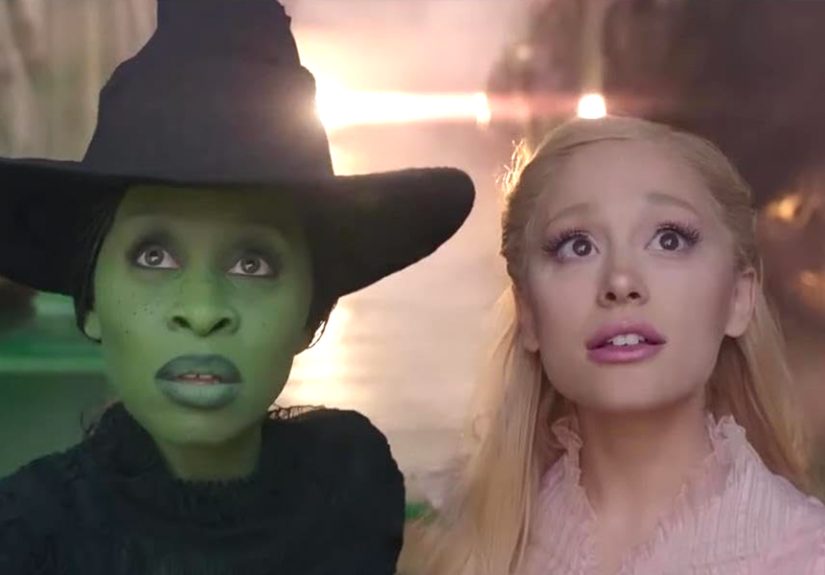
That is exactly what happened when a behind-the-scenes promo for the Wicked movie began circulating ahead of the film’s release. The featurette focused on Cynthia Erivo as Elphaba and Ariana Grande as Glinda, highlighting their friendship, chemistry, and the emotional heart of the story. But while the studio was clearly trying to show fans the bond between its two new leads, viewers found themselves squinting at someone else in the background: a figure many were convinced looked an awful lot like Kristin Chenoweth.
For anyone who has ever belted “Popular” into a hairbrush, the possibility was not just exciting. It was historically significant. Chenoweth originated the role of Glinda in the 2003 Broadway production of Wicked, starring opposite Idina Menzel as Elphaba. Together, they helped turn the musical into one of Broadway’s most beloved modern hits. So when fans thought they saw Chenoweth in the new film promo, the reaction was immediate, dramatic, and entirely appropriate for a fandom built around flying monkeys, glittery gowns, and emotional key changes.
Why Fans Thought They Saw Kristin Chenoweth
The moment that launched the speculation came from a Wicked featurette released during the movie’s promotional rollout. The clip included interviews and behind-the-scenes footage with the cast and creative team, including director Jon M. Chu, Cynthia Erivo, Ariana Grande, and Jonathan Bailey. But in one shot, as viewers watched footage of characters moving through the lavish world of Oz, a background performer caught everyone’s attention.
The figure appeared only briefly, but that was enough. Fans online quickly began comparing the person’s hair, posture, costume, and general “Glinda-ish” sparkle to Kristin Chenoweth. It was the kind of theory that started with, “Wait, is that…?” and quickly evolved into “I have enhanced the footage, contacted three group chats, and nobody can convince me otherwise.”
At first, the speculation centered on whether Chenoweth might be playing Glinda’s mother. That theory made some sense because early cast information mentioned Glinda’s father, played by Adam James, while her mother was not as prominently discussed. In a movie adaptation packed with theatrical Easter eggs, the idea of Chenoweth appearing as a family member of Ariana Grande’s Glinda felt like exactly the kind of wink fans hoped Universal might hide in plain sight.
The Fan Theory Had Real Broadway Magic Behind It
What made the rumor feel so believable was Chenoweth’s deep connection to the role. She was not simply “a former Glinda.” She was the original Glinda for an entire generation of theater fans. Her comic timing, crystalline soprano, and bright-but-layered performance helped define the character’s DNA. Long before Glinda became a major movie role for Ariana Grande, Chenoweth made the part feel both hilarious and heartbreakingly human onstage.
That history matters because Wicked is not just another musical adaptation. It is a property with two decades of emotional baggage, fan devotion, cast album nostalgia, and enough pink-and-green merchandise to decorate a small kingdom. For longtime fans, bringing Chenoweth into the film would not be random celebrity casting. It would be a ceremonial passing of the wand.
It also helped that Chenoweth had publicly shown enthusiasm for the movie. She praised the new cast and supported Ariana Grande stepping into the Glinda role. That support made a cameo feel not only possible, but warmly appropriate. After all, Grande has long admired Chenoweth, and the connection between the two performers added extra sweetness to the idea that they might share screen space in Oz.
What the Movie Eventually Confirmed
Once the film arrived, fans learned that their instincts had not been entirely off. Kristin Chenoweth did appear in the Wicked movie, alongside Idina Menzel, during the expanded “One Short Day” sequence in the Emerald City. Rather than playing Glinda’s mother, Chenoweth and Menzel appeared as performers in the in-world “Wizomania” presentation, a theatrical spectacle that helps explain the Wizard’s mythology and the Grimmerie.
That choice was smarter than a simple blink-and-miss-it cameo. Instead of popping up as random citizens or relatives, Chenoweth and Menzel were woven into a sequence that celebrated the musical’s past while serving the movie’s story. Their appearance gave longtime fans a thrill, but it also fit the larger world-building of Oz. In other words, it was fan service wearing a very respectable hat.
The moment also allowed for a symbolic meeting between generations. Menzel shared screen energy with Erivo, while Chenoweth connected with Grande. For theater fans, that was not just a cameo. That was a Broadway family portrait with better lighting, bigger costumes, and probably more hairspray than any insurance adjuster would recommend.
Why the Cameo Worked So Well
Cameos can be tricky. When handled poorly, they can pull viewers out of the story and make a movie feel like it is pausing to wave at the audience. But Chenoweth and Menzel’s appearance worked because it had purpose. It nodded to the original Broadway production, honored the women who made Elphaba and Glinda iconic, and gave the film adaptation a direct emotional bridge to its stage roots.
The “One Short Day” setting was especially fitting. In the stage musical, the number marks Elphaba and Glinda’s arrival in the Emerald City, a place of spectacle, propaganda, and possibility. By expanding the sequence for film, the movie had room to build out the mythology of Oz and make the Wizard’s public image feel more theatrical. Who better to help sell an Ozian stage spectacle than the two women who helped sell Wicked to the world in the first place?
Chenoweth’s presence also played beautifully against Grande’s performance. Grande’s Glinda is deeply influenced by the role’s Broadway legacy, but she still brings her own softness, emotional shading, and comic style. Seeing Chenoweth appear in the same cinematic universe felt like the original spark meeting the new flame. Nobody needed to say, “The torch has been passed.” The scene already did it with music, staging, and a wink big enough to be seen from Shiz University.
How Fan Culture Turned One Promo Into a Detective Story
The reaction to the promo shows how modern fan culture works. A studio releases a polished marketing clip. The average viewer sees costumes, interviews, and pretty production design. The devoted fan sees a possible clue hidden behind a shoulder at timestamp 00:14 and immediately starts assembling a digital evidence board.
This is not new, of course. Fans of major franchises have been analyzing trailers frame by frame for years. Marvel fans look for multiverse hints. Taylor Swift fans decode nail polish. Wicked fans, naturally, identify Broadway legends by silhouette. Everyone has a gift.
But the Chenoweth theory felt especially joyful because it was not built around cynicism or controversy. It came from affection. Fans wanted to believe the movie would honor the original stage stars. They wanted the adaptation to understand that Wicked is not just a story about Elphaba and Glinda. It is also a cultural memory shared by people who discovered the musical through Broadway trips, cast recordings, YouTube clips, school theater dreams, and deeply dramatic car rides.
Kristin Chenoweth’s Lasting Importance to Wicked
Kristin Chenoweth’s connection to Wicked cannot be overstated. Her Glinda was sparkling, funny, technically dazzling, and surprisingly tender. She made the character’s vanity entertaining rather than flat, and her performance helped audiences see that Glinda’s journey is not just comic relief. It is a story of ambition, compromise, friendship, and public image.
That is one reason Ariana Grande’s casting drew so much attention. Grande entered the movie with massive pop stardom, but also with a known love for musical theater and a long admiration for Chenoweth. Fans were curious to see whether she could balance the role’s vocal demands with its emotional complexity. The final performance showed that Grande understood the assignment: Glinda is funny, yes, but she is not a cartoon bubble in a ball gown. She is a person learning what popularity costs.
By appearing in the movie, Chenoweth did not overshadow Grande. Instead, she helped underline the continuity between the Broadway phenomenon and the film adaptation. The cameo became a reminder that iconic roles are not frozen in time. They evolve, they pass through new artists, and occasionally they reappear in the background of a promo just long enough to make the internet collectively lose its slippers.
Why This Moment Became Such a Big Deal
The excitement around the possible Chenoweth sighting was about more than celebrity spotting. It reflected the emotional pressure surrounding the Wicked movie itself. Adapting a beloved musical is risky business. Change too much, and fans accuse you of disrespecting the original. Change too little, and the movie can feel like a filmed stage show with a bigger budget and more drone shots.
The film had to satisfy Broadway loyalists while welcoming viewers who only knew Oz from the 1939 classic, pop culture references, or Halloween costumes. Cameos from Chenoweth and Menzel helped signal that the movie understood its heritage. It knew where it came from, and it was not afraid to make room for the artists who helped build the yellow brick road before the cameras arrived.
That is why the fan reaction was so intense. A Chenoweth cameo was not just a fun surprise. It was reassurance. It suggested that the movie was being made by people who knew the difference between decoration and legacy. Pink dress? Decoration. Original Glinda showing up in Oz? Legacy, with a high note.
The Power of Easter Eggs in Movie Marketing
The promo also proved how powerful Easter eggs can be in entertainment marketing. A single possible glimpse of Chenoweth generated headlines, social posts, fan debates, and renewed interest in the movie. The studio did not need to confirm anything immediately. The mystery did the work.
That kind of organic excitement is difficult to manufacture. Audiences are very good at recognizing when a campaign is trying too hard. But when fans feel like they have discovered something themselves, the energy changes. They become participants instead of spectators. They zoom, compare, argue, joke, and share. Suddenly, a featurette becomes an event.
For Wicked, this was especially effective because the fandom already enjoys layered storytelling. The musical itself asks viewers to reconsider what they think they know about the Wicked Witch of the West and Glinda the Good. So a marketing mystery about the original Glinda hiding in plain sight felt perfectly on brand. Oz has always been a place where appearances are suspicious, reputations are complicated, and somebody behind the curtain is probably having a very busy day.
Experience Section: Watching the Fandom React Felt Like Its Own Ozian Event
One of the most entertaining parts of the Kristin Chenoweth promo theory was watching how quickly fans turned a tiny visual clue into a full communal experience. For many longtime Wicked lovers, the moment felt like being back in a theater lobby after a show, overhearing five different conversations at once: someone crying about Elphaba, someone debating Glinda’s character arc, someone buying a T-shirt, and someone insisting they saw a cast member walk by the stage door.
The online reaction had that same excited, slightly chaotic energy. Some fans were convinced immediately. Others were more cautious, pointing out that a blurry background figure is not exactly courtroom evidence. But even the skeptics seemed to enjoy the possibility. The debate itself became part of the fun. Was it really Chenoweth? Was it a look-alike? Was she playing Glinda’s mother? Was the studio hiding a bigger surprise? Had everyone spent too much time staring at the same three seconds of footage? Yes, probably. But that is fandom. Nobody joins a musical-theater fandom because they want to be emotionally moderate.
What made the experience memorable was the sense of shared history. Fans who had grown up with the original Broadway cast recording felt a personal connection to Chenoweth and Menzel. Some remembered discovering Wicked through a friend who would not stop playing “Defying Gravity.” Others first encountered the show through school choir performances, local productions, or clips passed around online like sacred theater scrolls. For those viewers, the idea of Chenoweth appearing in the film was not just a casting rumor. It felt like a childhood bedroom poster had suddenly stepped into a major Hollywood production.
There is also something charming about how fan theories can make people look more closely at art. A promo is designed to sell a movie, but fans treated it like a puzzle box. They noticed costumes, background movement, character placement, and production details. They were not passively consuming marketing; they were reading it. That kind of attention is powerful because it shows how deeply audiences care. They want the movie to mean something. They want the adaptation to reward them for paying attention.
By the time the cameo was confirmed in the film itself, the experience had already become part of the movie’s larger story. Fans got the thrill of guessing, the suspense of waiting, and then the satisfaction of seeing Chenoweth and Menzel appear in a sequence that actually honored their legacy. It was a rare case where the internet detective work led to a payoff that felt warm rather than exhausting.
In the end, that is why this promo moment still matters. It captured the exact magic that has kept Wicked alive for so long: friendship, nostalgia, spectacle, and the feeling that something wonderful might be hiding just outside the frame. Sometimes the biggest surprise in Oz is not behind the curtain. Sometimes it is standing in the background of a promo, waiting for the fans to notice.
Conclusion
The fan theory that Kristin Chenoweth appeared in a Wicked promo was more than a viral guessing game. It was a perfect example of how deeply audiences care about this musical, its history, and the performers who shaped it. Chenoweth’s eventual appearance in the film, alongside Idina Menzel, gave the adaptation a meaningful connection to Broadway while allowing Cynthia Erivo and Ariana Grande to lead the story into a new era.
For fans, spotting Chenoweth was not just about recognizing a famous face. It was about recognizing legacy. The original Glinda helped define what Wicked could be, and her presence in the movie reminded viewers that great stories do not replace their past. They harmonize with it. Preferably in costume, under dramatic lighting, with the internet screaming respectfully in the background.