Table of Contents >> Show >> Hide
- What Is a Rapid COVID Test?
- How Accurate Are Rapid COVID Tests Overall?
- Positive Results: Usually Trustworthy
- Negative Results: Helpful, but Not a Final Verdict
- What Research Shows About Rapid Test Sensitivity
- Why Timing Changes Everything
- Symptomatic vs. Asymptomatic Testing
- Rapid Tests and New COVID Variants
- Rapid Test vs. PCR Test: Which One Should You Trust?
- What Causes False Negative Rapid COVID Tests?
- How to Improve Rapid COVID Test Accuracy at Home
- How to Interpret Common Rapid Test Scenarios
- What Rapid Tests Are Best At
- Personal Experience and Practical Lessons From Using Rapid COVID Tests
- Conclusion: So, How Accurate Are Rapid COVID Tests?
Rapid COVID tests are a little like smoke alarms: when they scream, you should pay attention; when they stay quiet, you should still use common sense if the kitchen smells like smoke. These small at-home antigen tests became household staples because they are fast, affordable, and easy to use. You swab, swirl, drip, wait, and then stare at the test strip like it owes you money. Within about 15 minutes, you usually have an answer.
But the big question remains: how accurate are rapid COVID tests? The honest answer is: they are useful, but not perfect. A positive rapid COVID test is generally reliable, especially when symptoms are present or COVID is circulating widely. A negative test, however, is more complicated. It may mean you do not have COVID-19, or it may mean the test did not catch the virus yet.
Research shows that rapid antigen tests work best when viral levels are high, usually around the time a person is most contagious. They are less sensitive than PCR or other molecular tests, which can detect smaller amounts of virus. That does not make rapid tests “bad.” It means they must be used correctly, timed wisely, and interpreted with a little scientific humility.
What Is a Rapid COVID Test?
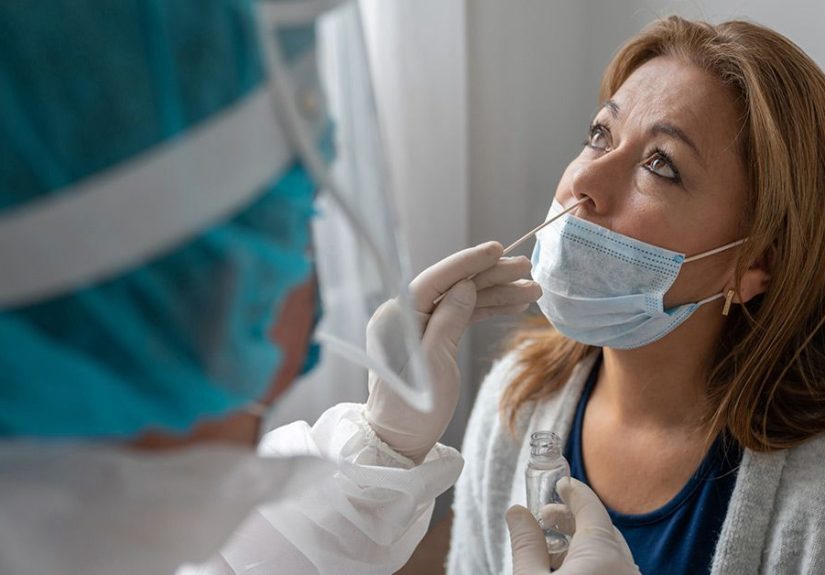
A rapid COVID test usually refers to an antigen test. Instead of looking for the virus’s genetic material, as PCR tests do, antigen tests look for specific viral proteins from SARS-CoV-2, the virus that causes COVID-19. Because antigen tests do not require a lab, they can produce results quickly at home, in clinics, pharmacies, schools, workplaces, and other settings.
The trade-off is simple: speed versus sensitivity. PCR tests are more sensitive because they amplify viral genetic material, making it easier to detect even small amounts. Rapid antigen tests do not amplify the sample. If there is not enough viral protein on the swab, the test may read negative even when the person is infected.
That is why many experts describe rapid COVID tests as a snapshot, not a full-length documentary. A test result tells you what the sample showed at that moment. It does not guarantee what your viral load was yesterday, what it will be tomorrow, or whether your nose-swabbing technique deserves an Olympic medal.
How Accurate Are Rapid COVID Tests Overall?
Accuracy depends on several factors: whether you have symptoms, when you test, how much virus is present, whether the sample was collected properly, whether the test is expired, and which result you are interpreting.
In general, rapid COVID tests have high specificity. That means they are usually good at confirming infection when the result is positive. False positives can happen, but they are uncommon when the test is used correctly. If your rapid test shows a clear positive line, especially when you feel sick or recently had an exposure, you should treat it as a real positive unless a healthcare professional tells you otherwise.
Sensitivity is the trickier part. Sensitivity means the test’s ability to detect infection when infection is truly present. Research has repeatedly shown that rapid antigen tests are less sensitive than PCR tests. In real-world studies, they miss some infections that PCR detects, especially early in illness, in people without symptoms, or when viral levels are low.
Positive Results: Usually Trustworthy
A positive rapid COVID test is usually meaningful. If the control line appears and the test line appears within the reading window, even if the test line is faint, the result generally means viral antigen was detected.
Why are positive results more reliable than negative results? Because antigen tests are designed to react to specific viral proteins. When the test identifies those proteins, the chance that the result reflects a real infection is fairly high. This is especially true when COVID is spreading in the community, when you have symptoms, or when you recently had a close exposure.
Still, context matters. If you have no symptoms, no known exposure, and COVID levels are low in your area, an unexpected positive result may be worth confirming with another test or a molecular test. False positives are rare, but they are not mythical creatures. They can occur because of test defects, contamination, improper reading, or, rarely, other biological factors.
Negative Results: Helpful, but Not a Final Verdict
A negative rapid COVID test is where many people get into trouble. A single negative result does not always rule out COVID-19. It simply means the test did not detect enough viral antigen in that sample at that time.
This is why public health agencies recommend repeat testing after a negative antigen result. If you have symptoms, repeat the rapid test after 48 hours. If you do not have symptoms but had a possible exposure, repeated testing over several days gives the test a better chance of catching infection if viral levels rise.
Think of it like checking popcorn in the microwave. Looking once after 10 seconds does not tell you whether the kernels will pop. Rapid tests are most likely to turn positive when the virus has multiplied enough in the nose to be detected. Testing too early may produce a false negative, even if infection is already beginning.
What Research Shows About Rapid Test Sensitivity
Several studies help explain why rapid COVID test accuracy varies so much. In one CDC report from a household transmission study, rapid antigen tests had about 47% sensitivity compared with RT-PCR, but about 80% sensitivity compared with viral culture. That distinction matters. PCR can detect viral genetic material even when the virus may no longer be easily grown in culture, while viral culture is often used as a rough marker of potentially infectious virus.
In plain English: rapid tests may miss some PCR-positive cases, but they are better at identifying people with higher viral levels who may be more likely to spread the virus. This makes rapid tests useful for quick decisions, such as whether to avoid visiting a high-risk relative, but weaker as a one-and-done diagnostic tool.
Another study in JAMA Internal Medicine found that home antigen test sensitivity was moderate compared with same-day PCR and higher compared with viral culture. The study also showed that sensitivity improved when a second test was taken one to two days later. This supports what many people have experienced: day one of symptoms may be negative, day three may suddenly light up like a tiny plastic billboard.
Why Timing Changes Everything
The timing of a rapid COVID test can make or break its accuracy. Testing immediately after exposure is often too early. The virus needs time to replicate. If you test the morning after sitting beside a coughing coworker, a negative result may mostly prove that you own a test kit.
For people with symptoms, testing right away is still reasonable because a positive result can help you act quickly. But if the first test is negative and symptoms continue, repeat testing is important. Many studies suggest rapid tests are more likely to detect infection a few days into symptoms, when viral load is higher.
For people without symptoms, rapid tests are less sensitive. Asymptomatic infections can involve lower or fluctuating viral levels, and the person may test negative before later becoming positive. That is why serial testingtesting more than once, spaced apartis much more reliable than a single test.
Symptomatic vs. Asymptomatic Testing
Rapid COVID tests tend to perform better in people with symptoms than in people without symptoms. Symptoms often overlap with higher viral activity, though not always. A person with fever, sore throat, cough, congestion, fatigue, or body aches may be more likely to have enough virus in the nose for an antigen test to detect.
In asymptomatic people, the test has a tougher job. If the immune system is controlling the virus, or if the infection is early, there may not be enough antigen in the sample. This does not mean asymptomatic people cannot spread COVID. It means rapid tests are less dependable when used as a single screening tool in people who feel fine.
That is why repeat testing is not just a bureaucratic suggestion invented to sell more swabs. It is a practical response to how viral load changes over time.
Rapid Tests and New COVID Variants
A common concern is whether rapid COVID tests still work as SARS-CoV-2 keeps changing. Most rapid antigen tests target parts of the virus that have remained relatively stable, especially the nucleocapsid protein. This helps them continue detecting many variants.
However, no test is immune to biology’s favorite hobby: mutation. Viral changes can potentially affect test performance, and regulators continue monitoring authorized tests. The bigger everyday issue is often not that a variant is invisible to the test, but that people test too early, collect too little sample, or rely too heavily on one negative result.
In other words, the test may still work, but your timing may not.
Rapid Test vs. PCR Test: Which One Should You Trust?
A PCR test is generally more sensitive than a rapid antigen test. If you need the most accurate diagnostic answer, especially because you are at high risk for severe illness, may need antiviral treatment, live with vulnerable people, or work in healthcare, PCR or another molecular test is often the stronger choice.
Rapid tests are best when speed matters. They can help you decide whether to stay home, mask, postpone a visit, avoid a crowded event, or contact a clinician. PCR tests are better when certainty matters more than speed.
Use a rapid test when:
- You have symptoms and need a quick answer.
- You want to check before visiting someone at higher risk.
- You recently had an exposure and plan to test repeatedly.
- You need a convenient at-home screening tool.
Consider PCR or molecular testing when:
- You have symptoms but repeated rapid tests are negative.
- You are at high risk and may benefit from early treatment.
- You need confirmation for medical, work, travel, or care decisions.
- You receive a surprising result that does not match your situation.
What Causes False Negative Rapid COVID Tests?
False negatives are the main weakness of rapid antigen testing. A false negative means the test says “negative” even though the person is infected.
The most common reasons include testing too soon after exposure, testing very early in symptoms, having a low viral load, not swabbing correctly, using an expired or poorly stored test, reading the result too early or too late, or failing to follow the manufacturer’s instructions.
Storage matters more than many people realize. Test kits should not be roasted in a hot car, frozen in a mailbox, or stored next to your collection of mystery batteries in the junk drawer. Temperature extremes can affect performance. Expiration dates matter too, although some tests have FDA-authorized extended expiration dates. Checking the current expiration status can prevent a lot of confusion.
How to Improve Rapid COVID Test Accuracy at Home
You can improve the reliability of rapid COVID testing by using a test that is authorized, unexpired, and stored properly. Read the instructions before swabbing, even if you feel like a seasoned veteran. Different brands may have different steps, timing windows, and sample requirements.
Wash your hands first. Blow your nose gently if needed. Swab exactly as directed. Do not freestyle the process. Add the correct number of drops. Set a timer. Read the result only during the approved window. A faint line that appears within the reading period usually counts as positive; a weird shadow that appears two hours later while you are eating cereal does not deserve the same trust.
Most importantly, repeat a negative test. For symptomatic people, two negative antigen tests 48 hours apart provide more confidence than one. For asymptomatic people after exposure, three tests spaced 48 hours apart can reduce the chance of missing an infection.
How to Interpret Common Rapid Test Scenarios
You have symptoms and test positive
Treat the result as COVID-19. Stay home, avoid exposing others, wear a high-quality mask if you must be around people, and contact a healthcare professional if you are at higher risk for severe illness.
You have symptoms and test negative
Do not assume you are in the clear. Repeat the test after 48 hours or consider a molecular test. Also remember that flu, RSV, and other respiratory viruses can cause similar symptoms.
You were exposed but feel fine
Testing immediately may be too early. Follow a serial testing approach. A negative result today is useful, but it is not a crystal ball.
You test positive after several negative tests
This is common. Viral levels may have risen enough for the rapid test to detect. Your earlier negative tests may have been true for that moment but not predictive of what happened later.
What Rapid Tests Are Best At
Rapid COVID tests are best at answering a practical question: “Am I likely carrying enough virus right now for this test to detect it?” They are especially useful when people test repeatedly and act responsibly on results.
They are not perfect gatekeepers. A single negative rapid test should not be used as a permission slip to visit a newborn, attend a crowded indoor party while coughing, or hug Grandma while saying, “Science says I’m fine.” Science, in fact, says please calm down and retest.
When used well, rapid tests reduce uncertainty. They help people make faster decisions. They are accessible, portable, and simple enough for home use. Their biggest flaw is not that they are useless; it is that people sometimes expect them to behave like PCR tests in tiny cardboard packaging.
Personal Experience and Practical Lessons From Using Rapid COVID Tests
Many households have developed their own rapid-test routines over the past few years. The experience usually starts with a sniffle, a group text, and someone asking, “Do we still have tests?” Then comes the scavenger hunt: bathroom cabinet, medicine drawer, suitcase pocket, pantry shelf, and finally the random box next to the thermometer that may or may not work.
One practical lesson is that timing can be frustrating. A person may wake up with a sore throat, test negative, go about the day cautiously, and then test positive two days later. This does not necessarily mean the first test “failed.” It may mean the virus was still building up. That is why repeat testing is so valuable. It turns a single snapshot into a short photo album.
Another real-world lesson is that symptoms should matter. If someone has fever, chills, cough, fatigue, and a recent exposure, a negative rapid test should not be treated like a royal pardon. Staying home, masking, and retesting are still smart. The test is one piece of evidence, not the judge, jury, and tiny plastic executioner.
Families also learn that instructions are not decorative. Some tests require a specific number of swab rotations, drops, and waiting minutes. Reading too soon can miss a developing line. Reading too late can create confusion. The most accurate test in the world cannot rescue a sample collected with the enthusiasm of someone dusting a shelf from across the room.
Rapid tests are also emotionally useful. They provide quick information during stressful moments: before a holiday dinner, after a school exposure, before visiting an older relative, or when deciding whether to call out of work. Even when imperfect, they give people a way to act sooner. That speed matters. Waiting two days for PCR results can be reasonable for diagnosis, but not always helpful for deciding whether to sit next to someone at dinner tonight.
The best experience-based approach is layered caution. If you feel sick, act sick. Test, but do not outsource all judgment to the test. If the first result is negative, repeat it. If you are high-risk or live with someone high-risk, consider molecular testing or medical advice. If the result is positive, do not debate the faintness of the line like it is modern art. A line is a line when it appears within the proper reading window.
Rapid COVID tests work best when people understand their personality: fast, convenient, helpful, occasionally stubborn, and not quite as sensitive as PCR. They are excellent tools when used with timing, repetition, and common sense. Used carelessly, they can offer false reassurance. Used wisely, they can help protect families, workplaces, schools, and communities without turning every sniffle into a logistical summit.
Conclusion: So, How Accurate Are Rapid COVID Tests?
Rapid COVID tests are accurate enough to be useful, but not accurate enough to be treated as flawless. A positive result is usually reliable. A negative result, especially early in illness or after exposure, should be repeated. Research consistently shows that rapid antigen tests are less sensitive than PCR tests, but they are valuable for quickly identifying many contagious infections, especially when viral load is high.
The smartest strategy is not “rapid test or PCR.” It is knowing when each test fits the situation. Use rapid tests for speed and convenience. Use repeat testing to reduce false negatives. Use PCR or other molecular testing when accuracy is critical. And always match the test result with symptoms, exposure history, risk level, and common sense.
Rapid tests are not magic. They are tools. And like all tools, from thermometers to smoke alarms to that one screwdriver everyone loses, they work best when used correctly.