Table of Contents >> Show >> Hide
- Why Some Mosquito Repellents Work and Others Barely Deserve the Name
- The Active Ingredients That Actually Work
- What Usually Does Not Work Well Enough on Its Own
- How to Choose the Right Mosquito Repellent for Your Situation
- How to Use Mosquito Repellent Correctly
- Clothing Protection Matters More Than People Think
- The Most Common Mosquito-Repellent Mistakes
- What Real-Life Experience Teaches About Mosquito Repellents
- Final Takeaway
Mosquitoes are tiny, rude, and weirdly confident. They arrive uninvited, ignore your personal boundaries, and somehow find the one square inch of skin you forgot to cover. That is exactly why choosing the right mosquito repellent matters. Not all products work equally well, and some that sound wonderfully “natural” perform more like scented optimism than actual protection.
If you have ever stood in a store aisle staring at a wall of sprays, wipes, lotions, bracelets, candles, and mysterious herbal potions, you are not alone. The good news is that mosquito repellents are not magic. They are easier to understand than the marketing makes them seem. Once you know which active ingredients are proven, how they work, and how to use them correctly, buying the right product gets much simpler.
This guide breaks down what actually works, what works a little, what mostly works in advertisements, and how to protect yourself without turning your summer evening into a science experiment gone sideways.
Why Some Mosquito Repellents Work and Others Barely Deserve the Name
Mosquito repellents do not usually kill mosquitoes on contact. Their main job is to make you harder for mosquitoes to find or land on. Mosquitoes locate people by sensing carbon dioxide, body heat, and compounds in sweat and skin odor. A good repellent interferes with that process. In plain English, it throws off the mosquito’s tiny flying GPS.
The biggest difference between strong repellents and weak ones comes down to the active ingredient. That is the part doing the heavy lifting. Fancy packaging, tropical scent names, and phrases like “botanical shield” do not matter much if the active ingredient is weak, too diluted, or unsupported by real testing.
In the United States, the safest shortcut is simple: look for an EPA-registered insect repellent and check the active ingredient on the label. That is where the truth lives. Everything else is decoration.
The Active Ingredients That Actually Work
DEET: The Classic for a Reason
DEET remains the old-school heavyweight of mosquito repellents. It has been around for decades because it works. When used as directed, DEET offers dependable protection against mosquitoes and other biting pests, and it is still one of the standard recommendations for people who need strong, reliable coverage.
Its main advantage is performance. DEET tends to last longer at higher concentrations, which makes it useful for evenings outdoors, camping, fishing trips, yard work, or travel to areas where mosquito-borne diseases are a concern. It is not glamorous, but neither is scratching twelve bites while pretending you are fine.
The main complaint people have about DEET is feel. Some formulas can feel greasy, smell a bit intense, or interact poorly with certain plastics, watch faces, synthetic fabrics, and finished surfaces. In other words, DEET is excellent at repelling mosquitoes and occasionally a little too friendly with your sunglasses.
Picaridin: The Polite Overachiever
Picaridin is the ingredient many people end up loving once they try it. It is highly effective, often compared favorably with DEET, and usually feels lighter on the skin. It also tends to have less odor and is less likely to damage gear or fabric finishes.
If DEET is the dependable pickup truck of mosquito repellents, picaridin is the quiet, efficient crossover with cup holders and better manners. It is a great choice for everyday outdoor use, neighborhood walks, gardening, sports, patios, and travel. Many people prefer it simply because it feels better to wear.
Like DEET, concentration matters. In general, higher concentrations last longer, so the best choice depends on whether you are stepping outside for twenty minutes or disappearing into a swampy trail for half the day.
IR3535: Effective but Less Famous
IR3535 does not always get top billing in mosquito-repellent conversations, but it deserves a seat at the table. It is another active ingredient recognized in U.S. guidance as effective for repelling mosquitoes. You may find it in sprays, lotions, or combination outdoor products, though it is sometimes less widely available than DEET or picaridin.
For consumers, the big takeaway is simple: if the product is EPA-registered and contains IR3535, it belongs in the “real repellent” category. It is not a gimmick. It is an evidence-based option.
Oil of Lemon Eucalyptus and PMD: The Natural-Leaning Option With Real Bite Protection
Oil of lemon eucalyptus, often shortened to OLE, and its active compound PMD are the best-known plant-derived options with serious mosquito-repellent credentials. This is important because many people hear “eucalyptus” and assume any essential oil with a leafy label will do the trick. Not so fast.
OLE or PMD is not the same thing as plain lemon eucalyptus essential oil. One has recognized repellent use; the other is often just fragrant ambition in a bottle. When shoppers mix these up, they may think they are getting solid protection when they are actually buying a pleasant-smelling maybe.
OLE/PMD can be a good option for adults who prefer to avoid DEET or picaridin, but it does have limits. It typically does not last as long as the strongest long-duration formulas, and it should not be used on children under age 3. For families, that child-specific restriction matters.
2-Undecanone: The Useful Underdog
2-undecanone is not the celebrity ingredient in the aisle, but it is another EPA-recognized repellent active. You may not see it as often as DEET or picaridin, yet it belongs in the category of products worth considering if the label directions and duration fit your needs.
For most shoppers, this ingredient is less about brand loyalty and more about one useful reminder: the mosquito-repellent world is larger than a DEET-versus-natural debate. There are several legitimate choices. The best product is the one with a proven active ingredient that you will actually use correctly.
What Usually Does Not Work Well Enough on Its Own
Now for the awkward part: a lot of mosquito-repellent products are sold with far more confidence than evidence. Some may offer a little help in certain settings. Some may smell nice. Some may help around a patio. But many are unreliable as your main line of defense.
Citronella Candles
Citronella is probably the best-known “natural” mosquito answer, mostly because it has excellent public relations. Candles and torches can contribute a little in still air and close range, especially as part of a bigger strategy, but they are not dependable protection for exposed skin during heavy mosquito activity. Once wind, distance, and real life enter the chat, performance drops fast.
Bracelets, Stickers, and Ultrasonic Gadgets
Mosquito-repellent bracelets, clip-ons, stickers, and high-tech gadgets may be convenient, but convenience and effectiveness are not the same thing. Protection tends to be localized, inconsistent, or underwhelming. If a mosquito can still enjoy the rest of your body buffet, a bracelet around one wrist is not exactly a strategic masterpiece.
Homemade Essential Oil Mixes
DIY sprays made with peppermint, lavender, cedar, geranium, vanilla extract, or assorted kitchen witchcraft may smell wonderful. The trouble is that many unregistered natural repellents do not have the same level of proven, consistent effectiveness as EPA-registered products. They also tend to wear off quickly, if they work much at all.
That does not mean every plant oil is useless. It means “natural” is not automatically equal to “protective.” Mosquitoes are not impressed by branding language like “clean,” “green,” or “crafted in small batches.” They want blood, not a wellness identity.
How to Choose the Right Mosquito Repellent for Your Situation
The best mosquito repellent depends on where you are going, how long you will be out, and how much mosquito pressure you expect.
For Quick Outdoor Time
If you are walking the dog, watering plants, or grilling in the backyard for a short stretch, a lighter-feeling product like picaridin can be a great fit. You want something comfortable enough that you will not avoid using it.
For Long Evenings or Heavy Mosquito Areas
If you are headed to a lake, woods, marshy park, camping trip, or a humid backyard gathering where mosquitoes seem personally offended by your existence, stronger and longer-lasting options become more important. DEET and higher-strength picaridin products are often the most practical picks.
For Families With Young Kids
Families should pay close attention to age guidance and label directions. For very young children, physical barriers such as mosquito netting over strollers and carriers are especially useful. Adults should apply repellent to children rather than letting kids do it themselves, and products with OLE or PMD should not be used on children under 3.
For Travel
If you are traveling somewhere with a higher risk of mosquito-borne illness, this is not the time for experimental herbal mist that smells like a spa lobby. Choose a proven repellent, reapply as directed, and layer in protective clothing, screens, and treated gear when appropriate.
How to Use Mosquito Repellent Correctly
A good product can still fail if you use it badly. This is common. People often apply too little, miss key body areas, forget to reapply, or spray like they are blessing the air rather than covering their skin.
Use It on Exposed Skin, Not Under Clothing
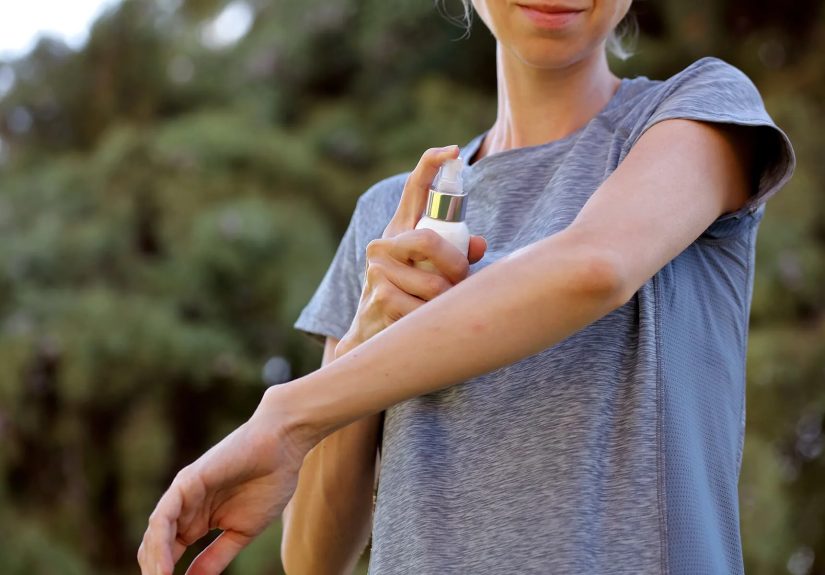
Repellent belongs on exposed skin and, depending on the label, sometimes clothing. It should not be sprayed under clothing. That does not boost performance. It just increases annoyance.
Do Not Spray Directly Into Your Face
Spray it onto your hands first, then apply it to your face, avoiding eyes and mouth. This is especially important when applying repellent to children.
Reapply According to the Label
Protection is not permanent. It fades with time, heat, sweat, swimming, and wishful thinking. The label tells you when to reapply. That guidance matters more than your personal confidence level.
Sunscreen First, Repellent Second
If you need both sunscreen and mosquito repellent, apply sunscreen first and repellent second. Do not assume a combo product is the best answer. Sunscreen and bug repellent are typically used in different amounts and reapplied on different schedules, which makes separate products the simpler, more practical choice for most people.
Wash It Off When You Come Indoors
Once you are back inside for the day, wash treated skin with soap and water. It is a basic cleanup step, not a dramatic decontamination scene from a disaster movie.
Clothing Protection Matters More Than People Think
Skin-applied repellent gets most of the attention, but clothing protection is one of the smartest upgrades you can make. Long sleeves, long pants, and socks reduce the amount of exposed skin mosquitoes can target. This matters even more during dawn and dusk, when many mosquitoes are especially active.
Then there is permethrin, which is different from skin repellents. Permethrin is used on clothing and gear, not on your skin. It can be purchased pretreated or applied to gear according to product directions. For hikers, campers, anglers, and travelers, permethrin-treated clothing can add a strong extra layer of protection.
Think of it this way: skin repellent is your bouncer, and treated clothing is the locked door. The best results often come from using both.
The Most Common Mosquito-Repellent Mistakes
- Buying based on the front label instead of the active ingredient. “Family fresh mountain breeze defense shield” tells you nothing useful.
- Assuming natural means better. Sometimes it means gentler scent and weaker performance.
- Not covering ankles, feet, and legs. Mosquitoes absolutely notice the spots you forgot.
- Skipping reapplication. Time reduces protection, even if the bottle still looks optimistic.
- Using permethrin on skin. Do not do that. It is for clothing and gear.
- Relying only on candles or bracelets. They are support players at best, not your star defender.
What Real-Life Experience Teaches About Mosquito Repellents
People usually learn about mosquito repellents the same way they learn about umbrellas: by making one bad choice and regretting it immediately. On paper, every product sounds decent. In real life, the differences become obvious fast.
Take the classic backyard cookout. One person uses a proven spray with picaridin before coming outside. Another lights two citronella candles and declares the patio “protected.” By dessert, the first person is relaxed, holding a plate and a beverage. The second person is doing interpretive dance with a paper napkin, slapping their calves, and asking if anyone else is getting attacked or if it is just them. It is not just them.
Or consider family soccer practice at dusk. Parents often discover that mosquito protection is less about buying the most dramatic-looking bottle and more about using the product well. The adults who apply it carefully to ankles, arms, and necklines do better than the adults who give one heroic spray cloud into the general atmosphere and hope science fills in the gaps. Science, to be clear, does not.
Travel adds another layer. People who usually ignore bug spray at home suddenly become very interested in active ingredients when they are headed somewhere humid, wooded, or tropical. That is when repellents stop feeling optional and start feeling like essential gear. Travelers also learn quickly that comfort matters. If a formula feels sticky, smells harsh, or ruins sunglasses, some people will use less of it. That is one reason picaridin earns loyal fans. It often feels nicer, which means people are more likely to reapply it when needed.
Campers and hikers often become believers in layering. A skin repellent alone helps, but pairing it with long sleeves, socks, and permethrin-treated clothing makes a visible difference. People who spend a lot of time outdoors notice that mosquitoes are opportunists. If your forearms are protected but your ankles are exposed, congratulations, your ankles are now the VIP entrance.
Parents also report a predictable pattern: children hate waiting still for repellent application, and mosquitoes love exactly that kind of chaos. The families who do best usually keep things simple. They pick one trusted product, apply it before heading out, use nets or physical barriers for babies, and avoid turning protection into a last-second panic routine in a parking lot.
Then there is the “natural experiment” phase many people go through. They try bracelets, essential oil rollers, vanilla sprays, clip-on gadgets, or some internet-famous miracle blend. Sometimes these seem fine during low mosquito activity, which creates false confidence. Then comes a muggy evening near standing water, and the truth arrives with wings. Real-world experience has a brutal sense of humor.
The biggest lesson people learn is not that one repellent is perfect. It is that the best mosquito repellent is the one with a proven active ingredient that fits your situation and that you will actually use correctly. That is less exciting than a miracle claim, but much more satisfying than collecting bites like raffle tickets.
Final Takeaway
If you want mosquito protection that actually works, start with the active ingredient, not the hype. DEET and picaridin are the most dependable all-around choices for many people. IR3535 and OLE/PMD are also legitimate options, with OLE/PMD offering a plant-derived route for adults who want one. 2-undecanone deserves more attention than it usually gets. Permethrin adds strong support when used on clothing and gear.
Meanwhile, candles, bracelets, and random DIY essential oil sprays may have a role in the atmosphere department, but they should not be trusted as your primary defense in serious mosquito conditions. When the bugs are out in force, evidence beats vibes.
So the next time you shop for mosquito repellent, skip the aisle confusion. Read the active ingredient, choose the protection length that matches your plans, apply it correctly, and enjoy the outdoors with fewer bites and significantly less dramatic ankle scratching.