Table of Contents >> Show >> Hide
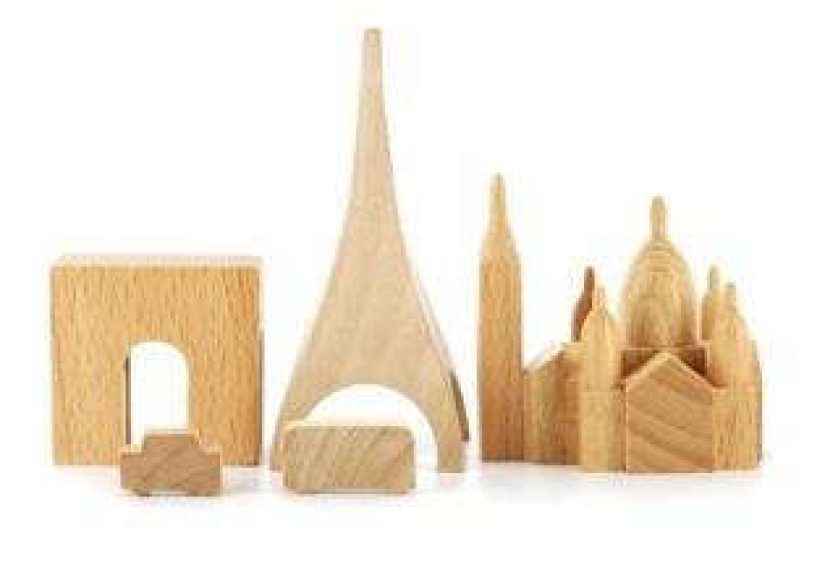
What would happen if you could pack Paris into a bag and carry it home? Not the entire city, of course. That would be terrible for traffic and absolutely devastating for croissant availability. But the feeling of Paris? The rhythm, the style, the layers of beauty, the little everyday rituals that make even a grocery run feel cinematic? That can travel.
“City in a Bag – Paris” is really about distilling the French capital into its most memorable pieces: a morning espresso at a corner café, the hush of an art museum before the crowds swell, the glow of bridges over the Seine at dusk, the rustle of shopping bags in Le Marais, the smell of butter and warm bread escaping from a boulangerie like it has a personal mission to ruin your self-control. Paris is grand, yes, but it is also surprisingly portable in spirit. It lives in details.
That is part of the magic. Paris can be overwhelming if you treat it like a city-sized scavenger hunt. But if you think of it as a beautifully curated bag of essentials, it suddenly becomes much easier to understand. You do not need to conquer every museum, every monument, every pastry counter, and every postcard-perfect street. You just need to know what gives Paris its flavor.
This guide looks at Paris not as a giant checklist, but as a collection of experiences worth carrying with you. If you are planning a trip, daydreaming about one, or simply trying to understand why this city keeps showing up in books, films, and fantasies with the confidence of a lead actor, this is your shortcut to the soul of Paris.
What “City in a Bag” Means in Paris
Paris is often described as the City of Light, the City of Love, and the sort of place where people somehow make trench coats look like a personality trait. But “City in a Bag” suggests something different. It asks a smarter travel question: What parts of Paris are so essential that they still feel like Paris even when reduced to a handful of sensations, flavors, and places?
Start with structure. Paris is divided into 20 arrondissements, each with its own feel, and the city reveals itself best when you explore it one neighborhood at a time rather than zigzagging wildly in pursuit of famous landmarks. Some areas are elegant and polished. Others feel bohemian, intellectual, village-like, or gloriously food-obsessed. The smartest Paris travel advice is often the simplest: pick an area, slow down, and let the city introduce itself. That is when Paris stops performing and starts charming.
In other words, the city in your bag should not be a random heap of attractions. It should be a thoughtful mix of art, architecture, food, walking, people-watching, and a little unplanned wonder. Paris rewards curiosity more than speed.
The Paris Essentials: What Makes the City Instantly Recognizable
1. Landmarks That Actually Earn the Hype
Yes, Paris has icons, and yes, most of them are worth your time. The Eiffel Tower still delivers that little internal gasp, even if you promised yourself you were too sophisticated to gasp. The Arc de Triomphe gives the city a dramatic center of gravity. Notre-Dame, the Louvre, and the Musée d’Orsay are not just famous because they photograph well; they anchor Paris in history, art, and public life.
But the trick is not to let these places become the whole story. Paris works best when its headline attractions are balanced by quieter pleasures. A river walk after a museum visit. A small square after a grand avenue. A tucked-away church, bookshop, or pastry stop after the big-ticket monument. Paris loves contrast, and the city becomes richer when you pair the monumental with the intimate.
2. The Seine Is More Than Scenery
If Paris had a spine, it would be the Seine. The river is not just a beautiful dividing line between Left Bank and Right Bank; it is one of the best ways to understand how the city breathes. Along its edges are bridges, embankments, booksellers, boat views, and long stretches of strolling territory that make walking feel less like transportation and more like participation.
The Seine has a way of turning ordinary moments cinematic. A picnic becomes elegant. A detour becomes romantic. A tired traveler with sore feet suddenly becomes a philosopher with opinions about light, water, and whether another pain au chocolat is truly necessary. It is. The answer is yes.
3. Cafés, Markets, and Everyday Rituals
Paris is not defined only by what tourists line up to see. It is also defined by what locals do on an ordinary morning. Street markets, neighborhood bakeries, cheese shops, cafés with woven chairs facing the street, and food halls packed with beautiful ingredients are not side notes. They are central to the Paris experience.
That matters because modern travelers increasingly want more than a monument selfie. They want texture. Paris offers plenty of it. One of the smartest ways to experience the city is to build a day around simple pleasures: breakfast from a boulangerie, produce and people-watching at a market, lunch in a bistro, an afternoon museum, and an evening walk with no real agenda beyond being outside in one of the world’s most atmospheric cities.
Neighborhoods That Belong in Your Paris Bag
Le Marais: Stylish, Historic, and Endlessly Walkable
If Paris came with a greatest-hits neighborhood, Le Marais would be near the top of the album. It blends history, shopping, café life, and an effortlessly cool energy that never feels accidental. Grand old buildings sit alongside concept stores, classic squares, small museums, and food spots that make “just one snack” a deeply unrealistic plan.
Le Marais is a strong candidate for the most portable version of Paris because it offers so much in such a compact footprint. You can shop, eat, wander, admire architecture, and feel stylish without having done anything particularly impressive beyond choosing the right street to walk down. Paris sometimes gifts you that illusion.
Saint-Germain and the Left Bank: Intellectual Paris
The Left Bank still carries the aura of writers, students, cafés, bookstores, and long conversations that begin with coffee and somehow end with dessert. Saint-Germain-des-Prés and nearby parts of the 5th and 6th arrondissements feel steeped in literary and artistic memory, yet they remain lively rather than frozen in nostalgia.
This is the Paris of old bookshops, polished tea rooms, hidden courtyards, and the kind of side streets that make you instinctively lower your voice. If your version of Paris includes a notebook, a museum ticket, and the vague ambition to become more interesting, the Left Bank belongs in your bag.
Montmartre: The Romantic Wild Card
Montmartre can be touristy, yes, but it also earns its reputation. The hilltop views, winding lanes, artists’ history, and village feel give the neighborhood a theatrical beauty that is hard to dismiss. The key is to leave the busiest corners behind and keep walking. Once you do, Montmartre becomes less souvenir shop and more storybook.
It is ideal for travelers who want Paris with a little extra drama. The good kind. The kind involving stairs, sunsets, and the sudden conviction that life should always include a better scarf.
Belleville, Batignolles, and the Outer Edge of Trendy
Contemporary Paris is not limited to postcard neighborhoods. Areas like Belleville, Batignolles, and parts of the 11th arrondissement show a city that is more local, more relaxed, and often more interesting if you care about food, coffee, wine bars, independent shops, and creative energy. These neighborhoods remind visitors that Paris is not just preserved; it is lived in.
That is a crucial part of the “City in a Bag” idea. Paris is not a museum piece wrapped in silk and protected from real life. It is a working city full of evolving tastes, new restaurants, neighborhood loyalties, and small daily rituals. Pack that version too.
What Paris Tastes Like
No article about Paris should pretend food is optional. It is not. Paris tastes like butter, bread, roast chicken, café crème, cheese, chocolate, seasonal produce, wine, and pastries so gorgeous they make you briefly forgive the person who cut in front of you in line.
But food in Paris is not only about the classics. One of the biggest shifts in the city’s culinary scene is how much range it now offers. Traditional bistros and brasseries still matter, but modern Paris dining also includes more casual restaurants, more global influences, more vegetable-forward menus, and more places where creativity does not automatically mean financial ruin.
This makes Paris even easier to “pack.” You do not need a reservation at a formal dining room every night to eat well. Some of the most memorable experiences come from a market lunch, a neighborhood wine bar, a perfect sandwich, a cheese tasting, or a warm pastry eaten while standing on a street corner pretending you are above such behavior. You are not above it. No one is.
Foods That Capture Paris Fast
- Croissants and pain au chocolat: The classic opening act.
- Baguette sandwiches: Simple, portable, and better than they have any right to be.
- Cheese and charcuterie: A snack that can quietly become dinner.
- Steak frites or roast chicken: Bistro staples that still define comfort.
- Macarons, chouquettes, and seasonal pastries: Paris in dessert form.
- Market produce and picnic spreads: Proof that Paris can be luxurious without being complicated.
How to Experience Paris Without Doing Too Much
One of the easiest mistakes in Paris is overplanning. The city can support a hyper-scheduled itinerary, but it rarely shines under one. Paris is at its best when you leave room for drift. Wander a covered passage. Sit in a park. Linger at a museum café. Browse a food market. Cross a bridge for no reason other than the light looks good. This is not laziness. This is strategy.
Think of a well-packed bag: everything in it has a purpose, but there is still room for one unexpected treasure. That is how to plan Paris. Choose a few anchors each day, then protect time for spontaneity. The moment you stop trying to beat the city, the city usually starts being generous.
It also helps to embrace a few tiny local courtesies. Greet people politely. Slow your pace in shops. Understand that meals are meant to be enjoyed, not speed-run. Paris responds well to travelers who act less like invaders and more like respectful temporary neighbors.
Why Paris Travels So Well
Some cities are unforgettable but hard to summarize. Paris is different. It leaves behind vivid, portable fragments. You remember a corner table, a museum staircase, the shine of rain on pavement, a shop window full of jam or chocolate, the sound of a métro arriving, the color of the sky over the river just before evening. Paris may be huge in reputation, but it stores itself in details.
That is why “City in a Bag – Paris” works as more than a title. It is an approach. Paris is not just a destination to visit once and file away. It is a collection of moods and moments you carry afterward. Maybe that is the real souvenir: not a miniature tower, not a tote bag, not a magnet, but a sharpened sense of how beautiful daily life can look when a city takes beauty seriously.
Experiences Related to “City in a Bag – Paris”
Imagine opening your bag in the morning and finding Paris arranged inside it like a ritual. First comes the scent: warm butter, yeasty bread, and coffee dark enough to feel like ambition. Then the sounds spill out. A scooter buzzes past. Cups clink on saucers. Someone pulls open the door of a bakery and for a split second the whole street smells like it has been professionally styled.
You start walking without quite meaning to. That is one of Paris’s oldest tricks. The city convinces you that the next block is the real destination, then the next one after that, and then suddenly you have crossed into another neighborhood, seen three beautiful doors, argued internally about buying a second pastry, and somehow developed opinions about cobblestones. In a “City in a Bag” version of Paris, that walk is essential. It represents the best part of the city: its ability to reward motion without demanding urgency.
Then there is the museum feeling, which is different from merely visiting a museum. Paris offers the sensation that culture is not tucked away for special occasions; it is part of the weather. A sculpture garden, a tiny gallery, a historic apartment, a grand institution full of masterpieces, or even a beautifully arranged bookstore can give the day a sense of elevation. You do not have to understand every painting or memorize any dates. You only have to show up and let the city remind you that beauty can be a daily habit.
Food, of course, is another entire compartment in the bag. Paris is generous with edible memories. A wedge of cheese wrapped in paper. Strawberries from a market. A still-warm baguette carried under one arm like a minor life achievement. Lunch at a bistro where the menu is short, the room is buzzing, and the fries arrive with the kind of confidence only fries in Paris seem to possess. Later, maybe a glossy tart, a few chocolates, or a glass of wine in a place so charming it feels suspicious.
The evening version of Paris deserves its own careful packing. Light settles on stone facades. Bridges begin to glow. The river reflects everything back with flattering edits. People gather outdoors not because they are following an itinerary but because Paris at dusk is reason enough to be outside. This is when the city feels most like something you could carry home: not physically, of course, but emotionally. The memory becomes compact and strong. A walk along the Seine. A late dinner. A final view of the skyline. A moment of stillness in a city that somehow feels lively and serene at the same time.
And when the trip is over, Paris remains in the bag. It shows up later in small ways: in the bread you suddenly care more about, in the flowers you place on a table because the table seemed lonely, in the way you now prefer to walk a little slower when there is something worth noticing. That is the genius of Paris. It is not just a city you visit. It is a city that quietly rearranges your standards. Afterward, ordinary life looks slightly less polished, lunch feels a bit rushed, and you find yourself wishing your neighborhood had one excellent café, two beautiful parks, and a river dramatic enough to improve your mood on command.
If that sounds like a strong effect for one city to have, that is because it is. Paris does not merely impress people. It lingers. It folds itself into memory with unusual skill. And that is exactly why the idea of a “City in a Bag” fits so well. Paris may be vast in history, style, and reputation, but what people treasure most is often wonderfully small: a taste, a view, a street, a feeling. Put those together, and somehow the whole city is there.
Conclusion
Paris cannot literally fit into a bag, but its essence can absolutely be collected. A few landmarks, a few neighborhoods, a few meals, a few hours by the river, and suddenly the city becomes understandable in the best way. “City in a Bag – Paris” is really about identifying the pieces that matter most: beauty without stiffness, history without boredom, elegance without trying too hard, and pleasure without apology.
If you approach Paris this way, you do not need to see everything to feel like you truly experienced it. You only need to gather the right details. And Paris, generously, is full of them.