Table of Contents >> Show >> Hide
- Why Missed Sunscreen Spots Matter
- How to Apply Sunscreen Before You Start the Checklist
- 7 Body Parts Commonly Missed with Sunscreen
- Bonus Sunscreen Spots Worth Remembering
- Simple Sunscreen Routine for Better Coverage
- Real-Life Experiences: What People Learn After Missing These Spots
- Conclusion: Make Sunscreen a Full-Body Habit
- SEO Tags
Sunscreen is one of those everyday habits that looks simple until the sun reveals your paperwork errors. You cover your face, arms, and shoulders, feel like a responsible adult, then return home with lobster-red ears, toasted toes, and a neck that looks like it negotiated separately from the rest of your body. The truth is, most people do not fail at sunscreen because they do not care. They fail because certain body parts are sneaky little UV magnets.
The most commonly missed sunscreen spots are not mysterious. They are the edges, curves, folds, and “I’ll get to that later” areas: ears, lips, scalp, eyelids, neck, hands, and feet. These areas receive plenty of sun exposure, yet they are often skipped during rushed morning routines, beach trips, sports days, gardening sessions, and long drives. Unfortunately, ultraviolet rays do not politely avoid the places we forgot.
This guide breaks down the seven body parts commonly missed with sunscreen, why each one matters, and how to protect them without turning your routine into a full-time job. Think of it as a friendly SPF checklist with fewer lectures and more “please do not let your ears become barbecue chips.”
Why Missed Sunscreen Spots Matter
Sun protection is not just about avoiding a painful sunburn. UV exposure can contribute to premature skin aging, dark spots, rough patches, and skin cancer risk over time. Sunscreen works best when it is applied generously to all exposed skin, not just the obvious areas that show up first in the mirror. A broad-spectrum sunscreen helps protect against both UVA and UVB rays, while SPF 30 or higher is widely recommended for everyday outdoor protection.
Reapplication is just as important as the first application. Sunscreen can wear away from sweating, swimming, towel drying, rubbing, and ordinary movement. That means a perfect morning application may not stay perfect through a long afternoon outside. For outdoor time, reapply about every two hours and sooner after swimming or heavy sweating.
Protective clothing, shade, sunglasses, and wide-brimmed hats should also be part of the plan. Sunscreen is a powerful tool, but it is not a magic force field. It performs best when it has backup, like a superhero with a very practical hat.
How to Apply Sunscreen Before You Start the Checklist
Use Enough Product
One common sunscreen mistake is using too little. For full-body coverage, many adults need about one ounce, roughly the amount that would fill a shot glass. For the face and neck, use enough to create an even layer, not a tiny decorative dab that disappears before it reaches your cheekbone.
Apply Before Going Outdoors
Apply sunscreen about 15 minutes before sun exposure when possible. This gives the product time to settle evenly on the skin. Waiting until you are already sweating on the sidewalk is better than skipping it, but not ideal.
Do Not Trust “Waterproof” Thinking
No sunscreen is truly waterproof. Water-resistant formulas can help during swimming or sweating, but they still need to be reapplied according to the label. If you towel off, assume you have removed some protection and reapply.
7 Body Parts Commonly Missed with Sunscreen
1. Ears
Ears are one of the most forgotten sunscreen spots because they sit at the edge of the face, quietly minding their business until they burn. People often apply sunscreen to their cheeks and forehead but stop before reaching the outer ear, earlobes, and the area behind the ears.
The problem is that ears are exposed during walking, driving, swimming, hiking, and even casual errands. Baseball caps may shade the top of the head, but they usually leave ears exposed. That is why wide-brimmed hats are a smarter choice for longer outdoor days.
To protect your ears, rub sunscreen over the top rim, outer curves, earlobes, and behind the ears. A sunscreen stick can make this easier because it is less messy and helps you reach small curves. If your hair is short, tied up, or tucked behind your ears, be extra careful. Your ears are not decorative handles; they need SPF too.
2. Lips
Lips are easy to forget because most people think of sunscreen as something for skin, not something for the mouth area. But lips can burn, dry out, peel, and become painfully irritated after sun exposure. Regular lip balm may moisturize, but unless it contains SPF, it does not provide meaningful sun protection.
Use a lip balm with SPF 30 or higher and reapply it often, especially after eating, drinking, swimming, or wiping your mouth. Keep one in your bag, car, beach tote, or sports backpack so you are not stuck choosing between chapped lips and regret.
Glossy lip products without SPF may even make lips feel more exposed because they can attract attention to the area without adding protection. For outdoor days, choose practical over shiny. Your lips can return to glamour later, preferably without feeling like burnt toast.
3. Scalp, Hairline, and Part Line
The scalp is a classic sunscreen blind spot. People with thinning hair, shaved styles, braids, short cuts, or visible part lines may have exposed skin on the head without realizing how much sun it receives. Even thick hair does not always protect the part line or hairline fully.
The easiest protection is a wide-brimmed hat or UPF-rated hat. For exposed scalp areas, use sunscreen along the part line, hairline, and any thinning patches. Lightweight lotions, gels, sprays applied carefully, or powder SPF products can be useful for touch-ups, but make sure the product actually reaches the skin and is rubbed or blended in as directed.
A burned scalp is especially annoying because it can itch, flake, and make brushing your hair feel like a tiny punishment. If you have ever had your part line peel after a beach day, you already know the scalp does not accept apologies easily.
4. Eyelids and the Skin Around the Eyes
The eyelids and surrounding eye area are often skipped because people worry about sunscreen stinging their eyes. That concern is real, but skipping the area entirely leaves delicate skin exposed. The skin around the eyes is thin and often receives plenty of sunlight during walking, driving, outdoor sports, and beach time.
Mineral sunscreens containing zinc oxide or titanium dioxide may be less likely to sting for some people, though everyone’s skin is different. Sunscreen sticks can also help because they offer more control and are less likely to run into the eyes compared with watery formulas. Apply gently around the orbital bone and avoid getting product directly in the eyes.
Sunglasses are also important. Choose sunglasses that block UVA and UVB rays and fit well enough to cover the eye area. For longer outdoor days, pair sunglasses with a hat. This combination does not just look vacation-ready; it also helps protect a sensitive area that many people forget until it feels tight and irritated.
5. Neck, Back of the Neck, and Upper Chest
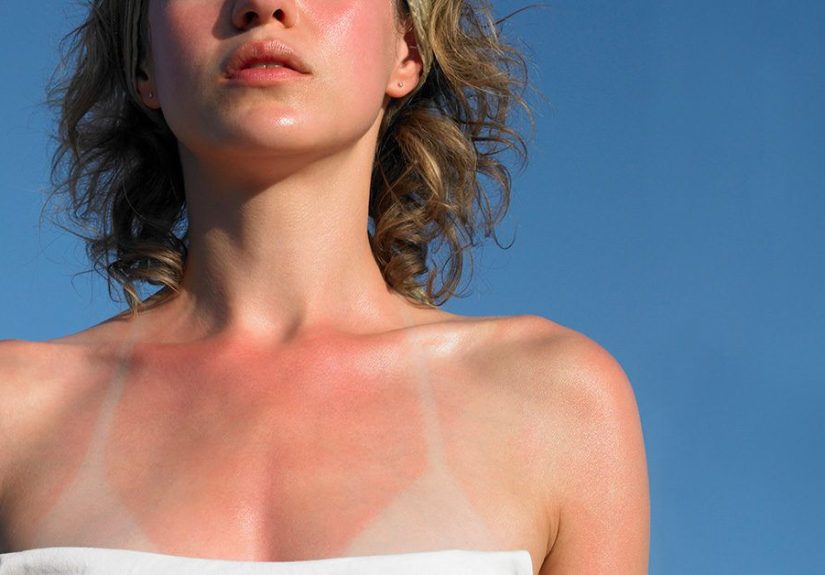
Many people apply sunscreen to the face and then stop at the jawline as if the neck signed a waiver. Unfortunately, the neck, back of the neck, and upper chest receive major sun exposure, especially with scoop-neck shirts, V-necks, tank tops, swimsuits, and open collars.
The back of the neck is especially easy to miss because you cannot see it without a mirror, and it is often exposed when hair is tied up. If you are going hiking, mowing the lawn, sitting at an outdoor event, or spending time near water, this area deserves attention.
Apply sunscreen from the jawline down to the collarbone, around the sides of the neck, and across the upper chest if exposed. For the back of the neck, use your opposite hand, a mirror, or ask someone for help. If that feels dramatic, remember that sunburned neck skin rubbing against a shirt collar is also dramatic, but less fun.
6. Tops of Hands and Fingers
Hands are constantly exposed to sunlight, yet they are often forgotten or accidentally stripped of sunscreen after washing. The tops of the hands, fingers, knuckles, and even the spaces between fingers can get a lot of UV exposure during driving, biking, gardening, sports, and daily errands.
Apply sunscreen to the backs of your hands after covering your arms. Rub it over the fingers and around rings or jewelry. If you wash your hands frequently, reapply afterward. Keep a small sunscreen tube near your hand cream or in your bag so reapplication becomes automatic.
Driving is another sneaky source of hand exposure. Your hands may sit in direct sunlight on the steering wheel, especially during long commutes or road trips. Car windows can reduce some UVB rays, but UVA rays may still contribute to skin aging and damage. Your hands do a lot for you. The least you can do is give them SPF before they start looking like they have been personally negotiating with the sun.
7. Tops of Feet, Ankles, and Toes
Feet are forgotten because they are usually covered by shoesuntil suddenly they are not. Sandals, flip-flops, pool slides, and bare feet expose the tops of the feet, ankles, and toes to direct sunlight. Many people remember sunscreen after they arrive at the beach, but by then their feet have already been auditioning for a sunburn.
Apply sunscreen before putting on sandals so you can cover the full top of the foot without awkward strap lines. Do not forget ankles, toes, and the area near toenails. Reapply after swimming, walking through sand, or towel drying.
Foot sunburn can be surprisingly miserable. Shoes rub against tender skin, sandals create new friction points, and walking becomes a dramatic performance. Protecting your feet takes less than a minute, which is much better than spending three days stepping like a cartoon burglar.
Bonus Sunscreen Spots Worth Remembering
Although this article focuses on seven commonly missed areas, a few bonus spots deserve attention: behind the knees, under swimsuit edges, the sides of the torso, shoulders near straps, and any skin exposed by cutouts or athletic gear. Sunscreen should go wherever sunlight can reach. If your clothing shifts, stretches, rides up, or has openings, apply sunscreen around those borders.
Also remember that cloudy weather is not a free pass. UV rays can still reach your skin on overcast days. Cool temperatures can also trick people into skipping sunscreen, especially during spring sports, winter hikes, or breezy beach walks. If daylight is strong enough for shadows, your skin may still need protection.
Simple Sunscreen Routine for Better Coverage
Use the “Top to Bottom” Method
Start with your face, then move to ears, neck, chest, arms, hands, legs, feet, and finally any special areas like scalp or part line. A consistent order reduces the chance that you will forget something.
Apply Before Getting Dressed for Outdoor Activities
For beach days, hikes, and sports, apply sunscreen before putting on your final outfit. This helps cover areas near straps, collars, shorts, and sandals. Once clothing is in place, it is easy to miss edges.
Keep Different Sunscreen Formats Handy
Lotion works well for large areas. Sticks are convenient for ears, around the eyes, lips, and hands. Sprays can help with hard-to-reach zones, but they need to be applied carefully and rubbed in for even coverage. Lip balm with SPF is essential for lips. Hats and sunglasses add extra insurance.
Real-Life Experiences: What People Learn After Missing These Spots
Most sunscreen lessons are learned the uncomfortable way. Someone goes to a picnic, carefully applies sunscreen to the face and arms, then spends the next morning wondering why their ears feel like they have been ironed. Another person takes a long beach walk in flip-flops and discovers that the tops of the feet are capable of turning a very committed shade of red. Sunscreen mistakes are often small in the moment but loud afterward.
A common experience is the “almost perfect” application. You do everything rightor so it seems. You choose SPF 30 or higher, apply before leaving, and even reapply after lunch. Then you notice a red strip along the hairline, a triangle on the chest where your shirt shifted, or a pale-and-red sandal pattern across your feet. These missed areas usually happen because sunscreen is applied while standing still, but real life involves movement. Hair gets tied up, sleeves slide, collars open, towels rub, and shoes come off.
Outdoor sports create another set of lessons. Runners, tennis players, golfers, swimmers, and cyclists often remember the big zones but forget the edges. The back of the neck gets hit during a long match. Hands lose protection from sweat and grip. Lips dry out in the wind. Ears stay exposed under caps. By the end of the day, the sun has drawn a map of every shortcut in the routine.
Parents also know the challenge well. Kids wiggle, complain, sprint toward the water, and somehow become slippery within seconds. The easiest missed spots on children are ears, the back of the neck, tops of feet, and areas around swimsuit straps. A practical trick is to turn application into a checklist: face, ears, neck, arms, hands, legs, feet. It may not make sunscreen time glamorous, but it makes it faster and more complete.
Travelers often learn about missed sunscreen spots during vacations. A day of sightseeing can expose hands, neck, scalp, and lips for hours. People may not feel hot because they are moving between shops, restaurants, and shaded streets, but UV exposure adds up. The sun does not care whether you are lying on a beach towel or waiting in line for tacos.
The biggest real-life takeaway is that sunscreen works best when it becomes routine rather than rescue. Do not wait until skin feels warm. Do not assume a hat protects everything. Do not trust sandals, clouds, or “just a quick walk.” Build a simple habit: apply broadly, check the forgotten seven, reapply when outdoors, and use clothing and shade when possible. Your future skin will be grateful, even if it expresses that gratitude silently.
Conclusion: Make Sunscreen a Full-Body Habit
The seven body parts commonly missed with sunscreenears, lips, scalp, eyelids, neck, hands, and feetare easy to overlook because they live at the edges of our routines. But those edges matter. Sun damage does not only happen on the cheeks, shoulders, and arms. It can happen anywhere UV rays reach.
Better sunscreen coverage does not require perfection. It requires a repeatable system. Choose a broad-spectrum SPF 30 or higher, apply enough, cover all exposed skin, reapply during outdoor time, and use hats, sunglasses, shade, and protective clothing as backup. The goal is not to fear the sun. The goal is to enjoy outdoor life without letting your ears, lips, scalp, neck, hands, or feet pay the bill.
Note: This article is for general educational purposes and should not replace medical advice. If you notice a new, changing, bleeding, painful, or non-healing spot on your skin, consult a qualified healthcare professional or dermatologist.