Table of Contents >> Show >> Hide
- 1. Show Up Prepared, Researched, and Ready to Make Their Job Easy
- 2. Present Yourself Professionally Without Trying Too Hard
- 3. Be Memorable for the Right Reasons: Attitude, Safety, and Follow-Through
- Common Mistakes to Avoid
- What a Strong First Impression Really Looks Like
- Experience and Lessons From Real-World Modeling Interviews
- Conclusion
Walking into a modeling agency interview can feel a little like showing up for a first date, a job interview, and a school presentation all at once. You want to look sharp, sound confident, and avoid saying anything weird about your middle school talent show. The good news is that doing well in an interview with a modeling agency is usually less about being flashy and more about being prepared, professional, and easy to work with.
That surprises a lot of beginners. Many aspiring models assume they need a dramatic outfit, a full glam squad, and the energy of a runway finale. In reality, agencies often want the opposite. They want to see you: how you carry yourself, how you respond to direction, whether you understand the business, and whether you seem like someone clients would trust on a long workday.
If you are meeting an agency for an open call, an in-person interview, or a digital casting conversation, the same principle applies: make it easy for them to imagine working with you. Here are three smart ways to do exactly that.
1. Show Up Prepared, Researched, and Ready to Make Their Job Easy
The first way to do well in an interview with a modeling agency is to arrive like someone who understands that modeling is a business, not a magic trick. Yes, a great face and strong presence matter. But agencies also notice preparation right away. In fact, being organized can make you stand out faster than a dramatic entrance and ten times faster than a speech about how your friends say you “totally have model vibes.”
Research the Agency Before You Walk In
Before your interview, spend time learning what kind of agency you are meeting. Do they focus on fashion, commercial, fitness, lifestyle, beauty, or influencer talent? Do they represent beginners, experienced talent, or both? What does their roster look like? Are their models working in e-commerce, editorials, catalogs, campaigns, or runway?
This matters because agencies do not all look for the same thing. A commercial agency may care more about warmth, relatability, and camera personality. A fashion-focused agency may pay closer attention to editorial potential, movement, and how you photograph in simple digitals. If you understand the lane the agency works in, your answers will sound smarter and more grounded.
You do not need to recite their entire client history like a nervous fan at a meet-and-greet. You just need enough knowledge to show that you respect their time. Saying, “I noticed your agency represents both commercial and development talent, and I think I may fit best in commercial to start,” sounds thoughtful. Saying, “I don’t know, my cousin sent me here,” sounds less strategic.
Bring the Right Basics
A modeling agency interview is often quick. That means you should bring the essentials in a neat, simple way. If you already have a portfolio or comp card, bring it. If you do not, that is not always a dealbreaker, especially for beginners, but you should still have a few clean, recent snapshots ready on your phone or printed out if requested.
Good beginner materials usually include a simple close-up, a full-length shot, and clear natural photos that actually look like you on a normal Tuesday. Not “you after fourteen filters, mysterious lighting, and a playlist that made you feel cinematic.” Just you, clearly presented.
Also bring a valid photo ID if the agency requests one, know your availability, and be ready to share basic information such as your city, age, measurements if asked, and whether you can travel. If you are under 18, bring a parent or guardian when appropriate, or make sure they are fully aware of the meeting. That is not overprotective. That is smart.
Prepare Answers to Common Questions
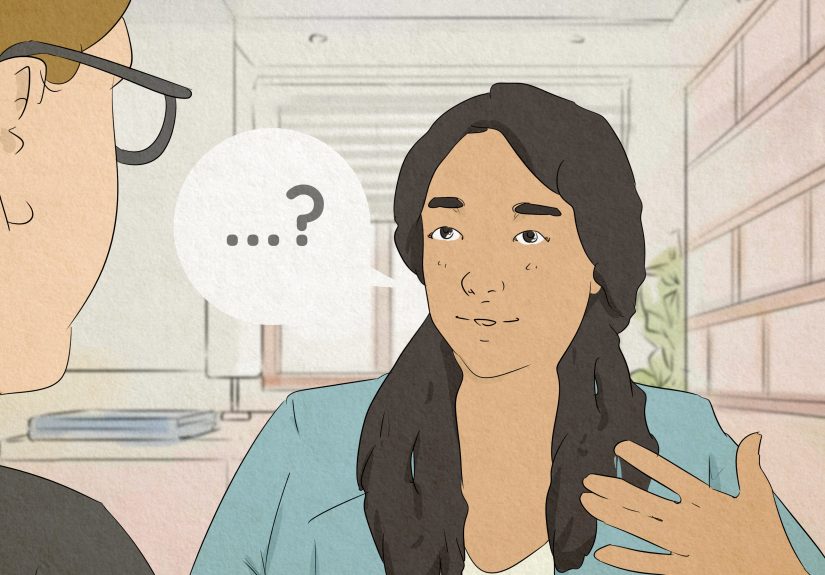
Agencies may ask simple but revealing questions: Why do you want to model? What type of modeling interests you? Have you worked with photographers before? Are you comfortable taking direction? Are you available for weekday castings? How do you handle feedback?
None of these questions require a movie speech. In fact, the best answers are usually direct and honest. For example:
Weak answer: “I was born for this. Everyone tells me I should be famous.”
Better answer: “I’m interested in modeling because I enjoy working creatively, I’m comfortable learning on camera, and I’d like to build experience in commercial and lifestyle work first.”
The better answer sounds professional, realistic, and coachable. Agencies are not just looking for ambition. They are looking for people who can grow.
Arrive Early, Not Chaotic
There is a big difference between memorable and memorable for the wrong reason. If you arrive late, flustered, chewing gum like it insulted your family, or apologizing that your ride got lost three states ago, you are starting from behind.
Plan to arrive 10 to 15 minutes early. Bring water. Bring a calm attitude. Assume there may be waiting time. A modeling interview is often short, but the impression you leave can be surprisingly long.
2. Present Yourself Professionally Without Trying Too Hard
The second way to do well in an interview with a modeling agency is to present yourself clearly, professionally, and naturally. This is where beginners often get tricked by social media. Online, bigger can look better. In an agency interview, cleaner is often stronger.
Choose a Simple Outfit
For most agency meetings, simple wins. Think neat, solid colors, clean shoes, and clothes that fit well without looking costume-like. The goal is not to dress like you are already starring in a fragrance ad on a rooftop in Paris. The goal is to let the agency see your proportions, movement, and overall presence without visual distractions.
A plain top, dark jeans or simple pants, and polished shoes usually work well. Keep accessories minimal. Avoid giant logos, loud prints, or anything so trendy that the outfit walks into the room before you do. If you wear makeup, keep it light and natural. If the agency asks for a clean face or natural look, follow that exactly.
Why so simple? Because agencies are evaluating you, not your ability to cosplay as a fashion week afterparty. They want to imagine how you could fit different jobs, brands, and clients. A clear, understated presentation helps them do that.
Practice Your Walk, Posture, and Introductions
You do not need to perform like a veteran runway star during a first interview, but you should absolutely practice the basics. Some agencies may ask you to walk, pose briefly, turn for digitals, or introduce yourself on video. That can feel awkward if you have never done it before, which is exactly why practice helps.
Work on standing tall, keeping your posture relaxed, and making smooth, simple turns. Practice saying your name, age if relevant, city, and a short sentence about yourself without sounding like a robot who swallowed a confidence quote. You want to come across as calm and comfortable, not overly rehearsed.
One underrated skill is listening fast. If someone says, “Pull your hair back,” “Take one step forward,” or “Give me a profile and then face front,” follow the direction clearly and quickly. Agencies notice that. Modeling is collaborative work. Being easy to direct is a huge advantage.
Let Your Personality Do Some Work
Many beginners think a modeling interview is about looking serious and mysterious. That can backfire. Agencies and casting professionals often want to see personality, not a human statue with excellent cheekbones.
Be polite, warm, and engaged. Make eye contact. Answer questions fully without turning every response into a TED Talk. Smile when it feels natural. Show that you can communicate. A client may eventually spend an entire day on set with you. Agencies are thinking about that.
This does not mean you need to become a stand-up comedian. It just means being present, responsive, and real. Confidence is not about acting superior. It is about acting comfortable enough to be yourself.
Do Not Oversell or Overexplain
There is a common beginner mistake that deserves its own tiny alarm bell: overselling. Some people go into agency interviews trying so hard to impress that they talk nonstop, exaggerate their experience, or make bold claims they cannot support. That usually lands with the elegance of a high heel on a sidewalk grate.
If you are new, it is perfectly fine to say you are new. In fact, honesty is better than pretending you have “extensive editorial experience” when your actual experience is one friend taking photos near a brick wall behind a coffee shop.
Try this instead: “I’m still building experience, but I’ve been practicing posing, learning about the industry, and I’m excited to improve.” That sounds mature, coachable, and credible.
3. Be Memorable for the Right Reasons: Attitude, Safety, and Follow-Through
The third way to do well in an interview with a modeling agency is to show that you understand both the professional side and the safety side of the industry. Agencies want talent, yes. They also want good judgment.
Act Like Someone Clients Would Rebook
Think beyond the interview. Agencies are asking themselves whether you seem reliable, adaptable, and pleasant to work with. Can you follow direction? Can you stay composed if a casting is delayed? Can you take feedback without melting into a dramatic monologue about misunderstood artistry?
Being rebookable matters. The best long-term impression is not “Wow, this person is intense.” It is “This person is professional, prepared, and easy to imagine on a real job.”
That means being respectful to everyone in the room, including assistants and reception staff. It means keeping your phone use under control. It means not complaining, interrupting, or acting like the room owes you instant fame because your TikTok got a nice amount of likes last weekend.
Know the Red Flags
This part is crucial. A real agency interview should feel professional, clear, and respectful. If something feels off, pay attention. Red flags include pressure to pay upfront fees, guarantees that you will definitely get work, demands that you use a specific photographer as a condition of representation, rushed contracts, sketchy messages from social media accounts, or requests for inappropriate photos.
A reputable agency is usually paid when you get paid. It should be able to explain its commission, process, and expectations in writing. It should not try to bulldoze you into a decision on the spot. It should not ask for money in weird forms like gift cards, wire transfers, or cryptocurrency. And it definitely should not ask for nude content or suggest that professionalism means ignoring your boundaries. That is not professionalism. That is a red flag wearing sunglasses.
If you are a minor, involve a parent or guardian. If someone contacts you claiming to be a scout or agent, verify through the agency’s official website or office number before engaging. A real opportunity can survive basic verification. A scam usually gets very impatient when you ask normal questions.
Ask Smart Questions
At the end of the interview, asking a few smart questions can make you look serious and informed. You might ask:
What types of clients do your newer models usually start with?
What should I improve if I want to be more marketable for your agency?
What does your submission or callback process look like?
If signed, how do you handle castings, bookings, and commissions?
These questions show that you are thinking practically. They also help you evaluate whether the agency communicates well. Remember, you are not just trying to impress them. You are also figuring out whether they are the right fit for you.
Follow Up Like a Professional
If the meeting goes well, send a short thank-you email if appropriate. Keep it simple. Thank them for their time, mention that you appreciated meeting them, and say you would be glad to provide any additional materials. No giant essay. No twelve follow-up messages in one afternoon. No “just circling back :)” every six hours.
Professional follow-up shows maturity. Desperate follow-up shows panic. Learn the difference and your inbox will thank you.
Common Mistakes to Avoid
Even strong candidates can hurt their chances with a few avoidable mistakes. Here are some of the biggest ones:
Showing up underprepared.
Dressing in a way that distracts from you.
Using heavily edited photos that do not match your real appearance.
Talking more than you listen.
Pretending to have experience you do not have.
Acting rude to staff.
Ignoring scam warning signs.
Forgetting that modeling is a business relationship, not a fantasy draft for instant celebrity.
Avoid those mistakes and you are already ahead of plenty of people.
What a Strong First Impression Really Looks Like
So what does success in a modeling agency interview actually look like? Usually, it looks pretty simple. You arrive on time. You are neat, calm, and prepared. Your photos are current. Your answers are honest. You take direction well. You show some personality. You ask a couple of smart questions. You leave without chaos, confusion, or an agreement to pay someone $900 for “mandatory sparkle headshots.”
That is a win.
Maybe you get signed quickly. Maybe you get a callback later. Maybe the agency says no, but gives useful feedback. All of that can still be valuable. The point is not to force one meeting to define your future. The point is to handle the opportunity well enough that you keep building momentum.
Experience and Lessons From Real-World Modeling Interviews
One reason this topic matters so much is that many first interviews with modeling agencies are not dramatic at all. They are quick, practical, and a little awkward in a very normal human way. Someone walks in expecting a scene from a fashion movie, and instead the agency says, “Hi, stand here, turn to the side, walk to the wall, and tell us a bit about yourself.” That simple format catches beginners off guard, but it also teaches one of the most important lessons in modeling: the industry usually rewards consistency more than theatrics.
A common experience for new talent is realizing that confidence feels different in the room than it does in your bedroom mirror. At home, everyone has an Oscar-worthy walk. In the actual interview, the floor is unfamiliar, your hands suddenly seem to have no idea where to live, and the receptionist somehow becomes the most intimidating person you have ever seen. That is normal. The candidates who do well are not always the ones who never feel nervous. They are the ones who stay functional while nervous. They breathe, listen, reset, and keep going.
Another real lesson is that agencies notice attitude faster than beginners expect. Two people can have similar potential, but the one who listens well, answers clearly, and stays respectful will usually leave a stronger impression. People in this industry remember who made the process easier. They also remember who turned a five-minute interview into a forty-minute weather system of excuses, ego, and confusion.
There is also a big lesson in learning that “natural” does not mean careless. Many aspiring models hear that agencies want a natural look and misinterpret that as “show up looking like you were launched from a laundry basket.” Not quite. Natural means polished but simple. Clean hair, neat clothes, fresh presentation, and photos that actually represent your current appearance. You still want to look like you took the meeting seriously.
For younger models and first-timers, one of the most valuable experiences is learning to trust process over flattery. Scammers often sound exciting very early. Legitimate agencies often sound much more professional and calm. A real agent may ask practical questions, explain next steps, and avoid making huge promises. A scammer may act as if fame is one payment away. The more interviews you experience, the easier it becomes to tell the difference between professional interest and manipulative hype.
Many successful models also talk about how helpful it was to treat each interview as practice, not a final exam. That mindset lowers pressure and improves performance. Instead of thinking, “This meeting determines my whole future,” think, “This is one chance to learn how agencies respond to me, how I handle direction, and where I can improve.” That approach keeps you grounded and gives you room to grow.
In the end, the best experience you can build from a modeling agency interview is not just getting a yes. It is becoming the kind of person who can handle the meeting professionally, safely, and confidently every time. That skill lasts much longer than one callback.
Conclusion
If you want to do well in an interview with a modeling agency, focus on three things: prepare well, present yourself simply and professionally, and protect yourself by using good judgment. Those three habits make you easier to evaluate, easier to direct, and easier to trust. And in a business built on fast impressions and long workdays, that combination matters a lot.
You do not need to be perfect. You do not need a celebrity intro. You do not need to act like you were born on a runway under studio lights. You just need to show up as someone with potential, professionalism, and common sense. That is already a strong start.