Table of Contents >> Show >> Hide
- Why LunchBots Became a Favorite in the Kids’ Lunchbox World
- Material Matters: Stainless Steel for the Win
- The LunchBots Large Trio: A Practical Children’s Lunchbox Option
- Other LunchBots Sizes: Small, Medium, and Big-Appetite Bentos
- What LunchBots Does Best
- The Honest Caveat: Not Every LunchBots Box Is Leakproof
- How to Pack a Balanced Lunch in a LunchBots Bento
- Food Safety: What Parents Should Remember
- Is LunchBots Good for Younger Children?
- Design Appeal: Simple, Clean, and Not Too Babyish
- LunchBots Accessories Worth Considering
- Specific Lunch Ideas for a LunchBots Children’s Lunchbox
- Who Should Buy a LunchBots Lunchbox?
- Final Verdict: A Smart, Stylish Lunch Accessory for Real Life
- Experience Notes: Living With a LunchBots-Style Lunch Routine
- SEO Tags
A children’s lunchbox has one job, technically: carry food from kitchen counter to cafeteria table without causing emotional damage to the sandwich. But any parent who has opened a backpack at 4 p.m. knows the truth. A lunchbox is not just a container. It is a small daily survival system. It must be tough, easy to clean, simple enough for small hands, roomy enough for an actual meal, and attractive enough that a child will not reject it on sight because it has “weird vibes.” Enter LunchBots, the stainless steel lunchbox brand that has built a reputation around durable, reusable, compartment-style containers for school lunches, snacks, picnics, and those mysterious car crackers that appear between seat cushions like archaeology.
The idea behind LunchBots is refreshingly straightforward: make lunch packing simpler with long-lasting stainless steel containers that help organize real food. The brand’s current lineup includes large, medium, and small stainless steel bentos, dip containers, thermoses, silicone build-a-bento options, bowls, and accessories. Its classic stainless bentos are especially relevant for children because they use fixed compartments to separate sandwiches, fruits, vegetables, crackers, cheese, and other dry foods without requiring a tower of tiny containers. For families trying to reduce disposable plastic bags, keep lunch visually organized, and survive the morning rush with dignity intact, LunchBots is worth a close look.
Why LunchBots Became a Favorite in the Kids’ Lunchbox World
LunchBots has been designing school lunch containers since 2008, and the brand’s core promise is simple: help parents pack a variety of healthy foods in a container that can handle everyday life. That matters because children’s lunches are not packed in peaceful magazine kitchens. They are packed while someone is missing a shoe, the dog is eating a napkin, and a child suddenly announces that yesterday’s favorite food is now “too squishy.”
The most recognizable LunchBots design is the stainless steel bento box. Instead of one large empty box, many models divide the interior into two, three, four, or five sections. This makes the lunchbox feel less like a storage container and more like a tiny buffet. A sandwich can sit in one section, berries in another, cucumber coins in another, and crackers in a final compartment, safely away from the damp fruit zone. This is not merely cute; it is practical. Children often eat better when food is easy to see, easy to grab, and not touching in ways that violate deeply held cafeteria principles.
Material Matters: Stainless Steel for the Win
One of the main reasons parents choose LunchBots is the material. The stainless bento models are made with 18/8 food-grade stainless steel, a durable material commonly used for food-contact products. The large stainless models also feature a 100 percent stainless steel interior, including the lid, so no plastic touches the food inside the container. That detail is important for families who prefer to limit plastic in daily food storage, especially when packing lunches several times a week.
Stainless steel also has the advantage of not holding on to smells the way some plastic containers can. A plastic box that once carried tuna salad may remember that tuna salad for the rest of its natural life. Stainless steel is less dramatic. Wash it, dry it, move on. It is also strong enough for the daily backpack rodeo, where lunchboxes are dropped, shoved, tilted, and occasionally used as structural support for a pile of library books.
The LunchBots Large Trio: A Practical Children’s Lunchbox Option
If you are choosing a LunchBots lunchbox for a school-age child, the Large Trio is one of the most practical models to understand. It is a three-compartment stainless steel bento designed to hold a full sandwich and two sides. The dimensions are approximately 8 inches by 6 inches by 1.75 inches, with a 32-ounce capacity. In plain English, that means it has enough room for a classic school lunch without forcing parents to fold a sandwich into origami.
The Large Trio layout is especially friendly for children who like familiar foods. The biggest compartment can hold a sandwich, wrap, quesadilla wedges, leftover chicken strips, pasta salad, or a bagel half. The two smaller square sections can hold apple slices, grapes, carrots, cheese cubes, snap peas, pretzels, cookies, or a small muffin. It is a simple structure, but that simplicity is the point. Parents do not need to solve a puzzle every morning. Kids can open the lid and immediately understand what is available.
Other LunchBots Sizes: Small, Medium, and Big-Appetite Bentos
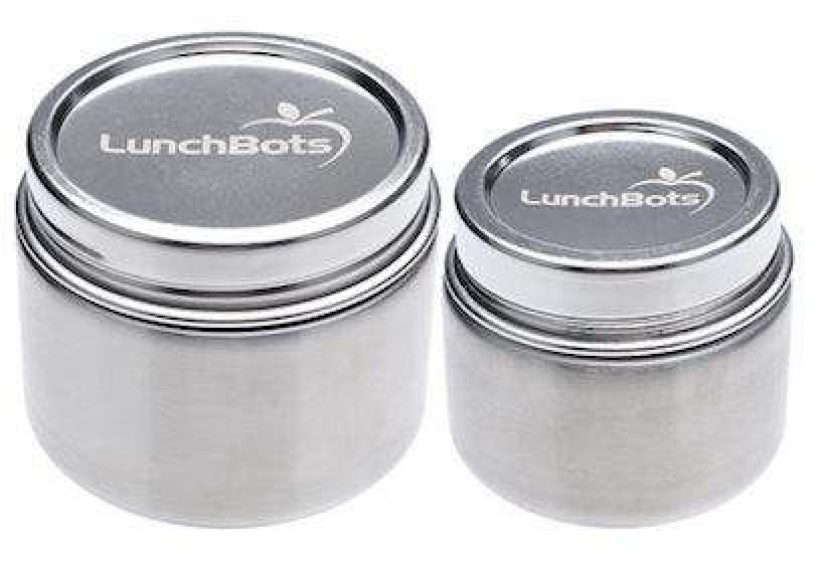
LunchBots organizes its stainless bento boxes into small, medium, and large sizes. The small containers are best for mini snacks, toddlers’ portions, or side items. The medium containers work well for substantial snacks or lighter lunches, and families can combine two medium containers when a child needs more variety. The large containers are intended for full meals and bigger appetites.
This range is useful because children do not all eat the same way. A preschooler may graze through small portions of fruit, crackers, and cheese. A third grader may want half a sandwich plus sides. A middle schooler may require a large bento, a thermos, a snack container, and possibly a small tribute to the refrigerator gods. LunchBots makes it possible to scale up without changing the whole packing system.
What LunchBots Does Best
1. Durability
The stainless steel construction is the headline feature. Third-party reviews often praise LunchBots containers for lasting years, resisting daily wear, and being easy to clean. That makes the upfront cost easier to justify. A cheaper container that cracks, stains, loses a hinge, or begins smelling like old ranch dressing after one semester is not a bargain; it is a future landfill resident with a lid.
2. Easy Cleaning
LunchBots states that its products are dishwasher safe, which is the kind of sentence tired parents deserve to hear. No one wants to hand-wash a five-compartment lunchbox at 9:30 p.m. while negotiating with a child about tomorrow’s socks. The smooth stainless interior also makes crumbs, cheese residue, and sticky fruit bits easier to remove.
3. Food Separation
Divided compartments help keep foods neat. This matters for texture-sensitive kids and for lunches built around variety. A bento layout encourages parents to pack a balanced mix: a main item, fruit, vegetables, protein, and a crunchy extra. It also makes lunch visually inviting, which is a quiet but powerful advantage. A child may ignore a bag of carrot sticks, but carrot sticks beside hummus, berries, crackers, and a tiny cookie suddenly look like a snack board. Children are basically tiny food critics with lunch periods.
4. Eco-Friendly Reuse
Reusable stainless containers can reduce reliance on single-use plastic bags, foil, and disposable snack packaging. For families packing school lunches five days a week, that adds up quickly. A LunchBots container can become part of a low-waste lunch routine: bento box for the meal, small dip container for sauce, cloth napkin, reusable water bottle, done.
The Honest Caveat: Not Every LunchBots Box Is Leakproof
Here is the detail every parent should know before buying: the classic divided stainless steel LunchBots bentos are not leakproof. LunchBots itself recommends packing dry foods only in these containers. That means sandwiches, fruit that is not dripping, vegetables, crackers, cheese, muffins, dry pasta salad, quesadilla wedges, and similar foods are fair game. Soup, yogurt, saucy noodles, juicy watermelon, marinara, applesauce, and thin dressing should go in a sealed dip container, round container, or insulated thermos instead.
This is not a flaw if you use the product correctly. It is simply a design tradeoff. The stainless bento is easy to open, easy to clean, and sturdy, but it does not have silicone seals around every internal compartment. If your child’s lunch often includes yogurt, salsa, soup, or saucy leftovers, pair the bento with LunchBots dip containers or a thermos. Consider it the lunchbox equivalent of wearing rain boots when it rains. The sandwich box is not the place for soup, and soup knows it.
How to Pack a Balanced Lunch in a LunchBots Bento
A practical children’s lunchbox should make healthy packing easier, not turn breakfast time into a nutrition thesis defense. The best strategy is to think in categories rather than recipes. Start with a main item, add a protein or healthy fat, include fruit, include vegetables, and tuck in something fun. The compartments do the organizing for you.
For example, a Large Trio could hold a turkey and cheese sandwich in the main section, strawberries in one side section, and cucumber slices with pretzels in the other. Another version could include chicken quesadilla triangles, orange wedges, and snap peas. For a vegetarian lunch, pack hummus pinwheels, grapes, carrots, and cheese cubes or roasted chickpeas. For a breakfast-for-lunch day, try mini waffles, hard-boiled egg slices, berries, and yogurt in a separate sealed container.
The goal is not perfection. The goal is a lunch your child will actually eat. A beautiful lunch that returns home untouched is just a still life with emotional consequences. LunchBots helps because the compartments keep foods visible and approachable. Kids can choose what to eat first, and parents can see at a glance what came home. If the carrots return three days in a row looking personally offended, switch to bell peppers or sugar snap peas.
Food Safety: What Parents Should Remember
Because stainless steel bentos are not insulated by themselves, they should be packed inside an insulated lunch bag when carrying perishable foods. USDA lunch safety guidance recommends insulated soft-sided lunch bags and cold sources, such as ice packs or frozen drinks, to help keep perishable foods cold until lunchtime. This is especially important for foods like meat, poultry, eggs, dairy, cut fruit, and cooked leftovers.
For hot foods, use an insulated thermos rather than a stainless bento. LunchBots also sells thermoses in different sizes, which can be useful for soups, warm oatmeal, pasta, rice bowls, or leftovers. The stainless bento and the thermos solve different problems: one organizes dry foods, the other manages temperature. Using the right tool keeps lunch safer and less messy.
Is LunchBots Good for Younger Children?
LunchBots can work well for younger children, but size and weight matter. Stainless steel is durable, but it may be heavier than lightweight plastic alternatives. For toddlers and preschoolers, a small or medium LunchBots container may be more manageable than a large full-meal bento. Parents should also check whether the child can open and close the lid independently before sending it to school. A lunchbox that requires adult-level grip strength is not a lunchbox; it is a cafeteria escape room.
For younger eaters, small portions are often best. Think cheese cubes, berries, mini sandwiches, crackers, soft vegetables, pasta spirals, and small muffins. Finger foods are helpful because they reduce the need for utensils and make lunch easier during short school meal periods. A small LunchBots bento can also double as a snack box for daycare, preschool, road trips, playground outings, and after-school activities.
Design Appeal: Simple, Clean, and Not Too Babyish
One underrated strength of LunchBots is that the design grows with the child. Many kids’ lunchboxes are covered in characters, glitter, or designs that become “for babies” approximately three weeks after purchase. LunchBots keeps things simple: stainless steel, clean lines, and optional colored lids or snap-on covers on some models. That makes the lunchbox suitable for preschoolers, elementary students, teens, and even adults who want a tidy snack container.
The minimalist look also appeals to design-minded families. The original Remodelista feature highlighted LunchBots as an eco-friendly and attractive option for children’s lunch storage. Years later, the basic idea still holds up. A stainless steel container is practical, good-looking, and refreshingly free of cartoon drama. It will not sing, flash, or demand batteries. Bless it.
LunchBots Accessories Worth Considering
A LunchBots bento is more useful when paired with the right accessories. Dip containers are excellent for hummus, ranch, nut-free spreads, salsa, dressing, or a few chocolate chips for morale. Rounds or sealed containers are better for wetter foods. A thermos handles hot lunches. An insulated lunch bag keeps the whole system at a safer temperature. Replacement lids may also extend the life of the container if a lid disappears into the strange parallel universe where all school supplies eventually go.
These accessories help families customize lunch without buying a completely new box. A child who likes dry snack-board lunches may need only the bento. A child who loves dips needs a small sealed cup. A child who wants warm pasta needs a thermos. A child who wants everything separated, labeled, and emotionally validated may need patience, but LunchBots can still help.
Specific Lunch Ideas for a LunchBots Children’s Lunchbox
Classic Sandwich Day
Pack a turkey, ham, sunflower-butter, or cheese sandwich in the large section. Add apple slices in one side compartment and baby carrots or pretzels in the other. Include a sealed dip cup if your child likes ranch, hummus, or sunflower seed butter.
Snack Board Lunch
Use the compartments for cheese cubes, whole-grain crackers, grapes, cucumber slices, turkey roll-ups, and a small treat. This style works well for children who prefer grazing to eating one large main dish.
Leftover Remix
Pack dry leftovers such as quesadilla wedges, grilled chicken strips, roasted sweet potato cubes, or plain pasta. Keep sauces separate. A little container of marinara or yogurt-based dip can make leftovers feel less like yesterday’s news.
Breakfast for Lunch
Try mini pancakes or waffle strips, berries, scrambled egg bites, and a small sealed cup of yogurt or syrup. Children love breakfast for lunch because it feels like breaking a rule, and parents love it because it uses food already in the kitchen.
Who Should Buy a LunchBots Lunchbox?
LunchBots is a strong choice for families who want a durable, reusable, easy-to-clean children’s lunchbox for mostly dry foods. It is especially good for sandwich-and-sides lunches, snack-board lunches, and children who like compartments. It also works well for parents who prefer stainless steel over plastic and want a container that can last beyond one school year.
It may not be the best standalone choice for families who pack lots of saucy, wet, or liquid foods unless they are willing to use separate sealed containers. It may also be too heavy for some toddlers when fully packed with an ice pack and drink. In those cases, a smaller LunchBots model or a lighter lunch system may be more practical.
Final Verdict: A Smart, Stylish Lunch Accessory for Real Life
The LunchBots children’s lunchbox succeeds because it does not try too hard. It is not a gadget. It is not a novelty. It is a sturdy stainless steel container with smart compartments, easy cleaning, and enough flexibility to support many school lunch routines. The design encourages variety without making parents feel like they need tweezers and a food styling assistant. It also looks good, lasts well, and helps reduce disposable lunch packaging.
The main rule is simple: pack dry foods in the stainless bento, pack wet foods in sealed cups, and use an insulated bag with cold sources for perishables. Once that rhythm is in place, LunchBots becomes one of those quiet household tools that makes daily life smoother. It will not make your child eat broccoli. No lunchbox has that kind of power. But it can make broccoli look organized beside crackers, cheese, and berries, which is at least a diplomatic opening.
Experience Notes: Living With a LunchBots-Style Lunch Routine
The real test of a children’s lunchbox is not how it looks on a product page. It is how it behaves on a Tuesday morning when the bus is eight minutes away and someone has decided socks feel “too pointy.” A LunchBots-style stainless bento earns its keep in those moments because the compartments act like a checklist. Main food? Big section. Fruit? Side section. Crunchy thing? Other side section. Dip? Separate cup. Done. It reduces decision fatigue, which may be the most underrated feature in any parenting product.
One helpful routine is to prep lunch components in the evening. Wash grapes, slice cucumbers, cube cheese, portion crackers, and keep a few mains ready: sandwich fillings, cooked chicken, mini muffins, quesadilla triangles, pasta, or boiled eggs. In the morning, the LunchBots container becomes a fill-in-the-blanks worksheet. This is much easier than staring into the refrigerator at 7:12 a.m. hoping inspiration appears between the ketchup and the half lemon.
Children can also participate. Give them two acceptable choices from each category: apple or grapes, carrots or cucumbers, crackers or pretzels, sandwich or roll-ups. This gives them ownership without turning lunch packing into a full democratic election. When kids help choose what goes into the compartments, they are often more likely to eat it. The bento layout makes the choices visible, and children enjoy seeing their selections arranged neatly. It feels personal, almost like a tiny edible treasure box.
Another experience-based tip is to learn your child’s “return pattern.” If sliced apples keep coming home brown, try grapes or mandarin oranges. If carrots return untouched, add hummus in a dip cup or switch to bell peppers. If sandwiches are abandoned, cut them into smaller squares, roll them into pinwheels, or swap bread for crackers and cheese. LunchBots makes these experiments easy because each compartment can change independently. You do not have to reinvent lunch; you can adjust one section at a time.
Cleaning is also part of the experience. Stainless steel is forgiving, but it still appreciates basic manners. Empty crumbs after school, rinse sticky spots, and run the container through the dishwasher if the product instructions allow. Dry it fully before storing to keep everything fresh. If your child’s lunch included anything damp, remove it promptly rather than letting it become a science fair project with a lid.
For school trips, sports days, and car travel, LunchBots can be even more useful. Dry snack combinations travel well: crackers, cheese, grapes, dried fruit, cucumber slices, pretzels, mini sandwiches, and energy bites. Because the container is rigid, foods are less likely to become backpack confetti. Just remember that stainless steel is not magic refrigeration. Add an insulated bag and cold packs when packing perishable foods for several hours.
The best part of a LunchBots routine is that it can be boring in the most wonderful way. After a week or two, you stop thinking so hard. The same container, the same categories, the same easy rhythm. Children get a lunch they recognize, parents get a system that does not require heroic creativity, and the backpack gets a fighting chance at staying clean. In the glamorous world of school lunch, that counts as victory.