Table of Contents >> Show >> Hide
- Introduction: The Microwave Egg Question Everyone Googles Eventually
- Can You Hard Boil Eggs in a Microwave?
- Why Whole Eggs Explode in the Microwave
- Is It Safe to Microwave Eggs at All?
- The Safer Way: Microwave a Hard-Cooked Egg Without the Shell
- What About Microwave Egg Boilers?
- Best Non-Microwave Method for True Hard-Boiled Eggs
- Microwave Egg Safety Rules You Should Not Ignore
- How to Store Cooked Eggs Safely
- Common Mistakes When Cooking Eggs in the Microwave
- When a Microwave Hard-Cooked Egg Makes Sense
- Nutrition Benefits of Eggs
- Experience-Based Tips: What Actually Works in Real Kitchens
- Final Verdict: Is It Safe to Hard Boil Eggs in a Microwave?
- SEO Summary
Note: This article is written for food-safety education and practical home cooking. The safest answer is clear: do not microwave whole eggs in their shells. The article explains why, what to do instead, and how to get a firm “hard-boiled-style” egg safely without turning breakfast into a tiny kitchen thunderstorm.
Introduction: The Microwave Egg Question Everyone Googles Eventually
At some point, every busy human looks at an egg, looks at a microwave, and thinks, “Surely science has made this easy by now.” After all, the microwave reheats soup, softens butter, revives coffee, and occasionally transforms pizza into roofing material. So why not use it to hard boil eggs?
The short answer: you should not hard boil whole eggs in the microwave while they are still in the shell. It is not just “a little risky” in the way wearing white while eating spaghetti is risky. It can actually cause the egg to explode, either inside the microwave or after you remove it. That explosion can send hot egg, steam, and shell pieces flying. Your breakfast should not require safety goggles.
However, that does not mean eggs and microwaves must be sworn enemies forever. You can cook eggs in the microwave safely if you remove the shell, use a microwave-safe dish, pierce the yolk, cook gently, and allow standing time. The result will not be a classic hard-boiled egg with a shell, but it can be a firm, cooked egg that works beautifully for toast, salads, breakfast bowls, sandwiches, and emergency “I forgot to meal prep” moments.
This guide explains whether it is safe to hard boil eggs in a microwave, why eggs explode, how to make a safer microwave hard-cooked egg, and what storage rules keep your eggs from becoming tiny refrigerated mysteries.
Can You Hard Boil Eggs in a Microwave?
Technically, people try it. Practically, food-safety experts strongly advise against microwaving eggs in their shells. A traditional hard-boiled egg is cooked whole, inside the shell, usually in hot water on the stove. In a microwave, that shell becomes a pressure problem.
Microwaves heat food quickly and unevenly. Inside an intact egg, moisture turns to steam. Because the steam has nowhere easy to escape, pressure builds beneath the shell and inside the yolk. Eventually, the egg can burst. Sometimes it explodes while cooking. Sometimes it waits until you touch it, cut it, or bite into it, which is a dramatic level of betrayal from a breakfast food.
So, when people ask, “How do I hard boil eggs in a microwave?” the safest answer is: do not microwave eggs whole in the shell. Instead, use the microwave for a shell-free, hard-cooked egg, or use a safer traditional method such as stovetop boiling, steaming, or an electric egg cooker.
Why Whole Eggs Explode in the Microwave
An egg looks simple from the outside, but inside it is a small chemistry project wearing a calcium jacket. The white contains a lot of water and protein. The yolk contains water, fat, protein, and emulsifiers. When microwaves heat these parts, they do not always heat evenly. The yolk can become very hot while surrounding areas remain cooler.
As the internal moisture heats, steam forms. In a pot of water, a shell egg warms more gradually. In a microwave, heating can happen fast enough that pressure builds before the egg can release steam through tiny pores in the shell. The shell may crack, pop, or burst. Even a peeled hard-boiled egg can explode if reheated whole because trapped steam pockets can still form inside the yolk.
That is why safe microwave egg recipes usually include three rules: remove the shell, pierce the yolk, and cook at reduced power in short intervals. The goal is to give steam an escape route and prevent sudden pressure buildup.
Is It Safe to Microwave Eggs at All?
Yes, eggs can be microwaved safely, but only when handled correctly. Scrambled eggs, mug omelets, egg patties, and poached-style microwave eggs can work well. The important difference is that the egg is cracked out of the shell first.
For safe microwave cooking, the yolk should be pierced before cooking if it remains whole. The dish should be microwave-safe, loosely covered, and vented. Cooking should happen in short bursts, ideally at medium or 50% power, because full power can make eggs rubbery on the outside and undercooked in the center. Standing time matters too. Food continues to cook after the microwave stops, and this helps heat distribute more evenly.
For food safety, eggs should be cooked until both the white and yolk are firm. Egg dishes should reach a safe internal temperature, especially when serving children, older adults, pregnant people, or anyone with a weakened immune system. The microwave can do the job, but it needs patience. Unfortunately, “patience” is not the microwave’s brand personality, so you must provide it yourself.
The Safer Way: Microwave a Hard-Cooked Egg Without the Shell
This method gives you a firm, cooked egg that can replace a hard-boiled egg in many meals. It will not peel like a classic boiled egg because there is no shell. But it is fast, convenient, and much safer than microwaving a whole egg.
What You Need
- 1 large egg
- 1 small microwave-safe ramekin, mug, or bowl
- 1 to 2 tablespoons of water
- Cooking spray or a small amount of oil
- A fork or toothpick
- A microwave-safe cover or plate, slightly vented
Step-by-Step Instructions
- Lightly grease a microwave-safe ramekin or mug.
- Crack the egg into the dish. Do not cook it in the shell.
- Add 1 to 2 tablespoons of water around the egg to help create gentle steam.
- Pierce the yolk once or twice with a fork or toothpick. Do not skip this step.
- Cover the dish loosely with a microwave-safe plate or lid, leaving a small vent.
- Microwave at 50% power for 30 seconds.
- Check the egg. Continue microwaving in 10- to 15-second bursts until the white is set and the yolk is firm.
- Let the egg stand, covered, for 1 minute before serving.
Microwave wattage varies wildly. A 700-watt microwave and a 1,200-watt microwave are not playing the same sport. Start with shorter cooking times until you know how your microwave behaves. The egg should be firm, not runny, and not blasted into a rubber disk worthy of a hockey rink.
What About Microwave Egg Boilers?
Microwave egg boilers are special containers marketed for cooking eggs in the microwave. Some are designed to hold eggs while steam cooks them. Others require water, venting, and very specific timing. If you use one, follow the manufacturer’s instructions exactly.
Still, be cautious. A gadget does not magically cancel physics. The safest microwave egg tools are designed to vent steam properly and prevent pressure from building inside the egg. Never improvise by sealing eggs tightly in a container, jar, or closed bowl. A sealed container plus steam is just a kitchen mistake wearing a lid.
If you want consistent hard-boiled eggs, an electric egg cooker or stovetop steaming method is usually safer and more reliable than a microwave egg boiler. The microwave is best for shell-free egg cooking, not traditional shell-on hard boiling.
Best Non-Microwave Method for True Hard-Boiled Eggs
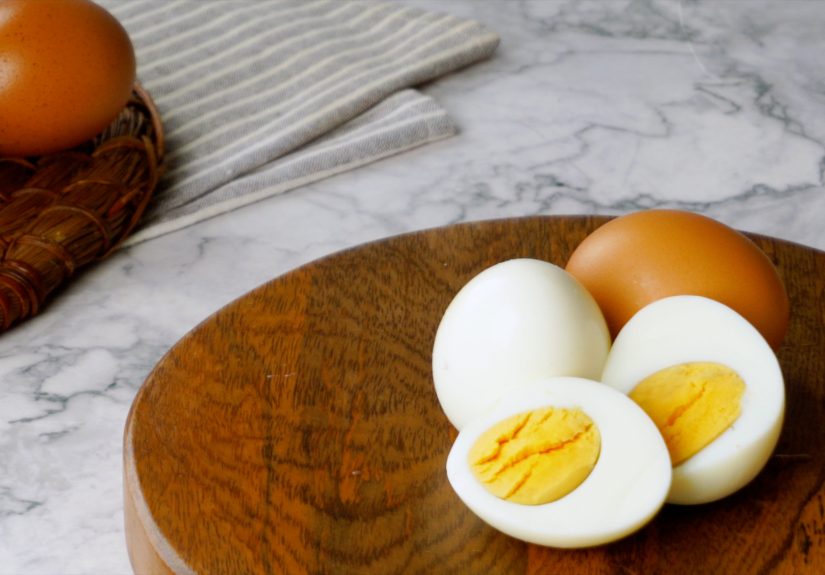
If you want the classic hard-boiled egg experienceshell, peel, yolk, picnic nostalgia, the whole eggy operause the stovetop. It is simple and much safer.
Classic Stovetop Method
- Place eggs in a single layer in a saucepan.
- Cover with cold water by about 1 inch.
- Bring the water to a boil over medium-high heat.
- Turn off the heat, cover the pan, and let the eggs sit for 10 to 12 minutes.
- Transfer the eggs to an ice bath for 5 to 10 minutes.
- Peel or refrigerate for later.
The ice bath helps stop cooking and makes peeling easier. It also reduces the chance of getting that gray-green ring around the yolk, which looks suspicious but is usually just a harmless sign of overcooking. It is not dangerous, but it does make your deviled eggs look like they have secrets.
Microwave Egg Safety Rules You Should Not Ignore
1. Never Microwave an Egg in Its Shell
This is the big one. Whole eggs can explode because steam pressure builds inside the shell. The same warning applies to reheating whole hard-boiled eggs.
2. Pierce the Yolk
If the yolk stays whole, pierce it before microwaving. This gives steam a place to escape and reduces the risk of popping.
3. Use Medium Power
Eggs are delicate. High heat can make them tough, dry, or unevenly cooked. Medium or 50% power is usually better for microwave eggs.
4. Cook in Short Bursts
Microwave cooking continues quickly. Short intervals help you avoid overcooking and reduce pressure buildup.
5. Let the Egg Stand
Standing time allows the heat to even out. This improves texture and helps finish cooking the center.
6. Use a Food Thermometer When Needed
For egg dishes, especially casseroles or mixtures, a food thermometer is the most reliable way to confirm doneness. Visual checks help, but temperature is the kitchen referee.
How to Store Cooked Eggs Safely
Once eggs are cooked, food safety does not go on vacation. Hard-cooked eggs should be refrigerated within 2 hours of cooking. Store them in a refrigerator at 40°F or below and use them within 1 week.
If eggs have been sitting out for more than 2 hours, it is safer to throw them away. In hot weather or warm rooms, that safe window can shrink. Cooked eggs are convenient, protein-rich, and budget-friendly, but they are still perishable.
For best quality, keep hard-cooked eggs in a covered container. If they are peeled, store them in an airtight container and consider adding a slightly damp paper towel to help prevent drying. Labeling the container with the cooking date is also smart. Future you will be grateful, because future you will not remember whether those eggs are from Monday or from the emotional era before Monday.
Common Mistakes When Cooking Eggs in the Microwave
Using Full Power for Too Long
Full power may seem faster, but eggs can become rubbery or cook unevenly. Lower power gives you more control.
Skipping the Cover
A loose cover helps trap gentle steam and keeps splatters contained. Just make sure it is vented. A tight seal is not your friend.
Forgetting to Pierce the Yolk
An unbeaten yolk can pop in the microwave. Piercing it is a small step that prevents big drama.
Expecting a Shell-On Hard-Boiled Egg
A microwave can make a firm cooked egg, but it is not the ideal tool for traditional hard-boiled eggs. Use the stove if you want peelable eggs.
Not Adjusting for Microwave Wattage
Microwaves vary. Start low and slow. The first egg is your test pilot, preferably not your only breakfast.
When a Microwave Hard-Cooked Egg Makes Sense
A shell-free microwave egg is useful when you need one cooked egg fast. It works well for avocado toast, ramen, grain bowls, breakfast sandwiches, chopped salads, and quick protein snacks. It is also handy in dorm rooms, office kitchens, and small apartments where stovetop access may be limited.
It is not ideal for egg salad that requires several eggs, Easter eggs, deviled eggs, or meal-prep batches. For those jobs, the stovetop or an egg cooker wins. The microwave is a sprinter, not a marathon runner. Ask it to cook one egg quickly, and it can help. Ask it to safely hard boil a dozen shell-on eggs, and it may start auditioning for a disaster movie.
Nutrition Benefits of Eggs
Eggs are popular for a reason. They are affordable, versatile, and rich in high-quality protein. They also provide nutrients such as vitamin B12, riboflavin, selenium, iodine, choline, and vitamin D in some cases. Choline is especially important for brain and nervous system function.
A hard-cooked egg can be part of breakfast, lunch, dinner, or a snack. Pair it with whole-grain toast, fruit, vegetables, or a salad for a balanced meal. The cooking method matters less nutritionally than what you pair it with and whether you cook and store it safely.
Experience-Based Tips: What Actually Works in Real Kitchens
After testing and comparing common microwave egg habits, one lesson stands out: the microwave rewards humility. The moment you assume, “One more minute should be fine,” the egg hears you and begins plotting. A safer microwave egg is all about small steps, lower power, and checking often.
For the best texture, use a small ramekin rather than a tall mug. A wider dish lets the egg spread slightly, helping it cook more evenly. Tall mugs can create thicker centers that stay undercooked while the edges turn firm. If you want a round egg for an English muffin, choose a ramekin close to the same size as the muffin. Congratulations, you have invented the breakfast sandwich without needing a drive-thru speaker yelling, “Can you repeat that?”
Adding a spoonful or two of water helps keep the egg moist. Some people skip the water and end up with a dry, bouncy egg that technically counts as food but emotionally feels like a mistake. The water creates gentle steam and makes the finished egg softer. Just do not drown it. You are cooking an egg, not launching a tiny submarine.
Covering the dish matters too. Even when you pierce the yolk, eggs can splatter. A loose microwave-safe cover keeps the inside of your microwave from becoming modern art. But the word “loose” is important. Steam needs an exit. A tight lid can create pressure, and pressure is exactly what we are trying to avoid.
Another practical tip: season after cooking. Salt can affect texture when added too early, and seasoning after cooking gives you better control. A small pinch of salt, black pepper, paprika, everything bagel seasoning, or a little hot sauce can turn a plain microwave egg into something worth eating on purpose.
If you are cooking for a family, do not microwave several whole eggs together. Make shell-free eggs one at a time or use the stovetop. Batch cooking belongs in a saucepan, not in a microwave experiment that begins with optimism and ends with paper towels.
For meal prep, traditional hard-boiled eggs are still the winner. Cook six to twelve eggs on the stove, cool them quickly in an ice bath, dry them, and refrigerate them. Keep them in a labeled container and use them within a week. This method gives you dependable eggs for snacks, salads, lunch boxes, and the classic “I need protein but refuse to cook” moment.
One more real-world note: older eggs often peel more easily than very fresh eggs. If you are planning deviled eggs or pretty slices for a salad, eggs that have been in the refrigerator for several days may behave better after boiling. Very fresh eggs can cling to the shell like they are emotionally attached.
The biggest experience-based rule is simple: choose the method based on the result you want. Want a true hard-boiled egg with a shell? Use the stove, steamer, or egg cooker. Want a quick firm egg for toast or a sandwich? Use the microwave, but crack it first, pierce the yolk, cover loosely, cook gently, and let it stand.
Final Verdict: Is It Safe to Hard Boil Eggs in a Microwave?
No, it is not considered safe to hard boil whole eggs in the microwave while they are still in the shell. The risk of explosion is real, messy, and potentially dangerous. The shell traps steam, pressure builds quickly, and the egg can burst during or after cooking.
The safer choice is to either hard boil eggs the traditional way on the stovetop or microwave eggs only after removing the shell. For a microwave hard-cooked egg, crack the egg into a microwave-safe dish, pierce the yolk, cover loosely, cook at reduced power in short intervals, and let it rest before eating.
In other words, the microwave can help with eggs, but it should not be asked to perform shell-on hard-boiled magic. That is not cooking; that is breakfast roulette.