Table of Contents >> Show >> Hide
- Why White Bedrooms Feel So Calm
- 21 White Bedroom Ideas for a Serene Space
- 1. Layer Several Shades of White
- 2. Choose a Warm White Paint
- 3. Add Texture With Bedding
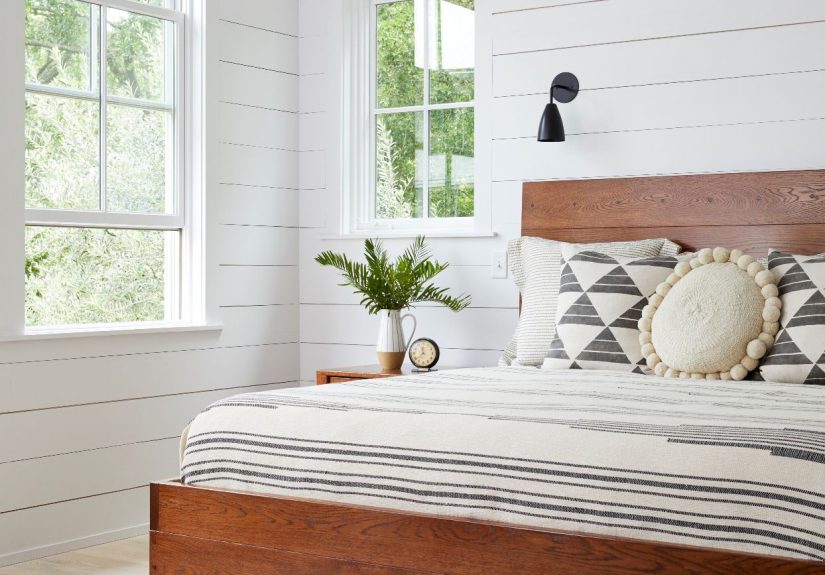
- 4. Use Wood to Warm Up the Space
- 5. Bring in a Statement Headboard
- 6. Try White Walls With Black Accents
- 7. Add a Soft Neutral Rug
- 8. Use White Curtains for an Airy Look
- 9. Mix Matte and Glossy Finishes
- 10. Add Greenery for Freshness
- 11. Create a Coastal White Bedroom
- 12. Design a Minimalist White Bedroom
- 13. Add Wall Molding for Architectural Detail
- 14. Use Soft Gray for Subtle Contrast
- 15. Try a White Bedroom With Beige Accents
- 16. Add One Piece of Statement Art
- 17. Use Mirrors to Bounce Light
- 18. Make the Bed the Star
- 19. Add Brass or Warm Metal Accents
- 20. Build a White Farmhouse Bedroom
- 21. Keep Clutter Out of Sight
- How to Choose the Right White for Your Bedroom
- Best Materials for a Cozy White Bedroom
- Common White Bedroom Mistakes to Avoid
- Experience-Based Tips for Designing a Serene White Bedroom
- Conclusion
A white bedroom sounds simpleuntil you stand in front of 47 paint chips that all claim to be “soft white” and suddenly question every life decision. But when it is done well, a white bedroom is one of the most calming, flexible, and timeless spaces you can create. It can feel crisp and modern, warm and cottage-like, breezy and coastal, or quietly luxurious, depending on how you layer texture, light, furniture, and accents.
The secret is not to make everything match like a hotel towel closet. The secret is to give white room to breathe. A serene white bedroom needs contrast, softness, natural materials, thoughtful lighting, and just enough personality to keep it from looking like nobody lives there. These 21 white bedroom ideas will help you design a peaceful retreat that feels fresh, cozy, and beautifully lived in.
Why White Bedrooms Feel So Calm
White naturally reflects light, which helps a bedroom feel larger, cleaner, and more open. It also reduces visual noise, making it easier for the eye to rest. That is why white bedrooms work especially well in small rooms, guest rooms, minimalist homes, coastal spaces, and any bedroom where the goal is to relax instead of mentally reorganizing the entire house at midnight.
Still, white is not one-size-fits-all. Cool whites can feel crisp and gallery-like, while warm whites, creams, ivory, and soft off-whites create a gentler, more inviting mood. Before choosing a white bedroom color scheme, pay attention to your natural light, flooring, furniture finishes, and the feeling you want when you walk in.
21 White Bedroom Ideas for a Serene Space
1. Layer Several Shades of White
The easiest way to make a white bedroom feel expensive is to stop using only one white. Mix crisp white sheets with ivory walls, a cream throw, and a soft beige rug. This creates quiet depth without interrupting the peaceful palette. The room still reads as white, but it feels softer and more intentional.
2. Choose a Warm White Paint
If your bedroom feels cold, the wall color may be the culprit. Warm whites with beige, cream, or subtle pink undertones are excellent for bedrooms because they soften the room, especially at night. Pair warm white walls with wood furniture, linen bedding, and woven accents for a cozy retreat that still feels bright.
3. Add Texture With Bedding
White bedding is classic, but flat white bedding can feel boring. Look for texture: quilted coverlets, waffle blankets, linen duvet covers, cotton matelassé, embroidered pillow shams, or a chunky knit throw. Texture gives the bed dimension, so the all-white look feels relaxed instead of sterile.
4. Use Wood to Warm Up the Space
Wood is white’s best friend. A white bedroom with natural wood nightstands, oak floors, a walnut dresser, or a cane headboard instantly feels warmer. Light woods create a Scandinavian or coastal mood, while darker woods make the space feel grounded and sophisticated.
5. Bring in a Statement Headboard
A headboard can become the main focal point in a white bedroom. Try an upholstered headboard in ivory boucle, beige linen, white channel tufting, or soft gray fabric. For a more rustic style, choose a whitewashed wood headboard. The bed is usually the largest object in the room, so making it beautiful does a lot of the decorating work for you.
6. Try White Walls With Black Accents
A black-and-white bedroom can be calm when the contrast is used carefully. Add black through slim curtain rods, picture frames, a bedside lamp, drawer pulls, or a metal bed frame. Keep the big pieces soft and white so the room still feels serene, not overly dramatic.
7. Add a Soft Neutral Rug
A rug helps anchor the bed and adds comfort underfoot. In a white bedroom, choose a rug in ivory, oatmeal, light gray, taupe, or a subtle vintage pattern. The rug keeps the room from feeling like a floating cloud with furniture legs. Clouds are lovely; furniture still needs grounding.
8. Use White Curtains for an Airy Look
White curtains make a bedroom feel taller, softer, and more polished. Hang them close to the ceiling and let them fall to the floor for a designer look. For better sleep, layer sheer white curtains with blackout shades or lined drapes. You get daytime softness and nighttime darknessthe bedroom equivalent of having cake and sleeping after eating it.
9. Mix Matte and Glossy Finishes
When everything has the same finish, a white room can look flat. Combine matte white walls with glossy ceramic lamps, a satin-painted dresser, polished metal hardware, and soft cotton textiles. The subtle shift in sheen catches light and adds visual interest without adding loud color.
10. Add Greenery for Freshness
A plant instantly wakes up a white bedroom. Try a snake plant, pothos, peace lily, olive tree, or small fern depending on your light conditions. The green leaves look crisp against white walls and add a natural, calming element. If you are not a plant person, realistic faux greenery is acceptable. No judgment; some of us have emotionally complicated relationships with houseplants.
11. Create a Coastal White Bedroom
For a coastal look, combine white walls with pale blue accents, rattan furniture, linen bedding, driftwood tones, and woven baskets. Keep the theme subtle. You want “quiet beach house,” not “souvenir shop attacked the nightstand.” A striped pillow or seagrass pendant is usually enough.
12. Design a Minimalist White Bedroom
A minimalist white bedroom works best when every piece has a purpose. Choose clean-lined furniture, simple bedding, hidden storage, and one or two meaningful decorative accents. The goal is not to remove personality; it is to remove clutter so the room feels calm, open, and easy to maintain.
13. Add Wall Molding for Architectural Detail
If your white bedroom feels plain, add picture-frame molding, board and batten, shiplap, or a paneled accent wall. Painted white, these details create shadows and structure while keeping the palette quiet. It is a great way to add elegance without adding more stuff.
14. Use Soft Gray for Subtle Contrast
Gray and white are a timeless bedroom pairing. Choose pale gray throw pillows, a gray upholstered bench, smoky gray curtains, or a gray-and-white patterned rug. Gray adds sophistication while preserving the peaceful mood. For warmth, balance it with wood, cream, or brass accents.
15. Try a White Bedroom With Beige Accents
Beige is back, and it is behaving much better than it did in the 1990s. In a white bedroom, beige adds warmth and softness. Try a beige linen duvet, tan leather bench, sand-colored rug, or natural woven shades. The result feels calm, layered, and very easy to live with.
16. Add One Piece of Statement Art
A white bedroom is the perfect gallery backdrop for art. Choose one large piece above the bed or dresser instead of scattering many small pieces everywhere. Abstract art, black-and-white photography, botanical prints, or a soft landscape can add personality without overwhelming the room.
17. Use Mirrors to Bounce Light
Mirrors are especially useful in small white bedrooms because they reflect light and create a sense of openness. Place a mirror opposite or beside a window, lean a full-length mirror against a wall, or choose mirrored nightstand details for a touch of glam. Just avoid positioning mirrors where they reflect clutter, unless you want twice the laundry drama.
18. Make the Bed the Star
In a serene bedroom, the bed should look inviting but not overdone. Start with crisp white sheets, add a duvet or comforter, layer a quilt or throw at the foot, and finish with a few pillows in mixed textures. You do not need twelve pillows unless you enjoy removing a decorative mountain every night.
19. Add Brass or Warm Metal Accents
Warm metals such as brass, aged gold, and champagne bronze look beautiful in white bedrooms. Use them in lighting, mirror frames, drawer pulls, or small accessories. The warmth keeps white from feeling cold and adds a subtle sense of luxury.
20. Build a White Farmhouse Bedroom
For a farmhouse-inspired white bedroom, use painted wood furniture, white shiplap, vintage-style lamps, cotton quilts, iron bed frames, and woven storage baskets. Keep the palette soft and simple. A few antique or weathered pieces add charm without making the room feel cluttered.
21. Keep Clutter Out of Sight
White bedrooms show clutter quickly, so storage matters. Use closed nightstands, under-bed bins, dressers with clean lines, decorative baskets, and closet organizers. A serene white space depends as much on what you do not see as what you do. The calmest bedroom is often the one where phone chargers, receipts, and mystery socks have a proper hiding place.
How to Choose the Right White for Your Bedroom
White paint changes dramatically depending on light. A color that looks creamy in one room can look yellow in another. A crisp white that looks elegant in a bright showroom can feel icy in a north-facing bedroom. Always test paint samples on several walls and look at them in the morning, afternoon, and evening.
For rooms with cool natural light, warm whites and off-whites usually feel more inviting. For sunny rooms, cleaner whites can look fresh and balanced. If your flooring has warm tones, choose a white with similar warmth. If your furniture is gray, black, or silver, a cooler white may work better. The best white bedroom color is not the trendiest one; it is the one that behaves nicely in your actual room.
Best Materials for a Cozy White Bedroom
The materials you choose matter as much as the color palette. Linen, cotton, wool, boucle, rattan, cane, jute, seagrass, wood, ceramic, and plaster all work beautifully in white bedrooms. These materials add texture and help the room feel human. Without them, an all-white bedroom can look like nobody is allowed to touch anything.
For bedding, breathable natural fabrics such as cotton and linen are practical and stylish. For rugs, wool and wool-blend options add warmth, while jute and sisal bring an earthy casual feel. For furniture, painted wood, natural oak, cane, and upholstered pieces all pair easily with white walls.
Common White Bedroom Mistakes to Avoid
Using Only One Shade of White
One flat shade of white across walls, bedding, furniture, and decor can make the room feel unfinished. Mix white, cream, ivory, beige, and pale gray for a richer result.
Ignoring Lighting
Lighting changes everything. A white bedroom needs layered lighting: bedside lamps for reading, overhead lighting for function, and soft accent lighting for atmosphere. Warm bulbs usually create a more relaxing mood than harsh cool bulbs.
Skipping Texture
Texture is what separates a beautiful white bedroom from a room that looks like it is still loading. Add woven shades, a plush rug, linen bedding, ceramic lamps, or a textured wall treatment.
Adding Too Many Tiny Accessories
White bedrooms look best with fewer, stronger choices. Instead of filling every surface, choose a sculptural lamp, a stack of books, a vase, or one framed photo. Let empty space be part of the design.
Experience-Based Tips for Designing a Serene White Bedroom
After working with white bedroom ideas in real roomsnot just the perfect ones onlinethe biggest lesson is this: white is honest. It reveals everything. It shows the quality of light, the undertones in your flooring, the shape of your furniture, and whether your “temporary chair pile” has quietly become a second closet. That is why a white bedroom can be both beautiful and slightly bossy. It asks you to edit, simplify, and choose with care.
A practical experience is to begin with the bed, not the paint. Most people rush to paint the walls first, but bedding takes up a huge amount of visual space. If you already own a bright white duvet, ivory sheets, or a beige quilt you love, bring those pieces into the room before choosing wall color. Hold paint samples beside your bedding. You may discover that your “white” sheets are actually cool blue-white, while your favorite throw is warm cream. That difference matters.
Another useful tip is to live with samples for several days. White paint is sneaky. In morning light, it may look fresh and clean. At sunset, it may turn peach, gray, yellow, or even faintly green. Paint a large sample or use peel-and-stick swatches on different walls. Check them beside your trim, flooring, curtains, and furniture. A white bedroom is supposed to calm you down, not make you whisper, “Why does this wall look like oatmeal?” at 6 p.m.
Texture is also more important than many people expect. In real homes, the most successful white bedrooms usually have at least five textures: smooth walls, soft bedding, woven window treatments, a rug, and wood or metal furniture. These quiet differences make the room feel layered. Even a small bedroom can handle texture because texture does not take up visual space the way bold color can.
Storage is another lesson learned the hard way. White bedrooms look peaceful in photos because the surfaces are clear. In daily life, nightstands collect lip balm, chargers, water glasses, tissues, books, and the occasional snack wrapper that nobody wants to discuss. Choose nightstands with drawers, add a basket near the bed, and create a charging spot that hides cords. Serenity is easier when your everyday items have somewhere to go.
Lighting should be warm, adjustable, and gentle. A single bright ceiling light can make a white bedroom feel harsh, especially at night. Bedside lamps, shaded sconces, dimmers, and warm bulbs create a softer atmosphere. If possible, add one low light source across the room, such as a small lamp on a dresser. It gives the room a cozy evening glow and makes white walls feel warm instead of clinical.
Finally, leave room for personality. A serene white bedroom should not feel like a showroom where you are afraid to breathe. Add a favorite book, a handmade ceramic bowl, family photos in simple frames, a vintage bench, or art that makes you happy. White is not the absence of style. It is a calm background that lets your best pieces stand out.
The best white bedroom is not perfectly white. It is restful, layered, practical, and personal. It feels clean in the morning, soft at night, and forgiving on the days when the bed is only half-made. In other words, it works for real lifeand that is the most serene design choice of all.
Conclusion
A white bedroom can be serene without being plain, elegant without being stiff, and cozy without being cluttered. The key is to layer shades of white, add natural materials, include texture, control lighting, and bring in small touches of contrast. Whether your style is modern, farmhouse, coastal, minimalist, or classic, white gives you a flexible foundation for a bedroom that feels peaceful every single day.
Start small if you are not ready for a full makeover. Change the bedding, add a textured rug, switch to warmer lighting, or bring in a wood nightstand. A serene white bedroom does not have to happen all at once. Like a good night’s sleep, it is built layer by layer.
Note: This article is written as an original, publication-ready synthesis of widely accepted bedroom design principles, including layering texture, selecting suitable white undertones, using natural materials, and creating a calm sleep-focused layout.