Table of Contents >> Show >> Hide
- Do Skin Supplements Really Work?
- 1. Vitamin C
- 2. Vitamin D
- 3. Omega-3 Fatty Acids
- 4. Zinc
- 5. Collagen Peptides
- 6. Ceramides
- 7. Hyaluronic Acid
- 8. Probiotics
- 9. Vitamin E
- What About Biotin?
- How to Choose a Skin Supplement Without Falling for Hype
- The Bottom Line
- Real-World Experiences With Skin Vitamins and Supplements
Note: This article is for educational purposes only and is not a substitute for personalized medical advice. Skin supplements can help in specific situations, but they are not magic beans in a capsule.
If the beauty aisle had its way, your skin would become glassy, bouncy, dewy, poreless, and somehow emotionally stable after one gummy. Real life is less dramatic. According to dermatologists, dietitians, and evidence-based medical sources, the best vitamins and supplements for skin are the ones that either correct a deficiency, support the skin barrier, or have at least some decent research behind them. Everything else is mostly glitter with a marketing budget.
That does not mean supplements are useless. It means they work best when they are used with common sense. Healthy skin depends on a lot more than one nutrient: protein, sleep, hydration, sun protection, hormones, overall diet, and skin care habits all matter. Still, some vitamins and supplements stand out because experts keep coming back to them when talking about collagen support, moisture retention, inflammation, barrier repair, or wound healing.
Here are the nine best vitamins and supplements for skin, according to expert guidance and current research, plus what they may actually do, who might benefit, and where people often get fooled by labels that promise the moon and deliver a mildly overpriced capsule.
Do Skin Supplements Really Work?
The honest answer: sometimes. Experts generally recommend getting nutrients from food first. That is because whole foods bring fiber, healthy fats, protein, and other compounds that pills do not fully replicate. Supplements can still be useful, especially if you have a documented deficiency, a restrictive diet, poor intake, certain digestive conditions, or a specific skin concern tied to nutrition.
In other words, the best supplement for skin is usually the one your body actually needs. If your diet is solid and your bloodwork is normal, loading up on ten trendy bottles may not transform your face into a filtered selfie. It may just transform your bathroom cabinet into a chemistry experiment.
1. Vitamin C
Why experts like it
Vitamin C is one of the biggest stars in skin health for a reason. Your body needs it to make collagen, the structural protein that helps keep skin firm and supports wound healing. It also works as an antioxidant, helping defend cells from oxidative stress. If your skin were a construction site, vitamin C would be part foreman, part cleanup crew.
Best for
Vitamin C may be especially useful for people with low fruit and vegetable intake, smokers, or anyone whose diet is not providing enough antioxidant-rich foods. It is often discussed for dull skin, healing support, and overall collagen maintenance.
Reality check
Vitamin C is important, but more is not always better. A balanced diet rich in citrus, strawberries, bell peppers, kiwi, broccoli, and tomatoes often covers the basics. Supplements can help fill gaps, but they are not a substitute for sunscreen, sleep, and not treating your skin like it owes you money.
2. Vitamin D
Why experts like it
Vitamin D matters for immune function and overall health, and low levels have been linked with some skin issues, including excessively dry skin in certain cases and inflammatory conditions in others. Dermatologists also remind people not to rely on intentional sun exposure to get vitamin D, because sun damage is not exactly a glowing skincare hack.
Best for
This supplement makes the most sense for people with low blood levels, limited sun exposure, darker skin tones, older adults, or diets low in fortified foods and fatty fish. In those cases, correcting a deficiency may support skin health indirectly and sometimes directly.
Reality check
Vitamin D is fat-soluble, which means high doses can build up. It is one of those nutrients that sounds harmless until someone treats the label like a dare. If you suspect a deficiency, testing and medical guidance are smarter than guessing.
3. Omega-3 Fatty Acids
Why experts like it
Omega-3 fatty acids help support cell membranes and play a role in inflammation. Deficiency in essential fatty acids can show up as rough, scaly skin and dermatitis. Experts often point to omega-3s when talking about skin barrier support, dryness, and inflammatory conditions. They are not a miracle cure, but they are not fluff either.
Best for
People who do not eat much fatty fish, walnuts, chia seeds, or flax may benefit the most. Omega-3 supplements are often discussed for dry, reactive, or easily irritated skin, and sometimes as part of a broader anti-inflammatory routine.
Reality check
Fish oil is not for everyone. It may interact with blood-thinning medications, and quality varies widely by brand. Food sources are often a great starting point. Salmon on your plate still beats mystery burp capsules that taste like a dock at low tide.
4. Zinc
Why experts like it
Zinc is involved in wound healing, immune function, and normal skin maintenance. When zinc is low, skin can have trouble healing well. That is one reason experts still keep zinc on the shortlist of meaningful nutrients for skin support.
Best for
Zinc may be most relevant for people with low intake, poor absorption, restrictive diets, or skin concerns where deficiency is suspected. It also comes up in conversations about acne and inflammatory skin conditions, though the evidence is mixed and not strong enough to call it a universal acne fix.
Reality check
Too much zinc can backfire and may cause nausea, stomach upset, and even interfere with copper balance over time. The lesson here is simple: supportive mineral, yes. Free-for-all, no.
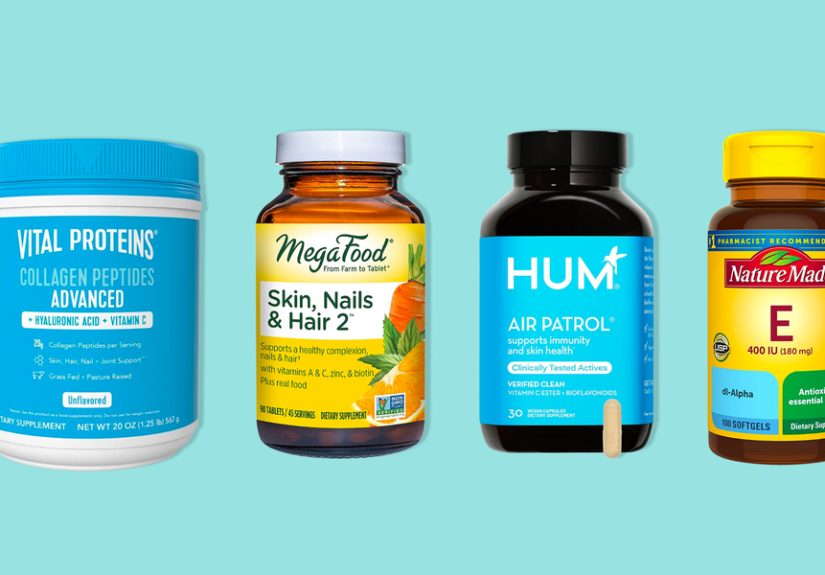
5. Collagen Peptides
Why experts like it
Collagen supplements are everywhere, and unlike some trendy beauty pills, they do have a growing pile of research behind them. Several reviews and meta-analyses suggest that oral collagen may improve skin hydration, elasticity, and the appearance of wrinkles in some adults, particularly after several weeks of consistent use.
Best for
Collagen peptides may appeal to adults concerned with age-related changes in skin texture, fine lines, or hydration. They are especially popular among people who want a supplement aimed at “skin support” rather than a classic vitamin.
Reality check
Experts still caution that evidence quality is mixed, some studies are small, and not every powder is created equal. Also, collagen is not a complete protein, so it should not replace better protein sources in your diet. Adding collagen to your coffee may be fine. Expecting it to erase a decade of sun damage by Tuesday is ambitious.
6. Ceramides
Why experts like it
Ceramides are lipids naturally found in the outer layer of the skin, where they help hold moisture in and irritants out. They are a big deal for the skin barrier. Oral ceramide supplements are getting more attention because some studies suggest they may improve hydration and reduce transepidermal water loss.
Best for
People with very dry skin, compromised barrier function, or a “my face feels tight by noon” situation may find ceramides especially interesting. They are often discussed alongside moisturizers because barrier support works best as a team sport.
Reality check
Topical ceramides are still the more established option, and oral ceramides need more large-scale study. But among modern skin supplements, they are one of the more intriguing contenders, especially for dryness and barrier repair.
7. Hyaluronic Acid
Why experts like it
Hyaluronic acid is famous for helping skin hold water. Most people know it as a serum ingredient, but oral hyaluronic acid supplements have also shown promise in research on skin hydration, wrinkle appearance, and roughness. Think of it as moisture support from the inside, though not in the magical cartoon way supplement ads suggest.
Best for
Adults bothered by dryness, mild age-related texture changes, or seasonal tightness may be most interested. It is often paired with collagen in the beauty supplement world, though it can also stand on its own.
Reality check
Studies are encouraging, but many are still modest in size. Oral hyaluronic acid looks promising, not perfect. It belongs in the “reasonable option with emerging support” category, not the “throw away your moisturizer” category.
8. Probiotics
Why experts like it
Probiotics get attention because of the gut-skin axis, the idea that the health of your microbiome may influence inflammation and certain skin conditions. Research suggests certain probiotic strains may help in some cases involving acne, eczema, and general skin barrier support.
Best for
Probiotics may be worth discussing if your skin flares seem to travel with digestive issues, recent antibiotic use, or inflammatory skin concerns. They may also interest people who want a whole-body approach rather than a single-nutrient strategy.
Reality check
This is where people need to slow down. Experts repeatedly warn that probiotic evidence is strain-specific, inconsistent, and not something you can generalize from one bottle to another. “Probiotic” is not a magic word. It is more like saying “dog.” Helpful? Maybe. Enough information? Not even close.
9. Vitamin E
Why experts like it
Vitamin E is an antioxidant tied to skin protection and cell membrane health. It is often discussed for dry or inflamed skin and has shown some mild positive effects in certain skin conditions. It also gets attention because antioxidants work as part of the body’s defense system against oxidative stress.
Best for
Vitamin E may be relevant for people whose diets are low in nuts, seeds, and vegetable oils, or for those exploring broader antioxidant support. It is not usually the first supplement experts mention for glowing skin, but it remains on the radar.
Reality check
Because vitamin E is fat-soluble, more is not automatically better. High-dose supplementation can cause problems and may interact with certain medications, especially those related to bleeding risk. Good nutrient, yes. Wild megadosing contest, absolutely not.
What About Biotin?
Biotin deserves a brief cameo because it is marketed relentlessly in hair, skin, and nail supplements. Experts generally do not recommend it for everyone. If you have a true deficiency, supplementing may help. If you do not, evidence for visible skin benefits is weak. There is also an important safety wrinkle: high-dose biotin can interfere with some lab tests. So if a beauty gummy promises runway skin and accidentally confuses your bloodwork, that is not exactly a wellness win.
How to Choose a Skin Supplement Without Falling for Hype
1. Start with your actual problem
Dryness, dullness, breakouts, eczema-prone skin, and slow healing are not the same issue. A collagen powder, a zinc supplement, and a probiotic do different things. Pick based on the concern, not the prettiest label.
2. Food first, then fill real gaps
If your diet is loaded with colorful produce, nuts, seeds, fish, beans, and protein, you may not need much help from a bottle. If your intake is patchy, supplements can be more useful.
3. Avoid megadoses
With supplements, “more” often means “more side effects.” Fat-soluble vitamins and minerals deserve extra caution.
4. Look for quality testing
Choose brands that use third-party testing for purity and label accuracy. Supplements are regulated differently than medications, so quality can vary.
5. Check interactions
Fish oil, vitamin E, zinc, biotin, and other popular supplements may interact with medications, procedures, or lab tests. Your doctor, pharmacist, or dermatologist can help you avoid accidental chaos.
The Bottom Line
The best vitamins and supplements for skin are not necessarily the trendiest ones. According to experts, the most credible choices include vitamin C, vitamin D, omega-3 fatty acids, zinc, collagen peptides, ceramides, hyaluronic acid, probiotics, and vitamin E. Some have stronger evidence than others, and nearly all work best when they are used for a clear reason rather than as wishful thinking in capsule form.
If your goal is healthy, resilient skin, think bigger than supplements alone. Eat a nutrient-dense diet, protect your skin from the sun, get enough protein, manage stress, and use topical skin care that supports your barrier instead of bullying it. A smart supplement can be helpful. A smart routine is even better.
Real-World Experiences With Skin Vitamins and Supplements
In real life, people’s experiences with skin supplements usually fall into a few familiar patterns. The first is the “nothing happened for two weeks and I got offended” phase. That is common, especially with collagen, hyaluronic acid, and ceramides. Skin turnover takes time, and many supplements that do show benefits in research are usually studied over several weeks, not over one dramatic weekend. So one of the most common experiences is not instant radiance but a slower, less glamorous shift: skin feels a little less tight, makeup sits better, or fine dehydration lines seem less obvious by the second month.
Another very common experience is that the supplement works best when it solves a real problem. Someone with low vitamin D, a very limited diet, poor protein intake, or not enough omega-3-rich foods may notice improvement after correcting a gap. Their skin may feel less dry, less irritated, or heal a bit better. But another person with no deficiency and a balanced diet may take the exact same supplement and notice almost nothing. That difference is important. It does not mean the product is fake. It means biology is rude and refuses to do identical things for everyone.
People also often report that omega-3s and probiotics feel more “indirect” than beauty supplements marketed for wrinkles. Instead of suddenly looking airbrushed, they may notice that skin becomes less reactive, less flaky, or calmer during stressful periods. These changes are easy to miss if you are waiting for a movie-montage transformation. Skin support is often subtle before it is visible.
Then there is the overachiever experience: starting five supplements at once and having no clue which one helped, which one did nothing, and which one caused stomach upset. This happens constantly. A smarter approach is usually to add one product at a time, give it several weeks, and track what changes. Otherwise, your routine turns into a guessing game with expensive receipts.
And yes, some people have the opposite experience: side effects. Fish oil may cause reflux or fishy burps. Zinc can upset the stomach. Some probiotic products can cause bloating at first. High-dose biotin can create issues with lab testing. That does not mean supplements are bad. It means “natural” is not the same as “consequence-free,” no matter how leafy the packaging looks.
The most positive long-term experiences usually come from people who pair supplements with habits that actually support skin health: sunscreen, moisturizer, enough sleep, adequate protein, and a diet with fruits, vegetables, nuts, seeds, and healthy fats. In those cases, supplements tend to act like supporting actors, not the main character. And honestly, that is probably where they belong.