Table of Contents >> Show >> Hide
Every culture has a clever little sentence designed to save people from making spectacularly avoidable mistakes. Some come from farms, some from fishing boats, some from family kitchens, and some probably came from one very tired grandparent who had simply seen enough. However they started, common sayings and proverbs around the world have survived because they do something modern advice often struggles to do: they say a lot without taking forever.
That is the beauty of collective wisdom. It does not arrive in a fifty-slide presentation or a self-important thread online. It shows up in short, memorable lines that can survive travel, translation, and generations of stubborn humans. A proverb from Japan, Spain, Nigeria, China, Mexico, or Turkey may sound different on the surface, but the lesson often lands in the same place: be patient, work hard, choose wisely, mind your words, and maybe do not poke sleeping dogs unless you enjoy chaos.
In this guide, you will find 95 common sayings from around the world, organized by theme and translated into easy, readable English. Some are direct translations, some are familiar English equivalents, and many have cousins in more than one country. Together, they reveal how global wisdom tends to agree on the big things, even when the food, weather, and accent are wildly different.
Why Global Sayings Still Matter
World proverbs stick around because they are portable. You can carry them in your head, repeat them at the right moment, and suddenly sound wiser than you felt five seconds earlier. More importantly, these sayings from different countries distill hard-earned lessons about time, work, family, truth, resilience, and perspective. They remind us that humans have always been dealing with deadlines, pride, regret, hunger, bad planning, risky decisions, and relatives with strong opinions.
There is also something oddly comforting about how often cultures agree. A farmer in one country, a merchant in another, and a grandmother somewhere else may all end up teaching the same truth with different imagery. That is why collective wisdom feels both local and universal. The scenery changes, but the life lesson usually keeps the same shoes on.
95 Common Sayings And What They Mean
Time, Patience, and Momentum
These proverbs around the world remind us that progress is usually less glamorous than people hope. It is often slow, repetitive, and mildly annoying. Still, it works.
- A journey of a thousand miles begins with a single step. Start, even if the beginning feels small.
- Fall seven times, stand up eight. Resilience matters more than a perfect record.
- Hurry, hurry has no blessing. Rushing often creates brand-new problems.
- Measure twice, cut once. Preparation saves pain, money, and embarrassment.
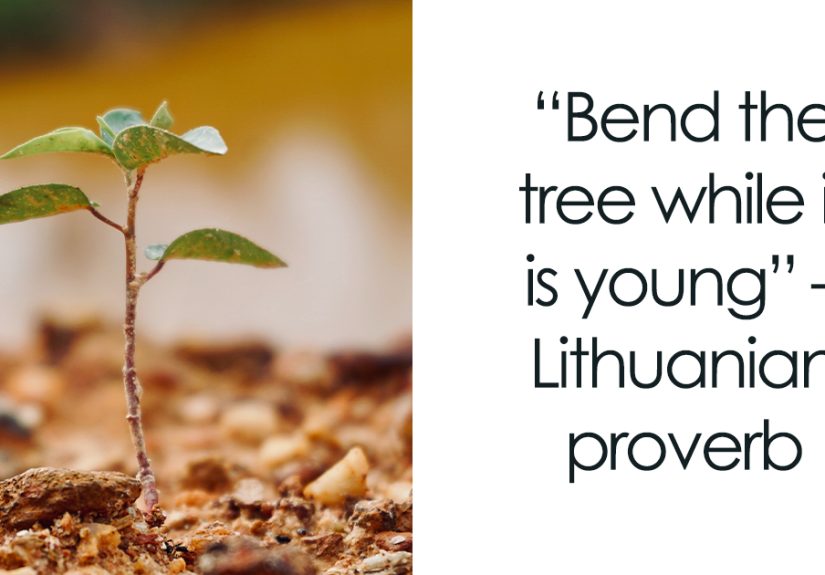
- The best time to plant a tree was 20 years ago; the second best time is now. Late is still better than never.
- Little by little, the bird builds its nest. Small effort creates real results.
- No matter how long the night, the day is sure to come. Hard seasons do end.
- Patience is bitter, but its fruit is sweet. Waiting is annoying, but often worth it.
- Strike while the iron is hot. Use the right moment before it disappears.
- Make hay while the sun shines. Good conditions do not last forever.
- Time and tide wait for no man. Delay rarely improves the situation.
- Better late than never. Imperfect timing still beats permanent inaction.
- One today is worth two tomorrows. A real step now beats vague plans later.
- After rain comes fair weather. Discomfort is not always permanent.
- After the storm comes the calm. Turbulence can give way to relief.
- The path is made by walking. Progress becomes visible only after movement.
Work, Preparation, and Effort
Common sayings from different countries rarely promise success without effort. Apparently, no civilization ever looked at laziness and said, “Yes, that seems like the plan.”
- When spider webs unite, they can tie up a lion. Small forces together become powerful.
- Many hands make light work. Teamwork reduces strain.
- Even a sheet of paper is lighter when lifted together. Shared effort changes the load.
- One finger cannot lift a pebble. Some tasks need cooperation.
- If you want to go fast, go alone; if you want to go far, go together. Speed and endurance are not the same thing.
- No bees, no honey; no work, no money. Reward usually follows labor.
- He who wants fish must not mind getting wet. Results require discomfort.
- Diligence is the mother of good luck. What looks like luck often began as effort.
- Little strokes fell great oaks. Consistency beats drama.
- He who does not work shall not eat. Contribution matters.
- Work is no disgrace. Honest labor deserves respect.
- A roaring lion kills no game. Noise is not accomplishment.
- Dig the well before you are thirsty. Prepare before the crisis shows up.
- God gives every bird its food, but does not throw it into the nest. Opportunity still requires action.
- Better an egg today than a hen tomorrow. A smaller certain gain can beat a bigger maybe.
- He who plants trees loves others besides himself. Good work often benefits the future.
Wisdom, Learning, and Humility
This is where collective wisdom gets wonderfully direct. Learn. Ask. Listen. Be humble. And maybe stop acting like you invented knowledge yesterday afternoon.
- Wisdom is like a baobab tree; no one person can embrace it. No one owns all understanding.
- He who asks a question remains a fool for five minutes; he who does not ask remains a fool forever. Curiosity beats silent confusion.
- To know the road ahead, ask those coming back. Experience is useful data.
- A single conversation with a wise person is worth a month’s study of books. Insight can be wonderfully concentrated.
- Better to light a candle than curse the darkness. Action is better than complaining.
- A book is like a garden carried in the pocket. Knowledge travels with you.
- Speech is silver; silence is gold. Not every thought needs an audience.
- Words should be weighed, not counted. Quality matters more than volume.
- Empty vessels make the most noise. Loudness is not expertise.
- The taller the bamboo grows, the lower it bends. True wisdom usually becomes humbler.
- Even the monkey falls from the tree. Experts make mistakes too.
- The frog in the well knows nothing of the sea. A narrow view can feel bigger than it is.
- He who chases two rabbits catches neither. Split focus ruins results.
- A closed mouth catches no flies. Silence can be strategic.
- The nail that sticks out gets hammered down. Standing out can bring pressure.
- An old broom knows the dirty corners best. Experience notices what youth misses.
Community, Family, and Human Relationships
These sayings from around the world recognize something people keep rediscovering: life is easier, richer, and less ridiculous when done with others.
- Tell me who your friends are, and I will tell you who you are. Company shapes character.
- A good companion shortens the road. The right people lighten the journey.
- Better a neighbor nearby than a brother far away. Practical closeness matters.
- Shared joy is double joy; shared sorrow is half sorrow. Community changes the emotional weight.
- A kind word can warm three winter months. Small kindness lasts.
- One log does not make a fire. Warmth needs more than one source.
- A single bracelet does not jingle. Relationship creates rhythm.
- The guest sees more in an hour than the host in a year. Outsiders notice what insiders miss.
- A house without guests is like a grave. Hospitality brings life.
- He who has no elders has no mirrors. Wisdom often comes through older voices.
- The child who is carried on the back does not know how far the town is. Protected people may miss others’ effort.
- The family is a forest; when you are outside it is dense, when you are inside you see each tree. Family is complex up close.
- A tree is known by its fruit. Character shows in outcomes.
- A shared burden is lighter. Support reduces strain.
- When brothers fight, strangers reap the harvest. Internal conflict benefits outsiders.
- You cannot clap with one hand. Some outcomes require partnership.
Risk, Consequences, and Self-Control
Here the tone gets firmer. World proverbs love reminding us that choices have consequences, loose talk spreads fast, and bad decisions rarely arrive wearing a warning label.
- No one tests the depth of a river with both feet. Be cautious before committing fully.
- Better safe than sorry. Prevention is cheaper than regret.
- Look before you leap. Think first, jump later.
- Trust in God, but tie your camel. Faith does not replace common sense.
- He who rides a tiger is afraid to dismount. Dangerous choices become hard to escape.
- The fish rots from the head down. Bad leadership spreads downward.
- The rope of lies is short. Falsehood runs out quickly.
- A lie has no legs. Untruth does not travel well forever.
- A word once spoken cannot be caught by a horse. You cannot outrun your own speech.
- The dog that barks loudest bites least. Threats are often performance.
- When the cat’s away, the mice will play. Supervision changes behavior.
- Do not wake sleeping dogs. Leave stable trouble alone.
- Don’t count your chickens before they hatch. Do not spend success before it exists.
- A bird in the hand is worth two in the bush. Certainty has value.
- Nothing ventured, nothing gained. Some risk is necessary.
- Fortune favors the bold. Courage often opens doors.
Perspective, Change, and Resilience
These common sayings help explain why global wisdom tends to survive. It teaches flexibility without turning life into a motivational poster with suspicious fonts.
- When one door closes, another opens. Loss can reveal a new option.
- Misfortune can be a bridge to fortune. Bad news can hide useful change.
- When the winds of change blow, some build walls and others build windmills. Adaptation beats resistance.
- The bamboo that bends is stronger than the oak that resists. Flexibility can be strength.
- Smooth seas do not make skillful sailors. Comfort is a poor teacher.
- Where there is smoke, there is fire. Repeated signs usually mean something.
- The grass is always greener on the other side. Distance flatters other people’s lives.
- Not all fingers are alike. Difference is normal.
- A hungry belly has no ears. Need can drown out advice.
- The empty sack cannot stand upright. People need basic support to function.
- The camel cannot see its own hump. Self-awareness is harder than criticism.
- The sun shines on every roof. Everyone gets some joy and some trouble.
- The frog does not drink up the pond in which it lives. Do not destroy what sustains you.
- Three things cannot long stay hidden: the sun, the moon, and the truth. Reality tends to surface.
- The moon is not bothered by the barking of dogs. Noise does not diminish what is real.
What These 95 Sayings Reveal About Collective Wisdom
Read enough common sayings from around the world, and a pattern emerges. Cultures may disagree about cuisine, weather, sports, and how much garlic is too much garlic, but they return to the same core truths. People admire patience. They respect effort. They warn against arrogance. They value community. They distrust laziness, empty noise, reckless talk, and leadership that fails from the top down.
That is what makes global wisdom so fascinating. These sayings are not random decorations from different countries. They are survival tools in sentence form. They helped people manage work, conflict, weather, money, children, travel, neighbors, and hope. And while the setting has changed from village roads to inboxes and group chats, the advice still holds up surprisingly well. A proverb that once guided a farmer can now save a project manager. A line used by a grandparent can still rescue someone from posting something foolish online. Humanity changes outfits, but not always habits.
Real-Life Experiences That Make These Sayings Feel True
The reason people keep repeating proverbs is not because they are old. It is because they keep being right at the most inconveniently accurate moments. You hear, “Measure twice, cut once,” and suddenly it is not about carpentry anymore. It is about the email you almost sent too fast, the job move you were tempted to make out of frustration, or the online purchase that looked amazing until it arrived and resembled a folded apology.
Travel makes these sayings feel even more alive. In airports, train stations, and unfamiliar neighborhoods, “A good companion shortens the road” becomes less poetic and more factual. A delayed trip feels shorter with the right person beside you and much longer with someone who believes every inconvenience is a personal attack from the universe. “Better safe than sorry” also hits differently when you are holding a passport, a nearly dead phone battery, and the sinking realization that you should have checked the gate number one more time.
Work life may be where collective wisdom performs its greatest magic trick. Entire offices could function better if everyone quietly memorized “Empty vessels make the most noise,” “Many hands make light work,” and “A roaring lion kills no game.” Anyone who has survived a chaotic meeting already knows the truth of all three. The loudest person is not always the most useful, teamwork beats heroic burnout, and lots of dramatic talk does not automatically produce results. Sometimes the wisest person in the room is the one calmly doing the actual work while the rest audition for a leadership documentary no one requested.
Family life, of course, is practically a proverb factory. “The family is a forest” feels very real during holidays, reunions, and group chats that begin with birthday plans and end with three cousins arguing about something that happened in 2014. “A kind word can warm three winter months” is equally true. Families remember tone. Friends remember presence. One thoughtful sentence at the right time can stick longer than a dozen expensive gestures.
Then there is hardship. That is where sayings stop sounding decorative and start sounding necessary. “No matter how long the night, the day is sure to come” is not shallow optimism. It is the kind of line people keep because they needed it once. During illness, grief, job loss, uncertainty, or long seasons of waiting, short wisdom can be easier to hold than complicated advice. You do not always need a lecture. Sometimes you need one steady sentence that reminds you to keep moving.
What makes these common sayings from different countries so powerful is that they come from repeated human experience. Someone worked too slowly and regretted it. Someone rushed and made a mess. Someone learned the value of community, the danger of pride, the cost of bad leadership, or the relief of patience. Then they turned that lesson into a sentence sturdy enough to travel through time. That is collective wisdom at its best: compact, memorable, and just smug enough to be useful.
Conclusion
The best sayings around the world endure because they are short, sharp, and earned. They are not fancy. They do not need to be. Whether they come from Asia, Africa, Europe, Latin America, or the Middle East, they keep circling back to the same truths: act with care, speak with intention, work with others, learn with humility, and stay flexible when life inevitably starts improvising. If you want one takeaway from these 95 common sayings, it is this: humans may live in different places, but wisdom travels well.