Table of Contents >> Show >> Hide
- Before You Start: Handheld Steamer Safety Rules That Actually Matter
- 1. Window and Sliding Door Tracks
- 2. Shower Door Tracks and Bathroom Fixtures
- 3. Tile Grout in Small Areas
- 4. Upholstery on Dining Chairs and Some Sofas
- 5. Mattresses and Fabric Headboards
- 6. Range Hood Exteriors and Greasy Kitchen Crevices
- 7. Refrigerator Gaskets and Other Rubber Seals
- 8. Pet Areas, Crates, and Feeding Stations
- What a Handheld Steamer Is Great At, and What It Is Not
- My Real-Life Experience Using a Handheld Steamer Around the House
- Conclusion
- SEO Tags
If your handheld steamer has been living a sad, underachieving life in the back of a closet, it is time for an intervention. Most people think of a steamer as a one-trick pony for wrinkles, grout, or maybe that one mystery stain on the bathroom floor that seems to reappear out of spite. But a handheld steamer can do much more than blast obvious messes. Used correctly, it can loosen grime, refresh fabrics, reach tight crevices, and make several annoying cleaning jobs much easier without turning your house into a cloud of lemon-scented chemicals.
That said, steam cleaning is not a “spray hot vapor at everything and hope for the best” kind of hobby. Heat and moisture can damage certain materials, especially unsealed wood, laminate, delicate fabrics, waxed finishes, and some stone surfaces. The smartest approach is simple: check the manufacturer’s care instructions, vacuum or dust first, test a hidden spot, and keep a dry microfiber cloth nearby for wipe-up duty. In other words, let the steamer be the hero, but do not let it go rogue.
If you are ready to put that compact cleaning gadget to work, here are eight surprising places in your home you can clean with a handheld steamer, plus the tips that help you do it safely and effectively.
Before You Start: Handheld Steamer Safety Rules That Actually Matter
Before we get to the fun stuff, here are the ground rules. A handheld steamer works best on sealed, non-porous, heat-tolerant surfaces and on some fabrics that can handle moisture and heat. It is especially useful for grime trapped in corners, seams, tracks, textured surfaces, and hardware.
Use your handheld steamer with confidence when:
- The surface is sealed and water-safe
- You have removed loose dust, crumbs, or hair first
- You use the right attachment for the job
- You wipe away loosened dirt immediately
Use caution or skip steam entirely when dealing with:
- Unsealed wood or laminate
- Fresh paint, waxed finishes, or polished surfaces
- Delicate upholstery like silk, velvet, or materials with unknown care codes
- Unsealed natural stone
- Electronics, outlets, and anything that does not enjoy hot moisture
Now that the safety lecture is over, let us move on to the satisfying part.
1. Window and Sliding Door Tracks
Window tracks are one of those places you only notice when sunlight hits them just right and suddenly your home looks like it has been quietly storing dirt since 2009. Dust, dead bugs, pollen, sticky grime, and mystery debris love to collect in those narrow channels. A handheld steamer is perfect here because it can aim heat and moisture exactly where a sponge gives up.
Why it works
The concentrated nozzle helps loosen packed dirt in corners and grooves. Once the grime softens, it becomes much easier to wipe or vacuum away. This is one of the best examples of where steam cleaning shines: small, awkward spaces that are too detailed for a typical cloth.
How to do it
Start by vacuuming loose dust and debris. Then use a narrow nozzle or small brush attachment to steam along the track, working in short sections. Follow immediately with a microfiber cloth, paper towel, or cotton swab to catch the gunk before it settles again. It is grossly satisfying, which is still satisfying.
2. Shower Door Tracks and Bathroom Fixtures
If your shower door track has become a graveyard for soap scum, mildew residue, and hard-water buildup, a handheld steamer can make it far less miserable to clean. The same goes for faucet bases, sink edges, and the tiny seams around tub hardware where grime likes to settle and pretend it pays rent.
Why it works
Steam softens soap residue and helps loosen mineral deposits in crevices. It can also help refresh bathroom fixtures without heavy scrubbing, especially when paired with a detail brush and a dry cloth.
How to do it
Use the steamer on the track, corners, and fixture seams, then wipe away loosened residue. For stubborn buildup, make a second pass rather than holding steam in one place too long. After cleaning, dry everything thoroughly. Bathrooms already have enough humidity drama without you adding more.
3. Tile Grout in Small Areas
Yes, grout is a classic steam-cleaning target, but the surprising part is how effective a handheld steamer can be in small zones that never seem worth breaking out a full-size machine for. Think the backsplash behind the stove, the tile around the sink, the floor around the toilet, or the small patch of bathroom tile everyone sees first.
Why it works
The heat helps loosen embedded grime, soap residue, and everyday dirt in grout lines. A small nylon brush attachment can add just enough agitation without turning your afternoon into a grout-scrubbing punishment session.
How to do it
Vacuum or sweep first. Then steam a section of grout using a detail nozzle or brush. Wipe the slurry away with a cloth. If your grout is sealed, steam can be a useful maintenance tool. If it is cracked, damaged, or unsealed, proceed carefully and avoid over-saturating it.
4. Upholstery on Dining Chairs and Some Sofas
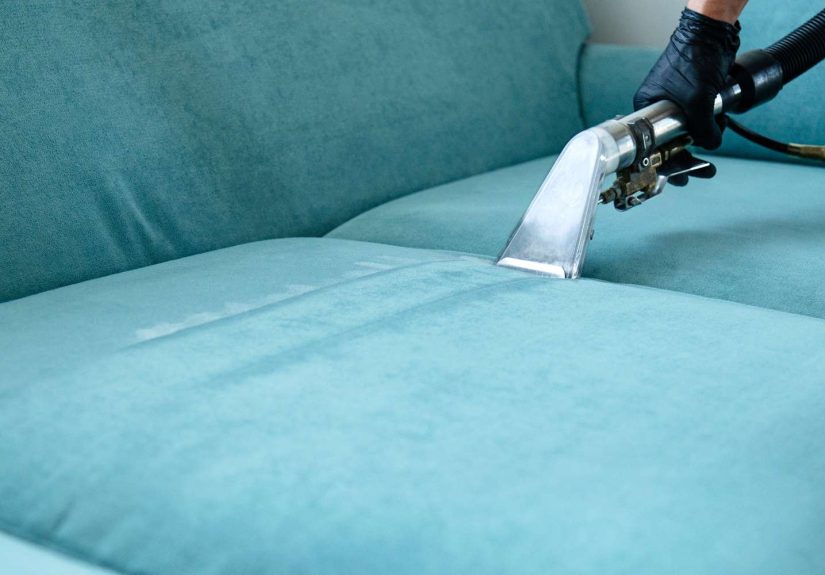
A handheld steamer can be a smart way to freshen certain upholstered pieces, especially dining chairs, durable synthetic sofas, or fabric benches that collect crumbs, body oils, and the occasional evidence of movie-night enthusiasm. Steam is not for every fabric, but on the right upholstery it can help lift odors and refresh the surface.
Why it works
Light steam can help release dirt near the surface and freshen fabric without soaking it. It is especially handy on textured upholstery where dust and lint like to settle into seams and stitching.
How to do it
Check the care tag first. Vacuum thoroughly with an upholstery attachment. Then use light passes of steam, keeping the nozzle moving. Do not drench the fabric. Follow with a clean cloth and allow the piece to dry fully before using it again. If the fabric is delicate, vintage, velvet, silk, or just suspiciously dramatic, do a spot test or skip steam altogether.
5. Mattresses and Fabric Headboards
Your mattress may look innocent, but it quietly collects dust, body oils, allergens, and all the glamorous realities of being a mattress. A handheld steamer can help freshen the surface and target seams, especially when used as part of a proper deep-cleaning routine rather than as a magical cure-all.
Why it works
Steam can help refresh the surface and may support cleaning efforts by loosening debris and helping with odor control. It is particularly useful along piping, tufting, and edges where dust gathers.
How to do it
Strip the bed, wash the bedding, and vacuum the mattress first. Then use the steamer lightly over the surface and seams. Do not saturate it. Let the mattress dry completely before remaking the bed. The same method can work on fabric headboards, as long as the material can tolerate heat and moisture.
6. Range Hood Exteriors and Greasy Kitchen Crevices
Kitchen grease is sneaky. It floats around like it owns the place, then settles on range hoods, backsplash seams, cabinet hardware, and the top edges of appliances. A handheld steamer can help loosen greasy film in these hard-to-reach spots, making wipe-down much easier.
Why it works
Heat helps soften sticky residue, which is useful on non-electrical exterior surfaces around the cooking zone. Steam is especially helpful in seams, around knobs, and on textured metal or sealed backsplashes where grease likes to cling.
How to do it
Make sure the appliance is cool and unplugged if needed. Use short bursts of steam on the exterior, then wipe with a microfiber cloth. For removable metal grease filters, follow the manufacturer’s instructions first. Steam can help with surrounding grime, but filters often still need a proper wash. Avoid spraying directly into vents, controls, or electrical components.
7. Refrigerator Gaskets and Other Rubber Seals
The rubber gasket around your refrigerator door is one of the most neglected cleaning zones in the kitchen. It traps crumbs, moisture, spills, and sticky residue in its folds, which makes it both gross and weirdly easy to ignore. A handheld steamer is useful here because it reaches into creases without requiring you to perform advanced yoga with a toothbrush.
Why it works
Steam helps loosen residue in the folds of the gasket so it can be wiped away more easily. This can help the area look cleaner and reduce buildup that tends to linger in hard-to-reach grooves.
How to do it
Use a low, controlled burst of steam along the folds, then wipe immediately with a soft cloth. Dry the gasket thoroughly so moisture does not linger. Be gentle. The goal is to clean the seal, not bully it into early retirement.
8. Pet Areas, Crates, and Feeding Stations
If you share your home with pets, you already know they bring joy, companionship, and approximately fourteen kinds of mess. Handheld steamers can help refresh sealed pet feeding mats, crate trays, metal crate bars, and the surrounding floor area where water drips, kibble dust, and paw traffic create grime.
Why it works
Steam helps loosen dried-on residue and gets into corners around crate hardware, tray edges, and textured feeding accessories. It can also reduce reliance on heavily fragranced cleaners in spaces where pets eat and rest.
How to do it
Remove food, bowls, bedding, and your extremely judgmental dog before you begin. Steam the area in short passes and wipe dry. For pet bedding or soft accessories, always check care instructions first. Never use steam on anything that could trap too much moisture or take a long time to dry.
What a Handheld Steamer Is Great At, and What It Is Not
A handheld steamer is excellent for detail work, quick refreshes, and loosening grime in tight spaces. It is great for grout touch-ups, tracks, fixtures, sealed tile, some upholstery, and kitchen crevices. It is not a replacement for every cleaning product, and it is definitely not a hall pass to steam every surface in your house like you are conducting a one-person weather event.
For example, if you are dealing with a surface that requires an EPA-registered disinfectant, follow that guidance. If a manufacturer recommends mild soap and water instead of steam, listen to the manufacturer. If a material is moisture-sensitive, believe it the first time. The best cleaning tool is the one that matches the surface, not the one that looks most dramatic in action.
My Real-Life Experience Using a Handheld Steamer Around the House
The first time I used a handheld steamer at home, I expected a miracle machine. I imagined I would wave it around for ten minutes and my house would sparkle like a commercial kitchen crossed with a luxury spa. What actually happened was more realistic, and honestly more helpful. I learned that a handheld steamer is not magic, but it does make several annoying jobs dramatically easier.
The biggest surprise was the window tracks. I had cleaned them before with an old toothbrush, paper towels, and a level of resentment usually reserved for parking tickets. With the steamer, the packed dirt softened quickly and wiped out with far less effort. It was one of those rare cleaning moments where you can actually see the machine earning its shelf space.
The second win was the shower door track. That area had a thick layer of soap scum and mineral buildup that never fully came clean, no matter how many sprays I used. Steam loosened the mess so I could lift it away in sections. I still had to wipe and repeat, but the process felt doable instead of deeply personal.
I also tested the steamer on dining chair upholstery after vacuuming first. The fabric looked fresher, smelled better, and dried surprisingly fast because I used light passes instead of overdoing it. That was a big lesson: more steam is not always better. Small bursts and patience work better than trying to turn the chair into a sauna.
The refrigerator gasket might have been the most satisfying tiny job of all. It is one of those details you do not think about until you notice crumbs and sticky buildup tucked into the folds. A little steam and a microfiber cloth cleaned it up quickly. It was a small victory, but a very smug one.
The kitchen taught me the opposite lesson. Steam was great on the greasy film around the range hood exterior and backsplash seams, but it was not a shortcut for everything. I still needed to wipe, buff, and in some places use a proper degreasing method. The steamer loosened grime; it did not teleport it into another dimension. That distinction matters.
I also became much more cautious after nearly using steam on a surface that should not have gotten that treatment. Once you start seeing results on tile and tracks, it is easy to become overconfident. Suddenly you are looking at wood trim like, “What if?” The answer is usually, “Do not.” Spot-testing and checking care instructions saved me from learning that lesson the expensive way.
Overall, my experience with a handheld steamer has been less about dramatic before-and-after moments and more about making regular cleaning more efficient. It shines in the places that are detailed, awkward, greasy, or weirdly grimy. It is especially helpful when I want to clean without heavy fragrance or when I am tackling a small zone instead of deep-cleaning the whole house. Would I use it on every surface? Absolutely not. Would I give it up now that I know what it can do to shower tracks, grout lines, chair seams, and refrigerator gaskets? Also absolutely not.
If you treat a handheld steamer like a specialized helper instead of a universal solution, it can become one of the most useful cleaning tools in your home. And unlike some trendy gadgets, this one actually earns its dramatic entrance.
Conclusion
A handheld steamer is one of the most underrated tools in a smart home cleaning routine. It can freshen upholstery, loosen grime in window tracks, tackle soap scum in shower rails, help clean small sections of grout, and make greasy kitchen crevices far less frustrating. The real secret is knowing where it works well and where it absolutely does not belong.
Use it on sealed, heat-safe surfaces. Vacuum or dust first. Keep the nozzle moving. Wipe away loosened grime right away. And whenever a material seems questionable, trust the care instructions over your cleaning confidence. Your home will be cleaner, your scrubbing arm will be less offended, and your handheld steamer may finally get the respect it deserves.