Table of Contents >> Show >> Hide
- Why Overwatering Happens So Easily
- Tip 1: Stop Watering on a Schedule
- Tip 2: Check the Root Zone, Not Just the Soil Surface
- Tip 3: Use Pots With Drainage Holes, Then Actually Let Them Drain
- Tip 4: Match the Pot and Soil to the Plant
- Tip 5: Adjust Watering for Seasons, Light, and Indoor Conditions
- Tip 6: Learn the Early Warning Signs and Rescue Fast
- A Better Watering Routine for Healthy Houseplants
- Real-Life Experiences: What Overwatering Usually Looks Like at Home
- Conclusion
Houseplants have a funny way of making us feel like excellent caregivers right up until they start dropping leaves like dramatic little actors in a soap opera. One day your pothos looks lush and smug, and the next it’s slumped over like it just got some terrible financial news. Most plant owners assume the fix is more water. Sadly, that instinct is often exactly what sends an already stressed plant into full meltdown.
If you’ve ever loved a plant a little too aggressively, you are not alone. Overwatering is one of the most common reasons indoor plants struggle. The tricky part is that overwatered houseplants often look thirsty. Leaves wilt, growth slows, and the plant seems unhappy, so people reach for the watering can again. Meanwhile, the roots are sitting in soggy potting mix, gasping for oxygen, and trying not to rot.
The good news is that learning how to stop overwatering houseplants is not complicated. It mostly comes down to observation, better habits, and accepting one uncomfortable truth: your fern does not need emotional support water every time you walk past it. Below are six practical, research-based tips to help you water smarter, protect roots, and rescue your indoor jungle before it turns into a tiny botanical swamp.
Why Overwatering Happens So Easily
Before we get to the fixes, it helps to understand the problem. Overwatering does not always mean dumping a gallon of water into a six-inch pot. Sometimes it means watering too often, using a container without drainage, choosing soil that stays wet for too long, or keeping a plant in a pot that is much too large. In every case, the result is similar: the root zone stays too wet, air spaces in the potting mix disappear, and roots start to weaken.
Once roots are damaged, the plant cannot take up water normally. That leads to classic symptoms like yellow leaves, limp growth, leaf drop, fungus gnats, mushy roots, and that awful moment when the soil is wet but the plant still looks wilted. That is why smart indoor plant care is not about watering more. It is about watering correctly.
Tip 1: Stop Watering on a Schedule
Your calendar is not a plant expert
One of the biggest mistakes people make is watering every Saturday, every three days, or whenever their phone reminder chirps like an overconfident garden coach. Plants do not use water on a fixed schedule. They use it based on light, temperature, humidity, season, pot size, root mass, and species.
A snake plant in a dim corner may sip water slowly and need long dry periods between waterings. A peace lily in bright indirect light may dry out much faster. If you water both on the same schedule, one of them is probably going to file a complaint.
Instead of following the calendar, follow the soil. Stick your finger into the potting mix, usually about an inch or two down for many common tropical houseplants. If it still feels damp, wait. If it feels dry where the roots actually live, then water. You can also lift the pot. A dry pot feels noticeably lighter than a freshly watered one. Over time, this “pot weight” trick becomes one of the fastest ways to judge how often to water houseplants.
This approach is especially useful for plants like pothos, philodendron, monstera, spider plant, and ZZ plant. They all prefer different rhythms, but none of them benefit from routine watering just because it is Tuesday.
Tip 2: Check the Root Zone, Not Just the Soil Surface
Looks dry on top? That means almost nothing
The top layer of potting mix can dry quickly while the lower half of the pot stays wet for days. That is how many overwatering disasters begin. A quick glance at the surface makes the plant look thirsty, but deeper down the roots are already sitting in a soggy mess.
To avoid this trap, test below the surface. Your finger works well for smaller pots, but a wooden chopstick or skewer is even better for taller containers. Insert it into the soil, leave it for a moment, then pull it out. If it comes out cool, dark, or damp with soil clinging to it, the mix is still holding moisture.
This matters because roots do not care whether the top quarter-inch looks dusty. They care whether the middle and bottom of the pot are staying wet for too long. Many people unintentionally create chronic moisture by adding a little splash of water too often. That keeps the surface looking cared for while the lower root zone never gets a chance to breathe.
If you want to prevent houseplant root rot, train yourself to investigate before watering. Plant parenting is less about intuition and more about mild detective work.
Tip 3: Use Pots With Drainage Holes, Then Actually Let Them Drain
Decorative cachepots are cute, but roots prefer oxygen
If your plant is sitting in a container without a drainage hole, you are playing houseplant hard mode. Water has nowhere to escape, which means the bottom of the pot can stay saturated far longer than you realize. Even worse, if a nursery pot sits inside a decorative cover pot and runoff collects at the bottom, roots may end up soaking in that extra water like they booked a swamp vacation they never wanted.
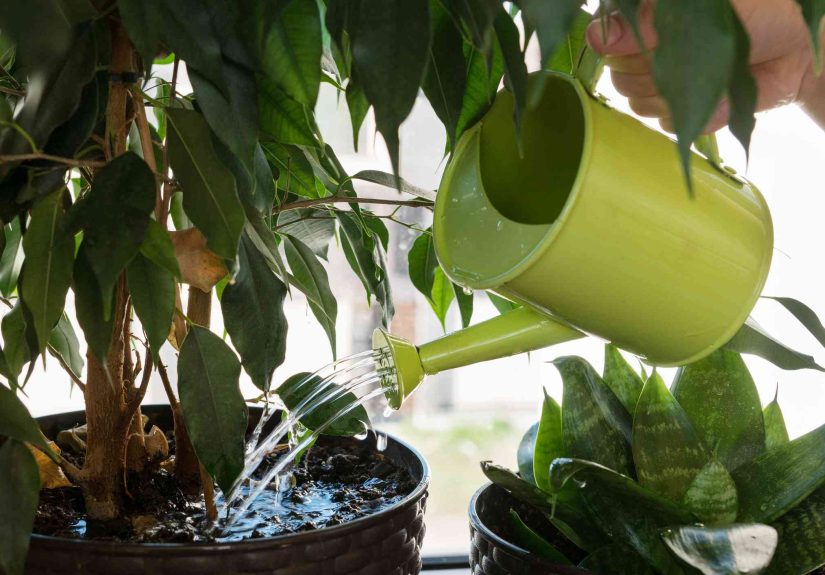
The easiest upgrade you can make is simple: keep plants in pots with drainage holes. When you water, do it thoroughly enough that excess moisture runs out the bottom. Then empty the saucer or outer pot after draining. Do not let the plant sit in runoff for hours.
This tip is especially important for plants that hate soggy conditions, such as succulents, cacti, hoyas, snake plants, and many peperomias. These plants are far more likely to forgive a missed drink than a long stay in waterlogged soil.
Terracotta pots can also help if you tend to overwater. Because the clay is porous, it allows moisture to evaporate faster than plastic or glazed ceramic. That does not make terracotta magical, but it does make it easier for heavy-handed waterers to avoid trouble.
Tip 4: Match the Pot and Soil to the Plant
A giant pot plus dense soil equals trouble
Sometimes the problem is not the amount of water. It is the setup. A plant in a pot that is too large sits in excess soil, and excess soil holds excess moisture. That extra wet mix lingers around roots that are not big enough to use it up quickly. The result is slower drying, poorer aeration, and a much higher chance of overwatering.
Choose a pot that fits the current root ball rather than the plant’s future dreams. When repotting, going up one size is usually safer than jumping several inches wider. A plant does not need a penthouse suite when it only has studio-apartment roots.
Soil also matters. Standard indoor potting mix works for many tropical plants, but some species need more drainage. Aroids often appreciate a chunkier mix with bark and perlite. Succulents and cacti need very fast-draining media. African violets, orchids, and other specialty plants often do best in mixes tailored to their needs.
If the soil stays dense and soggy, even perfect watering habits can backfire. Good watering houseplants correctly starts before the water ever hits the pot. It starts with a container and mix that allow moisture to move through, not sit there like a stubborn houseguest.
Tip 5: Adjust Watering for Seasons, Light, and Indoor Conditions
Your plant is not growing the same way year-round
Many houseplants slow down in fall and winter, especially when daylight hours shrink and indoor light becomes weaker. Slower growth usually means slower water use. If you keep watering at the same pace you used in spring, you may end up with wet soil that hangs around far too long.
This is why a plant that was perfectly happy with weekly watering in July may only need water every couple of weeks in January. Homes also change with the seasons. Heating systems dry the air, windows get colder, and light shifts. In summer, bright light and active growth often mean faster drying. In winter, the opposite is often true.
Location matters too. A plant near a bright south-facing window will use water differently than one across the room in medium light. A big monstera with lots of leaves will dry faster than a small rooted cutting. A rootbound pothos may drink fast; a freshly repotted plant in a bigger pot will dry much slower.
Instead of asking, “How often should I water this plant?” ask, “How quickly is this specific pot drying in this specific spot right now?” That question leads to much better decisions and far fewer yellow leaves.
Tip 6: Learn the Early Warning Signs and Rescue Fast
When the plant says “help,” believe it
The earlier you catch overwatering, the better the odds of recovery. Watch for yellowing lower leaves, limp growth despite wet soil, leaf drop, slowed growth, moldy-smelling mix, fungus gnats, blackened stems near the base, and roots that are brown, soft, or mushy instead of firm and pale.
If you suspect overwatering, stop adding water immediately. Move the plant to bright indirect light, improve airflow, and let the potting mix dry appropriately. If the soil is staying wet for too long or smells sour, unpot the plant and inspect the roots. Trim away mushy roots with clean scissors, keep the healthy firm roots, and repot into fresh, well-draining mix in a clean pot with drainage holes.
Do not fertilize a stressed plant right away. Damaged roots are not ready for a nutrient buffet. Let the plant recover first. Also resist the urge to “balance things out” with even more attention. Recovery usually comes from better conditions and patience, not constant intervention.
For minor cases, simply waiting longer between waterings may solve the problem. For severe cases with rot, a full rescue repot is often the smartest move. Either way, quick action can turn an “it’s over” situation into a decent comeback story.
A Better Watering Routine for Healthy Houseplants
If you want a simple rule of thumb, here it is: check first, water deeply second, drain completely third, and then leave the plant alone until it genuinely needs water again. That rhythm works better than tiny frequent sips, panic watering, or mysterious plant-parent guilt.
A healthy routine might look like this: inspect the soil, lift the pot, confirm the root zone has dried enough for that plant type, then water thoroughly until excess drains out. After that, empty the saucer and let the plant return to normal. No daily dribbles. No “just in case” top-offs. No pouring water because the leaves looked a little emotional.
That routine helps prevent not only overwatering but also inconsistent watering. It encourages stronger roots, better oxygen flow, and more reliable growth. In other words, it makes your plant care less chaotic and your houseplants a lot less dramatic.
Real-Life Experiences: What Overwatering Usually Looks Like at Home
In real homes, overwatering rarely starts with neglect. It starts with good intentions. Someone buys a beautiful new plant, places it on a shelf, names it something like Fernanda or Sir Sprouts-a-Lot, and promises to be the kind of responsible person who never forgets to water. That noble promise is often the beginning of the problem.
A common experience goes like this: the plant looks great the first week, so the owner waters again to keep the momentum going. A few days later, one leaf turns yellow. Panic sets in. More water is added because yellowing looks like thirst. Then the soil stays wet, the leaves soften, and suddenly a plant that was supposed to make the room look peaceful now looks like it has seen some things.
Another frequent scenario happens with decorative pots. The plant is still in its plastic nursery pot, placed neatly inside a stylish ceramic cover pot with no drainage. Water goes in, runoff collects below, and because everything looks tidy from the outside, the owner assumes all is well. Meanwhile, the roots are quietly marinating. By the time fungus gnats show up like uninvited party guests, the plant is already telling you the root zone has been wet for too long.
Many people also overwater after repotting. A plant gets upgraded to a much bigger container, and the extra soil holds moisture far longer than expected. The owner keeps watering based on old habits, not realizing the new pot dries at a completely different speed. What felt like normal care suddenly becomes excessive moisture.
Seasonal changes create another classic trap. In summer, a pothos in bright light may dry out quickly and seem easy to manage. Then winter arrives, growth slows, light drops, and the same weekly watering routine becomes too much. The owner has not changed, but the plant’s needs have. This is why so many houseplants decline in colder months even when their owners are trying to be consistent.
The most encouraging experience, though, is the recovery phase. Once people start checking the soil before watering, using drainage holes, and paying attention to pot weight, plant care gets much easier. Houseplants often bounce back better than expected. New leaves appear, yellowing slows down, and the plant begins to look less like a cautionary tale and more like a living thing that finally has a competent roommate.
Most plant owners who get good at watering say the same thing in the end: they stopped trying to be frequent waterers and started trying to be accurate waterers. That small shift changes everything. It turns plant care from guessing into observation, and it saves a lot of roots in the process.
Conclusion
If your houseplants are struggling, do not assume the answer is more water. In many cases, the real fix is less water, better drainage, and more patience. When you stop watering on autopilot, check the root zone, use the right pot and soil, adjust for the season, and act early on warning signs, you dramatically improve your odds of growing healthy indoor plants.
So yes, love your plants. Admire them. Rotate them for better light. Wipe their leaves if you are feeling extra devoted. But when it comes to watering, try a little restraint. Your plants do not need to be drowned in kindness. They just need the right amount of water at the right time.