Table of Contents >> Show >> Hide
- 1. Start With a Warm, Livable Color Palette
- 2. Bring In Natural Materials With Real Texture
- 3. Choose a Farmhouse Sink and Hardware That Steal the Show
- 4. Use Open Shelving and Display Storage With a Light Hand
- 5. Add a Hardworking Island That Feels Like Furniture
- 6. Layer the Lighting and Finish With Vintage-Style Details
- How to Keep the Farmhouse Look Stylish, Not Overdone
- Conclusion
- Experience: What It Really Feels Like to Bring the Farmhouse Look Into Your Kitchen
- SEO Tags
The farmhouse kitchen has had quite a run, and honestly, it deserves the applause. It is warm without being stuffy, practical without being boring, and charming without requiring you to milk a cow before breakfast. The best versions do not look like a movie set stuffed with roosters and distressed signs that say “EAT.” Instead, they feel collected, useful, and deeply inviting.
That is the real secret to a stylish farmhouse kitchen in 2026: keep the comfort, skip the clichés. Today’s best farmhouse-inspired spaces blend old and new, soften the edges with natural materials, and make room for real life. Think creamy paint, wood that actually looks like wood, lighting with character, and storage that feels relaxed instead of rigid.
If you want your kitchen to whisper “timeless country charm” instead of shouting “I panic-bought every mason jar in America,” these six ideas will get you there. Here is how to create a farmhouse look that feels fresh, functional, and ready for everything from pancake mornings to last-minute pizza nights.
1. Start With a Warm, Livable Color Palette
If farmhouse style had an official love language, it would be warm neutrals. The look works best when the room feels bright and airy but never cold. Crisp white can still play a role, but softer shades usually deliver more charm. Cream, warm white, greige, mushroom, soft taupe, muted sage, dusty blue, and gentle putty tones all fit beautifully into a farmhouse kitchen.
The reason this palette works is simple: it creates a comfortable backdrop for wood, stone, metal, and vintage accessories. In other words, it gives your kitchen the personality of a cozy weekend getaway instead of a dentist’s waiting room.
How to make it work
Paint the perimeter cabinets in a creamy white or off-white, then add depth with a contrasting island in muted green, soft blue, or weathered wood. This gives the space dimension without turning it into a color circus. If you have a small kitchen, warm white walls can help the room feel larger while still keeping the mood soft and welcoming.
You can also use the palette to modernize the farmhouse look. Rather than going full black-and-white contrast, layer subtle shades. A warm white cabinet, slightly creamier backsplash, natural oak stool, and stone countertop will create that effortless “of course this looks beautiful” effect.
The goal is not perfection. It is visual comfort. Farmhouse kitchen ideas work best when the colors look like they belong together naturally, as if the room evolved over time instead of being assembled in one overly enthusiastic Saturday shopping trip.
2. Bring In Natural Materials With Real Texture
If you want a kitchen to feel farmhouse, let the materials do some heavy lifting. Farmhouse style loves surfaces that have texture, grain, patina, and just enough imperfection to feel human. Wood, stone, brick, beadboard, shiplap, woven fiber, and handmade-looking tile all help create that grounded, lived-in mood.
This does not mean your kitchen has to look rough or unfinished. It means choosing finishes that feel tactile and honest. Butcher block countertops, white oak cabinets, reclaimed beams, soapstone-style counters, or a beadboard backsplash can instantly warm up a kitchen that feels too sleek.
Where to add texture
Start with the obvious places: flooring, island, backsplash, and ceiling details. A wood island in a room with painted cabinetry creates a classic farmhouse balance. A paneled vent hood or beadboard backsplash adds architectural character without requiring a full renovation. Even a peg rail or plate rack can introduce useful texture while staying true to the aesthetic.
Natural materials also help the kitchen age gracefully. That matters because kitchen updates are expensive, and nobody wants to remodel every time the internet declares a style “over.” Wood and stone are reliable because they feel timeless, not trendy.
If you worry that too much rustic texture could make the space feel dated, mix it with smoother elements. Pair a reclaimed wood shelf with quartz counters. Add rustic stools beneath a cleaner-lined island. Let the room feel layered, not theatrical.
3. Choose a Farmhouse Sink and Hardware That Steal the Show
Some kitchens have a statement chandelier. A farmhouse kitchen often has a statement sink. The apron-front sink remains one of the clearest ways to bring farmhouse character into the room, and for good reason. It is practical, sculptural, and instantly recognizable. It says, “Yes, I bake pies,” even if you mostly rinse berry containers and pretend you meant to meal prep.
The sink becomes even more effective when paired with the right faucet and hardware. Bridge faucets, gooseneck silhouettes, aged brass, unlacquered brass, antique bronze, polished nickel, or iron-inspired finishes all work beautifully in a farmhouse-style kitchen.
Keep the mix smart, not random
You do not need every metal finish in the store. Pick one dominant finish and one supporting finish. For example, aged brass hardware with a black range or polished nickel faucet with iron pendants. The farmhouse look is relaxed, but it still benefits from restraint.
Cabinet hardware can also do more than people think. Bin pulls, simple knobs, exposed hinges, and furniture-style details add the subtle kind of charm that makes a kitchen feel collected. If your cabinets are plain, hardware is a low-effort upgrade with surprisingly high impact.
And if replacing the sink is not in the budget, do not panic. Swapping the faucet, hardware, and sink lighting can still move your kitchen much closer to the farmhouse look without requiring demolition, tears, or a week of washing dishes in the bathtub.
4. Use Open Shelving and Display Storage With a Light Hand
Open shelving is one of the most recognizable farmhouse kitchen ideas, but it works only when you treat it like styling, not storage warfare. The best shelves make a kitchen feel relaxed and approachable. The worst shelves look like a yard sale that learned how to stack plates.
Farmhouse style embraces visible, useful items: white dishes, stacked bowls, cutting boards, cookbooks, glass jars, vintage pitchers, and everyday mugs. This helps the kitchen feel personal and lived in. It also keeps the room from looking too closed off or too formal.
What to display
Choose items you actually use and love. A small stack of stoneware bowls, a few glasses, a crock of wooden spoons, or a favorite platter can do more for the room than twenty decorative objects trying too hard. Glass-front cabinets can give you the same farmhouse softness if you prefer a little more dust protection and a little less daily shelf editing.
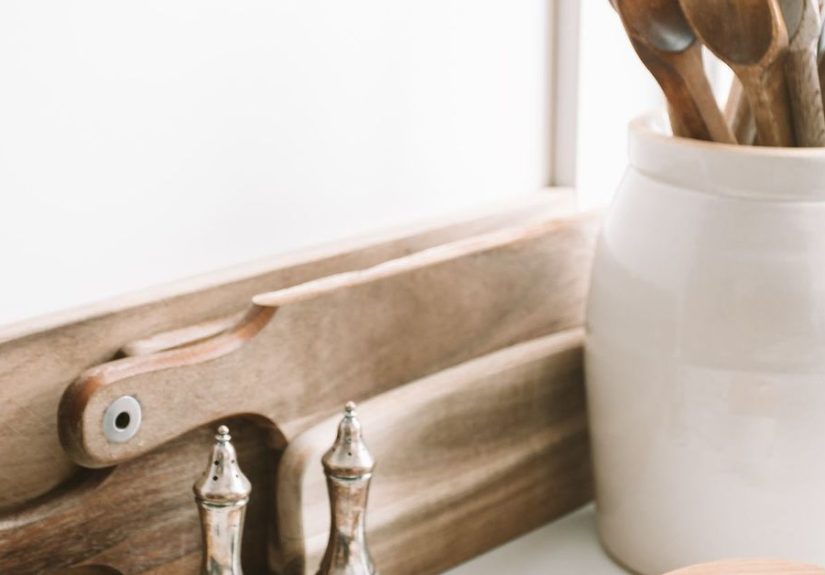
Open cubbies, plate racks, peg rails, and baskets also fit the farmhouse spirit. They bring visual looseness to the kitchen while still offering function. The key word is edited. A farmhouse kitchen should feel collected over time, not cluttered all at once.
Here is a good rule: if everything on your shelf would survive a real cooking session without needing an emotional support dust cloth, you are on the right track.
5. Add a Hardworking Island That Feels Like Furniture
Farmhouse kitchens are social kitchens. They are made for chopping vegetables, leaning with a cup of coffee, chatting while someone pretends they are “just helping,” and setting out snacks that somehow disappear before dinner. That is why a well-designed island or peninsula is such a strong farmhouse move.
The trick is making it feel more like a piece of furniture than a giant block dropped from outer space. Furniture-style legs, open end shelving, a contrasting paint color, beadboard panels, butcher block sections, or stools with woven or wood finishes all help soften the look.
Function comes first
A stylish farmhouse island should work hard. Add cookbook shelves, baskets, drawers, or hidden storage. If your kitchen is small, a narrow island cart or compact peninsula can still give you the same effect. Farmhouse style has never been only about looks. It has always had a practical backbone.
For countertops, butcher block is a classic choice because it instantly warms the room. But if you need something lower maintenance, a light quartz or natural-looking stone paired with wood stools and a paneled base can still read farmhouse without sacrificing convenience.
Do not forget seating. Simple Windsor-style stools, woven counter stools, or backless wood seats tucked under the island create the relaxed hospitality that farmhouse kitchens do so well. It should feel like people are welcome to linger, not like they need a reservation.
6. Layer the Lighting and Finish With Vintage-Style Details
Lighting is where farmhouse kitchens get their soul. Overhead task lighting is important, of course, because chopping onions in the dark is a bold lifestyle choice. But farmhouse style becomes truly inviting when you layer in softer, warmer sources of light.
Think pendant lights over the island, a statement fixture over the table, sconces near open shelves, and even a small lamp on the counter if space allows. That last one might sound unexpected in a kitchen, but it adds a cozy glow that makes the room feel more like part of the home and less like a fluorescent command center.
The details that seal the look
Once your lighting is in place, finish the room with a few vintage-inspired accents. Woven rugs, antique-style lantern pendants, striped linens, pottery, wood cutting boards, old crocks, patinaed trays, and framed art can all enhance the farmhouse feel. The word here is “few.” A little character goes a long way.
This is also where you can personalize the room. Maybe your version of farmhouse includes a blue painted island, a salvaged stool, or a row of brass hooks for linen towels. Maybe it leans modern with cleaner lines and just a whisper of rustic texture. Both can work.
The stylish farmhouse kitchen is not one rigid formula. It is a balance of comfort, utility, and charm. The room should feel warm enough for Sunday brunch and practical enough for Tuesday leftovers.
How to Keep the Farmhouse Look Stylish, Not Overdone
Before you run off to buy a vintage-looking sign about biscuits, let us pause for a gentle public service announcement: the farmhouse look is strongest when it is restrained. The most stylish kitchens borrow the best farmhouse elements without turning the room into a costume.
Avoid piling on too many themed accessories. Instead, focus on architecture, materials, color, and a few meaningful details. Real wood beats fake distressing. One beautiful pendant beats five gimmicky ones. A single antique breadboard has more charm than a dozen signs trying to explain how kitchens work.
In short, think “quietly collected,” not “gift shop near a pumpkin patch.” Your kitchen will thank you.
Conclusion
The best farmhouse kitchens are not about chasing a trend. They are about creating a room that feels welcoming, useful, and full of character. Start with warm color, layer in natural texture, let the sink and hardware make a statement, open up your storage thoughtfully, choose an island that earns its keep, and finish with lighting and details that feel personal.
Do that, and your kitchen will not just look farmhouse-inspired. It will feel like the kind of space people naturally drift toward, whether they came for dinner, coffee, or just an excuse to stand near the snacks.
And really, that is the whole point. A stylish farmhouse kitchen should look good, work hard, and make everyone a little too comfortable to leave.
Experience: What It Really Feels Like to Bring the Farmhouse Look Into Your Kitchen
One of the most interesting things about creating a farmhouse kitchen is that the transformation is not only visual. It changes how the room feels when you use it every day. A kitchen with softer paint, wood texture, warmer metals, and gentler lighting tends to slow the room down in the best possible way. Even when the dishwasher is full, the grocery bags are still on the floor, and somebody has left one lonely spoon next to the sink for no apparent reason, the space still feels calmer.
That is something homeowners often notice first. The kitchen stops feeling like a workspace only and starts feeling like part of the home’s personality. Morning coffee feels more pleasant at an island with wood stools. A simple bowl of fruit looks oddly cinematic on a butcher block counter. Open shelves encourage you to keep only the dishes you really use and enjoy. Even practical upgrades, like a deeper apron-front sink or better layered lighting, tend to make daily routines easier.
There is also an emotional side to farmhouse design that people do not always talk about. Because the style favors natural materials and collected details, it often feels more forgiving than sharper, ultra-modern kitchens. A little patina is welcome. A woven basket does not mind being useful. A vintage cutting board looks better after it has actually been used. That makes the room feel less precious and more livable, which is exactly what many families want from the busiest room in the house.
Another real-world benefit is flexibility. You do not have to renovate the entire kitchen at once to get the effect. Many people start with paint, then swap hardware, then add pendant lighting, then maybe replace the faucet or bring in a furniture-style island. Because farmhouse style is built around layering, it adapts well to phased updates and budget-friendly improvements. That makes it approachable, especially for homeowners who want a visible change without committing to a full remodel in one dramatic and wallet-threatening leap.
The most successful farmhouse kitchens also reflect the people who use them. Some lean rustic, with reclaimed wood and vintage pieces. Others lean modern, with cleaner cabinets, pale stone, and just a few country-inspired details. In both cases, the room works because it feels personal. That is what gives the style staying power. It is not about copying a picture exactly. It is about borrowing the elements that create warmth and function, then shaping them around your own habits, taste, and home.
In everyday life, that means the room earns its beauty. The island becomes homework central, buffet line, baking station, and late-night chat zone. The shelves display bowls you actually reach for. The soft lighting makes takeout feel slightly more charming than it deserves. Over time, the space gains the one thing every great farmhouse kitchen needs most: evidence of real living. And that, more than any paneling or paint color, is what makes the look feel authentic.