Table of Contents >> Show >> Hide
- Why This Pause Matters Before Anything Hits the Trash
- 1. Have I Used This Recently, and Would I Buy It Again Today?
- 2. Is It Still Useful as Is, or Could a Simple Repair Give It a Second Life?
- 3. Would Someone Else Actually Want This, or Am I Donating My Guilt?
- 4. Could This Be Reused, Repurposed, Shared, or Sold Before I Trash It?
- 5. Does This Item Need Special Handling Because of Data, Batteries, Chemicals, or Safety Risks?
- 6. Am I Throwing This Away Because It Is Truly Done, or Because I’m Tired of Deciding?
- The Smarter Rule: Trash Last, Not First
- Experiences That Make This Advice Stick
Throwing something away should be simple. You hold the item, squint at it like it personally offended you, and then decide whether it goes into the trash, the donate pile, or the mysterious “deal with later” corner that already deserves its own ZIP code. But in real life, getting rid of stuff is rarely that clean. One object can be part clutter, part guilt, part “I paid good money for this,” and part “Why do I still own a charger for a phone I had during the Obama administration?”
That is exactly why a short pause matters. Before you toss anything, asking yourself the right questions can save money, reduce waste, protect your personal information, and stop usable items from heading to the landfill just because you were in a spring-cleaning mood and listening to energetic music. In many cases, the best answer is not trash at all. It might be repair, donation, recycling, resale, repurposing, or safe special disposal.
This is not about turning every broken spatula into a moral crisis. It is about making smarter, faster decisions that keep your home lighter and your conscience quieter. Here are six questions to ask yourself before you throw something away.
Why This Pause Matters Before Anything Hits the Trash
In the United States, consumer guidance is remarkably consistent on one big point: recycling is useful, but it is not the first choice. The smarter order is to reduce what you buy, reuse what you can, repair what still has life left, donate what someone else can use, and recycle only when those options are no longer realistic. In plain English, the trash can should be the final act, not the opening scene.
That matters for more than environmental reasons. A working lamp might help a local charity. A phone might contain enough data to make an identity thief do a happy dance. An old can of paint, a dead lithium battery, or expired medication may need special handling. Even clothes and household goods that are donated should usually be clean and in good, usable condition. So yes, sometimes tossing something is the right move. But not before you ask a few better questions.
1. Have I Used This Recently, and Would I Buy It Again Today?
This question cuts through sentiment fast
Some items stay in our homes because they are useful. Others stay because they once had potential. That bread maker you used twice in 2021 is not a treasured kitchen essential; it is a countertop ghost. Asking whether you have used something recently forces you to look at its actual role in your life, not the fantasy version where you become the kind of person who makes artisanal brioche on Tuesdays.
A second filter helps even more: Would I buy this again today? If the answer is no, that is a strong clue the item is taking up space without earning it. Donation organizations often recommend this kind of practical test because it separates active value from emotional clutter. If you have not worn it, used it, or reached for it in months, it may already be telling you the answer.
What to do next
If it still works and is in decent shape, move it into a donate or sell pile. If it is broken, ask the next question before tossing it. If it is sentimental but not functional, decide whether it deserves a memory box, a photograph, or a respectful goodbye. Not every item needs to stay in your home to prove it once mattered.
2. Is It Still Useful as Is, or Could a Simple Repair Give It a Second Life?
Not everything broken is truly dead
A missing button, a loose chair leg, a lamp that needs a new shade, a backpack with a busted zipper, a coffee maker that needs descaling: these are not always trash problems. They are often tiny repair problems wearing trash costumes. One of the easiest decluttering mistakes is treating “slightly inconvenient” like “beyond saving.”
Before you throw something away, ask whether the repair is realistic. Could you fix it in under 20 minutes? Would a low-cost part solve the problem? Is there a local repair shop that could handle it for less than replacement? If the answer is yes, the item may still deserve a chance.
There is also an honesty clause here. If you have been telling yourself for eight months that you are absolutely, definitely going to repair those shoes “this weekend,” then congratulations: you are now the proud curator of a procrastination exhibit. At some point, the better choice is to donate the item to someone who repairs goods, recycle it properly, or let it go.
Use a “repair threshold” rule
A helpful rule is this: if the item is valuable, frequently used, or expensive to replace, repair it. If the repair costs more than the item is worth to you, move on. The point is not to save everything. It is to avoid replacing things that could have been rescued with one screwdriver and a tiny bit of effort.
3. Would Someone Else Actually Want This, or Am I Donating My Guilt?
Donation is great, but only when the item is truly usable
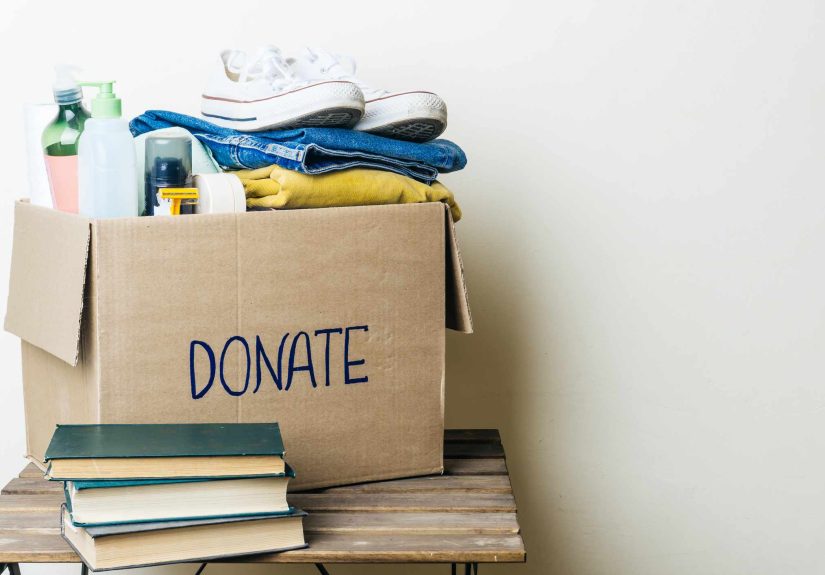
Donation is not a magical spell that turns junk into virtue. Charities and resale centers want items people can actually use, wear, or buy. In general, clothing should be clean and in good shape, furniture should be structurally sound, appliances and electronics should work, and household goods should not be missing essential parts.
This is where many people get a little too optimistic. A stained T-shirt with one surviving sleeve is not a “blessing to someone in need.” It is a future disposal problem that you handed to an overworked donation center. A safer test is simple: Would I feel comfortable giving this item directly to a friend, neighbor, or family member? If the answer is no, it probably does not belong in the donate pile.
Think condition, usefulness, and fit for the right place
Different donation centers accept different items. A home-improvement nonprofit may welcome gently used furniture, appliances, and building materials. A thrift store may want clean clothing, working small appliances, and household goods. Some items may even have resale value if they are in strong condition. And if you plan to claim a charitable deduction, condition and documentation matter too, especially for household goods and clothing.
The best donation mindset is not “Can I get rid of this?” It is “Can this help someone else?” That one shift makes your decluttering kinder and a lot less sloppy.
4. Could This Be Reused, Repurposed, Shared, or Sold Before I Trash It?
Sometimes the item is still useful, just not to you
Not every object needs to stay in your house to justify its existence. Some things are finished with your life but not finished, period. A side table might be perfect for a college student. Extra planters might suit a community garden. Leftover renovation supplies could be useful to a reuse center. Small appliances, furniture, decor, sports gear, and unopened supplies often still have value somewhere.
This is where a quick decision tree helps:
- Still useful and in demand? Sell it.
- Useful but not worth the listing hassle? Donate it.
- Useful only occasionally? Share, lend, or offer it locally.
- Useful in another form? Repurpose it.
Even a simple reuse option can keep something out of the trash. Glass jars can become storage. Old towels can become cleaning rags. A sturdy shipping box can become moving-day gold. That said, do not turn your home into a museum of containers “that might be handy one day.” Reuse should solve clutter, not create a sequel.
Beware the fantasy craft project
If your plan requires twelve future weekends, a glue gun you do not own, and the attitude of a cheerful home-renovation influencer, it may not be a real plan. It may be delay dressed up as creativity. Reuse is smart when it is immediate, practical, and realistic.
5. Does This Item Need Special Handling Because of Data, Batteries, Chemicals, or Safety Risks?
This is the question people forget until it is too late
Some items should never be tossed casually. Electronics, phones, computers, batteries, old medications, paint, cleaners, pesticides, and similar materials often require special steps. This is not red tape. It is basic protection for your privacy, your home, and your local waste system.
For phones and computers, the biggest issue is personal information. Before you sell, donate, recycle, or give away a device, back it up, sign out of accounts where needed, remove SIM or SD cards, and perform a proper reset or data wipe. Skipping that step is like donating your nightstand with your diary still in the drawer.
Batteries deserve their own paragraph because they are tiny chaos agents. Many battery recycling programs warn against putting batteries, especially lithium-based ones, in the trash or curbside recycling because they can spark fires. Store them safely and take them to an approved drop-off location.
Unused or expired medications also call for care. The safest option is usually a take-back location or mail-back option. If those are not available for certain medicines, follow official disposal guidance rather than improvising. Household hazardous waste such as paint, solvents, and pesticides may need a local hazardous-waste collection center too.
When in doubt, pause the toss
If an item contains data, power, chemicals, pressure, sharp parts, or mystery fluid, do not assume the regular trash is fine. This is one of those areas where a two-minute check can prevent a very annoying problem later.
6. Am I Throwing This Away Because It Is Truly Done, or Because I’m Tired of Deciding?
Decision fatigue is real
Sometimes an item is not trash. You are just exhausted. After an hour of decluttering, every drawer starts to look guilty. That is when people throw away instruction manuals they still need, cables that actually match a device they own, spare hardware for furniture that definitely still matters, or sentimental items they regret losing later.
Ask yourself one final question: Is this item genuinely at the end of its life, or am I in a hurry? A rushed decision often creates a second problem. You toss something useful, then replace it later for more money, more hassle, and more regret.
Create a “decide later, but not forever” box
If you are unsure, make a small quarantine box for borderline items. Label it with a date 30 days out. If you do not think about the items, need them, or miss them during that period, you have your answer. This works especially well for duplicate kitchen tools, random cords, hobby supplies, and items that feel “maybe useful” but never seem to make the varsity team.
The key is to keep the box small. A temporary decision aid is helpful. An attic full of delayed choices is just clutter wearing a trench coat.
The Smarter Rule: Trash Last, Not First
The best decluttering habit is not becoming a minimalist monk who owns one spoon and a suspicious amount of inner peace. It is simply learning to slow down before something leaves your hand. A short pause helps you ask better questions: Do I use this? Can I repair it? Could someone else use it? Is there a safer or smarter disposal method? Am I making a real decision or an impatient one?
Once you build that habit, your home gets cleaner in a better way. You spend less. You waste less. You donate better. You recycle more responsibly. You protect your private information. And most importantly, you stop treating the trash can like a universal solution for every mildly inconvenient object in your house.
That old blender, coat, charger, chair, or mystery drawer item may still be trash. But at least now it has had a fair trial.
Experiences That Make This Advice Stick
The most eye-opening part of decluttering is how often the “throw it away” impulse has very little to do with the item itself. It usually has more to do with mood, mess, or momentum. One common experience happens in the kitchen: someone pulls out a gadget that has not been touched in a year, declares it useless, and is halfway to the garbage before realizing the only thing wrong with it is a missing attachment or a crust of old residue that a proper cleaning would fix. Suddenly, the item is not trash. It is just neglected.
Closets create a different kind of drama. People often keep clothes that do not fit, do not flatter, or do not match who they are anymore, but they feel weirdly guilty tossing them. Then, when they finally ask whether they would buy that same shirt today, the answer is a very loud no. That moment is powerful. It shifts the decision from emotion to reality. Sometimes the item gets donated. Sometimes it gets recycled. Either way, it stops taking up hanger space and emotional rent.
Another familiar experience shows up with furniture and home goods. A chair with one loose screw looks finished. A lamp with a damaged shade looks doomed. A side table with a scratch suddenly gets treated like it has entered its villain era. But many people have the same surprise: once they tighten, clean, patch, or polish the piece, it is perfectly usable again. The lesson is not that everything should be saved. It is that small flaws often look bigger when a room is cluttered and your patience is running low.
Tech clutter may be the clearest example of why these six questions matter. People toss old phones into drawers for years because they know they should not trash them, but they also do not want to deal with wiping data, removing cards, or finding a recycling option. So the devices sit there like tiny digital fossils. Then one afternoon, they finally reset the phone, drop it off properly, and wonder why they delayed a 15-minute task for three years. The obstacle was not the process. It was the mental friction.
There is also the experience of donating the wrong way. Plenty of well-meaning people bag up stained linens, broken appliances, or cracked housewares thinking a charity will “figure it out.” Later they learn that donation centers need clean, working, usable goods, not extra disposal costs. That realization usually changes future habits fast. People start checking condition before bagging items, and their donation piles become smaller but much better.
Then there are the genuinely hazardous surprises: the dead lithium battery in a junk drawer, the half-full paint can in the garage, the expired medication in a bathroom cabinet. Those items teach a different lesson. Throwing something away is not always just about clearing space. Sometimes it involves safety, privacy, or local disposal rules. Once people run into that reality once, they become much more careful.
The overall experience is surprisingly consistent. The more often you pause and ask a few smart questions, the easier decluttering becomes. Decisions get quicker, regret gets rarer, and your house stops being a holding area for objects you neither use nor understand. That is the real win. You are not just getting rid of stuff. You are getting better at deciding what deserves to stay, what deserves another life, and what is truly ready to go.