Table of Contents >> Show >> Hide
- Quick map: where rib cage pain comes from
- Don’t “tough it out” if these red flags show up
- 6 possible causes of rib cage pain
- 1) Intercostal muscle strain (aka “I pulled something between my ribs”)
- 2) Costochondritis (inflamed rib cartilage near the breastbone)
- 3) Rib bruise or rib fracture (injury or “my cough tried to break me”)
- 4) Lung or pleura problems (pleurisy, pneumonia, and other “pain with breathing” issues)
- 5) Digestive causes (GERD, heartburn, and “why does pizza hate me?”)
- 6) Heart-related chest pain (angina, heart attack, and pericarditis)
- Other common contenders (because bodies love plot twists)
- How clinicians figure out what’s going on
- Safe self-care while you’re sorting it out
- Prevention tips (the unglamorous but effective stuff)
- : real-world experiences with rib cage pain
- Conclusion
Your rib cage is basically the body’s “protective packaging” for vital organssturdy, flexible, and (usually) politely silent.
So when it starts hurting, it can feel alarming… and annoyingly vague. Rib cage pain can be as minor as a pulled muscle from
an enthusiastic sneeze, or as serious as a heart or lung emergency that needs immediate care.
This guide breaks down six common causes of rib cage pain (plus a few “honorable mentions”),
how they typically feel, what makes them better or worse, and the red flags that mean you should stop Googling and get help.
It’s written for real humansnot medical textbooksand it’s designed to be easy to scan.
Quick map: where rib cage pain comes from
Rib cage pain can come from the ribs themselves, the cartilage connecting ribs to the breastbone (sternum),
the muscles between the ribs (intercostal muscles), and the lining around the lungs (pleura). Sometimes, pain you
feel near the ribs is actually “referred” from the heart, lungs, stomach, or gallbladder. Translation: the location helps,
but it doesn’t always solve the mystery by itself.
Don’t “tough it out” if these red flags show up
Rib cage pain is often harmlessbut new or severe chest-area pain should be taken seriously until proven otherwise.
Seek urgent or emergency care if you have:
- Pressure, squeezing, or tightness in the chest (especially if it lasts more than a few minutes or keeps coming back)
- Pain with shortness of breath, fainting, confusion, or a fast/irregular heartbeat
- Pain that spreads to the arm, back, neck, or jaw
- Coughing up blood, sudden one-sided leg swelling, or sudden severe pain with breathing
- High fever, chills, or a worsening cough (possible infection)
- Chest pain after significant trauma (fall, car crash) or with trouble breathing
If you’re unsure, it’s safer to get checked. Lots of conditions overlap, and medical teams would rather rule out something serious
than have you “wait and see” through a true emergency.
6 possible causes of rib cage pain
1) Intercostal muscle strain (aka “I pulled something between my ribs”)
The intercostal muscles run between your ribs and help you breathe and twist your torso. You can strain them
from lifting, throwing, sudden twisting, new workouts, or prolonged coughing (yes, coughing can count as cardiounfortunately).
The pain is often sharp or sore and may worsen with movement, deep breaths, laughing, coughing, or reaching overhead.
Clues it’s a strain: tenderness when you press the area, pain after a clear trigger (like moving furniture or a new gym routine),
and pain that flares with certain motions rather than randomly.
What usually helps: short-term rest, ice for the first day or two, heat later, gentle movement,
and over-the-counter pain relievers if safe for you. A practical trick: if coughing hurts, bracing your ribs with a pillow can reduce pain.
(Your pillow didn’t ask for this job, but here we are.)
When to get checked: if pain is severe, you can’t take a deep breath, symptoms persist beyond 1–2 weeks,
or you’re unsure whether trauma or a fracture is involved.
2) Costochondritis (inflamed rib cartilage near the breastbone)
Costochondritis is inflammation where the ribs connect to cartilage near the sternum. It can cause
sharp, aching, or pressure-like painoften on the left side, but it can happen on either side.
It may worsen with deep breathing, coughing, upper-body movement, or certain positions.
Clues it might be costochondritis: the pain is often reproducible with pressing on the chest wall near the sternum
and feels “surface-level” rather than deep. It sometimes follows a respiratory illness, heavy coughing, or physical strain.
A similar but less common condition called Tietze syndrome involves swelling at the painful spot.
What usually helps: avoiding activities that strain the chest, heat or alternating heat/ice, and anti-inflammatory medications
if appropriate. Gentle stretching or physical therapy may help in stubborn cases.
Important note: chest pain can mimic heart-related pain. If you have risk factors for heart disease or symptoms like
sweating, nausea, shortness of breath, or pain radiating to the arm/jaw, get evaluated urgently.
3) Rib bruise or rib fracture (injury or “my cough tried to break me”)
A direct hit, a fall, a sports collision, or even severe coughing can cause a rib contusion (bruise) or a fracture.
The pain is usually sharp, localized, and significantly worse with deep breaths, coughing, or moving the torso.
You might also notice swelling or bruising on the skinthough not always.
Why rib injuries matter: pain can make people breathe shallowly, which increases the risk of lung complications.
Many rib fractures heal on their own over weeks, but controlling pain and breathing well is a big deal.
What usually helps: rest, regular icing early on, and appropriate pain control so you can breathe deeply.
Some people need stronger pain relief or targeted numbing treatments. Avoid tight “rib belts” unless specifically instructed,
because restricting chest movement can backfire.
When to get checked quickly: trouble breathing, worsening pain, fever, coughing up blood, or pain after major trauma.
Also, older adults and people with osteoporosis may fracture ribs with less obvious injury and deserve a lower threshold for evaluation.
4) Lung or pleura problems (pleurisy, pneumonia, and other “pain with breathing” issues)
The pleura is a thin lining around the lungs. When it’s irritated or inflamedoften called pleurisyit can cause
stabbing pain that gets worse when you breathe in, cough, or sneeze. Pneumonia can also cause chest or rib-area pain,
often with fever, cough, fatigue, and shortness of breath.
Clues it’s lung-related: pain that clearly worsens with breathing, plus symptoms like cough, fever/chills, shortness of breath,
or feeling unusually wiped out.
Get urgent care now if you have sudden chest pain with shortness of breathespecially if you have risk factors for a blood clot
(recent surgery, long travel, pregnancy/postpartum, certain medications, or a history of clots). A pulmonary embolism
can cause sharp chest pain that worsens with deep breaths and can be life-threatening.
5) Digestive causes (GERD, heartburn, and “why does pizza hate me?”)
Digestive issues can cause pain that feels like it’s in the rib cage, especially near the center or left chest.
GERD (acid reflux) often causes a burning discomfort behind the breastbone, sometimes rising toward the throat.
It may worsen after meals, when bending over, or when lying down. Some people also get regurgitation, a sour taste, cough, or hoarseness.
Clues it’s reflux: pain after certain foods, improvement with antacids, and worse symptoms when lying flat.
But here’s the catch: reflux pain can resemble heart-related pain, and the overlap is real.
What usually helps: avoiding trigger foods (often spicy, acidic, fatty, or large late meals), staying upright after eating,
elevating the head of the bed, and using medications as advised by a clinician (like H2 blockers or PPIs when appropriate).
If symptoms are frequent, it’s worth discussing with a healthcare professional to prevent complications.
6) Heart-related chest pain (angina, heart attack, and pericarditis)
Not all heart-related pain sits politely in the center of the chest like it’s posing for a medical poster.
Heart issues can be felt as pressure, squeezing, fullness, burning, or discomfort that spreads to the shoulders, arms, back, neck, jaw, or upper belly.
Angina often occurs with exertion or stress and improves with rest. A heart attack can include sweating, nausea,
shortness of breath, and a sense that something is very wrongthough symptoms vary.
Another cause is pericarditis, inflammation of the sac around the heart. It often causes sharp chest pain that may worsen when lying down
and improve when sitting up or leaning forward.
Bottom line: if rib cage pain feels deep, heavy, pressure-like, or comes with shortness of breath, sweating, fainting,
or radiating pain, get emergency care. It’s not “being dramatic.” It’s being alive.
Other common contenders (because bodies love plot twists)
-
Shingles: pain, tingling, or burning on one side of the chest or back can show up days before a rash.
If a stripe-like rash appears, see a clinician quicklyantiviral meds work best early. -
Gallbladder issues: pain under the right rib cage or upper abdomen that can radiate to the right shoulder or back,
often after a fatty meal, sometimes with nausea/vomiting. - Anxiety/panic symptoms: chest tightness and fast breathing can mimic serious causesstill worth evaluation if new or severe.
How clinicians figure out what’s going on
A good evaluation usually starts with: where the pain is, what it feels like, what triggers it, and what symptoms travel with it (fever, cough,
shortness of breath, heartburn, dizziness, etc.). Depending on the story, a clinician might do:
- Physical exam: checking for tenderness, swelling, bruising, pain with movement or palpation
- Heart checks: ECG, blood tests, and monitoring if needed
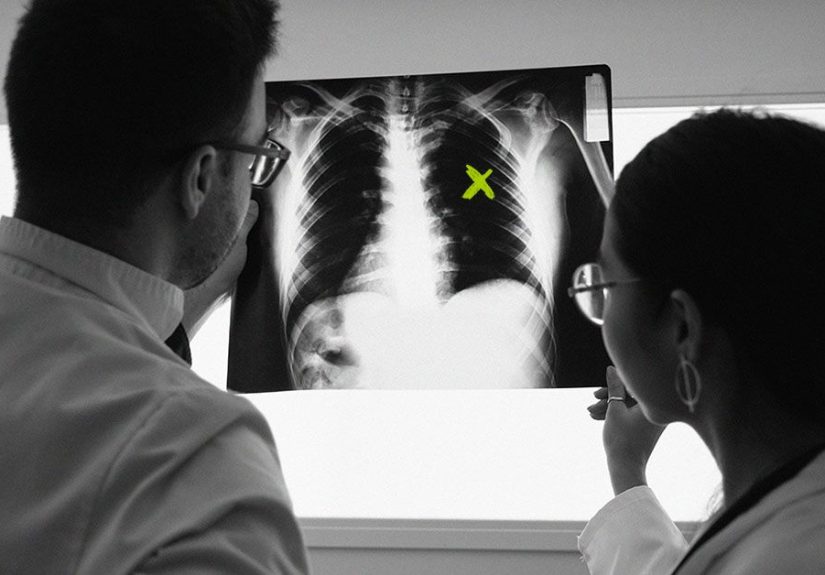
- Imaging: chest X-ray or CT for fractures, pneumonia, clots, or other concerns
- Targeted tests: based on suspected reflux, gallbladder disease, or viral conditions
The goal is not to “find one magic test.” It’s to rule out danger, then narrow down the likely cause.
Safe self-care while you’re sorting it out
- Rest the aggravating activity (but keep gentle movement so you don’t stiffen up).
- Ice early (10–20 minutes at a time), then consider heat after the first couple of days.
- Pain control mattersespecially for rib injuriesso you can breathe deeply and cough effectively.
- Posture and breathing: slow, steady breaths and avoiding slumped positions can reduce muscle guarding.
- Food timing: if reflux is suspected, avoid late meals and stay upright after eating.
If you’re taking medications or have chronic conditions, confirm what’s safe for you with a healthcare professional.
Prevention tips (the unglamorous but effective stuff)
- Warm up before workouts and increase intensity gradually.
- Use good lifting mechanics and avoid twisting under load.
- Treat coughs aggressively (with appropriate medical guidance) to reduce chest wall strain.
- If you’re prone to reflux, identify trigger foods and adjust meal timing.
- Stay current on vaccines and prevention strategies that reduce respiratory infections.
: real-world experiences with rib cage pain
People rarely describe rib cage pain in calm, poetic terms. It’s more like: “Why does breathing cost extra today?”
Here are common experience patterns clinicians hearshared here to help you recognize possibilities, not to replace medical care.
The “new workout, new regret” story: Someone tries a fresh routinerowing, boxing, heavy kettlebells, even an ambitious yoga twist.
The next day, there’s a sharp soreness between ribs that spikes when reaching, laughing, or turning in the car.
It’s tender to touch and feels very “mechanical” (it changes with movement). That pattern often fits an intercostal strain.
What helps tends to be boring but effective: a couple days of rest, gentle mobility, heat/ice, and avoiding the exact move that started the drama.
The “I had a cold and now my ribs hate me” story: After a week of coughing, the front chest near the sternum becomes sore,
sometimes on the left. Pressing certain spots recreates the pain. Deep breaths and push-ups make it worse.
That reproducible tenderness can fit costochondritis or chest wall irritation. People often worry it’s their heart (understandably),
and that’s why new chest pain should be evaluatedespecially if there are risk factors or concerning symptoms.
The “fell, bumped, now every breath is rude” story: A minor fall or sports hit doesn’t seem dramatic at first,
but later the pain is pinpoint and intense with coughing or rolling over in bed.
Rib bruises and fractures can feel similar, and many heal with time and pain control.
The key experience detail is this: when pain makes breathing shallow, people can start feeling worse overall.
If fever, worsening cough, or breathing difficulty shows up, getting checked matters.
The “this is heartburn… right?” story: Burning chest discomfort after a large meal, worse when lying down,
sometimes with a sour taste or burping, often points toward reflux. The emotional experience is usually frustration,
plus a little fearbecause chest pain is scary. If symptoms are new, intense, or come with sweating, nausea, or shortness of breath,
it’s safer to rule out heart issues first. If reflux is the culprit, people often find relief with meal timing changes,
trigger-food detective work, and clinician-guided medications.
The “pain with breathing” story: Sharp pain that stabs with deep breathsespecially with fever, cough,
or sudden shortness of breathcan signal lung or pleural issues. People describe “I can’t take a full breath” or “it hurts to inhale.”
That’s a moment to stop self-diagnosing and get evaluated, because causes range from infections to blood clots.
The common thread across these experiences is simple: patterns help, but certainty comes from proper evaluation.
Your job isn’t to be your own ER doctor. Your job is to notice red flags and get the right level of care.
Conclusion
Rib cage pain has many causes, and most are treatableoften with rest, targeted self-care, and time. But because the rib cage sits
near the heart and lungs, it’s smart to take new or severe pain seriously. Use the symptom patterns to guide your next step,
and don’t hesitate to seek care when red flags appear.
Sources synthesized from reputable U.S. medical organizations and references (e.g., Mayo Clinic, Cleveland Clinic, Johns Hopkins Medicine, CDC, NIH/MedlinePlus, American Heart Association, Harvard Health).