Table of Contents >> Show >> Hide
- 1. Rule to Ignore: Everything Has to Match
- 2. Rule to Ignore: Dining Rooms Should Be Formal
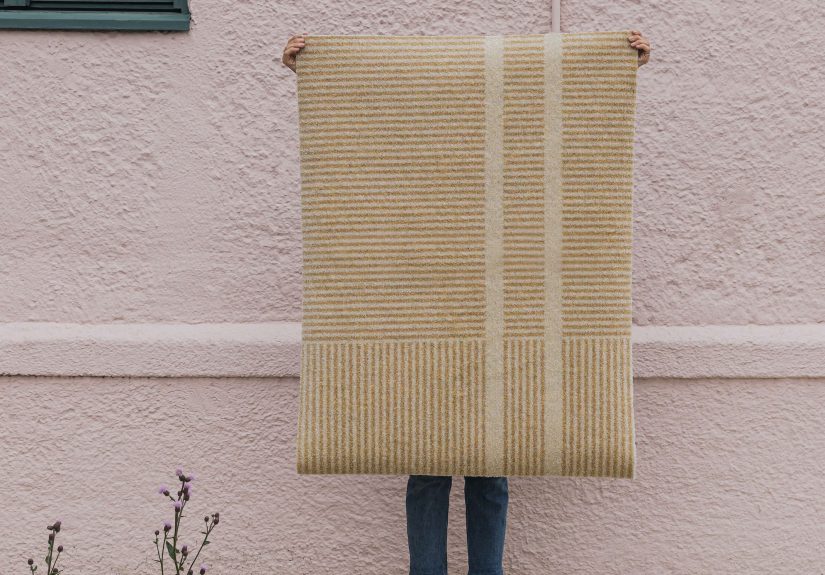
- 3. Rule to Ignore: Every Dining Room Needs an Area Rug
- 4. Rule to Ignore: All the Seating Should Be the Same
- 5. Rule to Ignore: The Table Must Sit Perfectly Centered Under One Chandelier
- 6. Rule to Ignore: Play It Safe With Art, Color, and Walls
- So What Rules Actually Matter?
- Final Thoughts
- Real-Life Experiences: What Changes When You Stop Obeying Dining Room Rules
- SEO Tags
The dining room has long been treated like the overachiever of the house: polished, proper, and occasionally so stiff it feels like the furniture is judging you. For years, homeowners were told to follow a familiar checklist. Buy the matching set. Center everything. Keep it formal. Add a rug. Hang the chandelier exactly so. Choose “safe” art and “safe” colors and, for heaven’s sake, don’t get too weird.
Designers, however, have quietly been doing something much more interesting: ignoring those rules whenever the room works better without them. That’s because the modern dining room is no longer just a place for holiday dinners and one dramatic roast chicken. It is where kids do homework, adults answer emails, friends linger over dessert, and someone inevitably ends up opening a laptop next to a bread basket. In other words, the room has a real life now.
If your dining room feels more showroom than gathering space, it may be time to borrow a page from the pros. Here are six old-school dining room design rules designers rarely follow anymoreand exactly why you shouldn’t either.
1. Rule to Ignore: Everything Has to Match
Once upon a time, buying a dining room meant purchasing the entire package: table, chairs, sideboard, and maybe a hutch, all in one neat, obedient set. It was easy, coordinated, and about as adventurous as plain oatmeal.
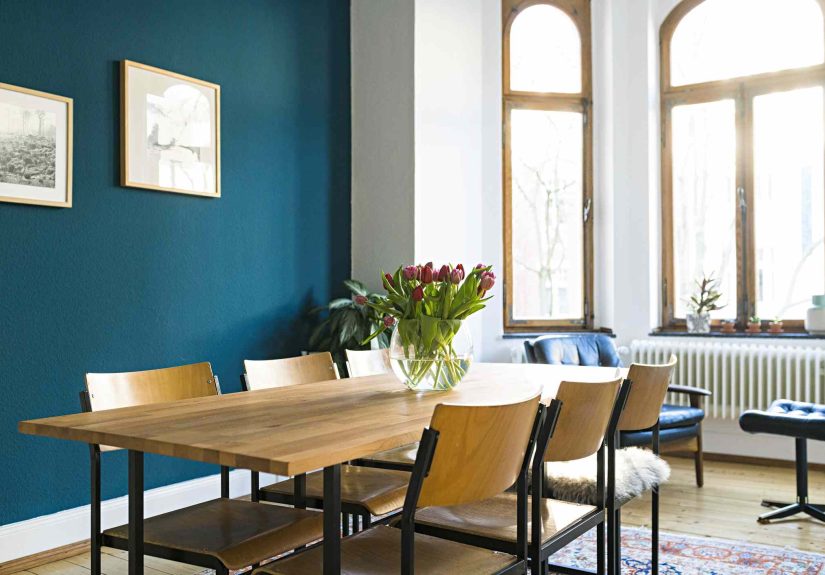
Designers have moved on. A perfectly matched dining set can make a room feel flat, overly staged, and strangely impersonal. The most memorable dining spaces feel collected, not copied and pasted from a furniture catalog. That usually means mixing wood tones, chair styles, finishes, or even eras.
What to do instead
Start with one anchor piece you love, usually the table. Then build around it. A walnut table can look fantastic with black-painted chairs, rush seats, cane backs, or even upholstered host chairs at the ends. You might pair a streamlined table with vintage chairs for warmth, or offset a traditional pedestal table with sculptural modern seating.
The goal is not randomness. The goal is character. Maybe the shapes relate, the tones complement one another, or the materials echo elsewhere in the room. A dining room should feel curated enough to look thoughtful, but relaxed enough that nobody is afraid to put down a glass of wine.
Think of it this way: when every piece matches perfectly, the room says, “I followed directions.” When materials and styles have a little conversation among themselves, the room says, “I have taste.”
2. Rule to Ignore: Dining Rooms Should Be Formal
Formal dining rooms had a glorious run. They were dramatic, ceremonial, and occasionally used about four times a year. The problem is that many homes no longer have the square footageor the lifestyleto dedicate an entire room to occasional elegance.
Designers increasingly treat dining rooms as flexible living spaces, not velvet-rope zones. A room can still feel polished without acting like it requires a dress code. Comfort, durability, and ease matter more now than formality for its own sake.
What to do instead
Design for the way you actually live. If your dining room hosts weeknight pasta, holiday brunch, school projects, and game nights, let it support all of that. Choose finishes that can handle use. Add storage for placemats, serving pieces, and the random charger cable that somehow ends up everywhere. Consider fabrics that hide wear and surfaces that can survive actual humans.
You can also soften the mood with texture. Linen drapes, warm wood, woven shades, aged brass, and low lighting all help a dining room feel inviting rather than uptight. The best rooms make people want to stay at the table after the plates are cleared. That is a design victory.
And no, “less formal” does not mean “less beautiful.” It means your dining room can finally stop pretending it belongs to a distant aunt who only serves meals on monogrammed china.
3. Rule to Ignore: Every Dining Room Needs an Area Rug
The rug debate in dining rooms is practically a contact sport. One camp says a dining room looks unfinished without one. The other camp points to crumbs, chair legs, spills, and gravity and says, “Absolutely not.”
The truth is much more designer-like: it depends.
Pros do not treat the rug as mandatory. In some rooms, it adds softness, defines the zone, improves acoustics, and makes the space feel grounded. In others, it creates frustration, especially if it is too small, too precious, or constantly catching chair legs like a tiny interior design trap.
What to do instead
Use a rug only when it genuinely improves the room. In open-concept homes, a rug can help visually separate the dining area from the kitchen or living room. In echo-prone spaces, it can reduce noise and make conversation easier. But if the room is already well defined, or if you regularly need to shift the table for extra guests, skipping the rug may be the smarter move.
If you do choose one, size matters. A rug should be large enough that chairs remain on it even when pulled back. A too-small rug does the opposite of what you want: it chops up the room and makes everyday use annoying. Flatweaves, indoor-outdoor styles, and performance materials are often the most practical picks.
If you skip the rug, compensate with other layers: statement lighting, richer drapery, art, or a beautiful floor finish. Bare floor does not have to mean bare personality.
4. Rule to Ignore: All the Seating Should Be the Same
Traditional dining etiquette loved uniform seating. Same chair, same height, same profile, same everything. It looked orderly. It also looked a little like a conference room dressed for dinner.
Designers rarely box themselves in that way anymore. Dining rooms work better when seating reflects the room’s architecture, the household’s habits, and the way people gather. Sometimes that means side chairs plus host chairs. Sometimes it means a bench on one side. Sometimes it means a banquette, a pair of armchairs, or a nearby sofa that encourages guests to spill over after dessert.
What to do instead
Prioritize comfort and flexibility. If you love long dinners, do not choose chairs that look stunning for seven minutes and then feel like a punishment. If you host often, make sure chairs fit around and under the table properly. That sounds obvious, but it is one of the most common mistakes: beautiful chairs that bump table legs, sit too high, or make movement awkward.
A practical example: use slimmer side chairs where space is tight, then place slightly more substantial armchairs at the ends. Or combine a bench with chairs to create a more casual, family-friendly layout. A built-in banquette can be especially smart in small homes because it softens the room while saving space.
The best dining rooms remember that people are not decorative objects. If the chairs are hard to move, awkward to sit in, or impossible to tuck in, the room is not working as hard as it should.
5. Rule to Ignore: The Table Must Sit Perfectly Centered Under One Chandelier
Ah yes, the sacred geometry of traditional dining rooms: one centered table, one centered chandelier, one centered arrangement, and one centered life crisis when the room dimensions refuse to cooperate.
Designers still love balance, but they are much less rigid about symmetry now. In real homes, scale, traffic flow, and how the room functions matter more than obeying a diagram. A dining room with perfect centering but terrible circulation is like a beautifully wrapped gift box with nothing inside.
What to do instead
Begin with movement. Can people walk around the table comfortably? Can they pull out chairs without colliding with walls, a sideboard, or one another? Does the table shape suit the room? A narrow rectangular room might prefer an oval or rectangle, while a square room may welcome a round pedestal table that improves circulation.
Lighting also deserves a more relaxed approach. One overhead fixture is not always enough, and it should never be the room’s entire personality. Layer the light with sconces, candles, buffet lamps, or nearby accent lighting. That creates warmth and helps the room transition from breakfast brightness to dinner-party glow.
And if the table needs to shift slightly off center for the sake of flow, so be it. A room that works beautifully will always feel more sophisticated than one that is mathematically correct but inconvenient.
6. Rule to Ignore: Play It Safe With Art, Color, and Walls
Dining rooms used to be decorating’s polite handshake: neutral walls, traditional art, one “tasteful” mirror, and maybe an accent wall if someone was feeling wild. Today’s designers are far more willing to treat the dining room like an atmospheric, personality-filled destination.
That does not mean chaos. It means the room gets to have a point of view.
What to do instead
Use the dining room to create mood. That could mean darker paint that makes evening meals feel intimate, a mural or wallpaper that wraps the room in pattern, oversized contemporary art that sparks conversation, or a dramatic ceiling treatment that draws the eye upward.
You do not have to hang every piece of art at the exact same eye-level formula, either. Designers often vary placement to create rhythm and make a room feel less rigid. Likewise, “safe” colors are not automatically better. Warm browns, moody greens, aubergines, deep blues, and layered neutrals can make a dining room feel richer and more welcoming than flat, overly cool palettes.
If you are nervous, start with one bold move. Paint the ceiling. Hang the oversized photograph. Reupholster two vintage chairs in a stripe. Swap the forgettable chandelier for something with shape and personality. Dining rooms are uniquely suited to drama because you experience them in momentsat meals, gatherings, celebrations. A little theater is not only allowed; it is often the whole point.
So What Rules Actually Matter?
Here is the funny part: designers break plenty of dining room rules, but they are not just winging it. They are replacing outdated rules with better ones.
The new dining room rules worth keeping
Make it comfortable. People stay longer in rooms that feel good.
Respect scale. A table that is too large, too wide, or too small will throw off the whole room.
Protect the flow. Easy movement matters more than rigid symmetry.
Layer the lighting. Dining rooms need atmosphere, not interrogation-room brightness.
Let it reflect real life. The room should support weeknights as beautifully as it supports holidays.
Give it personality. A dining room should feel remembered, not merely arranged.
In other words, the rules worth following are less about appearances and more about experience. That is why the best designer spaces feel effortless. They are not trying to pass a test. They are trying to make people feel something.
Final Thoughts
A great dining room is not built by checking off old design commandments. It is built by understanding how people gather, talk, linger, celebrate, snack, work, laugh, and occasionally spill something red on a chair they definitely should not have been allowed near.
So yes, mix the chairs. Skip the rug if it makes life easier. Paint the walls deeper. Choose art that has a pulse. Let the room be casual, layered, and a little unexpected. Designers do it all the time because they know something the old rulebook never did: the most beautiful dining room is usually the one people actually want to use.
And if that means your dining room looks less like a catalog and more like a story, congratulations. You are doing it right.
Real-Life Experiences: What Changes When You Stop Obeying Dining Room Rules
Once people start loosening up around dining room design, the room usually becomes more alive almost immediately. That sounds dramatic, but it is true. A dining room built around rigid rules often looks finished while somehow feeling unopened, like a beautiful notebook nobody wants to write in. The moment homeowners stop chasing perfection and start designing around experience, the entire atmosphere shifts.
Take the common example of replacing a full matching set with a mixed arrangement. On paper, that sounds like a small change. In practice, it makes the room feel less formal and more personal. A vintage side chair inherited from a grandparent, two end chairs in a different fabric, or a bench that lets kids pile in more casually can make a space feel warm in a way brand-new matching furniture rarely does. Guests notice it too. They may not say, “I appreciate the layered material palette,” but they will say, “This room feels nice,” which is really the same thing wearing sweatpants.
There is also a huge difference between a dining room designed to be looked at and one designed to be used for two or three hours at a time. Comfortable seating changes the whole evening. People relax more. They linger longer. They reach for another cup of coffee instead of quietly wondering how much longer they have to balance on a rigid wooden chair that resembles modern art more than furniture. The room begins to support conversation rather than interrupt it.
Lighting has a similar effect. Many homeowners do not realize how much one harsh overhead fixture can flatten the mood until they swap it for layered light. Add a dimmer, a pair of buffet lamps, or even a cluster of candles, and suddenly the room becomes softer, friendlier, and more flattering. No one has ever sat beneath warm, glowy lighting and said, “This is terrible. I wish I felt less charming.”
Another real-world improvement comes from letting the room be multifunctional. A once-formal dining room can become a favorite everyday spot when it includes thoughtful storage, durable finishes, and a layout that supports more than special occasions. It becomes the place for Sunday pancakes, school projects, birthday candles, takeout containers, board games, and late-night catch-up conversations. Instead of being preserved for “someday,” it starts earning its square footage daily.
Even bold choices, like darker paint, larger art, or mixed seating, tend to feel less risky once people live with them. In fact, those are often the details homeowners end up loving most. The room becomes memorable. It gets a mood. It feels intentional rather than generic. That is the real reward of breaking outdated dining room rules: not rebellion for the sake of rebellion, but a space that finally feels like it belongs to the people who live there.