Table of Contents >> Show >> Hide
- Before You Start: 5 Fast Rules That Save Time and Save the Mattress
- 1. Use a Shop Vacuum on the Exhaust Side
- 2. Try a Hair Dryer on Cool or Fan-Only ModeBut Only If Your Mattress Allows It
- 3. Make a DIY Pump Sack from a Trash Bag or Laundry Bag
- 4. Use a Bicycle Pump or Other Manual Inflator with the Right Adapter
- 5. Inflate It by Mouth as a Last Resort
- 6. Use a USB, Rechargeable, or 12-Volt Mini Inflator
- Which Method Is Best?
- Mistakes to Avoid
- How to Tell When the Air Mattress Is Full Enough
- What If It Still Goes Flat?
- Experience Section: What People Usually Learn the Hard Way
- Final Thoughts
- SEO Tags
There are two universal truths about air mattresses. First, they are incredibly handy when guests appear out of nowhere, camping plans get ambitious, or your back decides the floor is no longer part of your personality. Second, the pump will vanish exactly when you need it most. It is one of nature’s great mysteries, right up there with missing socks and Tupperware lids.
If you are staring at a flat air mattress and an empty spot where the pump should be, do not panic. You still have options. Some are surprisingly fast, some are slightly ridiculous, and one may leave you light-headed enough to start making poor karaoke decisions. But they can work.
This guide breaks down 6 clever ways to fill an air mattress without a pump, plus the safety tips that matter, the mistakes that ruin mattresses, and the real-world lessons people learn after one too many emergency sleepovers. Technically, a few of these methods use an alternative inflator, not literally thin air and optimism. But the point is simple: if the original pump is gone, dead, or hiding in a storage bin from 2022, you can still get the bed ready tonight.
Before You Start: 5 Fast Rules That Save Time and Save the Mattress
Before you try any workaround, do these quick checks first:
- Read the valve and the manual if you still have it. Some mattresses accept multiple nozzles and some do not. A bad fit means air escapes faster than it goes in.
- Do not overinflate. Air mattresses are meant for low-pressure inflation. Rock-hard is not the goal. Firm and supportive is.
- Expect a little softening with a brand-new mattress. New vinyl or similar materials can stretch during the first uses, so a quick top-off later does not always mean you have a leak.
- Keep heat out of the equation. Air mattresses and high heat are not best friends. If a method involves warm air or hot equipment, treat it with serious caution.
- Clear the area. Sharp objects, pet claws, exposed zippers, gravel, and mystery crumbs from the car trunk are all tiny villains.
Now, let’s get some air into that thing.
1. Use a Shop Vacuum on the Exhaust Side
If you have a wet/dry shop vacuum, you may already be holding the MVP of emergency air mattress inflation. Many shop vacs have an exhaust or blower port, which lets them push air out instead of sucking it in. That steady blast of air works surprisingly well for large inflatables.
How to do it
- Move the hose to the vacuum’s exhaust or blower port.
- Use a nozzle that gets as close to the mattress valve size as possible.
- If needed, make a quick adapter from a plastic bottle top, funnel, or duct tape.
- Hold the nozzle firmly at the valve and let the vacuum do the heavy lifting.
- Stop before the mattress becomes drum-tight.
Why it works
A shop vac moves a high volume of air, which is exactly what most air mattresses need. You are not trying to fill a bike tire. You are trying to fill a giant pancake made of vinyl.
Best for
Large guest mattresses, camping air beds, and situations where speed matters more than elegance.
Watch out for
Do not force a hard plastic nozzle into a delicate valve. Close enough is good. Aggressively jamming it in like you are trying to crack a safe is not.
2. Try a Hair Dryer on Cool or Fan-Only ModeBut Only If Your Mattress Allows It
This is the method people love to mention because it sounds clever and most homes have a hair dryer. In some cases, the cool or fan-only setting can move enough air to start inflating an air mattress. But here is the important plot twist: some manufacturer manuals explicitly warn against using a hair dryer at all.
So this method belongs in the “check first” category, not the “absolutely do it” category.
How to do it safely
- Confirm your mattress maker does not prohibit this method.
- Use cool air only. No heat. None. Zero. Pretend the hot setting does not exist.
- Use an adapter such as a bottle neck or rolled paper sleeve if needed to guide airflow into the valve.
- Hold the airflow at the valve and inflate gradually.
Why this method is controversial
Hair dryers are designed for heat and airflow, not inflatable bedding. Heat can damage the mattress material, and a poor fit at the valve wastes time. That is why this trick is better viewed as a cautious backup than your first choice.
Best for
Small mattresses, partial inflation, or a last-minute top-off when you have no better blower tool available.
Watch out for
If your manual says never use a hair dryer, believe it. The mattress company has probably seen enough melted regret to write that line for a reason.
3. Make a DIY Pump Sack from a Trash Bag or Laundry Bag
This is one of the smartest low-tech solutions because it uses the same basic idea as commercial pump sacks used in camping gear. You trap a big pocket of air inside a bag, then squeeze or roll that air into the valve.
What you need
- A large trash bag, dry bag, or oversized laundry bag
- Tape, rubber bands, or your hands for a temporary seal
- Something to help narrow the opening if your valve is small
How to do it
- Open the bag wide and scoop in as much air as possible.
- Quickly close the open end so the air stays trapped.
- Fit one corner or a narrowed section of the bag over the mattress valve.
- Press, hug, or roll the bag to force the trapped air into the mattress.
- Repeat until the mattress is firm.
Why it works
A large bag moves a surprising amount of air at once. It is slower than a powered tool, but it does not require electricity, batteries, or heroic lung capacity. It also helps keep extra moisture out compared with blowing directly by mouth.
Best for
Camping, road trips, power outages, and “we are absolutely not driving back home for the pump” moments.
Watch out for
Thin bags tear easily, so do not use a flimsy grocery bag unless your idea of fun is restarting the same task five times.
4. Use a Bicycle Pump or Other Manual Inflator with the Right Adapter
Yes, this is technically a pump. But it is not the missing air mattress pump, and in real life that distinction matters. If you have a bike pump, kayak hand pump, or foot inflator with a compatible adapter, you can often fill an air mattress just fine.
How to do it
- Check that the pump is appropriate for low-pressure inflatables.
- Attach the correct nozzle or adapter.
- Pump steadily, not aggressively.
- Pause every so often to test the mattress firmness by hand.
Why it works
Many air mattresses use wide valves, and several manual inflators can connect with the right nozzle. This is especially practical if you camp, bike, or keep inflatable gear around the house already.
Best for
People who want a reliable, controlled method and do not mind a little arm workout. Congratulations: you are now inflating a bed and accidentally doing cardio.
Watch out for
A high-pressure tire inflator can overdo it fast. Slow, steady air is safer than trying to turn your guest bed into a moon bounce.
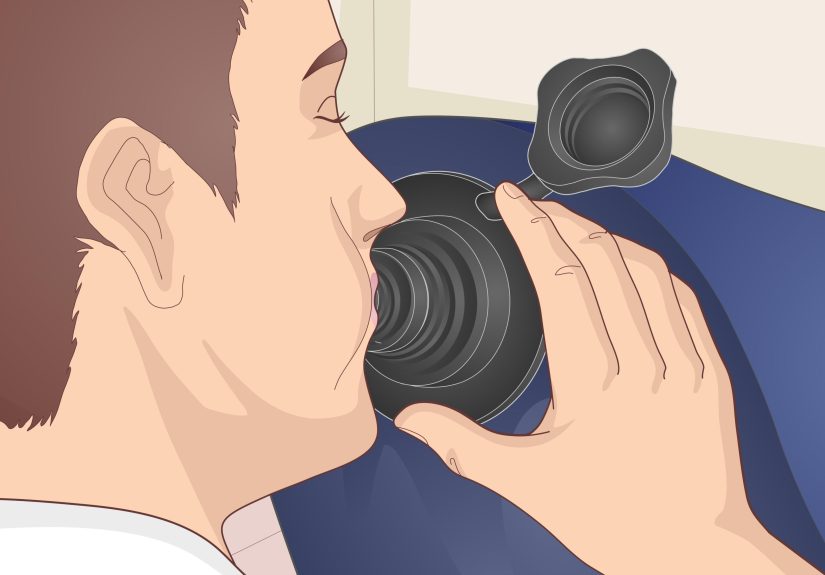
5. Inflate It by Mouth as a Last Resort
Is this glamorous? Absolutely not. Can it work? Yes, especially for smaller air mattresses, camping pads, or as a final top-off after using another method.
How to do it
- Open the valve and make sure it is clean.
- Take deep breaths and blow air in steadily.
- Close the valve between rounds if needed to keep air from escaping.
- Stop when you reach usable firmness, not perfection.
Why it works
The mattress does not care where the air comes from. It just wants the air inside. Mouth inflation is the simplest zero-tool option when nothing else is available.
The downside
It is slow, exhausting, and may add moisture inside the mattress. That is one reason outdoor gear brands often recommend pump sacks or alternative inflation methods when possible.
Best for
Emergency use, smaller inflatables, or topping off after the mattress is already mostly filled.
Watch out for
If you get dizzy, take a break. Your guests may forgive a slightly soft bed. They will be less impressed if you pass out dramatically next to it.
6. Use a USB, Rechargeable, or 12-Volt Mini Inflator
If the original pump is missing, a small travel inflator can be a lifesaver. Many compact inflators run from a USB connection, rechargeable battery, car outlet, or portable power station. That makes them especially useful for camping, car sleeping setups, and backup home use.
How to do it
- Match the nozzle to the mattress valve.
- Power the inflator from a wall plug, power bank, car outlet, or battery pack.
- Inflate in short bursts and test firmness often.
- Close the valve promptly to avoid losing air.
Why it works
These small inflators are built for convenience and portability. If you camp regularly or host guests often, keeping one in a closet or glove box is the “future you” version of being a responsible adult.
Best for
Road trips, camping, apartment living, and people who want a long-term backup solution instead of improvised chaos.
Watch out for
Not every mini inflator works with every valve. Also, tiny inflators can be slow on tall queen mattresses, so patience is part of the package.
Which Method Is Best?
Here is the honest ranking for most people:
- Fastest: Shop vacuum on blower mode
- Best no-electricity option: DIY trash bag pump sack
- Most controlled: Manual hand or bike pump with adapter
- Best backup tool to own: USB or rechargeable mini inflator
- Most exhausting: Mouth inflation
- Most conditional: Hair dryer on cool mode, only if manufacturer guidance allows it
If you just need the mattress usable tonight, the shop vac or mini inflator will usually be your best bet. If you are off-grid, the trash-bag method is smarter than it sounds and much less miserable than turning yourself into the pump.
Mistakes to Avoid
- Overinflating a new mattress. New materials can stretch. Topping off later is normal.
- Using heat. Heat can damage the material or warp the valve area.
- Using the wrong nozzle. A sloppy connection wastes time and air.
- Ignoring a slow leak. If the mattress keeps going soft, check the valve and seams before blaming your guests.
- Putting it on a rough surface. Gravel, pet hair mixed with grit, and random garage debris are not “bedding accessories.”
How to Tell When the Air Mattress Is Full Enough
A properly inflated air mattress should feel firm and supportive, but it should still have a tiny bit of give when you press on it. If it feels like a park bench wearing a vinyl jacket, you have probably gone too far.
The goal is comfort, not maximum pressure. Remember that body weight will compress the mattress a bit once someone lies down. A little flexibility is normal. A mattress that feels perfect when empty may feel too hard once it is occupied.
What If It Still Goes Flat?
If your mattress looks fine during inflation but turns into a sad tortilla by midnight, you may have a leak or a valve issue. Before assuming the mattress is done for, check these basics:
- Make sure the valve is fully closed.
- Listen for hissing around the valve and seams.
- Use a little soapy water on suspicious spots and look for bubbles.
- Patch small holes with a proper repair patch if the material allows it.
This matters because sometimes the problem is not your inflation method at all. The mattress may simply need a quick repair. That is actually good news. A small patch is cheaper than buying a new bed because your guest room had a dramatic episode.
Experience Section: What People Usually Learn the Hard Way
The funny thing about learning how to fill an air mattress without a pump is that most people do not learn it on a calm Saturday afternoon with plenty of time and a cup of coffee. They learn it at 11:47 p.m. when cousins are visiting, the guest room is already claimed, and somebody says, “Wait, where’s the pump?” in the same tone a person might use for “Where are the car keys?” or “Why is there smoke?”
In real-life situations, the first lesson is that speed beats perfection. A shop vac or alternative inflator that gets the mattress to 90% full in five minutes is usually better than a “better” method that takes half an hour and causes family members to debate sleeping arrangements like it is a reality show. Most guests are not grading the firmness with scientific equipment. They just want a decent night’s sleep and a place that is not the hardwood floor.
The second lesson is that the valve matters more than the tool. People often blame the method when the real problem is that air is escaping around a bad connection. A slightly awkward homemade adapter can work beautifully if it seals well. Meanwhile, a fancy inflator with the wrong nozzle can be useless. In practice, a good fit at the valve saves more time than almost anything else.
Another common experience is discovering that a mattress that seems “full enough” while empty may feel too soft once a person actually lies down on it. That is why experienced campers and frequent hosts often inflate the bed, let it sit for a few minutes, and then do a quick top-off. It is not paranoia. It is wisdom earned through previous nights of waking up closer to the floor than expected.
People also learn that brand-new does not always mean broken. A new air mattress can soften after the first inflation simply because the material is stretching. That can look suspiciously like a leak, especially if you are already annoyed and tired. But a top-off may solve the issue. On the other hand, if the bed keeps deflating after repeated refills, then it is time to check the seams, the valve, and the surface underneath it.
Then there is the mouth-inflation experience, which usually begins with confidence and ends with humility. It sounds manageable until you realize you are basically trying to inflate a portable bedroom using human lungs. Many people can do it, but almost nobody finishes the process feeling powerful. They finish feeling like they just climbed a hill while giving a speech.
Finally, the biggest lesson is simple: the best air mattress hack is preparation. After one emergency inflation session, most people decide to keep a mini USB inflator, a hand pump, or at least a nozzle adapter in the same storage bag as the mattress forever. That tiny habit saves a ridiculous amount of frustration later. It is not glamorous. It will never win interior design awards. But when guests arrive and bedtime gets close, it feels like genius.
Final Thoughts
If you need to fill an air mattress without the original pump, you are not out of luck. You are just entering the world of backup plans. A shop vac can be fast, a DIY bag can be clever, a manual inflator can be reliable, and even your own breath can work when absolutely necessary. The trick is choosing the safest method your mattress can handle, avoiding overinflation, and remembering that “firm enough to sleep on” is the real goal.
In other words, your missing pump is annoying, but it does not have to ruin the night. With the right workaround, your air mattress can go from flat disappointment to guest-ready comfort faster than you think.