Table of Contents >> Show >> Hide
- Why 1960s Fashion Still Works
- 1. Dress Like the Early 1960s: Polished, Ladylike, and Effortlessly Elegant
- 2. Go Full Mod: Bold, Youthful, and Instantly Recognizable
- 3. Try Beatnik and Swinging London Tailoring: Cool, Smart, and Slightly Mysterious
- 4. Embrace Late-1960s Hippie Style: Relaxed, Bohemian, and Anti-Perfection
- How to Make Any 1960s Outfit Feel More Authentic
- Conclusion
- What Wearing 1960s Style Actually Feels Like Today
- SEO Tags
The 1960s did not believe in being subtle for very long. The decade started out polished and proper, like it had somewhere respectable to be by noon, then sprinted into mod cool, artistic rebellion, and full-blown flower-child freedom by the end. That is exactly why 1960s fashion still feels so fun today: you are not stuck with one narrow costume. You get options. You get drama. You get boots.
If you want to dress like you were in the 1960s, the trick is not throwing on one random mini dress and declaring victory. The real secret is choosing which version of the decade you want to channel. Do you want Jackie-style polish? Twiggy-style mod energy? Beatnik cool? Woodstock-ready bohemian flair? Once you pick a lane, the outfit starts making sense.
This guide breaks down four easy ways to dress like you were in the 1960s without looking like you lost a bet at a costume party. We will cover the key clothing pieces, shoes, accessories, colors, and styling moves that help you capture the decade in a way that feels authentic, wearable, and a little bit fabulous.
Why 1960s Fashion Still Works
One reason 1960s style never really disappears is that the decade gave us several distinct aesthetics instead of one rigid uniform. Early in the decade, fashion still leaned elegant and structured. As the youth movement gained power, silhouettes became shorter, sharper, and more playful. Then the late 1960s loosened everything up with bohemian layers, denim, fringe, and anti-establishment attitude.
In plain English, the 1960s offered something for everyone. If you love clean tailoring, there is a look for that. If you prefer bold prints and knee-high boots, there is a look for that too. If you want to wear a turtleneck and stare thoughtfully into the distance like you are about to start a jazz trio, congratulations, the decade has you covered.
The key is building outfits around the shapes and mood of the era. Think less “pile on anything retro” and more “create a coherent vibe.” A shift dress with white boots makes sense. A pillbox hat with ripped bell-bottoms does not. The 1960s may have broken rules, but it still liked a strong visual point of view.
1. Dress Like the Early 1960s: Polished, Ladylike, and Effortlessly Elegant
If your dream version of the 1960s involves grace, structure, and the kind of composure that suggests you never spill coffee on yourself, start with the early-decade polished look. This style was refined, feminine, and tailored, with clean lines and just enough accessories to feel dressed up without becoming fussy.
Key pieces to wear
- Boxy skirt suits or matching sets
- A-line dresses or sheath dresses
- Cropped jackets
- Short gloves, pearls, or simple brooches
- Low heels, kitten heels, or polished pumps
- Structured handbags
- Pillbox hats or neat headscarves
How to style this look
Choose crisp silhouettes over clingy ones. The early 1960s favored clothing that skimmed the body instead of squeezing it for dear life. A pastel suit, a sleeveless sheath dress, or a coat with big covered buttons all work beautifully. Stick with polished fabrics and tidy details. This is not the moment for distressed denim or giant platform boots that look like they could survive a moon landing.
Colors can be soft and classic: cream, navy, blush, powder blue, lemon yellow, or black and white. Prints should stay understated. Accessories matter here, but restraint matters more. A pair of gloves, a strand of pearls, and a structured handbag can finish the outfit without making you look like you are headed to a historical reenactment brunch.
Who this style suits best
This is the easiest 1960s look to wear for weddings, brunches, work events, or polished everyday outfits. It is ideal if you love timeless clothing and want a vintage feel without going full psychedelic. It also works especially well for anyone who likes tailoring and wants a more sophisticated entry point into retro fashion.
2. Go Full Mod: Bold, Youthful, and Instantly Recognizable
If the early 1960s were all about elegance, mod fashion was the moment the decade looked in the mirror, put on eyeliner, and said, “Let’s make things interesting.” Mod style is one of the most iconic 1960s fashion trends because it embraced youth culture, graphic design, movement, and a little bit of delicious rebellion.
Key pieces to wear
- Shift dresses
- Mini skirts
- Color-block dresses
- Geometric or op-art prints
- White go-go boots or knee-high boots
- Opaque tights
- Headbands, oversized sunglasses, and statement earrings
How to style this look
The mod look thrives on clean shapes and visual punch. A simple A-line mini dress in black and white, a bright shift dress, or a skirt suit in a bold color is a great place to begin. Hemlines are shorter here, but the overall effect is still sleek rather than chaotic. The silhouette should feel young and streamlined.
Graphic prints are your best friend. Think circles, checks, stripes, or hard-edged geometric shapes. White boots instantly make the outfit read “1960s” without requiring a giant neon sign. Opaque tights help balance shorter hemlines and add that distinctly mid-decade look. Hair can be smooth and flipped, a sharp bob, or voluminous in that wonderfully sculpted way that makes modern blowouts look emotionally unprepared.
How to keep mod from looking costume-y
Pick one or two dramatic details and let them do the work. For example, pair a simple shift dress with white boots, or wear a mini skirt with a fitted mock-neck top and bold sunglasses. If you combine giant lashes, a patent mini, a plastic raincoat, six bangles, and silver boots all at once, the outfit may leave the realm of style and enter the realm of “school play about the future.”
Mod works best when it looks intentional and sharp. A little discipline makes the fun details stand out even more.
3. Try Beatnik and Swinging London Tailoring: Cool, Smart, and Slightly Mysterious
Not every 1960s outfit was bright, flashy, or covered in flowers. Another great way to dress like you were in the 1960s is to lean into the beatnik and tailored side of the decade. This look is sleeker, darker, and more intellectual, with strong lines, slim silhouettes, and a healthy appreciation for the turtleneck.
Key pieces to wear
- Black turtlenecks or fine-knit mock necks
- Slim trousers or cigarette pants
- Checked pants or narrow-cut suiting
- Collarless jackets or Nehru-inspired pieces
- Loafers, Chelsea boots, or low-heeled ankle boots
- Dark sunglasses and minimal jewelry
How to style this look
Start with a fitted turtleneck and slim pants. That combination alone can carry a huge amount of 1960s energy. Add loafers or Chelsea boots and a clean jacket, and suddenly you look like you know exactly where the best record store is. This is a strong option for men and women because it translates easily across wardrobes and still looks modern now.
For a more tailored take, try a narrow suit or cropped trousers with a knit polo or turtleneck instead of a standard shirt and tie. The fit should be trim, neat, and intentional. This is not oversized tailoring. The 1960s liked a sharper line, especially in the more urban, music-influenced style scenes.
Best colors and textures
Stick to black, charcoal, camel, cream, navy, and subtle checks. Fine knits, wool, suede, and crisp cotton all work well. If the mod look is playful and graphic, this one is more restrained and moody. It says, “I read poetry,” even if the only thing you read recently was a takeout menu.
This style is especially useful if you want to dress 1960s-inspired in everyday life without drawing too much attention. It is vintage, yes, but it is also timeless.
4. Embrace Late-1960s Hippie Style: Relaxed, Bohemian, and Anti-Perfection
By the end of the decade, 1960s fashion loosened its collar and wandered into the nearest field festival. Late-1960s hippie style rejected rigid structure and embraced self-expression, handmade details, global influences, natural textures, and a clear indifference to looking overly polished.
Key pieces to wear
- Bell-bottom jeans or flared pants
- Peasant blouses
- Fringe jackets or suede vests
- Crochet tops or vests
- Tie-dye, paisley, embroidery, or patchwork
- Layered necklaces, beads, and headbands
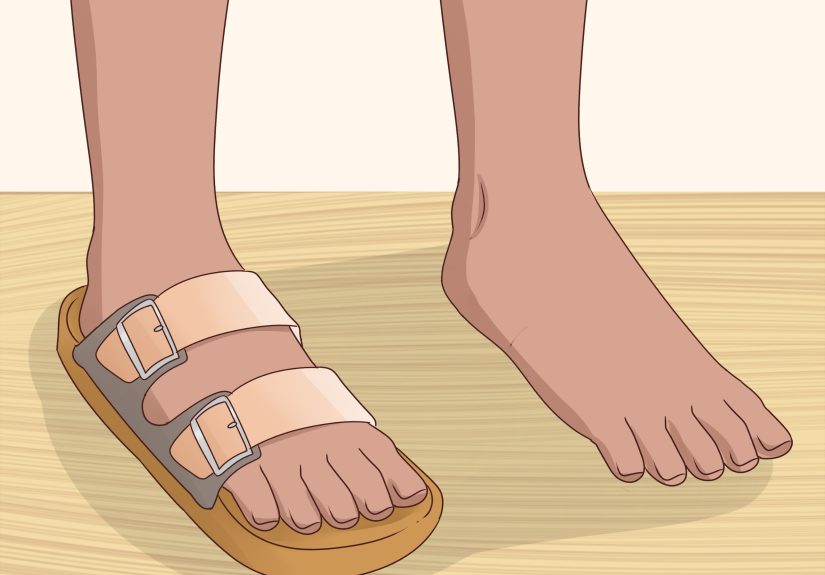
- Sandals, clogs, or worn-in boots
How to style this look
The beauty of hippie fashion is that it should not look too perfect. The outfit should feel collected, personal, and lived-in. Start with flared jeans and a loose blouse, then add a vest, a scarf, or a fringe piece. Mix textures like denim, suede, cotton, and crochet. Prints can be earthy, psychedelic, or floral, but they should still feel harmonious.
Accessories should look meaningful rather than expensive. Think beads, pendants, round sunglasses, wide belts, and headbands worn across the forehead or in the hair. Hair can be center-parted, loose, or softly waved. Makeup is usually simpler here than in mod style. The message is freedom, not precision.
How to wear hippie style now
The easiest modern version is to keep the silhouette relaxed while toning down the excess. For example, pair flared jeans with a peasant blouse and one standout accessory, like a suede vest or layered necklaces. You do not need to look like you are personally en route to Woodstock in order to capture the spirit. A little bohemian ease goes a long way.
This is also one of the most comfortable ways to dress like you were in the 1960s, which is important because historical accuracy is nice, but breathing is nicer.
How to Make Any 1960s Outfit Feel More Authentic
Pay attention to shoes
Shoes can make or break a decade-specific outfit. Pumps and low heels suit the early 1960s. White boots and knee-high styles scream mod. Loafers, Chelsea boots, and slim ankle boots support tailored or beatnik looks. Sandals, clogs, and worn boots suit hippie outfits. If the shoes are wrong, the rest of the outfit starts to wobble.
Choose one beauty direction
Hair and makeup can sharpen the decade instantly. For polished looks, think smooth hair, flipped ends, and simple makeup. For mod, go for bold eyeliner, defined lashes, or a dramatic headband. For beatnik style, keep beauty understated. For hippie looks, lean soft and natural. Matching your hair and makeup to the clothing helps the outfit feel complete.
Avoid mixing all four styles at once
This is the biggest mistake people make with 1960s fashion. A pillbox hat, mini dress, turtleneck, fringe vest, and bell-bottoms do not create “vintage.” They create confusion. Pick a style lane and commit to it. You can modernize it, soften it, or simplify it, but the outfit should still tell one clear story.
Conclusion
If you want to dress like you were in the 1960s, the smartest move is to stop thinking of the decade as one single look. It was really a fashion mood swing in the best possible sense. You can go polished and refined, sharp and mod, cool and tailored, or loose and bohemian. Each version feels unmistakably 1960s, but each one tells a different story.
The easiest way to get it right is to choose one of these four approaches, build around the right silhouette, and let the accessories support the theme. That is what makes the difference between looking inspired by the 1960s and looking like you accidentally dressed from a prop closet. When done well, 1960s style still feels expressive, playful, and surprisingly wearable. Decades later, it remains proof that fashion gets a lot more fun when people stop dressing to blend in.
What Wearing 1960s Style Actually Feels Like Today
Trying 1960s-inspired outfits in real life can be surprisingly revealing because each version of the decade changes not just how you look, but how you carry yourself. The early 1960s polished look, for example, has a way of making ordinary activities feel more composed. Put on a structured dress, a neat handbag, and low heels, and suddenly you find yourself standing straighter, speaking a little more carefully, and treating your coffee cup like it contains state secrets. There is something about those clean lines and tidy accessories that encourages a more deliberate kind of movement.
The mod look creates almost the opposite experience. It feels playful, high-energy, and impossible to ignore. A mini dress, opaque tights, and boots can make even a simple walk down the street feel like a fashion entrance. That is part of the fun. The shapes are easy to wear, but the attitude is bold. You may notice people glancing twice, not because the outfit feels old, but because mod style still reads as graphic and confident. It has a kind of visual snap that works especially well in photos, at parties, and anywhere you want to look lively instead of merely dressed.
The beatnik and tailored 1960s approach feels cooler in a quieter way. A turtleneck with slim trousers or a fitted suit has an immediate sense of intelligence and restraint. It is one of the easiest styles to translate into modern life because it does not ask for many pieces, yet it still looks intentional. This is the outfit category that often gets compliments from people who cannot quite place the era but know the look feels sharp. It is especially effective for dinners, galleries, date nights, and work settings where you want personality without noise.
The late-1960s hippie look is the most relaxed and probably the most emotionally easy to wear. Flared jeans, soft blouses, suede, fringe, and layered accessories create an outfit that feels expressive without feeling stiff. There is room for movement, comfort, and improvisation. This style often feels the least like “costume” because modern fashion still borrows from it so often. A great pair of flares and a peasant blouse can blend into current wardrobes while still nodding clearly to the era.
What many people discover, though, is that the experience of dressing like the 1960s is less about copying a decade and more about choosing an attitude. The polished look feels graceful. Mod feels fearless. Beatnik tailoring feels smart. Hippie style feels free. Once you understand that emotional side of the clothes, building outfits becomes much easier. You are not just choosing a hemline or a boot shape. You are choosing a mood.
That is also why 1960s fashion remains so appealing today. It gives you permission to be a little more expressive. It invites you to dress with intention, to enjoy silhouette, and to remember that style can be playful without being silly. In a world full of safe outfits, dressing with a little 1960s spirit can feel downright refreshing. And honestly, if your wardrobe gets more interesting in the process, the decade would probably approve.