Table of Contents >> Show >> Hide
- First: The Wine Cellar Basics (So Your Bottles Don’t Suffer a Heatwave)
- Statement-Maker Cellars (For When You Want the Room to Say “Wow” Before You Do)
- Small-Space Wine Cellar Ideas (Because Not Everyone Has a Spare Castle Wing)
- Display-First Designs (When You Want Your Collection to Look Curated, Not Crowded)
- Collector-Friendly Upgrades (Designed for Real Storage, Not Just Pretty Photos)
- Idea #19: Zone by Drinking Window
- Idea #20: Magnum and Odd-Size Cubbies
- Idea #21: Case Storage Bins (The Unsung Hero)
- Idea #22: Inventory Board or Digital Tracking Station
- Idea #23: “Library Ladder” Access
- Idea #24: Acoustic and Noise Control
- Idea #25: Smart Monitoring (Quiet Peace of Mind)
- Idea #26: The Right Door (Yes, It’s a Design Feature)
- Budget & DIY-Friendly Moves (Cool Doesn’t Have to Mean “Second Mortgage”)
- Design Notes That Make a Big Difference
- Real-World Experiences: What People Learn After the Cellar Is Finished (About )
- Conclusion: A Cellar That Shows Off and Shows Respect to Your Wine
A wine cellar is basically a museum where the art is drinkableand the security system is “please don’t let Uncle Dave wander in.” Whether you’ve got a modest dozen bottles or a collection that’s starting to require its own ZIP code, the right wine cellar design can protect your investment and turn your home into the place everyone suddenly “drops by” on Friday night.
This guide shares 30 cool wine cellar ideas you can actually useranging from small-space storage to full-on glass-walled showpieces plus practical design fundamentals so your collection ages gracefully (instead of speed-running its way to “cooking wine”).
First: The Wine Cellar Basics (So Your Bottles Don’t Suffer a Heatwave)
You can absolutely design a cellar that looks like a boutique hotel lounge. But if the environment is wrong, it’s just an expensive room where wine slowly loses the plot. Here are the non-negotiables most pros agree on:
- Keep it steady: Aim for a consistent temperature around the mid-50s °F (roughly 55°F), not “perfect sometimes.”
- Humidity matters: A comfortable range is typically around 50–70% (many builders target ~60–70%) to help corks stay healthy.
- Dark is your friend: Limit UV and harsh light; choose lighting that won’t warm the room.
- Skip the shake: Avoid vibration from appliances, slamming doors, and “that treadmill you swear you’ll use.”
- Insulate like you mean it: Good insulation and a proper vapor barrier make climate control far easier (and cheaper).
- Seal it up: A tight, insulated door (often exterior-grade) helps prevent temperature swings and humidity loss.
If you want a wine cellar that’s both gorgeous and functional, think of it like a tiny controlled ecosystem. The design details below will help you build the right environmentthen make it look cool on purpose.
Statement-Maker Cellars (For When You Want the Room to Say “Wow” Before You Do)
Idea #1: The Glass-Box Showcase
Build a glass-enclosed wine room off a dining area, hallway, or living space. It’s equal parts storage and sculptureespecially when you use label-forward racks and soft LED lighting. Tip: choose insulated glass if the cellar is fully climate-controlled.
Idea #2: Under-the-Stairs Glass Cellar
That awkward under-stair wedge? Turn it into a climate-controlled jewel box. Add a glass door, tight seals, and racking that follows the slope so every inch feels intentional instead of “we tried our best.”
Idea #3: The Spiral (Trapdoor) Cellar
A spiral cellar drops into the floor like a secret level in a video gameexcept the reward is Cabernet. It’s a dramatic solution for homes without basements, and it becomes an instant conversation piece (even before the first pour).
Idea #4: Floor-to-Ceiling Wine Wall
Go vertical with a tall display wallespecially effective behind glass. Use a mix of bins (for cases and everyday bottles) plus label-forward sections (for show). Add a rolling ladder if the rack climbs high enough to require mountaineering gear.
Idea #5: The “Hidden Room” Entrance
Put your cellar behind a sliding bookshelf, a paneled wall, or a disguised door that matches the millwork. It’s fun, theatrical, and surprisingly timeless. Bonus: it keeps curious guests from “just looking” and accidentally reorganizing your Pinot.
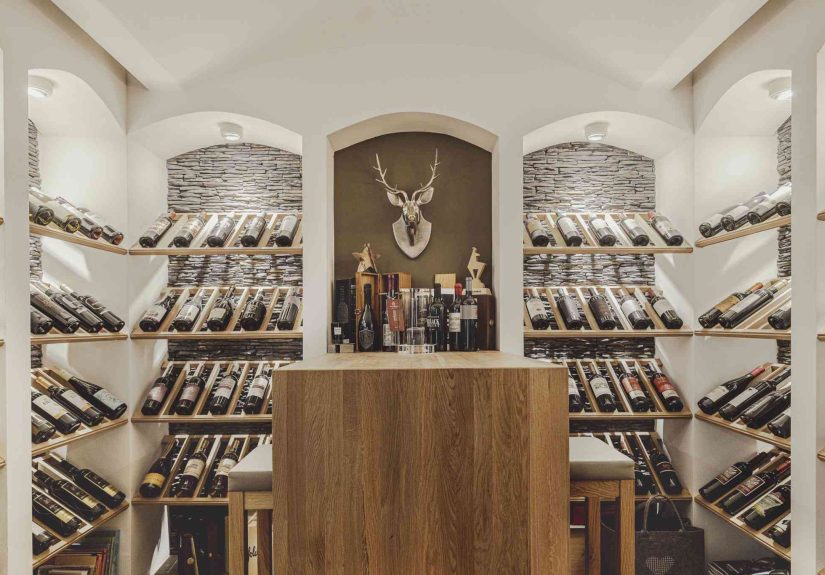
Idea #6: Archways and Ironwork
An arched entry with an iron gate instantly reads “old-world cellar,” even in a newer home. Pair with stone or brick texture and warm wood racking for a classic look that never tries too hard.
Small-Space Wine Cellar Ideas (Because Not Everyone Has a Spare Castle Wing)
Idea #7: Closet-to-Cellar Conversion
A coat closet can become a compact cellar with insulation, tight sealing, and a dedicated cooling unit (when needed). Use modular racking so you can reconfigure as your collection evolves. And yes, the coats will survive elsewhere.
Idea #8: Pantry Wine Room (The Butler’s Pantry Upgrade)
If you have a walk-in pantry or butler’s pantry, dedicate one wall to wine storage or convert the entire room into a wine pantry. Keep light minimal, add a door seal, and use racks designed for different bottle shapes.
Idea #9: Hallway Niche With Built-In Racks
A recessed niche (or a shallow bumped-out wall) can become a sleek wine display. Use enclosed storage or UV-protective glass if the area gets sunlight. It’s a great “wow moment” in a space people already walk through.
Idea #10: The Under-Counter Drawer System
For smaller collections, pull-out wine drawers in cabinetry can be shockingly practicaleasy access, cleaner sight lines, and fewer bottles playing “roll away and hide” on flat shelves.
Idea #11: The Mini Cellar With a Wine Fridge Hybrid
Combine a quality wine fridge (for precision temperature zones) with adjacent racking for room-temp storage of short-term bottles. This is a smart bridge between “I like wine” and “I alphabetize producers.”
Idea #12: The Corner Cellar
Turn a basement or bonus-room corner into a dedicated cellar with framed walls, insulation, and an insulated door. Add glass if you want it visible; add solid walls if you prefer “quiet cellar energy.”
Display-First Designs (When You Want Your Collection to Look Curated, Not Crowded)
Idea #13: Label-Forward “Gallery Row”
Label-forward racks make it easy to find bottles and look polished. Use them for special vintages, while bulk bins hold everyday bottles. It’s the same strategy museums usefeatured exhibits plus storage behind the scenes.
Idea #14: Mixed Racking Materials (Wood + Metal)
Pair warm wood bins with modern metal display rows to get texture without visual chaos. Wood feels traditional; metal feels contemporary. Together they look intentionally designed, like a good outfit with one statement accessory.
Idea #15: Backlit Bottle “Halo” Shelves
Use LED strips tucked into shelving channels so bottles glow without being blasted by heat. Keep lighting indirect and dimmable so the room can shift from “storage mode” to “tasting vibe” instantly.
Idea #16: A Tasting Ledge (Small but Mighty)
Add a slim ledge or fold-down counter for opening bottles, staging glasses, or setting down a tasting notebook. It turns a storage room into a usable wine spaceeven if the footprint is compact.
Idea #17: The Center Island (For Bigger Rooms)
A central island can include display shelves, drawers for tools, and a durable surface for tastings. Choose materials that handle spills and condensation without dramastone, sealed wood, or composite surfaces.
Idea #18: Built-In Seating (The “Stay Awhile” Cellar)
Add a banquette or two chairs in a tasting nook. Keep upholstery and finishes low-odor (wine is sensitive to smells), and consider storage under benches for accessories or case goods.
Collector-Friendly Upgrades (Designed for Real Storage, Not Just Pretty Photos)
Idea #19: Zone by Drinking Window
Create sections for “drink soon,” “age longer,” and “special occasion.” This keeps your weekday bottles accessible and your long-term bottles stable and undisturbed. It’s also how you stop losing a great bottle until it’s 10 years past peak.
Idea #20: Magnum and Odd-Size Cubbies
If you own Champagne, magnums, or wide-shouldered bottles, build dedicated spaces now. Retrofitting later is annoyinglike buying a suitcase after you’ve already packed for the trip.
Idea #21: Case Storage Bins (The Unsung Hero)
Bulk bins are efficient and keep your cellar flexible. They’re perfect for mixed cases, daily drinkers, and wines you buy in multiples. Make them deep enough for real storagenot just decorative stacking.
Idea #22: Inventory Board or Digital Tracking Station
Add a small tablet shelf, QR labels, or a chalkboard list so you can track what’s inside without pulling bottles like you’re playing a memory game. Your future self will feel personally thanked.
Idea #23: “Library Ladder” Access
For tall racking walls, a rolling ladder adds old-school charm and makes upper rows usable. It also makes selecting wine feel like you’re retrieving knowledgeexcept the knowledge pairs well with steak.
Idea #24: Acoustic and Noise Control
Cooling systems can hum. If your cellar borders a living room, consider sound-dampening strategies: thoughtful equipment placement, insulated walls, and doors that seal well so your cellar doesn’t “sing” during movie night.
Idea #25: Smart Monitoring (Quiet Peace of Mind)
Add a thermometer/hygrometer (and optional smart alerts) so you know if temperature or humidity drifts. This is especially helpful in warmer climates or homes with occasional power interruptions.
Idea #26: The Right Door (Yes, It’s a Design Feature)
A properly sealed, insulated door helps stabilize temperature and humidity. If you choose glass, look for insulated construction and consider UV-protective optionsespecially if the cellar is near daylight.
Budget & DIY-Friendly Moves (Cool Doesn’t Have to Mean “Second Mortgage”)
Idea #27: Modular Racking That Expands
Start with modular racks and grow over time. Choose systems that allow add-ons so you don’t have to replace everything when your collection “accidentally” doubles.
Idea #28: Reclaimed Wood for Warmth and Character
Reclaimed lumber can create a rustic, high-end look on a more controlled budget. Seal it properly and keep finishes low-VOC so the space stays wine-friendly.
Idea #29: Paint and Lighting as the “Luxury” Hack
Dark paint (or stained wood) plus well-placed LED lighting can make even a simple racking layout feel premium. The trick is contrast: moody background, softly lit bottles, clean lines.
Idea #30: The “Good Bones” Build (Spend Where It Counts)
If you need to prioritize, spend on the invisible essentialsinsulation, vapor barrier, sealing, and reliable coolingthen keep finishes simple. You can always upgrade trim and racks later. Fixing a bad envelope later is… not fun.
Design Notes That Make a Big Difference
Lighting: Set the Mood Without Heating the Room
Choose LEDs designed for low heat output and minimal UV. Use dimmers, and aim lights at the roomnot directly at bottle necks or labels. If the cellar is also a hangout space, layer lighting (ambient + accent) so it feels inviting without becoming a mini-sun.
Racks: Think Function First, Then Style
The prettiest racks in the world won’t help if they don’t fit your bottles. A balanced layout often includes: (1) bulk bins for cases, (2) standard bottle rows, and (3) label-forward displays for favorites. Plan for varietyyour collection probably includes more than one bottle shape, and it will only get more “interesting” over time.
Construction: The “Envelope” Is Everything
Stable wine storage starts with insulation and vapor management. Many builders recommend robust insulation values (often cited as roughly R-19 in walls and R-30 in ceilings) and placing the vapor barrier on the warm side of the wall assembly. A tight seal keeps your cooling system from working overtime and helps prevent condensation issues.
Real-World Experiences: What People Learn After the Cellar Is Finished (About )
Once a wine cellar moves from “plan” to “real room,” a few patterns show up again and againespecially for first-time builders. One of the most common lessons is that consistency beats perfection. People often start by obsessing over an exact number on the thermostat, then realize the real win is avoiding swings. A cellar that stays steady tends to protect wine far better than a space that bounces between “chilly” and “oops, it’s warm in here.”
Another big one: humidity feels abstract until it isn’t. Homeowners frequently notice the early warning signsdry corks, shrinking corks, or labels that start to look tired. That’s usually when humidity control stops being a “nice-to-have” and becomes part of the regular checklist. A simple hygrometer can turn guesswork into actual information, which is a huge upgrade for peace of mind.
Storage layout surprises people, too. The fantasy is a perfectly organized wall of label-forward bottles. The reality is that most collections include “case purchases,” duplicates, mixed packs, and bottles you’re saving for a specific moment. That’s why many seasoned collectors end up loving bulk bins more than they expected. The best-looking cellars usually hide the messy practicality in the right spots: bulk bins down low, everyday bottles within reach, and the label-forward “gallery” reserved for favorites and showstoppers.
Lighting is another sneaky teacher. People often install bright lights at firstbecause they want the space to popthen dial it back after realizing the cellar doesn’t need stadium vibes. The most satisfying setups tend to use dimmable LEDs and indirect lighting that makes the bottles glow without bathing them in heat. If the cellar is part of an entertaining space, the lighting plan can make it feel like a lounge instead of a storage closet with ambition.
Then there’s the “where do we put the equipment?” moment. Cooling systems and airflow are essential, but nobody wants a constant hum next to their tasting table. In practice, people get happiest when equipment placement is considered earlyso noise and vibration are minimized, service access is easy, and the room stays calm. Similarly, doors are underrated until you live with one: a door that seals well makes the whole cellar feel stable, while a leaky door can turn climate control into a nonstop battle.
Finally, nearly everyone wishes they’d planned for growth. Collections tend to expand faster than expectedbecause tastes evolve, friends gift bottles, and “just one more case” is a powerful sentence. A little extra rack capacity, a flexible layout, and a realistic plan for odd-size bottles can prevent the classic outcome: a beautiful cellar… plus a random overflow stack in the dining room that you swear is “temporary.”
Conclusion: A Cellar That Shows Off and Shows Respect to Your Wine
The coolest wine cellar ideas strike a balance: they look intentional, they fit your home, and they protect your bottles with steady temperature, healthy humidity, low light, and minimal vibration. Pick a layout that matches how you actually buy and drink wine, invest in the envelope (insulation, vapor barrier, sealing), and then have fun with the designglass walls, moody lighting, arches, ladders, or an under-stairs showpiece that turns “dead space” into a brag.
If you want the simplest next step: choose your location, decide whether you need full climate control, then map a rack plan that includes both display and bulk storage. Your collection will look better, age better, andmost importantlybe easier to enjoy.