Table of Contents >> Show >> Hide
- Why Cubicle Noise Feels So Much Worse Than It “Should”
- 1. Reduce Noise at the Source Before It Spreads
- 2. Improve the Cubicle’s Acoustic Environment
- 3. Use Smart Masking and Personal Focus Tools
- The Best Results Come from Layering Solutions
- Experiences from Real Cubicle Life: What Noise Actually Feels Like at Work
- Final Thoughts
Let’s be honest: cubicle noise is rarely one dramatic sound. It is usually a thousand tiny annoyances joining forces like a very unhelpful superhero team. One person is on speakerphone. Another is opening a snack bag like they are auditioning for a sound-effects studio. The printer starts groaning. Someone nearby says, “Quick question,” and suddenly your concentration packs a suitcase and leaves town.
That is why reducing office noise is not about turning your workspace into a silent monastery. It is about making the noise less distracting, less intelligible, and less constant. In other words, your goal is not total silence. Your goal is a cubicle that does not feel like a live podcast recorded inside a blender.
Research and workplace guidance have shown the same pattern for years: speech is one of the biggest distractions in shared offices, and even moderate noise can chip away at focus, privacy, and comfort. The good news is that you do not need to tear down the whole floor plan to make a real difference. With the right mix of source control, acoustic improvements, and smart personal tools, you can dramatically reduce cubicle noise and make the office feel more workable again.
Why Cubicle Noise Feels So Much Worse Than It “Should”
Before getting into the three solutions, it helps to understand why cubicle noise is so maddening. Your brain can ignore a steady hum better than it can ignore meaningful sound. That is why a basic HVAC whoosh may fade into the background, while a nearby conversation about fantasy football barges directly into your working memory like it pays rent there.
In most cubicle environments, the worst offenders are not giant industrial sounds. They are human voices, ringing phones, impromptu meetings, copiers, and small repetitive noises that break concentration over and over. The more understandable the speech is, the more likely it is to pull your attention away. That is also why “quiet enough” is not always enough. A space can seem moderately calm and still be terrible for focus if you can clearly hear every third word of your neighbor’s meeting.
So the smartest strategy is to attack cubicle noise from three angles: reduce the sound at the source, improve how the space handles sound, and use personal tools that help without frying your ears or your patience.
1. Reduce Noise at the Source Before It Spreads
The simplest way to reduce cubicle noise is also the most underrated: fix the loud stuff before it bounces around the office. This is classic workplace common sense, but it works because source control almost always beats after-the-fact coping.
Start with a mini noise audit
Walk through a normal workday and identify what is actually causing the most disruption. Many teams assume the problem is “people talking,” but the real pattern is often more specific. Maybe it is one speakerphone user in the corner. Maybe the shared printer is too close to heads-down workstations. Maybe alerts, ringtones, and desk fans are creating a low-grade orchestra of nonsense.
A quick audit often reveals that cubicle noise is not evenly distributed. One row may be quiet, while another sits next to the copier, the break area, and the office’s most enthusiastic storyteller. Once you identify the true hotspots, you can solve real problems instead of arguing vaguely about “the noise level.”
Move noisy tools and habits away from focus zones
If a printer, shredder, coffee station, or supply area sits next to a cluster of concentrated workers, that setup is basically asking for chaos. Move those shared tools to a separate zone if possible. Even a short increase in distance can help reduce the feeling that every beep, clunk, and paper jam is happening directly inside your skull.
The same principle applies to behavior. Long calls, team huddles, and speakerphone conversations should happen in enclosed rooms or designated collaboration areas whenever possible. Cubicles are fine for quick conversations. They are terrible for a forty-minute client call with dramatic pauses and phrases like “circle back offline.”
Create a few simple office rules that people will actually follow
The best noise policies are short, specific, and realistic. Nobody wants a six-page memo titled Acoustic Citizenship in the Modern Workplace. What people can handle is a short shared agreement:
- Use headphones for videos and training clips.
- Take long calls in a meeting room or phone booth.
- Keep ringers and notification sounds low or off.
- Save impromptu team discussions for collaboration zones.
- Protect one or two “quiet hours” during the day for focused work.
Those small rules can change the mood of a floor more than expensive gadgets do. Cubicle noise becomes much easier to manage when fewer sounds are being created in the first place.
Example: the printer problem
Imagine a marketing team sitting ten feet from the office printer. Every print job adds whirs, tray slams, footsteps, and mini conversations. Moving that printer to a central utility nook may seem like a tiny operational change, but it can instantly reduce repeated interruptions for everyone in that row. Sometimes the most elegant acoustic solution is simply: stop putting noisy stuff next to people who need to think.
2. Improve the Cubicle’s Acoustic Environment
Once you reduce the obvious noise sources, the next step is to make the space less echo-prone and less speech-friendly in the worst possible way. In open offices and cubicle farms, sound travels, reflects, and lingers. That is where acoustic treatment comes in.
Add more sound-absorbing materials
Hard surfaces are great if your dream office is a giant echo chamber. For everyone else, soft and sound-absorbing materials make a real difference. Fabric panels, acoustic desk screens, felt dividers, tack boards, rugs in selected areas, upholstered seating, and ceiling treatments can all help absorb sound rather than bouncing it back into the room.
This matters because reverberation makes speech travel farther and feel sharper. When the room is too reflective, one conversation can seem to hang in the air long after it should have politely disappeared. Acoustic materials reduce that bounce, which helps lower distraction and improve speech privacy.
Use barriers strategically, not randomly
A cubicle partition is not a magical force field, but placement and design still matter. Screens, higher panels in focus areas, shelving, and layout changes can help block direct sound paths and reduce visual distraction at the same time. That combination is powerful because noise feels worse when you can also see movement and activity in your peripheral vision.
If your office cannot rebuild the whole layout, even partial changes help. A modest acoustic screen between desks, a freestanding divider near a busy aisle, or a better orientation of workstations can create noticeably calmer conditions. The goal is not to build tiny castles. It is to keep every conversation from having a clear runway into every neighboring cubicle.
Do not expect plants to do all the heavy lifting
Plants are wonderful. They look good. They soften the office visually. They make people feel like the workplace may contain actual oxygen and hope. But they are not a serious stand-alone noise solution. A few desk plants will not suddenly turn your cubicle area into an acoustically balanced paradise.
Use plants for comfort and aesthetics, sure. Just do not assign them a job better handled by acoustic panels, soft finishes, smarter layout choices, and enclosed rooms for loud activity.
Create different zones for different kinds of work
One reason cubicle noise gets out of hand is that every activity happens in the same kind of space. Quiet solo work, hybrid calls, brainstorming, training videos, and casual chatting all collide in one open area. That is a recipe for frustration.
Instead, create zones. Focus zones should prioritize low distraction and speech privacy. Collaboration areas can handle conversation and group energy. Phone rooms or small enclosed spaces should absorb the loudest, longest calls. People do not need perfect silence all day. They need the right sound environment for the task in front of them.
3. Use Smart Masking and Personal Focus Tools
Now for the part people usually jump to first: headphones, white noise, and personal fixes. These can absolutely help, but they work best after you have already addressed the source and the space. Otherwise, you are basically trying to solve an office design problem with ear accessories and prayer.
Use sound masking, not random noise chaos
Sound masking is different from just blasting generic white noise. A well-designed masking system introduces unobtrusive background sound that makes speech less intelligible and less distracting. The result is not louder chaos. It is better acoustic camouflage.
When done well, sound masking can make nearby conversations fade into the background instead of grabbing your attention word by word. When done poorly, it just feels like the office added one more weird noise to the pile. That is why tuning matters. This is something facilities teams or acoustic professionals should handle, especially in larger offices.
Use headphones wisely
Noise-canceling headphones can be a lifesaver in a noisy cubicle, especially for short focus sessions. Instrumental music, nature sounds, or low-level background audio can help some people stay on task. But there is a catch: if you turn the volume up too high just to overpower the office, you may swap one problem for another.
Repeated exposure to loud audio can affect hearing over time. So use headphones as a support tool, not a volume arms race. Keep the level comfortable, take breaks, and remember that the best personal audio setup is one that helps you focus without making your ears file a formal complaint.
Reserve enclosed spaces for voice-heavy work
If your task involves a lot of talking, your cubicle may simply be the wrong place to do it. Training sessions, interviews, sensitive conversations, sales calls, and video meetings should go to a room built for speech, not a fabric-walled box surrounded by colleagues trying to finish spreadsheets.
This is not about office drama. It is about matching the space to the task. The less voice-heavy work that happens in cubicles, the quieter and more productive the whole area becomes.
Build personal focus rituals
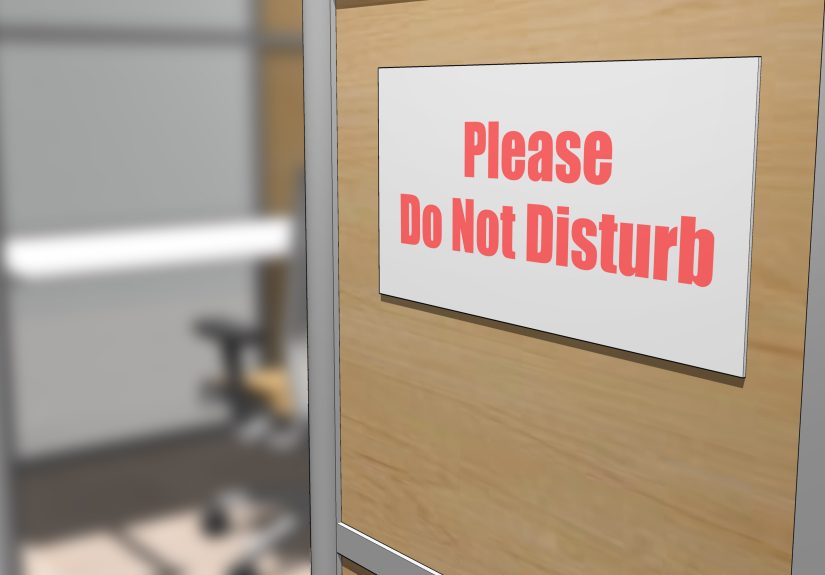
Even in a better-designed office, you still need a few habits that protect concentration. A visible “focus time” signal, calendar blocks for heads-down work, a standard reply for non-urgent interruptions, and a consistent place for quiet tasks can all help. These routines will not remove cubicle noise completely, but they reduce the mental wear and tear of constant disruption.
The Best Results Come from Layering Solutions
If you only do one thing, do source control first. If you can do two things, add acoustic treatment. If you can do all three, combine source control, better space design, and smart personal tools. That layered approach works because cubicle noise is rarely caused by one villain. It is usually a whole cast of background troublemakers.
Think of it this way: move the noisy printer, add better panels, encourage long calls in enclosed rooms, tune sound masking if needed, and use headphones at a sane volume. None of those steps is flashy on its own. Together, they can turn a distracting office into one that feels calmer, more professional, and much easier to work in.
Experiences from Real Cubicle Life: What Noise Actually Feels Like at Work
Anyone who has worked in a cubicle knows the difference between “background sound” and “I may lose my mind before lunch.” The first is manageable. The second is what happens when the office slowly becomes a soundtrack of interruptions.
A common experience starts with one harmless sound: maybe a teammate takes a quick call. No big deal. Then someone else begins a video meeting without headphones. The person across the aisle starts chatting while waiting for a file to load. A nearby phone rings twice, then again, then again because apparently voicemail is a myth. Nothing is individually catastrophic, yet the combined effect is exhausting. By 2 p.m., people are not just annoyed. They are mentally drained. That is the sneaky thing about cubicle noise. It wears you down in small pieces.
Another familiar office experience is the “serial interrupter zone.” This is the part of the floor near the printer, supplies, or coffee station, where people stop for thirty-second conversations that somehow expand into seven-minute recaps of weekends, deadlines, and mysterious parking situations. If your desk is nearby, you end up overhearing fragments of every discussion while trying to write, calculate, design, or read. It feels less like working in a cubicle and more like renting a desk inside a hallway.
Then there is the speakerphone phenomenon, which deserves its own entry in the office survival handbook. One person puts a call on speaker because it is “just easier,” and suddenly the entire row becomes a surprise participant. You hear the client, the hold music, the keyboard tapping, and the repeated phrase “Can everyone see my screen?” It creates a weird social pressure too. People around the call start whispering, hesitate to make noise, and lose focus because someone else’s meeting has temporarily taken over the whole airspace.
On the other hand, offices that make even small improvements often feel better almost immediately. Moving loud devices away from workstations, lowering notification sounds, and designating quiet hours can make the floor feel calmer within days. Adding an acoustic divider or relocating long calls to enclosed rooms may seem simple, but workers usually notice the difference fast. It is not always dramatic. Sometimes the biggest compliment is that nobody comments on the noise anymore because it has stopped being the main character.
Many employees also discover that personal strategies work better once the office itself improves. Headphones feel helpful instead of necessary. Focus blocks actually hold. Short tasks take the time they are supposed to take, instead of stretching out because attention keeps getting broken. That shift matters. When cubicle noise is reduced, work feels less like recovery from interruption and more like actual work.
In real life, the best offices are not perfectly silent. They are simply more intentional. People know where to take calls, where to collaborate, and where to focus. The space supports those choices instead of fighting them. And that is usually the real win: not an office where you can hear a pin drop, but one where you can hear yourself think.
Final Thoughts
Cubicle noise is one of those office problems that people joke about until it starts damaging focus, privacy, and patience. The fix is not one miracle product or one passive-aggressive sign taped to a divider. It is a smarter system.
Reduce noise at the source. Improve the way the space handles sound. Then add personal tools that help you focus without creating new problems. Do those three things consistently, and your office can go from distractingly loud to comfortably workable. That may not sound glamorous, but in a cubicle environment, comfortably workable is basically luxury.