Table of Contents >> Show >> Hide
A spa or hot tub is supposed to feel like a tiny vacation in your backyard, not a chemistry exam that fights back. But if you want warm, clean, crystal-clear water instead of a bubbling soup of mystery, maintenance matters. The good news is that hot tub care is not as complicated as it first appears. In fact, most owners get into trouble for one simple reason: they ignore small tasks until those small tasks become expensive, foamy, cloudy, weird-smelling tasks.
The smartest way to maintain your spa or hot tub is to focus on three things consistently: keep the water balanced, keep the filtration system clean, and follow a regular drain-and-deep-clean schedule. That’s really the game. Once you understand those three habits, spa maintenance becomes less of a headache and more of a five-minute routine that protects your investment, your equipment, and your ability to enjoy a soak without wondering what that smell is.
This guide breaks down the three best ways to maintain your spa or hot tub, with practical examples, a few reality checks, and enough spa wisdom to keep your tub from turning into a luxury swamp.
Way 1: Keep Your Spa Water Balanced and Sanitized
If hot tub maintenance had a main character, it would be water chemistry. Clear water can still be dirty, and warm water gives oils, sweat, and contaminants plenty of opportunities to cause trouble. That means your first job is making sure sanitizer levels, pH, and overall water balance stay in a healthy range.
Test the water often, not just when it looks suspicious
One of the biggest mistakes spa owners make is treating water testing like a dramatic emergency tool instead of a normal habit. You should test your hot tub water regularly, especially if the spa gets frequent use. A quick test strip check before or after use is a lot easier than trying to rescue cloudy water on a Saturday night when guests are already carrying towels.
In general, spa owners should pay close attention to:
- Sanitizer levels, usually chlorine or bromine
- pH, which affects sanitizer performance and comfort
- Total alkalinity, which helps keep pH from bouncing all over the place like a toddler on a trampoline
For many hot tubs, a practical target is a pH between 7.0 and 7.8. If you use chlorine, many U.S. maintenance guides recommend keeping it at at least 3 ppm. For bromine systems, the usual recommended range is 4 to 8 ppm. When these levels drift out of range, water can become irritating, cloudy, smelly, or less effective at staying sanitary.
Understand what bad water balance actually does
Low pH water is acidic. It can irritate skin and eyes, wear down components, and encourage corrosion over time. High pH water can make sanitizer less effective and often leads to dull or cloudy water. Meanwhile, unstable alkalinity can make pH correction feel like trying to nail jelly to a wall. You fix one thing, and another number drifts away.
This is why experienced hot tub owners learn a simple order of operations: adjust alkalinity first if it is off, then fine-tune pH, then check sanitizer. That approach makes water balancing much more predictable.
Shock the water before the water shocks you
Sanitizer does the everyday cleanup, but shock treatment helps oxidize the extra gunk that builds up from body oils, lotions, sweat, and general human existence. If your spa gets regular use, weekly shocking is a solid habit. It is also smart after heavy use, parties, or any time the water starts looking dull or smelling stronger than usual.
Think of shocking as hitting the reset button before the problem becomes visible. Many owners wait until the water looks tired. By then, the water has already filed a complaint.
Use simple habits that make chemical balance easier
You can reduce your chemical workload with a few boring but powerful habits:
- Shower or rinse off before getting in
- Avoid heavily lotioned skin, hair products, and detergent-heavy swimsuits
- Keep the cover on when the spa is not in use
- Remove leaves and debris quickly
- Do not overload the spa with too many bathers too often
Every person who enters your hot tub brings in sweat, oils, skin products, and tiny contaminants. Warm water concentrates all of that faster than a swimming pool does. Good spa water care is not only about adding chemicals. It is also about reducing the mess before it gets in.
Don’t ignore temperature and safety basics
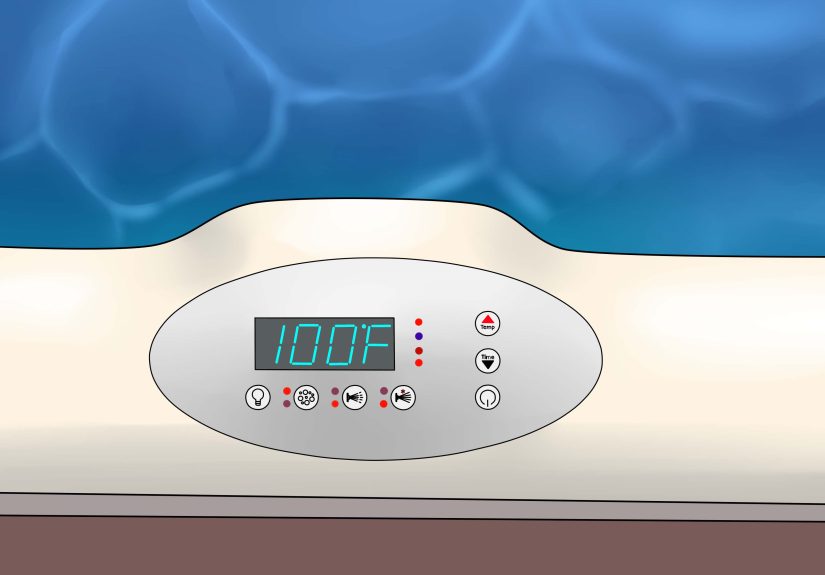
Maintenance is not only about clarity. It is also about safe operation. A hot tub should generally not run above 104°F. Water that is too hot can create safety concerns, especially during longer soaks. So while you are testing sanitizer and pH, glance at the temperature too. It takes two seconds and saves you from accidentally turning “relaxing soak” into “why do I feel like a steamed dumpling?”
Way 2: Clean the Filters, Shell, and Equipment on a Routine Schedule
If balanced water is the heart of hot tub maintenance, filtration is the lungs. Your filter works constantly to trap the tiny stuff you would rather not think about. When the filter gets dirty, everything gets harder. Water loses sparkle, sanitizer works less efficiently, circulation suffers, and your equipment has to work overtime.
Rinse your filters regularly
Most spa owners should rinse their filters on a routine basis using a garden hose. This removes debris, oils, and buildup from the pleats so water can pass through more effectively. Depending on how often you use your hot tub, a light rinse every week or every few weeks can make a real difference.
It is one of those tasks that feels too simple to matter, which is exactly why people skip it. Then, three weeks later, they are standing over cloudy water asking the universe for answers. The filter had the answer the whole time.
Do a deeper filter clean every month or so
A quick rinse is great for maintenance, but eventually your filter needs a deeper cleaning. Oils and fine particles can cling to the filter media even after a hose rinse. A monthly soak with a spa-approved filter cleaner helps restore performance and keeps the filtration system from becoming the weak link in your hot tub care routine.
Always follow your manufacturer’s instructions, because different hot tub models and filter types may have slightly different recommendations. The general rule is simple: if your filter looks tired, smells odd, or never seems to rinse clean anymore, it is probably asking for either a proper soak or retirement.
Keep the shell, waterline, and cover clean
Hot tub maintenance is not only about what is floating in the water. It is also about the surfaces that touch that water every day. Wipe down the shell and waterline regularly with a soft cloth or non-abrasive sponge. Use spa-safe cleaning products rather than harsh household cleaners that could damage surfaces or create unwanted foam later.
Your spa cover deserves attention too. It keeps out debris, helps retain heat, and protects water quality when you are not using the tub. A dirty or waterlogged cover can shorten its life and make your spa work harder to stay warm. Clean it periodically and check for cracks, sagging, or excess weight from absorbed moisture.
Watch for early signs of equipment trouble
Routine cleaning gives you a chance to notice small problems before they become expensive ones. While checking filters or wiping the shell, pay attention to:
- Weak jet pressure
- Unusual pump noises
- Cloudy water that returns quickly
- Persistent foam
- Leaking around fittings or cabinet areas
- Slow heating or inconsistent temperature
These issues do not always mean something major is wrong, but they often point to poor filtration, chemical imbalance, clogged components, or wear that should be addressed early. A hot tub is pretty good at sending warnings. Owners just have to stop walking past them.
Make maintenance easier with a short checklist
If you want spa care to feel manageable, stop relying on memory. Use a simple checklist:
- Before or after use: test water, add sanitizer if needed, check for debris
- Weekly: shock water, wipe the waterline, inspect the cover
- Every few weeks: rinse filters thoroughly
- Monthly: deep-clean filters and inspect equipment
A hot tub that is maintained in small steps almost always behaves better than one that gets a dramatic rescue operation once a season.
Way 3: Drain, Refill, and Deep Clean Your Spa on Time
Even if you balance the water beautifully and keep the filters clean, spa water does not last forever. Over time, dissolved solids, chemical byproducts, body oils, and leftover residues build up. Eventually, the water becomes harder to manage no matter how much testing and adjusting you do. That is your cue to drain and start fresh.
Know when it’s time to drain the hot tub
For many traditional chlorine or bromine systems, a full drain and refill every three to four months is a practical guideline. Some owners may stretch or shorten that schedule depending on use, bather load, climate, and water care system. But if your water becomes unusually difficult to balance, smells off, foams constantly, or looks tired no matter what you do, it is probably done negotiating.
Fresh water is sometimes the cheapest fix. Owners often waste time and chemicals trying to revive water that has already reached its breaking point.
Deep cleaning should be more than “empty and hope”
When you drain your spa, use the opportunity wisely. A proper deep-clean cycle often includes:
- Flushing plumbing lines if recommended for your system
- Turning off power before draining
- Draining the spa completely
- Cleaning the shell and jets with spa-safe products
- Cleaning or replacing filters
- Cleaning the cover and cabinet exterior
- Refilling with fresh water and rebalancing chemistry
This process helps remove buildup that daily maintenance cannot fully handle. It also gives your spa a clean slate, which makes water balancing easier for the next cycle.
Refill carefully and rebalance from scratch
After refilling, do not assume the water is ready just because it looks fresh. Fill water can contain minerals, metals, or imbalances of its own. Once the spa is full, run the circulation system and test the water again. Then adjust alkalinity, pH, and sanitizer in the correct order. Let the water circulate between adjustments rather than dumping in everything at once like you are making a suspicious backyard potion.
Patience here pays off. The first hour after a refill can set the tone for the next several weeks of maintenance.
Match your schedule to real-life use
Some hot tubs get used twice a month by two careful adults. Others host kids, neighbors, weekend guests, and the occasional person who says, “I didn’t shower, but it’s probably fine.” Those two spas will not need the same maintenance rhythm.
If your hot tub sees frequent traffic, heavy bather loads, or year-round use, you may need more frequent testing, more frequent shock treatments, and faster drain intervals. If usage is lighter and you stay disciplined with routine care, your maintenance may be more relaxed. The point is not to chase a perfect universal schedule. The point is to build one that fits your actual spa life.
Real-World Experiences With Spa and Hot Tub Maintenance
One of the funniest things about owning a spa or hot tub is how quickly people go from “This will be relaxing” to “Why am I learning about alkalinity at 9:30 p.m. on a Tuesday?” The ownership experience is usually a mix of comfort, routine, and a few lessons you only learn the hard way.
For many first-time owners, the biggest surprise is how small habits shape everything. The hot tub that stays clean is usually not the one with the most expensive chemicals. It is the one owned by someone who checks the water consistently, rinses the filter before it looks tragic, and pays attention when the cover starts showing wear. In other words, maintenance success usually looks boring. That is a compliment.
A common experience is the “cloudy water panic.” The water looked perfect on Friday, and by Sunday it seems vaguely haunted. Usually the cause is not mysterious. It is a combination of heavy use, low sanitizer, dirty filters, and maybe one person who entered the spa carrying enough lotion to moisturize a small county. Owners who go through this once usually become much better at pre-soak habits and weekly shocking.
Another very real experience is discovering that a hot tub responds better to consistency than heroics. Dumping in extra chemicals after neglect rarely works as well as simple routine care. Many long-time owners say the same thing in different words: five minutes of maintenance today is better than two frustrated hours next week. That may not sound glamorous, but neither does draining a foamy tub before a family gathering.
There is also the seasonal learning curve. In cooler months, people tend to use the spa more often, which means sanitizer demand rises and filters get dirty faster. In warmer months, debris, sunscreen, and heavier outdoor activity can create a different kind of maintenance challenge. Owners who adapt to these changes usually enjoy their spa more because they stop expecting the water to behave the same way in every season.
Experienced hot tub owners also become surprisingly loyal to their routines. They know where the test strips live. They have a preferred day for filter rinsing. They can spot the difference between healthy clear water and “clear, but something is plotting.” That confidence does not come from memorizing chemistry charts. It comes from repetition.
And then there is the reward side of the experience, which is why any of this maintenance is worth doing. A well-maintained spa feels easy. The water is clear, the smell is mild, the jets are strong, and the whole system feels ready when you are. There is no scrambling, no chemical guessing, no pre-soak disappointment. You just lift the cover and enjoy it.
That may be the best argument for proper spa maintenance and hot tub care. You are not cleaning and testing for the sake of chores. You are protecting the experience you paid for. The goal is not to become a part-time water scientist. The goal is to make relaxation available on demand, without your hot tub acting like it has emotional needs.
Conclusion
If you want your spa or hot tub to stay clean, safe, and ready to use, focus on the three habits that matter most. First, keep the water balanced and sanitized. Second, clean the filters, shell, and equipment on a routine schedule. Third, drain, refill, and deep clean the spa before old water becomes an impossible problem. Do those three things consistently, and hot tub ownership becomes much simpler.
The truth is that great spa care is not about doing complicated things. It is about doing basic things on time. Test the water. Clean the filter. Shock when needed. Replace water before it turns stubborn. Follow that rhythm, and your spa stays what it was always meant to be: warm, welcoming, and dramatically less gross than neglect would allow.