Table of Contents >> Show >> Hide
- Why Cat Dandruff Happens in the First Place
- Way 1: Upgrade Your Cat’s Grooming Routine
- Way 2: Support Skin Health From the Inside Out
- Way 3: Treat Dandruff as a Symptom, Not Just a Cosmetic Problem
- A Simple Weekly Plan to Reduce Cat Dandruff
- Common Mistakes Cat Owners Make
- Final Thoughts
- Cat Owner Experiences: What Real-Life Dandruff Cases Often Look Like
- SEO Tags
If your cat looks like it walked through a snow globe and forgot to brush it off, you are not alone. Cat dandruff is common, especially on dark fur where every tiny white flake insists on making a dramatic entrance. The good news is that mild dandruff is often manageable. The less-fun news is that dandruff is not always just a grooming issue. Sometimes it is your cat’s skin asking for a little extra help, and sometimes it is your cat’s body waving a tiny flaky flag that says, “Hello, please investigate.”
In most cases, getting rid of cat dandruff comes down to three smart moves: improve grooming, support skin health from the inside out, and know when flakes are actually a clue to a medical problem. That simple three-part plan works because dandruff in cats usually has a short list of repeat offenders: dry skin, poor grooming, dehydration, excess weight, stress, parasites, allergies, infections, or underlying illness.
This guide breaks down the 3 best ways to get rid of cat dandruff in plain American English, with practical examples, honest advice, and zero fluffy nonsense. Well, almost zero. There is still a cat involved.
Why Cat Dandruff Happens in the First Place
Cat dandruff is made up of visible flakes of dead skin. A few flakes here and there are not unusual. Cats shed skin cells just like people do. Trouble starts when the flakes become obvious, frequent, greasy, itchy, or paired with other changes like hair loss, overgrooming, scratching, body odor, scabs, or a coat that suddenly looks rough instead of silky.
Some cats get flaky skin because the air is dry, especially during colder months or in homes with lots of indoor heat. Others are not grooming well because they are overweight, arthritic, stressed, or just not feeling great. Long-haired cats can hide skin problems under all that luxurious fluff, while senior cats sometimes lose their “I shall groom myself for six straight hours” energy. Parasites like fleas or mites can also trigger flakes, and so can allergies, infections, and skin disorders such as seborrhea.
That is why the goal is not only to remove the flakes you can see. The real goal is to fix the reason they showed up.
Way 1: Upgrade Your Cat’s Grooming Routine
Brush more consistently, not more aggressively
Regular brushing is one of the easiest and most effective ways to reduce cat dandruff. It removes loose flakes, dead hair, and debris while helping natural skin oils spread through the coat more evenly. Think of it as a gentle redistribution of your cat’s built-in conditioner.
For many cats, brushing once a day or every other day works well. Short-haired cats may need less. Long-haired cats, seniors, and cats with thick undercoats usually need more attention. The key is consistency. A five-minute brushing routine done regularly beats one epic wrestling match every three weeks.
Use a brush that suits your cat’s coat. Slicker brushes, soft bristle brushes, and metal combs can all help, but the best tool is the one your cat does not immediately treat like a personal insult. Start gently, especially around the lower back, where dandruff often shows up first.
Know when a bath helps and when it backfires
Most healthy cats do not need frequent baths. In fact, too much bathing can dry the skin and make flaky skin worse. But an occasional bath may help if your veterinarian recommends it, especially when dandruff is tied to oily buildup, poor self-grooming, or a diagnosed skin condition.
If you bathe your cat, use only a cat-specific shampoo. Human shampoo is a hard no. Dog shampoo is also a no unless your veterinarian specifically says otherwise. Choose a gentle moisturizing or vet-recommended medicated product, use lukewarm water, rinse thoroughly, and dry the coat well. Leftover shampoo can irritate the skin and turn a small flake problem into a bigger one.
If your cat hates baths with the passion of a thousand suns, try cat-safe grooming wipes or a damp washcloth for light cleanup between brush sessions. For many cats, that is a far more diplomatic solution.
Pay attention to the “can’t groom properly” clue
If dandruff is heaviest near the tail or along the back, your cat may not be reaching that area well. That can happen in overweight cats, older cats, and cats with pain from arthritis or other conditions. In those cases, brushing is not just beauty maintenance. It is backup support for a cat whose normal grooming routine is not getting the job done.
Best grooming takeaway: Gentle brushing, smart bathing, and routine coat checks can dramatically reduce flaky skin in cats, especially when poor grooming is part of the problem.
Way 2: Support Skin Health From the Inside Out
Hydration matters more than many cat owners realize
Dry skin in cats often gets worse when hydration is not great. Cats are famously not the world’s most enthusiastic drinkers. Some sip politely. Some act like the water bowl has offended their entire bloodline. Either way, low water intake can contribute to skin dryness.
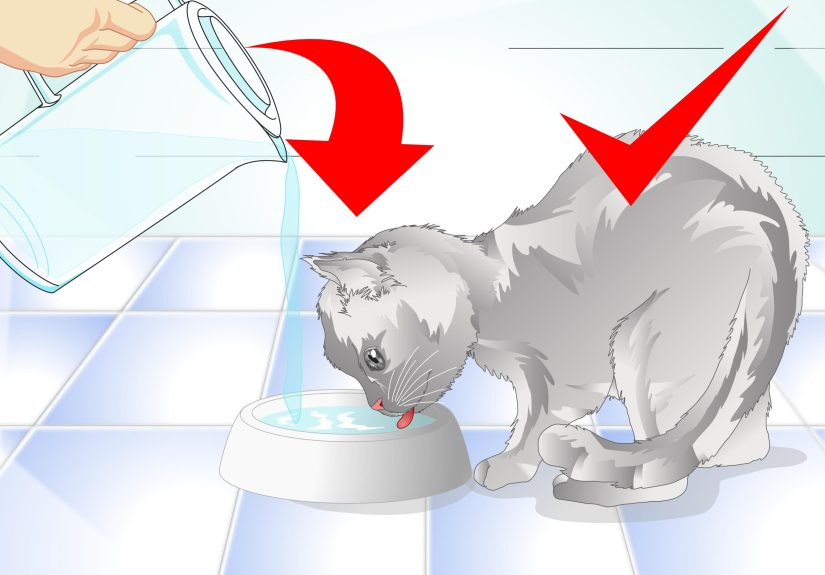
To help, refresh water bowls often, place multiple bowls around the house, and consider a water fountain if your cat prefers moving water. Many cats also benefit from more wet food in the diet, since canned food naturally provides extra moisture. Small changes in water intake can make a noticeable difference in coat quality over time.
Feed a balanced diet that supports skin and coat health
Nutrition plays a major role in cat skin health. A complete and balanced diet helps support the skin barrier and coat condition. Essential fatty acids, especially omega-3 and omega-6 fats, are often discussed in relation to healthy skin and a shinier coat. Some cats also benefit from diet changes when allergies or sensitivities are suspected.
This does not mean you should start tossing random oils or supplements into the bowl like a home chef on a reality show. Supplements can help some cats, but they should be chosen with veterinary guidance, especially if your cat has other medical issues or is already on medication. More is not always better.
Do not ignore weight and mobility
Overweight cats are more likely to struggle with self-grooming, particularly over the lower back. That can lead to oil buildup, flaky skin, mats, and a coat that looks dull or greasy. If your cat is carrying extra pounds, a veterinarian-guided weight management plan may improve both grooming ability and dandruff over time.
Mobility matters too. Cats with arthritis or dental pain may groom less because it hurts or because they simply feel lousy. If your cat suddenly looks unkempt, greasy, or flaky, that change can be a clue that something deeper is going on.
Adjust the environment
Indoor heat and low humidity can dry out the skin. If dandruff flares in winter, adding a humidifier may help. So can reducing stress. Cats are creatures of habit, and some show stress through overgrooming, undergrooming, or changes in coat condition. Quiet resting spaces, predictable routines, and enough enrichment can help more than people expect.
Best inside-out takeaway: Better hydration, better nutrition, a healthier body weight, and a less drying home environment can all help get rid of cat dandruff and prevent it from returning.
Way 3: Treat Dandruff as a Symptom, Not Just a Cosmetic Problem
When flakes mean “time for the vet”
Sometimes dandruff is mild and temporary. Sometimes it is the first visible sign of a larger issue. You should contact a veterinarian if your cat’s dandruff is severe, suddenly worse, itchy, greasy, smelly, patchy, or accompanied by hair loss, redness, sores, scabs, weight loss, lethargy, or changes in appetite and behavior.
The same goes if your cat is a senior, cannot groom normally, or lives with other pets that are suddenly itchy too. Flakes that seem to “move” can point to mites, often nicknamed walking dandruff. And yes, that name is every bit as creepy as it sounds.
Common medical causes behind cat dandruff
There are several possible medical causes of flaky skin in cats, including:
- Parasites such as fleas or mites
- Allergies, including flea allergy and food or environmental allergies
- Bacterial or fungal skin infections
- Seborrhea and other skin disorders
- Poor grooming due to obesity, arthritis, dental pain, or illness
- Underlying systemic disease that affects the skin and coat
A veterinarian may recommend a physical exam, skin tests, flea control review, blood work, or other diagnostics depending on what else is going on. Treatment depends on the cause. That could mean parasite control, prescription shampoos, diet changes, treatment for infection, allergy management, or addressing an internal disease.
What not to do at home
Do not use human dandruff shampoo. Do not apply essential oils, coconut oil, or random “natural remedies” because a forum post said they were magical. Cats are sensitive to many substances, and products that seem harmless can irritate the skin or be unsafe when licked off during grooming.
Also, do not treat persistent dandruff as a purely cosmetic issue for months on end. A flaky coat can be the pet equivalent of a dashboard warning light. Sometimes it means “add a humidifier.” Sometimes it means “please book an appointment.”
Best medical takeaway: The fastest way to truly get rid of cat dandruff is to identify and treat the cause, not just wipe away the flakes.
A Simple Weekly Plan to Reduce Cat Dandruff
For mild dandruff in an otherwise healthy cat
- Brush your cat gently several times a week or daily if tolerated.
- Check the skin for redness, bumps, fleas, scabs, or greasy patches.
- Refresh water daily and add more hydration options around the home.
- Feed a complete, balanced diet and avoid impulsive supplement experiments.
- Use a humidifier if the air is very dry.
- Monitor body weight and grooming ability.
- Call your veterinarian if the dandruff persists, worsens, or comes with itching or hair loss.
Common Mistakes Cat Owners Make
One common mistake is brushing too hard. Another is bathing too often. Another classic is assuming dandruff is normal in every cat because “he has always had it.” Cats can live with chronic low-grade skin issues for a long time, and owners often adjust to them gradually. Then one day the coat looks rough, the skin gets itchy, and everyone realizes the flakes have been staging a quiet rebellion for months.
Another mistake is focusing only on the coat and forgetting the cat. A cat that stops grooming may not have a fur problem first. It may have a pain problem, weight problem, dental problem, or medical problem that is showing up in the coat.
Final Thoughts
If you want to know how to get rid of cat dandruff, remember this: brush smarter, support the skin from the inside out, and do not ignore signs that point to an underlying problem. Those three strategies solve the majority of dandruff cases more effectively than any trendy shortcut.
Healthy cat skin usually comes from boringly solid habits: regular grooming, good hydration, balanced nutrition, parasite prevention, and timely veterinary care when something changes. Not flashy, not glamorous, but very effective. Your cat may never send a thank-you note, but a softer coat and fewer flakes are a pretty good review.
Cat Owner Experiences: What Real-Life Dandruff Cases Often Look Like
One of the most common experiences cat owners describe is discovering dandruff by accident. They are petting a black cat on the couch, admiring the dramatic elegance, when suddenly the cat looks like it has been sprinkled with powdered sugar. In many of those cases, the dandruff turns out to be mild dry skin mixed with inconsistent brushing. Once the owner starts brushing every day or every other day, the flakes often become much less noticeable within a few weeks. The surprise is not that brushing works. The surprise is that such a small routine change can make the coat look completely different.
Another common experience happens with older or heavier cats. Owners often notice that the dandruff is concentrated near the tail and lower back. At first they assume the skin itself is the whole problem, but then they realize the cat is not grooming that area well anymore. Maybe the cat has gained weight. Maybe jumping seems stiffer than before. Maybe the cat still acts normal but has become less flexible and a little less tidy. In these situations, dandruff becomes an early clue. Once the cat gets help with weight management, pain control, or simply more regular owner-assisted grooming, the coat often improves right along with the cat’s comfort level.
Then there are the households where dandruff seems minor until itching enters the chat. An owner sees flakes, then scratching, then overgrooming, then maybe a few scabs or thin patches in the coat. This is the point where many people realize the issue is not just cosmetic. Sometimes the cause turns out to be fleas even when no one has actually seen one. Sometimes it is an allergy. Sometimes it is a skin infection. The big lesson from these experiences is that dandruff can be the first breadcrumb on the trail, not the entire story. Owners who call the vet early usually solve the issue faster than those who spend months rotating through shampoos and hope.
There are also owners who do almost everything right and still notice seasonal flaking, especially in winter. The heat is running, the air is dry, and the cat’s skin seems to file a complaint. In these cases, adding humidity to the home, encouraging more water intake, and keeping up with gentle grooming often make a real difference. It is not dramatic. It is more like quietly restoring order to the feline universe.
Across all these experiences, one pattern shows up again and again: the best results usually come from looking at the whole cat, not just the flakes. When owners combine grooming, hydration, nutrition, environmental support, and veterinary help when needed, dandruff becomes much easier to manage. That is the encouraging part. In many cases, the problem is absolutely fixable. It just needs the right kind of attention instead of random guesswork and a shampoo bottle chosen by optimism alone.